US Implements Broad Tariffs on 60 Nations Following Supreme Court Ruling and Forced Labor Allegations

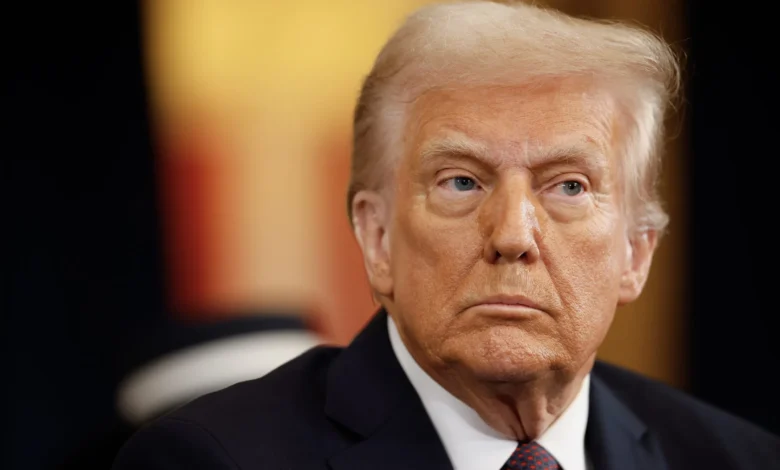
The United States government has officially enacted a sweeping series of new tariffs targeting 60 countries, a move framed as a strategic response to global failures in addressing forced labor and a necessary correction to distortive trade practices. These duties, ranging from 10% to 12.5%, were implemented as a temporary global levy following a significant legal battle that reached the highest court in the land. The announcement, made by US Trade Representative Jamieson Greer under the direction of President Donald Trump, marks a pivotal moment in American trade policy, signaling a return to aggressive protectionism combined with a stated commitment to international human rights standards.
The implementation of these tariffs follows months of legal and political maneuvering. On July 23, the Office of the US Trade Representative (USTR) confirmed that the new duties would take immediate effect, impacting some of the nation’s largest trading partners, including the United Kingdom, China, the European Union, Canada, Japan, and India. The administration maintains that these measures are essential to "correct what is both a human rights abuse and distortive trade practice," with the ultimate goal of improving the welfare of workers globally and leveling the playing field for American domestic industries.
A New Legal Framework for Trade Enforcement
The path to these new tariffs was cleared by a complex legal saga involving the limits of executive power. Earlier this year, in February, the US Supreme Court issued a landmark six-to-three ruling that significantly curtailed the President’s ability to levy broad tariffs under the International Emergency Economic Powers Act (IEEPA). The 1977 statute was originally intended to give the executive branch the power to regulate commerce during times of national emergency. However, the court ruled that the Trump administration had overstepped its authority by using the act for routine trade policy decisions rather than genuine, acute emergencies.
This judicial blockade temporarily halted the administration’s trade agenda, forcing a pivot in strategy. The newly announced 10% to 12.5% levies represent a "temporary global levy" designed to bypass the specific legal hurdles cited by the Supreme Court. While the administration continues to assert its right to protect the American economy, this new iteration of tariffs is explicitly tied to the failure of foreign nations to meet US standards regarding the eradication of forced labor in their supply chains. By framing the tariffs around human rights and labor standards, the administration seeks to utilize alternative trade enforcement mechanisms that may prove more resilient to legal challenges.
The Justification: Forced Labor and Global Supply Chains
The core justification for the latest round of tariffs is the persistent presence of forced labor in global manufacturing and agriculture. According to the USTR, the 60 countries targeted have failed to demonstrate sufficient progress in identifying and eliminating modern slavery within their borders. This move expands upon the precedent set by the Uyghur Forced Labor Prevention Act (UFLPA), which specifically targeted goods from the Xinjiang region of China. The new policy, however, is much broader in scope, applying a blanket levy to dozens of nations based on a general assessment of their labor enforcement efficacy.
"Today’s action will begin to correct what is both a human rights abuse and distortive trade practice to improve the welfare of workers everywhere," stated Jamieson Greer. The administration argues that goods produced via forced labor are artificially cheap, creating an unfair competitive advantage that harms US workers who are subject to higher labor standards and minimum wage laws. By imposing these duties, the US aims to internalize the cost of these human rights violations, effectively making it more expensive for American companies to source goods from regions where labor protections are lax or non-existent.
The International Labour Organization (ILO) estimates that approximately 28 million people worldwide are in situations of forced labor. The US administration’s data suggests that these practices are deeply embedded in the supply chains of electronics, textiles, and agricultural products. By targeting 60 countries—including developed economies like the UK and the EU—the US is signaling that no nation is exempt from scrutiny regarding its supply chain transparency.
Chronology of the Trade Dispute
The timeline leading to the July 23 announcement reflects a period of intense volatility in international trade relations:

- January 2025: President Trump is inaugurated and immediately signals a return to a high-tariff trade policy, citing the need to protect the domestic manufacturing base.
- February 2025: The US Supreme Court strikes down the administration’s initial attempt to use the International Emergency Economic Powers Act (IEEPA) for broad-based tariffs. The 6-3 majority rules that trade policy must adhere to specific legislative frameworks.
- March – June 2025: The Office of the US Trade Representative conducts a rapid review of global labor standards, focusing on 60 key trading partners. During this period, diplomatic tensions rise as the UK, EU, and Canada seek exemptions.
- July 23, 2025: Jamieson Greer officially announces the implementation of the 10% to 12.5% tariffs. The levies are characterized as a "temporary global levy" aimed at correcting labor-related trade distortions.
- July 24, 2025: Markets react with volatility as retail, automotive, and technology stocks adjust to the prospect of increased import costs.
Economic Implications and Industry Reactions
The economic impact of a 10% to 12.5% tariff on a majority of US imports is expected to be significant and multifaceted. For the American consumer, these duties are likely to translate into higher prices for everyday goods. Retailers, particularly those in the fashion and apparel sector (as highlighted by industry observers like Drapers), are among the most vulnerable. Many of these companies rely on complex, multi-national supply chains that cannot be easily or cheaply relocated.
Industry groups have expressed concern that the tariffs could fuel inflation at a time when the economy is still finding its footing. The National Retail Federation (NRF) and other trade associations have historically argued that tariffs are "taxes paid by American businesses and consumers," rather than the exporting nations. However, supporters of the administration’s policy argue that these short-term costs are a necessary price to pay for long-term economic independence and the moral imperative of ending forced labor.
In the UK, the inclusion in the tariff list has sparked a diplomatic debate. Having sought a comprehensive free trade agreement with the US for years, the imposition of a 10% levy is seen by some British officials as a setback. Similarly, the European Union has indicated it may consider retaliatory measures, raising the specter of a renewed transatlantic trade war. China, which already faces numerous US trade restrictions, has condemned the move as "economic coercion" and a violation of World Trade Organization (WTO) principles.
Analysis of Global Trade Dynamics
The decision to target 60 countries simultaneously suggests a shift away from bilateral negotiations toward a more unilateral, standard-based trade regime. By applying the tariffs to both allies and adversaries, the US is asserting its role as the primary arbiter of global labor standards. This "carrot and stick" approach aims to force other nations to adopt more rigorous labor monitoring systems if they wish to maintain preferential access to the American market.
However, the move also carries significant geopolitical risks. It could drive affected nations to strengthen trade ties with one another, potentially bypassing the US market and diminishing the dollar’s influence in international commerce. For example, the "BRICS+" bloc (Brazil, Russia, India, China, South Africa, and others) may see this as an opportunity to accelerate the development of alternative trade infrastructures.
Furthermore, the "distortive trade practice" argument used by Greer suggests that the US is no longer satisfied with the current WTO framework for resolving disputes. The administration appears to be building a new doctrine where human rights and economic protectionism are inextricably linked, providing a moral high ground for policies that might otherwise be seen as purely protectionist.
Conclusion and Future Outlook
The rollout of these new tariffs marks the beginning of a new chapter in American economic diplomacy. While the Supreme Court successfully limited the use of emergency powers for trade, the Trump administration has demonstrated its resolve to find alternative legal pathways to achieve its policy goals. The focus on forced labor provides a powerful rhetorical and legal tool, but the ultimate success of the policy will depend on how effectively it can be enforced without causing undue collateral damage to the US economy.
As the 10% to 12.5% duties take effect, the global community will be watching closely for the next move from Washington. Will these tariffs remain "temporary," or will they become a permanent fixture of the 2025-2029 trade landscape? For now, businesses across the globe must navigate a new reality of higher costs, increased scrutiny of their supply chains, and a US trade policy that is more assertive than it has been in decades. The coming months will likely see a flurry of diplomatic activity as countries on the list of 60 attempt to negotiate their way out of the levies by proving their commitment to labor reform, while the US prepares for the inevitable legal and economic ripples that such a massive policy shift entails.
Related posts: