Beyond the Ring Light: How Expertise, Evolution, and Strategy Are Redefining the Creator Economy in Fashion and Beauty

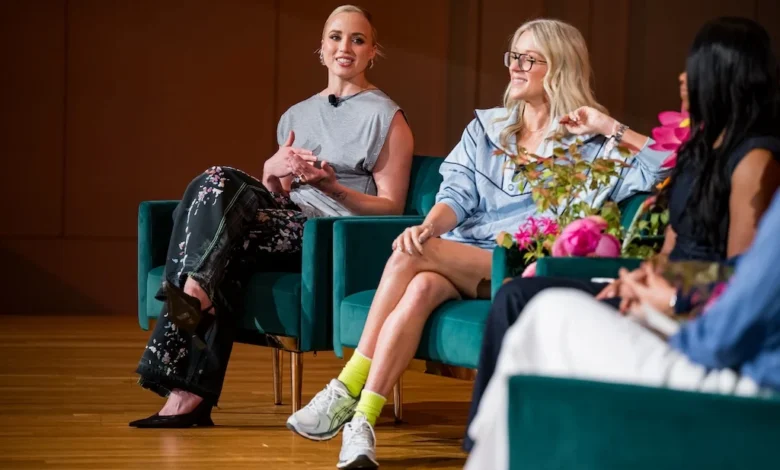
The modern fashion and beauty landscapes are undergoing a profound structural shift, moving away from hyper-curated, isolated aesthetics toward a market that increasingly demands real-world expertise, creative collaboration, and career longevity. This transformation took center stage earlier this month at Glossy Pop NYC, an industry-leading event that convened top-tier brand executives, established content creators, professional athletes, and seasoned industry veterans. As platforms become increasingly saturated and audiences grow more sophisticated, the fundamental definition of what it means to be an "influencer" is being rewritten.
The discussions at the New York City gathering highlighted an urgent reality for the digital ecosystem: the low barrier to entry that once fueled the explosive growth of the creator economy has simultaneously created a saturated market. Today, simply possessing a ring light, a microphone, and an opinion is no longer enough to secure long-term brand partnerships or consumer trust. Instead, brands and audiences alike are pivoting toward creators who offer tangible skills, deeply rooted industry experience, and authentic, multifaceted business strategies.
The Maturation of the Creator Economy: From Niche Beginnings to Lifestyle Expansion
To understand where the creator economy is heading, industry analysts look at how early digital pioneers have adapted to changing consumer habits. The era of hyper-specific niches—while still a viable entry point for many—has increasingly given way to broader lifestyle narratives.
Abby Baffoe, a prominent digital creator who initially built her online presence in 2019 focusing primarily on hair tutorials, exemplifies this evolutionary arc. Over the course of several years, Baffoe transitioned her content strategy to encompass a holistic lifestyle focus. At the Glossy Pop NYC event, she noted that while maintaining a strict niche works well for some digital personalities, it ultimately felt creatively restricting for her career growth.
Despite broadening her content pillars, Baffoe has successfully maintained foundational, long-term relationships with early brand partners such as TRESemmé and L’Oréal. This continuity underscores a vital lesson for modern creators: longevity in digital marketing relies not on remaining static, but on evolving alongside one’s audience while retaining the organic synergies that attracted brands in the first place. Industry data suggests that long-term ambassador programs yield significantly higher consumer trust compared to one-off sponsored posts, making adaptability a critical asset for creators seeking sustainable careers.
The Intersection of Athletics and Influence: Redefining Brand Partnerships
One of the most dynamic shifts discussed at the conference is the convergence of professional sports and digital marketing. Brand marketers are increasingly turning to elite athletes not merely as traditional billboards, but as dynamic creative partners capable of tapping into highly engaged, passionate new demographics.
WNBA star Hailey Van Lith offered a compelling insider perspective during the panel discussions, emphasizing a growing desire among athletes to move past the traditional endorsement model. Historically, professional athletes were handed pre-determined marketing campaigns and expected to execute them passively. Van Lith revealed that she prefers a deeply collaborative approach, actively participating in product development and shaping the overarching aesthetic and strategic direction of marketing shoots.
While many professional athletes view their sports careers as their primary focus with brand partnerships serving as a secondary supplement, Van Lith’s hands-on philosophy points to a broader trend. Modern brand ambassadors, particularly high-profile athletes, are leveraging their personal brands to influence product lines directly, bridging the gap between athletic performance and consumer lifestyle goods. This shift requires brands to relinquish rigid control over marketing campaigns, allowing athlete-creators to infuse their authentic voice and vision into the creative process.
Navigating the Creative Constraints of Luxury Versus Mass-Market Campaigns
Despite the industry-wide rhetoric championing unvarnished authenticity, the reality of commercial partnerships reveals a complex balancing act. Creators working across different tiers of the retail market face vastly different expectations regarding content creation and creative freedom.
Tessa Brooks, an established creator, dancer, and actress boasting a combined following of over 25 million users across Instagram and TikTok, addressed the distinct operational realities of executing digital campaigns. According to Brooks, non-luxury brand campaigns often afford creators the flexibility to experiment with trends, sounds, and narrative structures designed to maximize algorithmic reach and potential virality.
Conversely, collaborations with high-fashion and luxury legacy houses operate under a completely different set of rules. Luxury brands rely heavily on strict, carefully guarded brand guidelines to preserve their exclusive market image and heritage. For creators, this means navigating rigid ad reads, precise visual standards, and limited room for spontaneous experimentation. The contrast highlights the duality of the modern creator economy: creators must be agile enough to pivot between algorithm-driven mass-market virality and the highly controlled, prestigious ecosystems of high fashion.
Expertise Versus Opinion: The Critique of Modern Influence
As the discussion turned toward the long-term viability of digital influence, veteran voices in the fashion PR space offered a sharp critique of the industry’s terminology. Kelly Cutrone, a renowned fashion public relations executive and industry veteran, challenged the very validity of terms like "influencer" and "micro-influencer," arguing that the widespread democratization of digital platforms has diluted the true meaning of expertise.
Cutrone pointed out that the accessibility of digital technology has made it exceptionally easy for anyone to project authority on complex subjects without having earned empirical experience in the field. She emphasized a fundamental distinction that consumers and brands are beginning to re-examine: the difference between holding a subjective opinion and possessing genuine industry experience.
This sentiment resonated deeply with traditional experts who have successfully crossed over into the digital and product entrepreneurship spaces. Mary Phillips, renowned makeup artist and founder of the cosmetics brand M.ph by Mary Phillips, shared how decades of rigorous, real-world professional experience laid the groundwork for her business success.
Phillips recounted pitching her brand concept to major beauty retailer Sephora prior to the physical production of any goods. The retailer’s immediate and enthusiastic response—grounded entirely in trust for Phillips’ proven professional expertise—underscores a pivotal market correction. Retailers and consumers are increasingly rewarding deep-domain knowledge and technical skill over superficial internet popularity. As Phillips noted, top-tier retail partners value creators and founders who fundamentally understand the craft behind the product.
Broader Implications and Industry Analysis
The insights shared at Glossy Pop NYC point to a maturing industry entering a phase of accountability and strategic refinement. Several key implications emerge from these evolving dynamics:
- The Professionalization of Creators: As brands demand higher returns on investment, the era of casual content creation is giving way to rigorous business acumen. Creators who view their platforms as fully fledged media and product companies are outperforming those who rely solely on transient internet trends.
- The Premium on Authenticity and Pedigree: The pushback led by industry veterans against unqualified "opinions" signals a consumer-driven demand for authority. Brands are recognizing that long-term equity is built by partnering with individuals who possess verifiable skills, whether through professional makeup artistry, athletic excellence, or deep-seated fashion industry tenure.
- Collaborative Product Development: The days of passive endorsements are numbered. From WNBA stars co-designing marketing campaigns to veteran makeup artists partnering directly with global retailers before product launch, the future belongs to collaborative innovation where creators act as co-architects of brand identity.
Ultimately, the conversations in New York City serve as a roadmap for the next decade of digital media. For those looking to build lasting careers in fashion and beauty, success will no longer be measured solely by follower counts or viral moments, but by the depth of their real-life skills, the strength of their strategic partnerships, and their ability to navigate an increasingly professionalized marketplace.