Poundland owner Gordon Brothers faces mounting pressure as collapse looms amid refusal to release vital tax and supplier funds

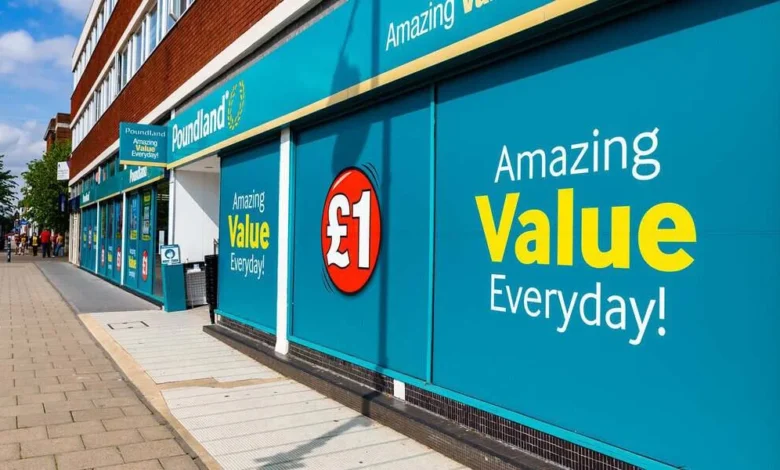
The future of one of Britain’s most iconic high street retailers hangs in the balance as a high-stakes standoff between Poundland’s owner, Gordon Brothers, and the company’s operational needs reaches a critical juncture. Despite holding cash reserves reportedly exceeding £60 million, the private equity firm has faced intense scrutiny for its alleged refusal to release the necessary capital to settle outstanding tax obligations to HMRC and pay critical suppliers. This liquidity squeeze has manifested in the most visible way possible: empty shelves across the national estate during the most lucrative period of the retail calendar.
As the clock ticks down toward a November 28 deadline, the survival of the discount chain—and the livelihoods of its 11,000 employees—remains uncertain. The situation has prompted urgent warnings from industry analysts and policymakers alike, who fear that if a rescue deal is not finalized within the current window of creditor protection, the business could face an involuntary liquidation, leading to a catastrophic loss of jobs and a significant blow to the UK’s retail landscape.
A Chronology of Financial Instability
The current crisis did not emerge in a vacuum; it is the culmination of months of operational strain and shifting ownership dynamics. To understand the gravity of the situation, one must look at the timeline of events that led to the present impasse:
- Mid-2026: Reports begin to surface regarding tightened credit terms for suppliers, as the retailer struggles to balance its books against rising inflationary pressures and a challenging consumer environment.
- Early November 2026: Financial disclosures indicate that while Poundland retains substantial cash reserves, access to these funds is being tightly controlled by Gordon Brothers.
- November 12, 2026: Gordon Brothers releases a tranche of £20 million in funding intended to stabilize operations.
- November 13–18, 2026: Following the initial release, no further capital is injected into the operational side of the business. Consequently, supply chains falter, and gaps on shelves become increasingly pronounced.
- November 19, 2026: Public reports confirm that sales have plummeted to 20% to 25% below internal targets, signaling a loss of consumer confidence and inventory availability.
- November 28, 2026: The definitive deadline for the expiration of creditor protection. If no buyer is found by this date, administrators may be appointed to oversee the potential break-up or asset sale of the chain.
The Anatomy of the Standoff: Liquidity vs. Solvency
The central friction point in this crisis is the disconnect between the £60 million in cash currently held within the business and the operational requirements to keep stores fully stocked. Gordon Brothers, which acquired the business with the intention of revitalizing its commercial performance, has adopted a cautious stance on fund disbursement.
From an accounting perspective, the firm’s refusal to release funds is likely a defensive measure designed to ring-fence capital for a potential exit or to preserve the asset’s value during the ongoing search for a buyer. However, this strategy has created a "death spiral" effect. By starving the supply chain of cash, the company is failing to meet stock requirements, which in turn leads to lower footfall and reduced revenue, further eroding the brand’s value.
Retail experts note that the "crucial run-up to Christmas" is when a retailer like Poundland generates the bulk of its annual profit. By failing to ensure stock availability during this period, the owner is effectively undermining the very business it is trying to sell. The 20% to 25% shortfall in sales compared to targets is a stark illustration of how operational starvation directly impacts the bottom line.
Official Responses and the Stance of Gordon Brothers
In response to the allegations of mismanagement and the withholding of funds, a spokesperson for Gordon Brothers has maintained a position of strategic oversight. "Funds necessary to support Poundland’s ongoing trading continue to be released," the firm stated, emphasizing that they are acting in a manner consistent with their fiduciary duties. Regarding the tax bill, the firm noted, "HMRC enjoys a priority position under statute which protects the exchequer in all scenarios."
This statement suggests that the firm is prioritizing its legal obligations to the state while attempting to navigate the complex process of divestment. Gordon Brothers further clarified their objective, stating: "We are assessing multiple bids for the sale of the whole company and we are taking due care to ensure that any successful offer can provide the funds required to acquire the business and see it through to sustainable cash generation."
The firm denies any suggestion of "improperly" withholding funds, characterizing the current austerity measures as a necessary step to ensure the business finds a buyer capable of long-term viability rather than a short-term cash injection that would not solve structural issues.
The Broader Impact on the UK High Street
The potential collapse of Poundland is not merely a corporate failure; it is a systemic risk to the UK high street. With 11,000 jobs at stake, the economic ripple effect would be profound. Retail analysts have pointed out that in many towns, Poundland serves as an anchor store, driving footfall to neighboring independent retailers and small businesses. Its removal from these locations could accelerate the decline of struggling town centers.
Furthermore, the "cost-of-living" context cannot be ignored. In an era where consumers are increasingly price-sensitive, discount retailers have played a vital role in providing affordable household goods. The loss of such a major player would reduce market competition and likely lead to higher prices for essential goods across the sector.
Economic Analysis: The Perils of Private Equity Ownership
The situation highlights a recurring debate regarding private equity ownership in the retail sector. Critics often argue that private equity firms prioritize short-term cash flow and asset protection over long-term operational health and employment stability.
"When an owner holds £60 million in cash but allows store shelves to go empty, they are signaling that they view the business as a portfolio of assets to be liquidated rather than a functioning retail entity to be nurtured," says an independent retail consultant who requested anonymity. "The challenge here is the ‘protection from creditors’ status. It provides a temporary shield, but it also creates a countdown clock that can be used by interested parties to force a ‘fire sale’ price."
The Road to November 28: What to Expect
As the November 28 deadline looms, the focus shifts to the ongoing negotiations between Gordon Brothers and potential bidders. A successful rescue deal will likely involve an acquirer who is willing to commit to an immediate capital infusion to restock stores and settle outstanding tax liabilities.
Failure to secure such a deal will almost certainly trigger the appointment of administrators. In an administration scenario, the primary goal of the appointed insolvency practitioners would be to maximize returns for creditors. This could involve the closure of underperforming stores, significant staff layoffs, or the sale of the brand and its intellectual property to a competitor, effectively ending the current iteration of the retailer.
The government and regulatory bodies, including the Insolvency Service, are likely monitoring the situation closely. While they typically maintain a non-interventionist stance in private corporate affairs, the scale of potential job losses and the impact on the national supply chain may necessitate a more active, albeit behind-the-scenes, advisory role.
Conclusion: A Retailer at the Brink
Poundland stands at a defining moment in its history. The narrative of the next few days will be determined by whether the current ownership can reconcile the need for capital preservation with the absolute necessity of operational survival. For the 11,000 employees waiting for news, the ambiguity of the current standoff is perhaps the most difficult aspect of the crisis.
As the retail industry watches, the case serves as a stark reminder of the fragility of even the largest high street names in the modern economic climate. Whether Poundland emerges from this period of turmoil under new ownership or transitions into a managed administration, the events of this November will be remembered as a pivotal chapter in the ongoing evolution of the British retail sector. The outcome will not only decide the fate of a brand but will also set a precedent for how distressed retail assets are managed in an increasingly volatile and fast-paced market.