Grand Theft Auto 6 and the Missed Opportunity of Fashion Retail Integration

The launch of Grand Theft Auto 6 (GTA 6) represents more than just a milestone in interactive entertainment; it stands as a seismic cultural event that has reshaped consumer behavior and labor participation across the globe. With estimated retail sales reaching approximately $2.36 billion within the first 24 hours of availability, the title has cemented its position as one of the most significant media releases in history. Despite the overwhelming scale of this cultural phenomenon, the fashion and apparel industry has largely failed to capitalize on the moment, revealing a systemic lack of agility in traditional retail forecasting and collaborative marketing strategies.
Chronology of a Digital Blockbuster
The journey to the release of GTA 6 has been one of the most anticipated cycles in modern tech history. Following the unprecedented success of its predecessor, Grand Theft Auto 5—which generated $1 billion in its first three days and eventually sold over 230 million copies worldwide—developer Rockstar Games maintained a period of silence that spanned thirteen years. This prolonged development timeline, which industry analysts estimate required an investment approaching $1 billion, mirrors the production costs of the world’s most expensive motion pictures.
As the release date approached, the momentum became impossible to ignore. By October 2026, polling data from YouGov indicated that 86% of British adults were familiar with the Grand Theft Auto brand, with one in three having played at least one entry in the series. The launch week itself saw unprecedented shifts in human capital; BrightHR reported that UK employees booked roughly 83,000 days of leave specifically for the game’s arrival. In the United States, data from BambooHR revealed that 18% of the total salaried workforce intended to take time off for the launch, a figure that surged to 32% among Gen Z employees and 27% among millennials.
Quantifying the Cultural Impact

The financial performance of GTA 6 is staggering. Sensor Tower data confirms that the game shifted approximately 25 million copies by the end of its first day, a figure inclusive of pre-orders. At a standard retail price of $79.99 per license, the revenue generated effectively eclipses the opening weekends of even the most successful blockbuster films. However, while food and beverage retailers, as well as hardware manufacturers, successfully pivoted their marketing to address the "stay-at-home" behavior of the gaming demographic, the fashion sector remained largely static.
This inertia is particularly striking given the established history of gaming-fashion crossovers. In the rare instances where brands engaged with the launch, the results were highly successful. Selfridges launched an exclusive GTA 6 collection, and Rockstar Games collaborated with premium brands such as Oakley and New Era for collector’s merchandise. Luxury luggage manufacturer Rimowa also saw significant engagement with its custom PlayStation 5 case. These partnerships demonstrate that when brands prepare in advance, the conversion potential is substantial.
The Nike and Travis Scott Precedent
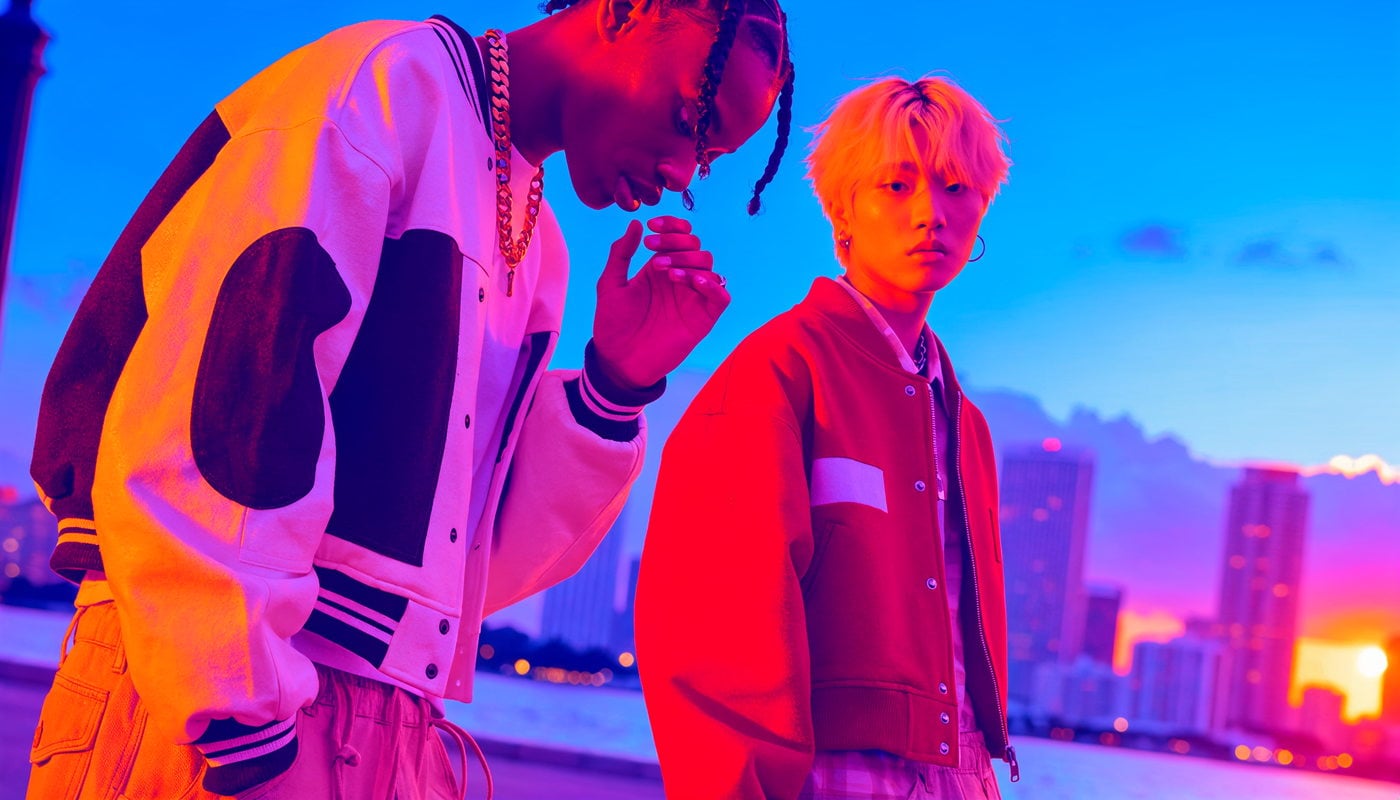
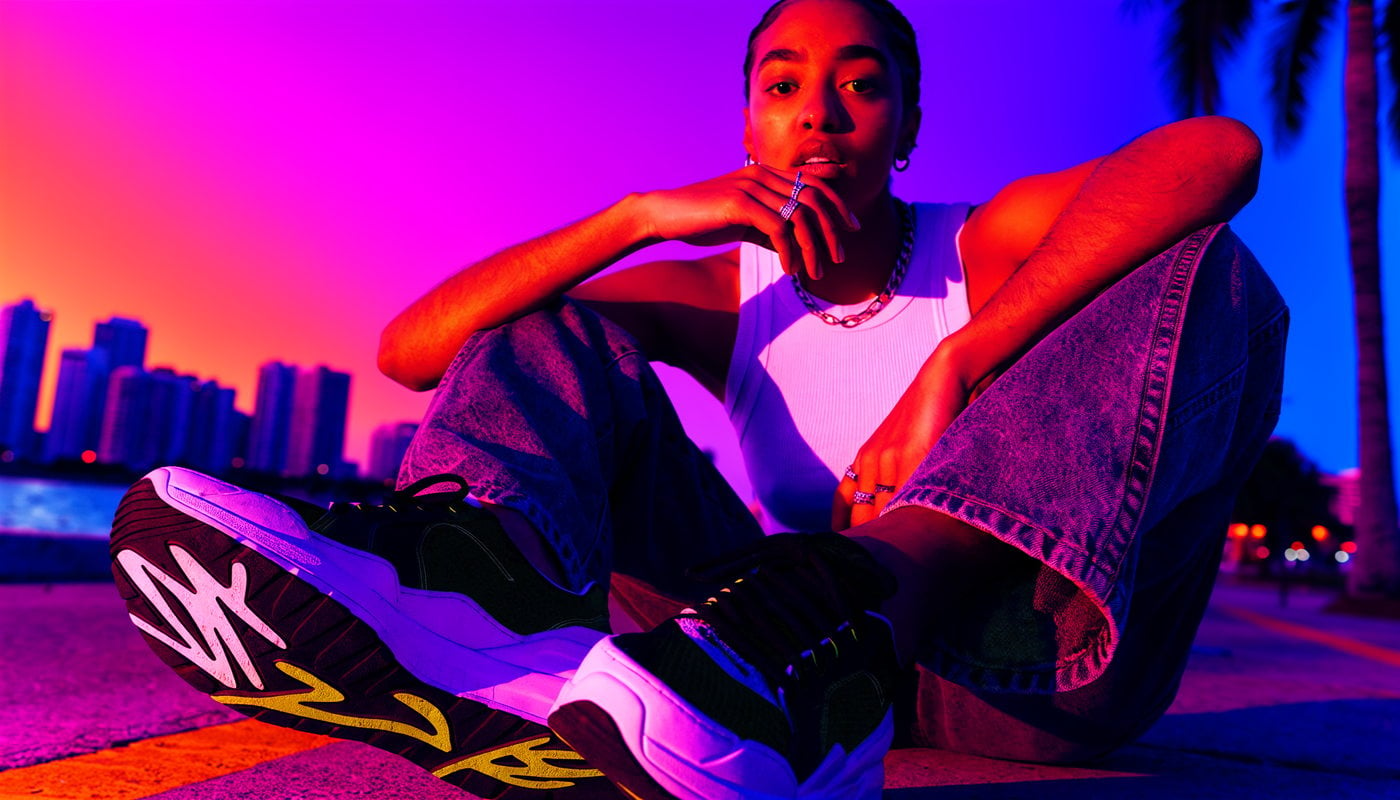
The most prominent exception to the industry’s lack of engagement was the strategic partnership between Nike, Travis Scott’s Cactus Jack brand, and Rockstar Games. Recognizing the immense cultural weight of the launch, these entities initiated a multi-layered campaign that effectively integrated the game’s "Vice City" aesthetic into the physical world.
During a November 2026 game between the Miami Heat and the Milwaukee Bucks, the Heat wore exclusive jerseys designed by Nike and Cactus Jack. The demand was instantaneous: the arena’s stock was depleted within 90 minutes. Notably, the appeal of these items was not geographically contained; 30% of the orders for the "Vice City" apparel range originated from outside the United States. This confirms that the cultural reach of a digital property like GTA 6 can effectively drive international demand for apparel when the product is aligned with the timing and aesthetic of the media event.
The Failure of Retail Forecasting
The primary obstacle preventing a wider fashion industry response appears to be a reliance on rigid, long-lead-time production models. In the fashion industry, typical development cycles—from design and material sourcing to manufacturing and distribution—span between six and nine months. To have had a bespoke collection ready for the launch of GTA 6, brands would have needed to finalize their strategies and production schedules by May 2026.
This "wait and see" strategy is a recurring issue, as evidenced by the industry’s response to the 2023 Barbie film. Many retailers initially underestimated the film’s potential for cultural impact, choosing not to produce dedicated lines. When the film exceeded all expectations, the industry was left scrambling. The subsequent retail data from John Lewis, which showed a 70% increase in sales of pink handbags and a 67% increase in demand for specific footwear, served as a "teachable moment" regarding the power of pop culture to dictate consumer purchasing trends. The failure of the fashion industry to apply these lessons to the launch of GTA 6 suggests that the sector has not yet bridged the gap between trend analysis and agile manufacturing.
Implications for Agile Business Models

The discrepancy between the traditional fashion calendar and the rapid pace of digital culture highlights a growing need for agile, technology-driven business models. The adoption of digital direct-to-garment (DTG) printing and on-demand manufacturing offers a potential solution for small-to-medium enterprises (SMEs) and even larger brands looking to react to cultural shifts in real-time.
Some sectors are already successfully utilizing these technologies. Fanatics, for example, has transformed the merchandise landscape for the NHL by integrating design, print, and drop-ship capabilities that allow for the delivery of commemorative apparel in as little as 24 hours. By contrast, the traditional fashion industry’s dependence on centralized, high-volume production remains a liability in an era where cultural relevance is measured in hours rather than months.
Reputational Considerations

One factor that cannot be ignored is the intentional brand positioning of the Grand Theft Auto series. As an 18-rated franchise set within a fictionalized criminal underworld, the game presents a complex proposition for luxury and mainstream brands that prioritize "family-friendly" or "safe" imagery. The "acquired-taste" nature of the game’s satire, which frequently lampoons consumer culture and corporate greed, creates a paradoxical relationship: the very brands being parodied in the game are often the ones that might otherwise seek to profit from a collaboration.
However, the success of the Nike/Cactus Jack partnership suggests that the perceived reputational risk is diminishing. Consumers increasingly view gaming as a legitimate pillar of modern culture, and the "edginess" associated with the GTA series is now viewed by many younger demographics as a mark of authenticity rather than a deterrent.
Conclusion and Future Outlook
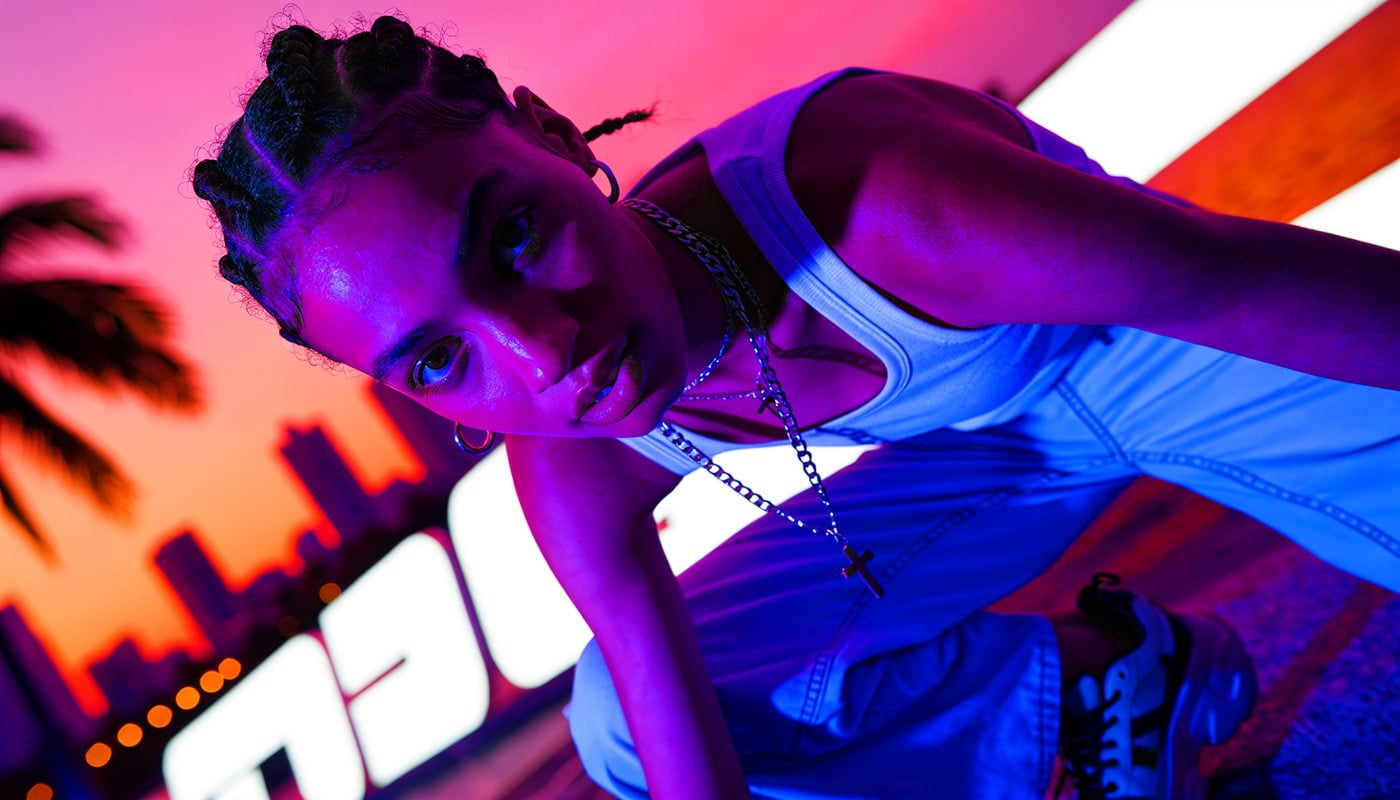
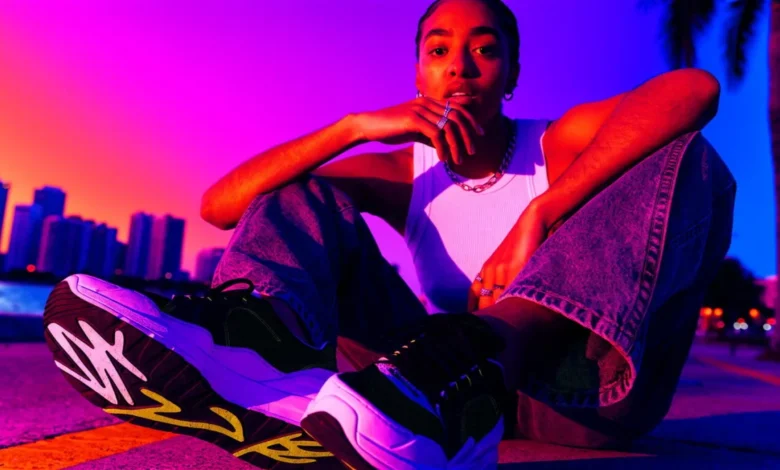
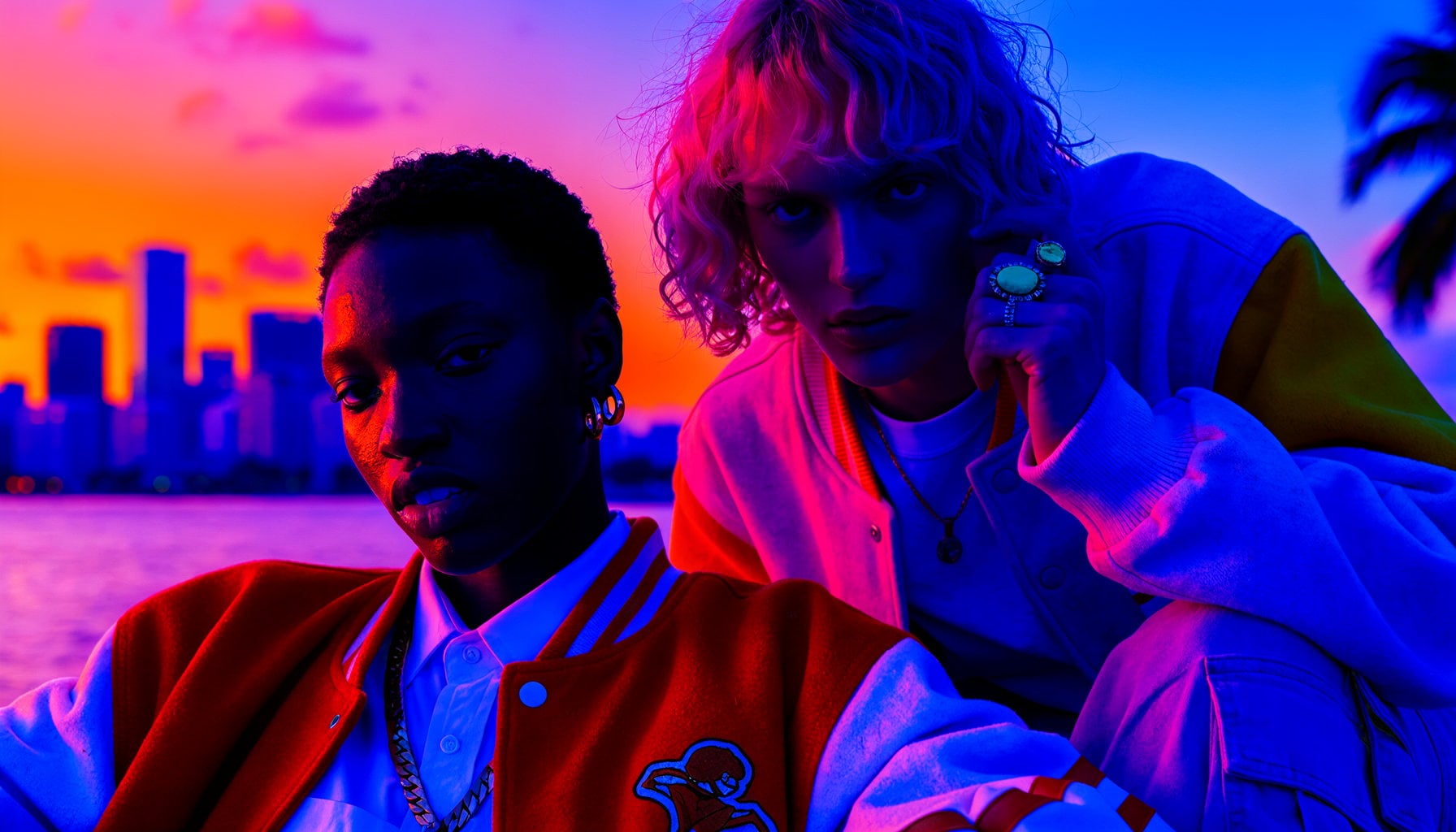
The launch of GTA 6 serves as a definitive case study for the fashion industry. It has proven that even in an era of digital dominance, there is a tangible, high-value opportunity to translate virtual enthusiasm into physical retail success. The brands that took early, calculated bets on the launch—leveraging the neon-pastel aesthetic of the Vice City setting and the anticipation surrounding the game—have successfully captured a share of the consumer’s wallet and attention.
Looking ahead, the industry must move beyond the "wait and see" approach that has defined its response to major media events. Intelligent trend forecasting, combined with a willingness to invest in decentralized, agile production workflows, will be essential for any brand aiming to remain relevant in a world where the lines between digital entertainment and physical lifestyle are increasingly blurred. While another cultural phenomenon on the scale of GTA 6 may not appear for some time, the lesson remains clear: the future of fashion retail lies in the ability to anticipate and align with the cultural zeitgeist before the clock runs out.