Gap Inc. Reports Mixed Third Quarter 2026 Financial Results as Strategic Pivot Toward Fashiontainment Drives Brand Resurgence

Gap Inc. reported its third-quarter financial results for 2026 on Thursday, revealing a complex landscape of operational recovery and uneven brand performance. While the conglomerate achieved a modest 2% overall increase in net sales, reaching $4 billion, the underlying metrics highlight a tale of two portfolios. The Gap brand emerged as the clear engine of growth, posting double-digit sales increases that effectively cushioned the company against lingering headwinds at its Athleta and Banana Republic divisions. This performance underscores a significant shift in consumer sentiment and the efficacy of the company’s ongoing turnaround strategy under CEO Richard Dickson.
Financial Performance Breakdown
The divergence in performance across Gap Inc.’s brand architecture was stark during the third quarter. The flagship Gap brand recorded an 11% surge in net sales, totaling $1.1 billion. This growth trajectory is particularly notable given the brand’s efforts to modernize its image while maintaining its core, multi-generational identity. Old Navy, the company’s largest revenue contributor, maintained its stability with a 1% increase in net sales to $2.3 billion.
Conversely, the luxury and performance segments faced contraction. Athleta, which had previously been a high-growth vehicle for the company, saw a 14% decline in net sales, falling to $220 million. Similarly, Banana Republic experienced a 3% dip, with net sales settling at $449 million. These results suggest that while the core casual apparel segment remains resilient, the premium and specialty activewear markets are currently experiencing a cooling period characterized by shifting consumer discretionary spending habits.
Strategic Initiatives: The Rise of Fashiontainment
Central to the company’s current narrative is the aggressive implementation of a "fashiontainment" strategy. Under the guidance of Pam Kaufman, who assumed the role of executive vice president and chief entertainment officer in January, Gap Inc. is actively attempting to move beyond traditional retail. The objective is to transition the company into a cultural participant rather than a mere transactional vendor.
This strategy includes a multi-year partnership with the boy band Just Your Type (JYT) and the launch of "The Agency," a scripted microseries produced specifically for the Banana Republic brand. According to CEO Richard Dickson, this evolution is a response to how modern consumers interact with commerce. By weaving brand narratives into long-form content, such as an upcoming company-produced docuseries, Gap Inc. aims to cultivate deeper emotional equity with its audience.
"We see our fashiontainment platform as a recognized way of how customers aren’t just buying apparel today; they’re buying into brands that are telling compelling stories and driving cultural conversations," Dickson noted during the earnings call. This move reflects a broader industry trend where retailers are increasingly blurring the lines between media production and retail distribution.
The Power of Collaborations and Brand Heritage
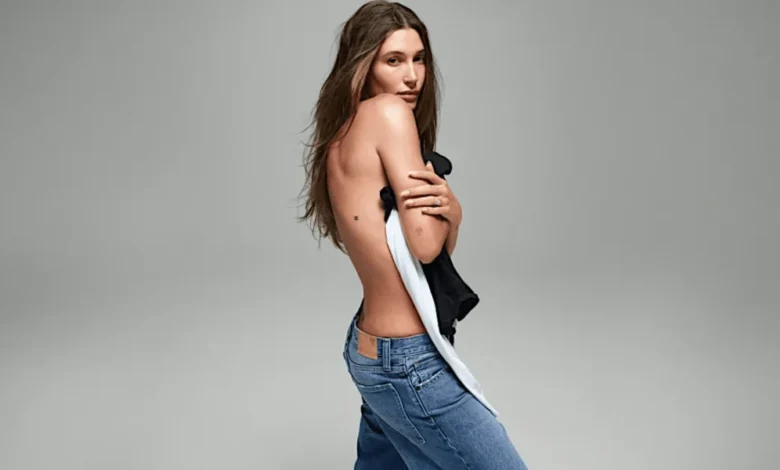
The resurgence of the Gap brand can be attributed, in part, to a tactical focus on high-profile collaborations and the strategic exploitation of consumer nostalgia. The company successfully leveraged partnerships with prominent cultural figures, including Hailey Bieber and Victoria Beckham, to revitalize interest in its collections. These collaborations have provided the brand with renewed relevance among younger demographics, particularly Gen Z, without alienating the brand’s established multi-generational customer base.
Furthermore, the reentry into the beauty category represents a significant expansion of the brand’s ecosystem. In July, Gap reintroduced its iconic 1990s fragrances, including the cult-favorite scents Grass and Dream. While the company has not yet disclosed specific revenue figures for the beauty relaunch, management described the early consumer response as "encouraging." This move leverages the power of "nostalgia marketing," a potent tool that has gained significant traction across the fashion and beauty sectors throughout 2025 and 2026.
Industry Context and Competitive Landscape
Gap Inc.’s pivot toward entertainment-integrated retail is consistent with a larger industry-wide shift. Retailers are currently grappling with the challenges of digital saturation and the declining efficacy of traditional advertising. By positioning themselves as content creators, brands like Gap are attempting to capture "share of attention" rather than just "share of wallet."
The strategy mirrors moves by other industry players. Victoria Beckham, a collaborator with Gap, was the subject of a high-profile 2025 docuseries on Netflix, produced by Studio 99. Similarly, the cosmetics brand Maybelline utilized a holiday-themed "microdrama" to drive seasonal engagement in 2025. Product placement has also become increasingly sophisticated, as evidenced by the integration of brands like Estée Lauder and La Bonne Brosse into popular scripted series like "Nobody Wants This." These efforts illustrate that modern retail success is increasingly tied to a brand’s ability to exist within the cultural zeitgeist.
Analyzing the Path Forward
The third-quarter results provide a roadmap for the company’s future priorities. The primary challenge for Gap Inc. will be stabilizing the performance of its lagging segments, Athleta and Banana Republic, while maintaining the momentum of the Gap brand. The 14% decline at Athleta is a particular point of concern for investors, as it suggests that the brand may be losing market share in a highly competitive performance-wear sector that includes giants like Lululemon and emerging direct-to-consumer athletic brands.
For Banana Republic, the challenge remains repositioning the brand as a leader in premium lifestyle apparel. The move into scripted entertainment through "The Agency" is an attempt to elevate the brand’s perception from a retailer to a lifestyle curator. However, analysts note that such initiatives are long-term plays. The tangible impact of these entertainment ventures on the company’s bottom line remains to be seen and will likely be a focal point for institutional investors in the upcoming fiscal quarters.
Chronology of Recent Strategic Developments
- January 2026: Gap Inc. appoints Pam Kaufman as Executive Vice President and Chief Entertainment Officer, signaling the formalization of the "fashiontainment" strategy.
- July 2026: Gap launches the revival of its heritage beauty line, featuring 90s-era fragrances such as Grass and Dream.
- August–September 2026: The company initiates several high-profile collaborations with cultural figures including Hailey Bieber and Victoria Beckham to drive seasonal sales.
- October 2026: The company announces a multi-year partnership with the musical group Just Your Type (JYT) and debuts "The Agency," a branded microseries.
- November 2026: Gap Inc. reports Q3 earnings, highlighting a 2% total sales increase, driven largely by a 11% increase in the flagship Gap brand.
Operational and Cultural Implications
The shift toward a "fashiontainment" model suggests that Gap Inc. is preparing for a future where the retail store is just one component of a broader brand experience. By focusing on cultural storytelling, the company is attempting to insulate itself from the volatility of fashion trends. If successful, this approach could lower the cost of customer acquisition, as organic engagement through content replaces expensive, short-term performance marketing spend.
However, the risk inherent in this strategy is the potential for dilution. If the content fails to resonate, or if it is perceived as overly commercial, it could damage the brand’s authenticity. Management appears cognizant of this risk, emphasizing the need for consistency and underlying brand health. The growth in the company’s "customer file," particularly among younger generations, provides empirical evidence that the strategy is at least succeeding in expanding the company’s reach.
As Gap Inc. heads into the fourth quarter, the focus will likely remain on holiday performance and the conversion of its growing Gen Z customer base into long-term, loyal shoppers. With the company’s commitment to producing a docuseries and further investing in its entertainment platform, the market will be watching closely to see if Gap Inc. can successfully transform from a legacy apparel retailer into a modern, multi-platform media and fashion entity. The results of the third quarter suggest that the foundation for this transformation is being laid, even as the company navigates the turbulent waters of the current retail climate.