Tony Fadell joins Smartex.ai as chairman to spearhead the digital transformation of textile manufacturing

The fashion industry has long viewed artificial intelligence through the narrow lens of creative output and consumer-facing analytics. From generative design tools that draft initial sketches to predictive algorithms that forecast seasonal trends, AI’s role in fashion has been largely digital and conceptual. However, a significant pivot is occurring upstream in the global supply chain, where the focus is shifting from "AI as a designer" to "AI as an industrial operator." This transition is underscored by the recent appointment of Tony Fadell, the visionary entrepreneur behind the iPod and the Nest thermostat, as chairman of Smartex.ai. By bringing a veteran of consumer hardware to the textile floor, the industry is signaling a departure from legacy manual inspection processes toward a new era of connected, data-driven manufacturing.
A New Chapter for Industrial Automation
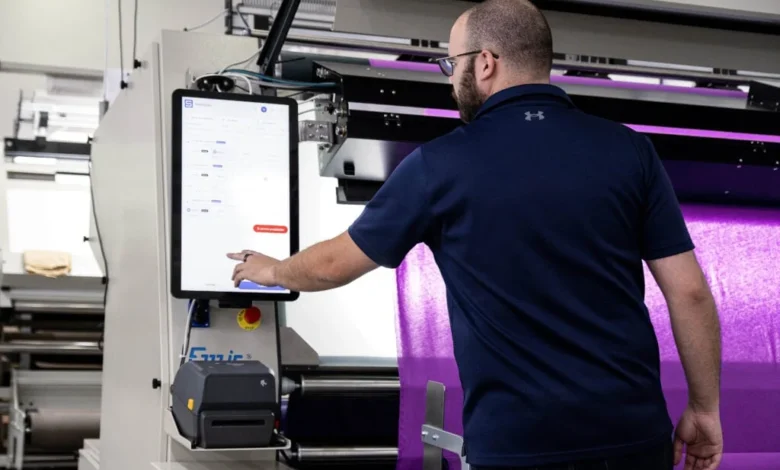
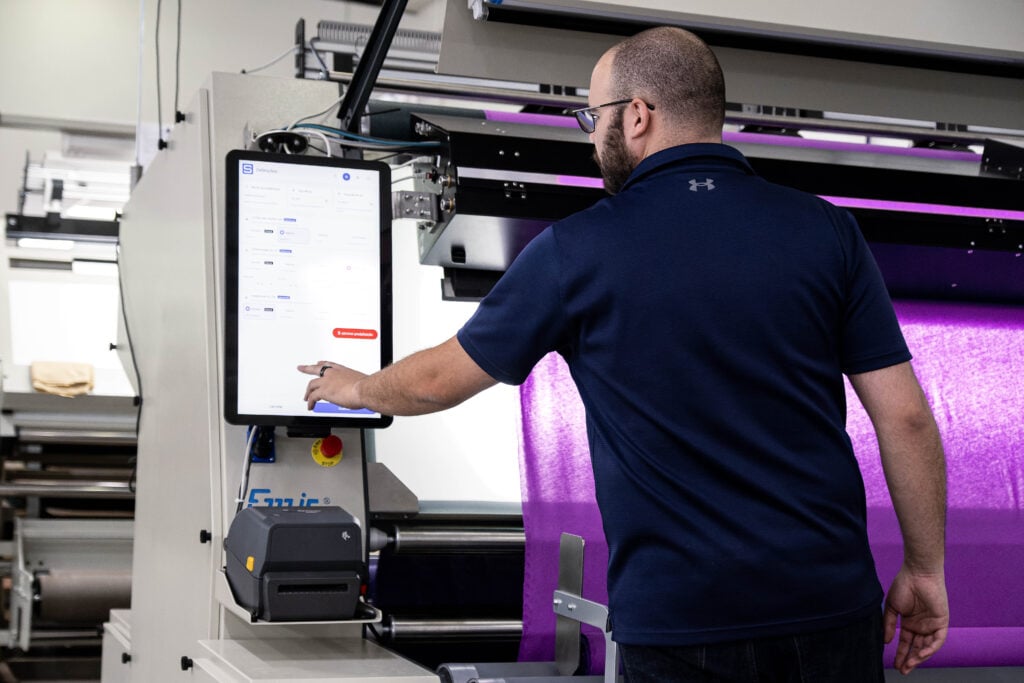
Smartex.ai, a technology firm specializing in quality control for the textile industry, aims to bridge the gap between physical production and digital transparency. The company’s latest advancement, a hardware-software ecosystem comprising the "Inspect" hardware and "IQ" software suite, represents a fundamental rethinking of fabric quality assurance. Fadell’s involvement is not merely symbolic; he has co-designed the Inspect hardware, leveraging his expertise in creating intuitive, connected hardware to solve the complex, high-speed challenges of textile mill operations.
The collaboration is set to make its official debut on November 27 at SmartCollab Hong Kong. This event marks a critical milestone for Smartex, which has been steadily building its influence through initiatives like the Modern Textile Factory Committee. By standardizing how quality data is captured and communicated across the supply chain, the company is attempting to create a "data highway" that connects mills, garment factories, and brands.
The Nest Legacy: Applying Proven Hardware Logic to Textiles
To understand the significance of Fadell’s appointment, one must look at his track record with Nest. In 2011, the home thermostat was a stagnant, utilitarian object. Fadell recognized that by adding intelligence, connectivity, and a refined user interface to a mundane device, he could transform it into a hub for home automation and energy efficiency. The resulting "smart home" boom was a direct consequence of this shift.
The challenge in a textile mill is arguably more complex, but the underlying logic remains identical. Textile manufacturing has historically relied on human inspectors to identify defects—a process prone to fatigue, inconsistency, and subjective interpretation. By integrating AI-driven sensors and cameras into existing machinery, Smartex is effectively digitizing the "eyes" of the factory. This allows for the real-time identification of defects, shade variations, and structural inconsistencies, which are then logged directly into the IQ software. This evidence-based approach ensures that when a shipment arrives, both the buyer and the seller are working from the same, verifiable dataset.
Chronology of Innovation: The Road to Smartex IQ
The evolution of Smartex has been marked by a series of strategic technical and organizational milestones:
- 2018–2020: Early development of computer vision algorithms specifically tuned for textile patterns and weaves.
- 2022: Initial deployment of Smartex core systems in industrial mills, focusing on waste reduction and defect identification.
- April 2024: Formal announcement of the Modern Textile Factory Committee, aimed at establishing interoperability standards across the multi-tier supply chain.
- Late 2024: Official unveiling of the Inspect hardware and IQ software ecosystem, coupled with the announcement of Tony Fadell as Chairman.
This timeline reflects a deliberate strategy: first mastering the individual machine, then connecting the machine to the factory, and finally connecting the factory to the broader supply chain ecosystem.
The Economics of Quality Control
The global textile and apparel industry faces mounting pressure to reduce waste and improve sustainability, yet defect-related losses remain a massive, often hidden, drain on profitability. Industry reports suggest that material wastage during the production phase accounts for a significant percentage of the total carbon footprint of a garment.
By utilizing Smartex’s AI-powered inspection, mills can catch defects at the source, preventing the processing of faulty materials into finished goods. This is not just a quality control issue; it is an environmental imperative. When a mill can accurately report defect positions and shade metrics, it reduces the need for physical audits and shipping returns. For a global brand, this visibility means fewer disputes with suppliers and a more reliable production timeline. The integration of IQ software into purchase orders creates a "digital passport" for the fabric, ensuring that accountability is transparent from the loom to the retail rack.
Industry Implications and Market Analysis
The appointment of a high-profile technology leader like Fadell to a textile manufacturing firm suggests that investors and industry leaders are viewing the "factory floor" as the next great frontier for AI. For years, the fashion technology sector was dominated by e-commerce solutions—platforms for virtual try-ons, hyper-personalized marketing, and influencer-led sales. These tools, while effective at driving revenue, did little to address the systemic inefficiencies of the supply chain.
The Smartex approach represents a shift toward "Hard-Tech." It acknowledges that while AI can write copy and design logos, its most profound impact will be in the optimization of physical infrastructure. By retrofitting existing machinery, Smartex avoids the prohibitive costs of "rip-and-replace" strategies, which have historically stalled innovation in the textile sector.
However, the road ahead is not without obstacles. The textile industry is highly fragmented, with varying levels of technological maturity across different regions. Getting a mill in Southeast Asia to adopt the same data standards as a brand in Europe requires more than just hardware; it requires a cultural shift in how data is shared. The "Modern Textile Factory Committee" is the company’s vehicle for this shift, acting as a forum for stakeholders to agree on the necessity of a shared data language.
Expert Perspectives on Digital Integration
While the official response from the industry has been one of cautious optimism, market analysts have noted that the "Fadell Effect" will likely accelerate the adoption of similar technologies. As one industry consultant remarked, "When someone with a background in consumer electronics enters the industrial space, they bring a culture of ‘frictionless’ design. If Smartex can make the inspection process as seamless as setting a thermostat, the resistance to adoption will collapse."
The primary benefit to brands will be a reduction in "quality-related friction." Currently, the process of investigating a shipment of defective fabric can take weeks, involving multiple rounds of emails, physical photo evidence, and long-distance negotiations. By digitizing this, Smartex moves the negotiation from subjective opinion to objective, sensor-captured data.
Future-Proofing the Supply Chain
As the industry looks toward 2025 and beyond, the criteria for a "successful" supplier will evolve. It will no longer be enough to be the fastest or the cheapest; suppliers will need to be the most transparent. The combination of hardware-based inspection and cloud-based reporting platforms will likely become the baseline requirement for tier-one suppliers serving major international retailers.
Furthermore, the integration of these AI systems opens the door to predictive maintenance. If the Inspect hardware is already monitoring the fabric, it can theoretically monitor the machine’s performance as well. Identifying a fraying needle or a misaligned tensioner before it causes a major defect could save factories millions in downtime and material loss.
Conclusion: A New Standard for Textile Intelligence
The appointment of Tony Fadell is a signal that the industrial side of fashion is entering its own "smartphone moment." By shifting the focus from the intangible (generative AI) to the tangible (smart manufacturing), Smartex.ai is positioning itself at the center of a fundamental industry transformation. The upcoming debut in Hong Kong is expected to showcase a blueprint for how legacy infrastructure can be revitalized through modern intelligence.
As the industry grapples with the dual pressures of economic volatility and sustainability mandates, the ability to "see" and "quantify" production at the point of origin will become the defining competitive advantage. Whether this transition achieves the ubiquity of the Nest thermostat remains to be seen, but the intent—to make the invisible visible—is precisely the kind of disruption the textile supply chain has long required. The convergence of Fadell’s hardware expertise and the sophisticated AI-driven inspection capabilities of Smartex.ai marks a decisive moment in the modernization of the global garment industry.