The Ultimate Guide to Finding the Perfect Plus-Size Wedding Dress: Trends, Silhouettes, and Expert Advice for 2027

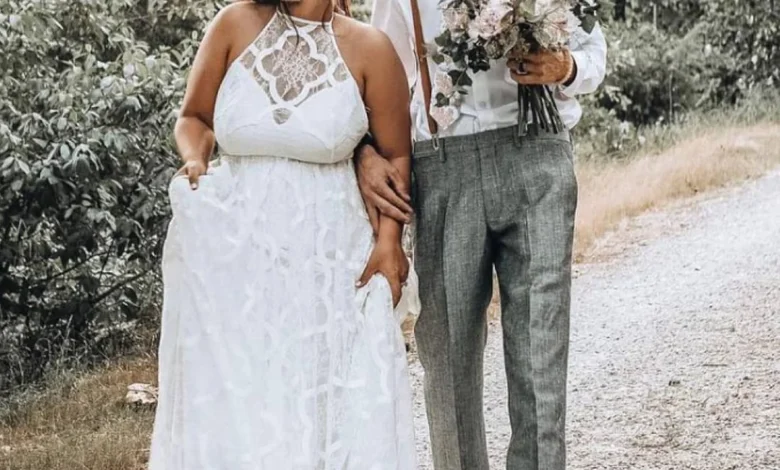
The bridal fashion landscape has experienced a monumental paradigm shift over the past decade, moving away from restrictive sizing norms toward a more inclusive, body-positive industry. Historically, plus-size brides faced immense hurdles when searching for a wedding gown, often restricted to a meager selection of poorly tailored, concealing silhouettes. However, contemporary bridal design has evolved dramatically. Today’s market offers high-fashion, trend-forward, and impeccably structured plus-size wedding gowns that honor full figures rather than hiding them. As the industry projects key trends for 2027, the demand for sophisticated, custom-fit, and architecturally designed curvy wedding dresses has never been higher.
Main Facts and the Modern Bridal Market Shift
Recent market analyses within the global bridal sector indicate that the demand for extended-size wedding attire has surged by over 40% in the last five years. Designers, boutique owners, and major fashion houses are finally responding to consumer data showing that the average bride falls into the mid-to-plus-size category. Despite this progress, industry-wide misconceptions persist. A prevalent myth among shoppers is that plus-size brides are limited to generic A-line or ball gown silhouettes. Bridal fashion experts emphasize that modern engineering, specialized undergarments, and advanced fabric technology allow fuller figures to rock sheath, mermaid, and trumpet gowns with equal elegance and comfort.
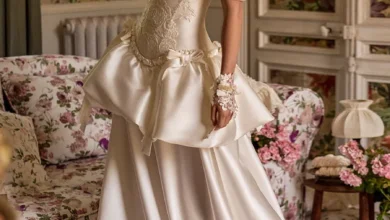
According to leading bridal consultants, the 2027 season is ushering in a renaissance of structured elegance. The prominent trends for curvy flattering plus-size wedding dresses heavily feature corset bodices with integrated structural boning, dramatic basque waists, and striking drop-waist designs. Furthermore, clean satin gowns with sweeping architectural trains, off-the-shoulder draped necklines, sheer lace sleeves, and intricate 3D floral appliques are dominating runways from New York to Milan. Brides are increasingly bypassing stark, bright white fabrics in favor of muted, warm tones such as rich ivory, champagne, and soft blush, paired with customizable elements like detachable overskirts and delicate pearl embellishments.
Chronology and Evolution of Plus-Size Bridal Design
To understand the current state of plus-size bridal fashion, one must examine its historical trajectory. For decades, bridal salons maintained a limited inventory of sample sizes, typically carrying size 8 to 10 garments. Brides exceeding these measurements were forced to rely on imaginative visualization, pinning small sample dresses to their bodies and hoping the final custom-ordered gown would translate well to their proportions.
The turning point began in the late 2010s, catalyzed by the body positivity movement and digital consumer advocacy. Brides began utilizing social media platforms to demand better representation and inclusive shopping experiences. In response, bridal pioneers and specialized design houses launched dedicated plus-size collections. Brands like Studio Levana and Naama Navipur transformed the market by engineering foundational support directly into the dresses, ensuring that gowns did not merely scale up in inches, but were fundamentally re-engineered to support and accentuate fuller busts, waists, and hips. By the early 2020s, major bridal weeks routinely featured plus-size models, permanently altering the industry’s visual standard and supply chain priorities.
Categorical Breakdown of Silhouettes and Styles
Navigating the vast array of available gown styles requires an understanding of how different fabrics and cuts interact with varying body types.
Bohemian and Beach Wedding Styles
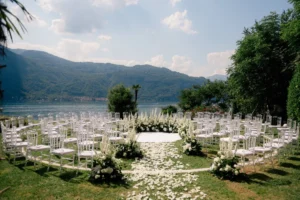
For brides planning outdoor, garden, or destination celebrations, bohemian and beach-oriented gowns offer an effortless, ethereal aesthetic. These styles prioritize lightweight, breathable fabrics such as chiffon, organic lace, and fine tulle that gracefully catch the coastal breeze. Empire waists and soft A-line cuts allow for maximum mobility and comfort, while bell sleeves, subtle floral embroidery, and delicate beadwork lend a romantic, free-spirited charm. Israeli bridal house Studio Levana notes that beach-appropriate plus-size gowns must minimize heavy internal structuring and excessive layers to ensure the bride remains cool and agile in warm coastal environments.
Vintage and Retro Aesthetics
Nostalgia continues to influence modern bridal trends. Vintage-inspired plus-size wedding dresses—ranging from tea-length cuts to full ball gowns—celebrate timeless eras through high necklines, illusion panels, sweetheart cuts, and off-the-shoulder configurations. The integration of long sleeves, delicate fabric-covered buttons, and intricate lace overlays imparts a classic, heirloom quality suited for traditional or retro-themed ceremonies.
Minimalist and Simple Gowns
The minimalist movement has captured the hearts of modern brides seeking understated sophistication. Simple plus-size wedding dresses crafted from premium crepe, heavy satin, or fluid chiffon rely on clean seams, expert tailoring, and subtle draping rather than heavy ornamentation. V-neck, scoop, and off-the-shoulder necklines elongate the frame, while subtle touches like a modest train or a slim belt maintain a sleek, contemporary silhouette ideal for intimate or courthouse weddings.
Modest and Traditional Designs
For religious, traditional, or formal winter ceremonies, modest plus-size wedding dresses deliver exceptional coverage without sacrificing high-fashion appeal. Utilizing luxurious fabrics like mikado, structured satin, and dense lace, these gowns feature boat-necks, high necklines, and illusion sleeves. They provide structured support and a refined profile, ensuring the bride feels both secure and majestic.
Lace, Sleeves, and Tailored Detailing
Lace remains the undisputed staple of bridal fashion. When applied to plus-size frames, soft Chantilly or Guipure lace layered over smooth satin creates a dimensional, structured effect. Similarly, long-sleeve wedding dresses have surged in popularity. Sheer tulle sleeves embroidered with lace appliques offer upper-arm coverage and romantic detail while maintaining a light, airy visual balance.
Structured Silhouettes: A-Line, Ball Gowns, and Mermaids
The timeless A-line remains a universal favorite because it cinches the natural waist and cascades gently over the hips, creating a harmonious hourglass illusion. As noted by designer Naama Navipur, the architectural integrity of an A-line dress provides balanced proportions for nearly any body type. Conversely, for brides seeking dramatic glamour, mermaid and trumpet silhouettes hug the curves tightly before flaring at the knee, accentuating the bust and waist for a striking, modern look. Meanwhile, voluminous ball gowns with structured, corset-style bodices offer a fairytale aesthetic that celebrates fullness with regal poise.
Alternative Trends: Short, Colorful, and Black Gowns
Breaking away from tradition, many contemporary brides opt for alternative aesthetics. Short plus-size wedding dresses, styled with cocktail lengths and playful illusion necklines, offer unmatched comfort and mobility for destination or casual celebrations. Furthermore, the rise of colorful wedding dresses—featuring hues of champagne, icy blue, soft blush, and even avant-garde black—allows brides to express their individual personalities. Plus-size black wedding dresses, in particular, have emerged as a cutting-edge choice for evening and alternative celebrations, exuding confidence, modernity, and high-fashion edge.
Expert Analysis: Implications and Economic Impact
The economic implications of the inclusive bridal boom are profound. Bridal salons and designers that fail to offer inclusive sample sizes and dedicated curvy collections risk alienating a massive, financially influential demographic. Industry analysts project that the continued expansion of the plus-size bridal market will drive further technological innovations in garment construction, including stretch-lace textiles, modular inner-corsetry, and customizable neckline options.
Furthermore, the destigmatization of full-figured brides in media and advertising has fostered a healthier retail environment. Brides are increasingly empowered to demand transparent pricing, accurate sizing charts, and personalized consultations that prioritize their comfort and emotional well-being.
Frequently Asked Questions
What kind of wedding dress creates a slimming effect?
A-line and ball gown silhouettes naturally draw attention to the narrowest part of the waist while smoothing the lower body. Empire waists elongate the torso and offer exceptional comfort, while V-neck and off-the-shoulder necklines draw the eye upward, lengthening the neck and emphasizing the bust.
How can a bride accessorize a short plus-size wedding dress?
Heels, block shoes, or elegant wedges help elongate the legs, maintaining proportional balance. Adding a structured belt or jeweled sash can explicitly define the waistline, while a fingertip veil or floral hairpiece anchors the look with traditional bridal elegance.
How can personality be added to a simple plus-size wedding dress?
Minimalist gowns serve as a blank canvas. Brides can infuse personal style through subtle modifications such as adding a bespoke lace trim, an embellished belt, delicate vintage buttons, a custom cape, or a dramatic cathedral-length veil while retaining an understated, clean aesthetic.