When Cultures Collide on the Shores of Lake Como: Zhe and Shankar Curate a Multibased Destination Wedding Celebration

The global wedding industry has witnessed a paradigm shift over the past decade, moving away from monolithic, traditional celebrations toward deeply personalized, multicultural unions that reflect the diverse backgrounds of modern couples. Nowhere was this contemporary trend more vividly illustrated than during the magnificent two-day destination wedding of Zhe and Shankar, held against the breathtaking backdrop of Italy’s Lake Como. Spanning two premier venues—Villa Lario del Mandello and Lido di Lenno—the couple orchestrated an international celebration that seamlessly intertwined Chinese heritage, Indian traditions, and American contemporary flair. Captured extensively by ManiSol Wedding and meticulously coordinated by Zaira of I do in Lake Como, the multi-day event set a new benchmark for cross-cultural destination ceremonies in Europe, demonstrating how couples can honor their multifaceted roots while embracing modern design aesthetics.

Main Facts and Venue Selection
The logistics of executing a cross-cultural destination wedding across multiple European backdrops require extraordinary precision, local expertise, and stylistic adaptability. For Zhe and Shankar, the planning process began amidst the unprecedented global disruptions of the COVID-19 pandemic. Unable to conduct initial in-person site visits, the couple relied heavily on digital walkthroughs and the expertise of their local planning team, I do in Lake Como.

They ultimately selected Villa Lario del Mandello as their primary host site. Known for its exceptional customizability and striking natural features—including a dramatic natural cave utilized for their late-night after-party—the venue provided a sophisticated, modern canvas. Meanwhile, the adjacent lakeside setting of Lido di Lenno was chosen to host the traditional Hindu ceremony. This location offered not only sweeping vistas of the iconic Italian lake but also the logistical capability to stage a dramatic, highly cinematic entrance for the groom: a traditional Indian baraat arriving via a classic Italian speedboat.
The integration of these distinct venues allowed the couple to segment their various cultural rituals while maintaining a cohesive narrative of romance, natural beauty, and contemporary design throughout the weekend.

Chronology of Events
The two-day itinerary was structured to ensure that each cultural tradition received dedicated time and proper ceremonial reverence, while still allowing for relaxed, joyous moments between the couple and their international guest list.

Days prior to the main public events began with intimate family rituals. Shankar participated in a traditional Hindu Haldi ceremony surrounded by close family members, a ritual designed to bless the groom with turmeric paste for purification and glowing skin ahead of the wedding.
On the morning of the symbolic ceremony, the atmosphere shifted to a blend of modern international preparation and classic European leisure. Shankar and his groomsmen readied themselves on-site, with friends assisting in the precision of tying his custom-tailored bow tie. Simultaneously, Zhe and her bridesmaids partook in a relaxed morning of champagne and casual dining, enjoying spaghetti at the venue prior to the arrival of the broader wedding party.

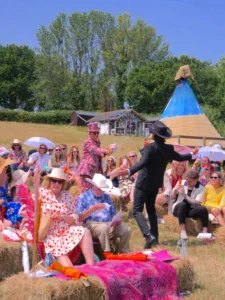
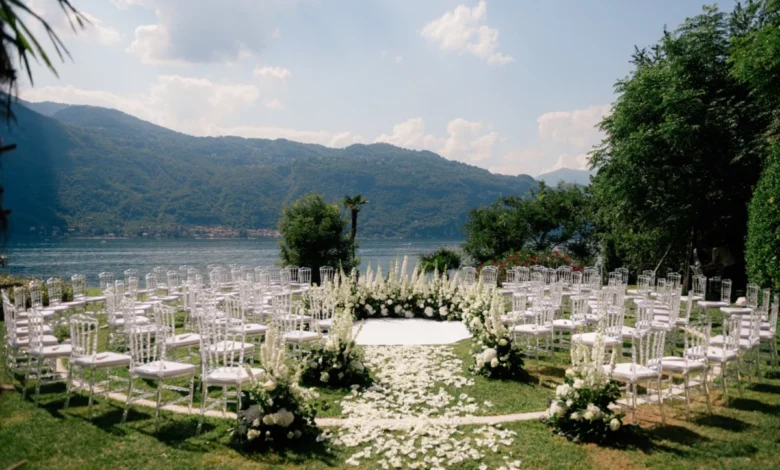
The symbolic ceremony itself featured a striking, highly discussed design choice: a completely circular seating arrangement that enveloped the couple, symbolizing unity and inclusivity. During this ceremony, Zhe and Shankar eschewed overly formal or historic vows, instead opting for light-hearted, personalized pledges that highlighted their day-to-day commitment to one another.
Following the ceremony, the evening transitioned into a high-energy reception featuring a dynamic musical program. Entertainment ranged from live jazz ensembles to contemporary DJ remixes, expertly synchronized with a bespoke fireworks display over the waters of Lake Como. In a poignant nod to her Chinese heritage, Zhe concluded the evening’s festivities by donning a traditional Qipao alongside her mother, closing the cross-cultural loop in front of an international audience.

Supporting Data and Haute Couture Integration
Fashion played a pivotal role in visually articulating the couple’s diverse heritages. The bridal wardrobe was carefully curated to transition across the various ceremonies without losing a distinct sense of modern haute couture elegance.

For the symbolic Western-style ceremony, Zhe selected a creation by renowned designer Monique Lhuillier. Sourced directly from the designer’s New York boutique, the gown featured a striking sculptural shape and a carefully contoured neckline that emphasized minimalist sophistication. For the Hindu ceremony, the bride transitioned into an ivory lehenga designed by Anita Dongre. Adorned with intricate floral embroideries, the garment was specifically chosen to complement the soft, organic aesthetic of the lakeside setting.
Shankar complemented the bridal fashion with a custom-crafted dark navy tuxedo sourced from Suit Supply, paired distinctively with his favorite pair of Belgian shoes, bridging European tailoring with personal comfort.

The aesthetic framework was further elevated by floral designer Barbara Botta Fiori. Working in tandem with the bride and the planning team, Botta Fiori engineered vibrant floral installations that bridged the gap between traditional Indian color palettes and minimalist European styling. The integration of lush botanicals across both Villa Lario and Lido di Lenno underscored the natural topography of Lake Como while maintaining a high-fashion editorial standard.
Official Responses and Planning Insights

Reflecting on their journey from initial colleagues to husband and wife, the couple noted that their relationship was forged over shared urban experiences and mutual interests. Having met through their workplace in New York City in 2017, their bond deepened over recreational tennis matches, urban exploration, and attending live sporting events. The proposal, executed in April 2021 at the historic Castle Hill Inn in Newport, Rhode Island—a favored vantage point for watching regional sailboats—foreshadowed their eventual affinity for waterfront backdrops.
According to the couple, the primary objective of their destination wedding was to bridge geographical and cultural divides, bringing together a widely dispersed circle of friends and family from across the globe. "We always wanted a destination wedding to bring together friends and family from around the world," the couple stated, emphasizing their goal to represent themselves as a modern, light-hearted couple through a unified weekend of celebration.

Despite the initial hurdles of planning an international event during a period of global travel instability, the collaboration between the couple and Zaira of I do in Lake Como ensured that logistical obstacles were systematically managed.
Broader Impact and Industry Implications

The wedding of Zhe and Shankar serves as a micro-casestudy for the evolving landscape of the global luxury destination wedding market. Industry analysts note a significant upward trajectory in multi-cultural, multi-day destination weddings, particularly within iconic European locales such as Lake Como, the Amalfi Coast, and the French Riviera.
Couples of diverse ethnic backgrounds are increasingly rejecting the notion of choosing a single cultural framework for their nuptials. Instead, they are utilizing the destination wedding format as a multi-act platform to celebrate intersectional identities. This trend has had a profound economic and operational impact on local vendors in regions like Lombardy, Italy. Planners, florists, caterers, and venues are increasingly required to possess cross-cultural literacy—understanding the specific ritualistic requirements of Hindu ceremonies, Chinese celebrations, and Western symbolic traditions alike.

Furthermore, the integration of high-end international fashion houses—such as Monique Lhuillier and Anita Dongre—within a single European destination event highlights the truly globalized nature of modern bridal consumerism. As couples continue to prioritize hyper-personalization, experiential guest programming (such as synchronized fireworks and bespoke musical curation), and seamless cross-cultural storytelling, events like Zhe and Shankar’s Lake Como celebration establish a new precedent for the future of international luxury weddings.