Genesco Board Re-elected, Successfully Fending Off Activist Challenge and Affirming ‘Footwear First’ Strategy

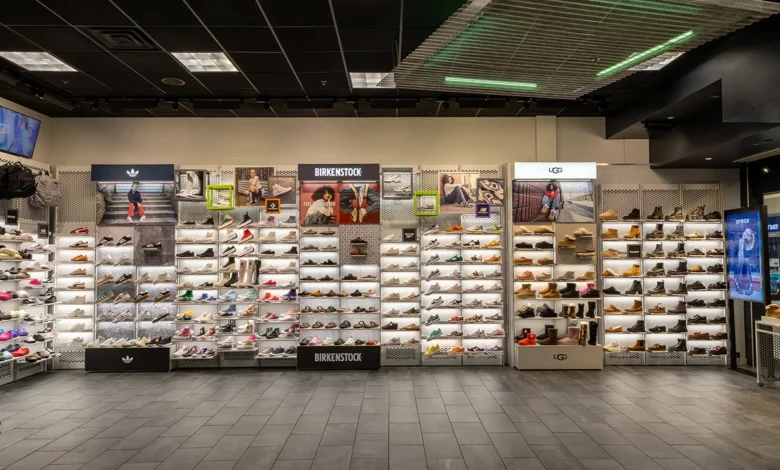
The Nashville-based footwear and apparel retailer, Genesco Inc., secured a decisive victory at its Annual Shareholders’ Meeting on Tuesday, July 21, 2026, as shareholders overwhelmingly voted to re-elect all nine incumbent board directors standing for re-election. This resounding affirmation effectively brought an end to a high-profile activist campaign that had sought to instigate significant changes to the company’s leadership structure. The re-election of the full slate of directors signals a strong vote of confidence from the shareholder base in Genesco’s current strategic direction, led by its "Footwear First" initiative, and in the oversight provided by its existing board and management team.
The directors successfully re-elected to the board include Gregory Sandfort, Mimi Vaughn, Joanna Barsh, Matt Bilunas, Carolyn Bojanowski, John Lambros, Thurgood Marshall, Jr., Angel Martinez, and Mary Meixelsperger. Their continued tenure on the board ensures stability and continuity in governance as Genesco navigates a dynamic retail landscape. This outcome allows the company to maintain its focus on executing its long-term growth objectives without the immediate distraction of a contentious proxy battle. The meeting, a culmination of months of engagement between Genesco, its shareholders, and activist investors, underscored the importance of sound corporate governance and the nuanced role of independent proxy advisory firms in shaping investor sentiment.
Genesco’s Strategic Foundation and Recent Performance
Genesco Inc. operates a diverse portfolio of well-known brands, including the iconic teen-focused Journeys chain, the heritage men’s footwear brand Johnston & Murphy, the European Schuh chain, and the Genesco Brands Group, which designs, sources, and markets licensed and proprietary brands. As a prominent player in the global retail footwear industry, Genesco has continuously adapted to shifting consumer preferences, evolving retail dynamics, and technological advancements, from the proliferation of e-commerce to the increasing demand for experiential retail.
In recent periods, Genesco has articulated and actively pursued its "Footwear First" strategy, a comprehensive framework designed to enhance shareholder value by capitalizing on core strengths in the footwear market. This strategic initiative is built upon four key pillars: "curate and create winning product," focusing on innovation and trend relevance; "elevate distinctive brands," enhancing brand equity and market positioning; "create exceptional customer experiences," both in-store and online; and "build amazing teams," investing in talent and organizational capabilities. The company has consistently emphasized its commitment to these drivers as fundamental to its future success, aiming to achieve sustainable growth and improved profitability in a competitive environment. The successful re-election of the board is widely interpreted as an endorsement of this strategic direction and the management team’s ability to execute it effectively.
Financially, Genesco has presented a mixed picture, indicative of the broader challenges and opportunities within the retail sector. In May 2026, just weeks before the pivotal shareholder meeting, the company reported a first-quarter net loss of $14.81 million. This occurred despite a positive trend in net sales, which saw a 3 percent increase, reaching $487.03 million. This performance highlights the ongoing investments in strategic initiatives, supply chain optimization, and store remodels, particularly within the Journeys segment. These investments are aimed at repositioning the brand for long-term growth and enhancing overall market share, even if they exert short-term pressure on profitability. The ability to increase sales amidst a challenging economic environment, coupled with strategic capital allocation, was a key point of discussion during the proxy contest, with management arguing that these were necessary steps for future gains.
Further signaling a commitment to strengthening its leadership team and reinforcing its strategic path, Genesco announced last month the appointment of Jonathan Collins as its new senior vice president, finance and chief financial officer, effective August 3, 2026. Collins, who brings a wealth of experience in financial leadership within the retail sector, will report directly to CEO Mimi Vaughn. This leadership change, succeeding Cassandra “Sandra” Harris, was part of an ongoing effort to ensure the company possesses optimal talent to drive its strategic objectives and maintain robust financial discipline, a factor that likely resonated positively with shareholders looking for stable and capable leadership during a period of strategic transition.
The Genesis of the Activist Challenge
The lead-up to the July 21st Annual Shareholders’ Meeting was marked by an increasingly vocal activist campaign spearheaded by Bradley L. Radoff and Jumana Capital Investments. This activist duo had publicly criticized Genesco’s board, alleging that the incumbent directors had declined to "meaningfully consider" their suggestions for improving shareholder value. While the specific details of Radoff and Jumana Capital’s comprehensive proposals for value enhancement were not extensively disclosed in public statements, activist campaigns of this nature typically advocate for a range of changes, including strategic reviews, asset divestitures, adjustments to capital allocation strategies, operational efficiency improvements, or even a potential sale of the company.
The core of their challenge, however, coalesced around a proxy fight aimed at replacing two specific long-serving directors: Joanna Barsh and Thurgood Marshall, Jr. Radoff and Jumana Capital publicly argued that these directors were "over-tenured and unqualified," asserting that fresh perspectives and renewed vigor were needed to invigorate the board and drive better outcomes for shareholders. They put forth their own nominees, whose identities were central to their campaign, believing these individuals would bring new insights, diverse experiences, and a more aggressive approach to value creation. This type of challenge, common in modern corporate governance, often tests the delicate balance between the benefits of institutional knowledge and the demand for regular board refreshment and diverse viewpoints.
The activists’ campaign gained traction in the weeks prior to the meeting, as they sought to persuade institutional investors and other shareholders that a change in board composition was necessary to unlock Genesco’s full potential. Their arguments hinged on the idea that the current board was not sufficiently responsive to shareholder concerns and that a fresh slate of directors would be more effective in overseeing strategic execution and delivering superior returns. This put Genesco’s existing board and management in a defensive posture, requiring them to actively articulate their vision, demonstrate the efficacy of their current strategy, and defend the qualifications and contributions of their incumbent directors. The ensuing public discourse became a critical battle for shareholder support and narrative control.
The Pivotal Role of Proxy Advisory Firms
A crucial turning point in the proxy contest came with the overwhelming and unanimous support Genesco received from all three leading independent proxy advisory firms: Institutional Shareholder Services (ISS), Glass Lewis & Co., and Egan-Jones Proxy Services. These firms play an indispensable role in corporate governance, providing comprehensive research and impartial recommendations on proxy issues to institutional investors, who often rely heavily on their analyses to inform their complex voting decisions. Given the sheer volume of proxy votes cast by large institutional funds and the intricate nature of corporate governance issues, their endorsements often sway a significant portion of the institutional vote, effectively acting as key arbiters in proxy contests.
Institutional Shareholder Services (ISS) Endorsement
The first major endorsement, and a significant boost to Genesco’s position, came from ISS. The firm, renowned for its rigorous analysis of corporate governance practices and financial performance, advised Genesco shareholders to vote for the company’s slate of nine incumbent directors. ISS concluded that the "dissidents have not made a compelling case for change." This finding was a significant blow to the activist campaign, as ISS’s recommendations are widely followed by a substantial segment of the institutional investor community across the globe. The firm’s rationale often scrutinizes the activist’s strategic proposals, the qualifications and experience of their nominees, and the company’s recent performance and articulated strategic plans. In this instance, ISS seemingly found Genesco’s narrative, performance trajectory, and strategic roadmap more convincing and robust than the activists’ arguments for immediate board changes.
Glass Lewis & Co. and Egan-Jones Proxy Services Follow Suit
Following ISS’s influential recommendation, Genesco further solidified its position by securing equally important endorsements from Glass Lewis & Co. and Egan-Jones Proxy Services. Both firms independently determined that shareholders should vote for Genesco’s nine directors as presented on the company’s "White" proxy card, a standard industry term referring to the management-nominated slate. This unanimous support from all three major independent advisory firms created a powerful and undeniable consensus among institutional investors, making it exceedingly difficult for the activist campaign to gain the necessary traction required to unseat incumbent directors.
Genesco swiftly publicized this rare trifecta of endorsements, issuing a statement that highlighted the profound significance of the unified support. "The support of all three independent proxy advisory firms for Genesco’s director candidates reinforces the qualifications and experience of our Board, and its active oversight of the clear momentum underway as we execute our winning strategy," the company stated. "In their recommendations, each of the proxy advisory firms emphasizes that Bradley Radoff has not made a compelling case for change in his unnecessary proxy fight at Genesco." This statement not only served to inform all shareholders of the crucial developments but also to reinforce the company’s consistent narrative that the activist challenge was unfounded, potentially disruptive, and lacked a superior alternative vision.
Detailed Reasoning from Advisory Firms
The comprehensive reports from Glass Lewis and Egan-Jones offered specific, data-driven insights into their recommendations, further bolstering Genesco’s position and providing shareholders with concrete reasons to support the incumbent board. Glass Lewis noted in its report that "available materials indicate Genesco has more recently charted a reasonably favorable course under the stewardship of Ms. Vaughn and the board, underpinned, in particular, by an iterative strategic initiative that appears to be driving stronger operational performance, improved investor returns and buoyed guidance." This assessment directly addressed the activists’ criticisms by crediting the existing leadership with positive developments and a clear strategic path. The explicit mention of "improved investor returns and buoyed guidance" was particularly impactful, as these are direct, measurable indicators of shareholder value creation and future prospects.
Egan-Jones Proxy Services, in its meticulous analysis, concluded that the "recent trajectory of Genesco’s fundamentals and operating execution supports maintaining the current board composition while the Footwear First strategy continues to gain traction, particularly given recovering cash flow, modestly improving profitability, and early evidence of successful Journeys repositioning and store remodel performance." This detailed reasoning highlighted tangible operational improvements and the early, yet promising, successes of Genesco’s strategic initiatives, especially within the crucial Journeys brand, which represents a significant portion of its business. Furthermore, Egan-Jones observed that Genesco’s strong total shareholder return (TSR) over the past year "demonstrates market optimism around the new strategy." This robust financial performance data served as concrete evidence that the current board and management were indeed delivering tangible value and that their strategy was gaining traction with investors.
The comprehensive, consistent, and data-backed reasoning from these independent arbiters of corporate governance played a decisive role in the outcome of the proxy contest. Their analyses provided institutional investors with a credible, third-party validation of Genesco’s strategy and leadership, effectively neutralizing the activists’ arguments and paving the way for the incumbent directors’ re-election.
Implications and Future Outlook for Genesco
The successful re-election of Genesco’s entire board slate carries significant implications for the company’s immediate future and its long-term strategic execution. Foremost, it provides Genesco with enhanced stability and continuity in its governance and leadership. With the activist challenge now definitively behind it, the board and management can fully dedicate their attention and resources to implementing the "Footwear First" strategy without the ongoing distraction, legal costs, and resource drain typically associated with a protracted proxy fight. This allows for a more streamlined focus on the four strategic growth drivers: product curation and creation, brand elevation, customer experience enhancement, and robust team building.
The outcome also serves as a strong validation of CEO Mimi Vaughn’s leadership and the board’s active oversight. The explicit mention by all three proxy advisory firms of Ms. Vaughn’s stewardship and the board’s role in driving "stronger operational performance" and "improved investor returns" reinforces their credibility and effectiveness within the broader investor community. This reinforced confidence could translate into greater investor engagement and potentially a more favorable reception for future corporate initiatives, including capital investments or strategic partnerships.
For the company’s core brands, particularly Journeys, which is undergoing significant repositioning efforts and extensive store remodels, this period of stability is crucial. The ability to continue these critical investments and strategic adjustments without the immediate pressure of a board overhaul means that the "Footwear First" strategy has the necessary runway to fully mature and demonstrate its maximum potential. The positive remarks from Egan-Jones regarding "recovering cash flow, modestly improving profitability, and early evidence of successful Journeys repositioning" suggest that these efforts are already bearing fruit, and the board’s re-election will allow these initiatives to be fully realized and scaled.
From a broader corporate governance perspective, this case highlights the growing and increasingly pivotal influence of proxy advisory firms in shaping the outcomes of activist campaigns. Their detailed analyses and impartial recommendations can often be the decisive factor, especially when activists struggle to present a truly "compelling case for change" that can override a company’s demonstrated progress and clear strategic vision. It underscores that while shareholder activism is a powerful tool for driving corporate accountability and promoting value creation, it must be supported by robust, well-articulated arguments and a clear, superior pathway to value enhancement.
Looking ahead, Genesco will continue to operate in a highly competitive and rapidly evolving retail landscape. Challenges such as inflationary pressures impacting consumer purchasing power, shifting consumer spending habits towards experiences over goods, the ongoing growth of direct-to-consumer (DTC) models, and the imperative for continuous digital transformation will remain paramount. However, with a unified board and a clear strategic mandate firmly in place, Genesco is now well-positioned to address these multifaceted challenges and capitalize on new market opportunities. The unanimous shareholder support reinforces the company’s ability to maintain its course, build on its current momentum, and strive for sustained growth and profitability in the years to come, affirming that its "Footwear First" strategy is indeed perceived as the right step forward for long-term value creation. The market’s reaction, while not immediately quantifiable in terms of precise stock price movements, is likely to be one of relief and cautious optimism, as the company can now concentrate squarely on strategic execution rather than internal governance battles.