China Apparel Sourcing Reliance Lowers but Relevance Remains in 2026

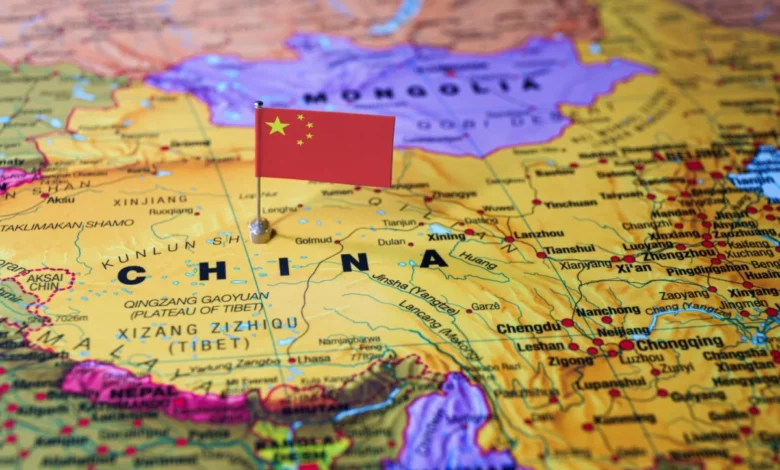
The global apparel industry is navigating a complex and dynamic landscape, with shifting sourcing strategies and evolving geopolitical influences. While the long-held dominance of China as a primary sourcing hub for apparel is undergoing a discernible recalibration, its strategic importance is far from diminished. Projections for 2026 indicate a continued, albeit reduced, reliance on Chinese manufacturing capabilities, underscoring the multifaceted nature of global supply chains and the persistent, albeit evolving, role of the Asian giant. This nuanced outlook is shaped by a confluence of economic, political, and operational factors that are collectively reshaping how brands and retailers approach their manufacturing partnerships.
Evolving Sourcing Strategies: A Global Shift
For decades, China has been the undisputed powerhouse of apparel manufacturing, leveraging its vast labor force, established infrastructure, and cost-competitiveness to become the world’s factory. However, a confluence of rising labor costs within China, increasing trade tensions, and a growing desire among Western brands to diversify their supply chains have spurred a significant shift. This diversification strategy, often termed the "China Plus One" approach, aims to mitigate risks associated with over-reliance on a single sourcing nation. Countries in Southeast Asia, such as Vietnam, Bangladesh, Cambodia, and increasingly India, have emerged as significant beneficiaries of this trend, absorbing a greater share of apparel production.
Data from various industry reports consistently illustrate this trend. For instance, analyses of import-export data reveal a gradual decrease in the percentage of apparel imports sourced from China by major Western markets, even as overall import volumes may fluctuate. While specific percentages vary depending on the reporting agency and the exact product categories, the directional trend is clear: a dilution of China’s overwhelming share. This is not a sudden exodus, but rather a strategic, incremental adjustment by global brands seeking greater resilience and agility in their supply networks. The impetus for this recalibration is multifaceted, stemming from a desire to avoid potential disruptions caused by trade disputes, natural disasters, or public health crises, as demonstrated by the lessons learned during the COVID-19 pandemic.
The Enduring Relevance of China
Despite the rise of alternative sourcing destinations, China’s strategic relevance in the global apparel industry remains substantial. Several key factors contribute to its continued importance:
- Sophisticated Infrastructure and Ecosystem: China has developed an unparalleled industrial ecosystem for apparel manufacturing. This includes a deep pool of skilled labor, advanced technological capabilities in production, a well-established logistics network, and a comprehensive supply chain of raw materials and components. This integrated ecosystem is not easily replicated elsewhere.
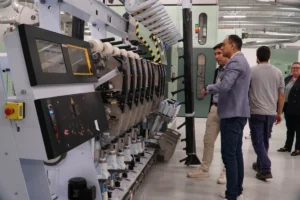
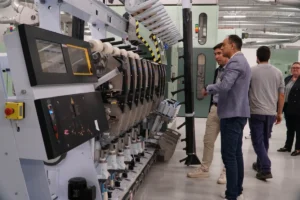
- Technological Advancement and Automation: While labor costs have risen, Chinese manufacturers have responded by investing heavily in automation and advanced manufacturing technologies. This allows them to maintain efficiency and quality, even with higher labor expenses. Brands seeking high-tech production capabilities, specialized finishes, or complex garment construction often find China to be the most capable partner.
- Scale and Capacity: For large-scale production runs, China’s sheer manufacturing capacity remains a significant advantage. Many global brands require the ability to produce millions of garments annually, and China is one of the few countries that can consistently meet such demands.
- Quality Control and Expertise: Over decades of producing for global markets, China has developed robust quality control mechanisms and a deep understanding of international quality standards. Many factories have sophisticated R&D departments and experienced teams capable of working closely with brands on product development and innovation.
- Geographic Proximity to Key Markets: While not as close as some domestic production options, China offers a relatively advantageous geographical position for supplying major Western markets compared to some of the newer emerging hubs, especially when considering shipping times and costs for bulk orders.
A Timeline of Shifting Sourcing Dynamics
The shift in sourcing away from a sole reliance on China has been a gradual evolution rather than an abrupt event.
- Early 2000s – Dominance Established: Following its accession to the World Trade Organization (WTO) in 2001, China rapidly solidified its position as the global leader in apparel manufacturing, benefiting from low labor costs and preferential trade access.
- Late 2000s – Early Signs of Change: As China’s economy grew and labor costs began to rise, countries like Bangladesh and Vietnam started to gain traction as alternative sourcing options, particularly for basic apparel categories.
- Mid-2010s – Diversification Gains Momentum: Increasing concerns over rising wages in China, coupled with a growing awareness of ethical sourcing and labor practices, encouraged more brands to explore diversification. The "China Plus One" strategy began to be more widely adopted.
- Late 2010s – Geopolitical Factors Emerge: Escalating trade tensions between the United States and China introduced an element of uncertainty, further accelerating the push for supply chain diversification to mitigate tariff risks and geopolitical instability.
- Early 2020s – Pandemic Accelerates Trends: The COVID-19 pandemic exposed the vulnerabilities of highly concentrated supply chains. Lockdowns, shipping disruptions, and production halts in China underscored the need for greater resilience and geographical dispersion of manufacturing. This period saw a significant acceleration in brands reassessing their sourcing footprints.
- Mid-2020s and Beyond – A Balanced Approach: Projections for 2026 and beyond indicate a more balanced sourcing landscape. While China’s share may decrease from its peak, it is expected to remain a crucial player, particularly for higher-value, technologically advanced, or large-scale production. Vietnam, Bangladesh, India, and other emerging economies will continue to grow their apparel export capabilities, forming a more diversified global sourcing network.
Supporting Data and Industry Insights
Industry analysis consistently supports the notion of a diversified sourcing strategy. Reports from organizations like the World Trade Organization (WTO), the International Textile Manufacturers Federation (ITMF), and various market research firms provide quantitative evidence.
For example, data from the WTO might show that while China’s share of global apparel exports has seen a marginal decline in recent years, it still represents a significant portion, often exceeding 30% of the total. Conversely, the market share of countries like Vietnam and Bangladesh has shown a steady increase, reflecting their growing capabilities and the strategic decisions of global brands.
A 2023 report by McKinsey & Company on the state of fashion highlighted that while the apparel industry’s reliance on China has lessened, it remains a vital component of the global supply chain. The report emphasized that the diversification is not an abandonment but a strategic risk-management exercise, leading to a more complex and multi-polar sourcing environment.
Furthermore, surveys of apparel industry executives frequently indicate that while diversifying, they are not looking to eliminate China from their sourcing mix entirely. Instead, they are strategically allocating different types of production to different regions. For instance, more complex, design-intensive, or high-tech garments might still be best suited for China, while more basic or labor-intensive items might be produced in countries with lower wage structures.
Official Responses and Industry Perspectives
While specific official statements from the Chinese government directly addressing this shift in sourcing are rare, the Chinese Ministry of Commerce has consistently emphasized its commitment to maintaining a stable and open business environment for foreign investment and trade. Their focus has been on upgrading its industrial capabilities, promoting innovation, and enhancing the competitiveness of its manufacturing sector. This includes investing in automation, sustainable production practices, and developing higher-value segments of the apparel industry.
Industry leaders and trade associations have also weighed in on this evolving landscape. Representatives from apparel manufacturing associations in countries like Vietnam and Bangladesh have actively promoted their countries as reliable and competitive sourcing partners, highlighting investments in infrastructure, workforce training, and trade agreements.
Conversely, global brands and retailers, while publicly acknowledging the need for diversification, often maintain a pragmatic approach. Their statements typically emphasize a desire for supply chain resilience, risk mitigation, and access to diverse manufacturing capabilities. They often highlight the importance of long-term partnerships and the need to work with suppliers who can meet their evolving demands for quality, sustainability, and ethical production. The prevailing sentiment among these stakeholders is that a diversified sourcing strategy, rather than a complete withdrawal from any single market, is the most effective approach to navigating the complexities of the global apparel industry.
Broader Impact and Implications
The ongoing recalibration of apparel sourcing has several significant implications for the global economy and the fashion industry:
- Increased Supply Chain Complexity: Brands and retailers are now managing more intricate and geographically dispersed supply chains. This requires enhanced supply chain management expertise, greater investment in technology for visibility and tracking, and more sophisticated risk assessment tools.
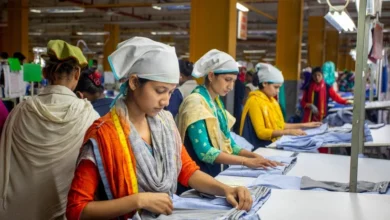
- Economic Development in Emerging Markets: The growth of apparel manufacturing in countries like Vietnam, Bangladesh, and India has significant positive implications for their economies, creating jobs, boosting export revenues, and contributing to overall development. However, it also necessitates a focus on ensuring that this growth is sustainable and adheres to fair labor practices and environmental standards.
- Potential for Price Fluctuations: While diversification aims to reduce risk, shifts in sourcing can also lead to temporary price fluctuations due to changes in production costs, shipping logistics, and currency exchange rates.
- Focus on Sustainability and Ethical Practices: As brands diversify, there is an increased emphasis on ensuring that all sourcing partners adhere to stringent sustainability and ethical labor standards. This drives investment in cleaner production technologies, fair wages, and safe working conditions across a wider range of countries.
- Innovation and Specialization: The evolving landscape encourages specialization. China may increasingly focus on high-tech manufacturing, advanced materials, and luxury production, while other countries develop expertise in specific garment types or production processes. This could lead to greater innovation across the entire industry.
- Geopolitical Sensitivity: The apparel industry’s sourcing decisions are increasingly intertwined with geopolitical considerations. Brands must remain attuned to international relations, trade policies, and regional stability when making strategic sourcing choices.
In conclusion, the narrative surrounding China’s role in global apparel sourcing is one of evolution, not obsolescence. While its dominant position is being challenged by the strategic imperative of diversification, China’s inherent strengths in infrastructure, technology, and scale ensure its continued relevance in 2026 and beyond. The future of apparel sourcing lies in a more balanced, multi-polar ecosystem, where countries collaborate and compete to meet the diverse needs of a dynamic global market, with China remaining a pivotal, albeit strategically positioned, player.