Deckers Brands Exceeds Q1 Expectations Driven by Hoka’s Strong Performance, While Analysts Weigh Future Growth Trajectories

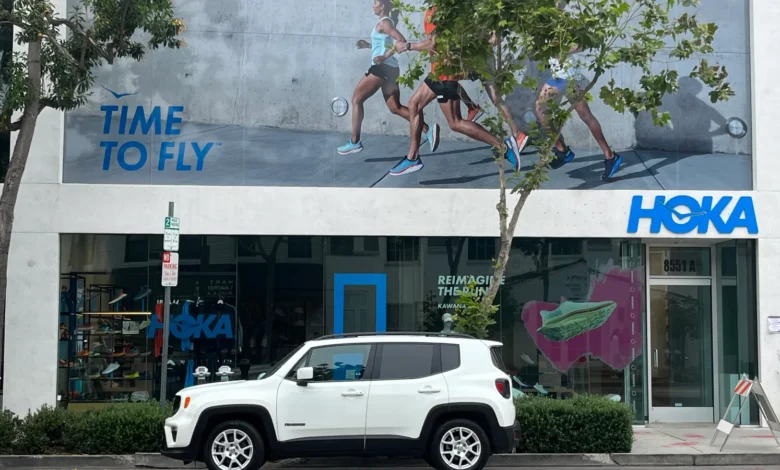
Deckers Brands, the global footwear and apparel company known for its diverse portfolio including the high-performing Hoka and the iconic Ugg, has announced a robust first-quarter performance that surpassed market expectations. The company’s results, published on July 24, 2026, highlighted Hoka’s dominant contribution to net sales, signaling the brand’s continued ascent in the athletic footwear market. However, despite the strong showing, a divergence in analyst sentiment has emerged, with some observers questioning the sustainability of Hoka’s rapid growth trajectory and its ability to maintain momentum in an increasingly competitive landscape.
Q1 Performance Highlights and Strategic Drivers
In the first quarter, Deckers Brands reported a significant beat on consensus estimates, underscoring the effectiveness of its brand strategies and operational execution. A key driver of this success was Hoka, which contributed over $703 million in net sales, dwarfing Ugg’s still respectable $278 million during the same period. This substantial difference underscores Hoka’s pivotal role as the growth engine for the Deckers portfolio, solidifying its position as a major player in the global performance and lifestyle footwear sectors.
Hoka’s growth was primarily propelled by its direct-to-consumer (DTC) channels, which saw an impressive 17% increase in sales during the quarter. This robust DTC performance is indicative of the brand’s successful efforts in building direct relationships with its customer base, enhancing brand loyalty, and capturing higher margins by bypassing traditional wholesale intermediaries. In contrast, Hoka’s wholesale segment experienced a more modest 3% rise, primarily driven by the U.S. market. This channel performance suggests a strategic shift towards prioritizing direct engagement and controlled distribution, a common trend among premium brands seeking to manage brand image and pricing integrity.
Deckers Brands’ CEO, Stefano Caroti, articulated a clear vision for Hoka’s continued expansion. He emphasized plans to "expand consumer participation through a more differentiated product portfolio, growing international reach, and building an innovation pipeline that continues to elevate the brand." This multi-pronged strategy aims to broaden Hoka’s appeal beyond its core running community, tapping into new demographics and usage occasions. The company anticipates Hoka will accelerate its growth in the second half of the year, maintaining a high-single-digit percentage growth rate, while Ugg is projected to sustain its mid-single-digit growth rate.
For Ugg, the strategy centers on "broadening relevance across seasons, categories, and consumer segments, creating new avenues for long-term growth." Historically known for its iconic sheepskin boots, Ugg has been diligently working to diversify its product offerings to shed its seasonal reliance and appeal to a wider audience throughout the year, including sandals, sneakers, and apparel. This diversification is crucial for transforming Ugg into a year-round lifestyle brand and reducing its exposure to seasonal demand fluctuations.
Analyst Perspectives: Optimism Tempered by Caution
The Q1 earnings call sparked a range of reactions from financial analysts, reflecting both confidence in Deckers’ current trajectory and prudent considerations regarding future challenges.
Tom Nikic, a leading analyst at Needham, expressed continued confidence in Deckers Brands, noting that both Hoka and Ugg are "growing nicely (even if the growth isn’t as exceptional as it once was)." Nikic’s client note highlighted several positive indicators, including "solid DTC trends, favorable inventory/margin dynamics, and compelling valuation," suggesting that the company’s financial health and market positioning remain strong. This perspective underscores a belief in the fundamental soundness of Deckers’ business model and its ability to generate consistent, albeit potentially more moderate, growth.
Jay Sole, an analyst at UBS, pointed to a potential undervaluation of Hoka’s strategic moves, arguing that "the market could be undervaluing the progress Hoka is making in diversifying its product assortment." Sole emphasized that this diversification is "expanding Hoka’s [total addressable market] and driving market share gains." He specifically cited the successful reception of Hoka’s new Clifton 11 and Clifton Pro styles, noting their effectiveness in attracting a "younger, male consumer." This analysis suggests that Hoka’s ability to innovate and broaden its product appeal is a significant strength that may not be fully priced into the company’s valuation, indicating future upside potential.
However, a more cautious outlook was articulated by Ike Boruchow of Wells Fargo. Boruchow’s analysis highlighted that Hoka’s full-year strength is heavily reliant on its performance in the second half of the year. He noted that while Deckers still expects Hoka net sales to increase by a low-double-digit percentage compared to the previous year, this projection is "below expectations." Boruchow warned that "near-term, some investors may view this as a visible deterioration in Hoka demand," indicating a potential for market apprehension if Hoka’s growth does not accelerate as anticipated in the latter half of the fiscal year. This concern points to the high expectations placed on Hoka and the sensitivity of investor sentiment to any signs of slowing momentum.
Background and Evolution of Deckers Brands
Deckers Brands has a rich history dating back to 1973, initially as a sandal manufacturer. Over the decades, it has strategically acquired and developed a portfolio of distinctive footwear brands, each catering to specific market segments.

Ugg, acquired in 1995, became a global phenomenon, particularly in the early 2000s. Its iconic sheepskin boots redefined comfort footwear and transitioned from a niche surf brand to a mainstream fashion staple. While Ugg has faced challenges in maintaining consistent growth due to its strong seasonal association and occasional shifts in fashion trends, it has demonstrated remarkable resilience. The brand’s ongoing strategy to diversify into year-round offerings like sneakers, slippers, and apparel, along with collaborations and marketing campaigns, aims to ensure its enduring relevance. Ugg’s enduring brand recognition and loyal customer base continue to provide a stable revenue stream for Deckers.
Hoka, founded in 2009 and acquired by Deckers in 2012, represents a more recent, yet explosive, success story. Initially a niche brand for ultra-runners, Hoka pioneered the "maximalist" running shoe concept, characterized by oversized midsoles providing superior cushioning and stability. This unique selling proposition quickly resonated with a broader audience, including everyday runners, walkers, and increasingly, lifestyle consumers. Hoka’s rise has been meteoric, driven by its distinctive aesthetics, performance benefits, and effective grassroots marketing within the running community. Its expansion into trail running, hiking, and casual lifestyle categories has significantly broadened its appeal and market reach. The brand’s consistent innovation in materials and design has kept it at the forefront of the performance footwear market.
Deckers’ portfolio also includes other brands such as Teva (sandals), Sanuk (footwear and sandals), and Koolaburra by Ugg (affordable sheepskin footwear), showcasing its diversified approach to the footwear market. However, Hoka and Ugg remain the dominant revenue drivers and the primary focus of investor attention.
Industry Trends and Competitive Landscape
The global athletic footwear market is a dynamic and intensely competitive arena, driven by several overarching trends. The increasing emphasis on health and wellness, coupled with the enduring popularity of athleisure wear, continues to fuel demand for performance and comfort-oriented footwear. Consumers are increasingly seeking versatile shoes that can transition seamlessly from athletic activities to casual daily wear.
Hoka operates within a crowded space alongside established giants like Nike, Adidas, and New Balance, as well as rapidly growing competitors such as Brooks Running, On Running, and Salomon. Hoka’s success can be attributed to its ability to carve out a distinct identity with its maximalist cushioning philosophy, differentiating itself from competitors who often focus on minimalist designs or traditional cushioning technologies. Its strong performance in the running specialty retail channel, combined with its burgeoning lifestyle appeal, has allowed it to capture significant market share.
The broader retail landscape has also seen a profound shift towards direct-to-consumer sales, a trend that Deckers Brands has effectively capitalized on with Hoka. This shift allows brands greater control over their narrative, customer experience, and pricing, while also offering richer data insights into consumer preferences. The ability to engage directly with consumers through e-commerce platforms, brand-specific retail stores, and targeted digital marketing campaigns is a critical competitive advantage in today’s market.

Broader Impact and Implications
Deckers Brands’ Q1 performance and the subsequent analyst reactions highlight several key implications for the company and the broader footwear industry.
For Hoka, the central challenge moving forward will be to sustain its impressive growth rate while expanding its market reach. The brand’s strategy of product diversification, international expansion, and continuous innovation is vital. Successfully attracting a "younger, male consumer," as noted by UBS, is crucial for broadening its demographic appeal beyond its traditional female-dominated running base. However, rapid diversification also carries risks, including potential brand dilution if new product lines stray too far from Hoka’s core identity or if the market becomes saturated with maximalist designs. Maintaining authenticity and performance credibility will be paramount.
For Ugg, the successful execution of its year-round relevance strategy is key to unlocking new growth avenues. Expanding into categories beyond its signature boots, while maintaining its core comfort and quality attributes, will determine its ability to mitigate seasonal revenue volatility and capture a larger share of the lifestyle footwear market. The brand’s ability to adapt to evolving fashion trends while preserving its classic appeal will be a delicate balancing act.
From a portfolio management perspective, Deckers Brands faces the ongoing task of balancing investment and strategic focus across its diverse brands. While Hoka is currently the clear growth leader, Ugg remains a significant and profitable contributor. The company must ensure that its strategies for both brands are complementary and contribute to the overall strength and resilience of the Deckers portfolio.
Economically, the retail sector continues to navigate complex headwinds, including fluctuating consumer spending patterns, inflationary pressures, and supply chain complexities. Deckers’ strong Q1 performance suggests a degree of resilience, but the broader economic environment will undoubtedly influence consumer demand for premium footwear. The company’s ability to manage inventory effectively, maintain healthy margins, and adapt to changing market conditions will be crucial for sustained success.
Investor sentiment, as evidenced by the mixed analyst views, will likely remain sensitive to Hoka’s growth trajectory in the coming quarters. Any significant deviation from projected acceleration in the second half of the year could lead to market adjustments. Conversely, if Hoka continues to outperform and successfully executes its diversification and international expansion plans, it could further solidify Deckers Brands’ position as a leading innovator and performer in the global footwear market. The narrative for Deckers Brands in the latter half of 2026 will undoubtedly be defined by Hoka’s continued momentum and Ugg’s successful seasonal diversification.