How Luxury Resorts and Boutique Hotels Became the Ultimate Retail Showrooms for Modern Brands

The traditional brick-and-mortar storefront is undergoing a profound evolution, with modern brands increasingly bypassing conventional retail leases to set up shop in some of the world’s most picturesque resorts and boutique hotels. Amid rising customer acquisition costs through digital channels and increasingly crowded advertising ecosystems, companies ranging from luxury fashion labels to direct-to-consumer appliance manufacturers are turning hospitality spaces into immersive showrooms. By embedding their products directly into the vacation experience, these brands are banking on a simple psychological truth: consumers are more receptive to marketing when they are relaxed, inspired, and away from the daily grind.
This shift comes at a time when travel and experiential spending remain remarkably resilient, particularly among younger demographics. According to data from the U.S. Travel Association, domestic travel spending is projected to grow steadily, while consumer surveys from organizations like PwC indicate that vacationers continue to allocate significant funds toward shopping and souvenirs. Recognizing that travelers spend hours relaxing in hotel rooms, planning itineraries, or browsing local boutiques, brands are seizing the opportunity to capture high-intent audiences in moments of peak leisure.
The Strategy Behind Hospitality Partnerships
The integration of retail and hospitality is not entirely new, but its scale and sophistication have expanded dramatically in recent years. Historically, hotel partnerships were limited to basic amenity placements, such as generic shampoo bottles or complimentary stationery. Today, however, these collaborations have transformed into sophisticated marketing ecosystems that leverage experiential design, localized merchandising, and influencer-driven content creation.
Brands are utilizing hotels as physical extensions of their digital marketing funnels. Rather than relying solely on traditional banner ads or social media campaigns, companies can offer hands-on product interactions that forge deeper emotional connections with prospective buyers. Whether it is a guest sleeping on a luxury mattress, trying out a newly designed appliance, or browsing a hyper-localized apparel capsule collection, the hotel room acts as a high-end testing ground where consumers can experience the utility and aesthetic appeal of a brand firsthand.
Furthermore, this strategy addresses a core friction point in modern commerce: consumer fatigue with digital noise. As online advertising becomes increasingly expensive and heavily saturated, brands are finding that physical immersion yields higher-quality engagement. Vacationers are naturally primed to explore new ideas, seek out local culture, and bring home unique mementos, making them ideal targets for curated brand activations.
Case Studies: From HVAC Systems to High Fashion
The diversity of brands embracing this model highlights its broad applicability across industries. Companies that traditionally relied on traditional retail distribution are finding innovative ways to insert themselves into the hospitality landscape.
Take, for instance, the direct-to-consumer heat pump manufacturer Quilt. Operating on a complex business-to-business-to-consumer model, the company sells electric heat pumps primarily to professional installers who subsequently market them to homeowners. Because HVAC systems represent a low-frequency, high-consideration purchase category characterized by historically low consumer brand loyalty, generating awareness has long presented a challenge.
To overcome this hurdle, Quilt began equipping guest rooms at boutique destinations such as California’s Madrona Hotel and New York’s Hotel Lilien with its modern heat pumps. Instead of encountering the appliance in the sterile environment of a big-box hardware store, guests can interact with the product naturally within a stylish, comfortable room setting. The company complemented these physical placements with targeted influencer activations, such as an upstate New York retreat dubbed "Camp Cool," which brought home-design creators to the property. The resulting user-generated content yielded millions of impressions, effectively turning the hotel into a content studio while demonstrating the aesthetic viability of a home climate appliance.
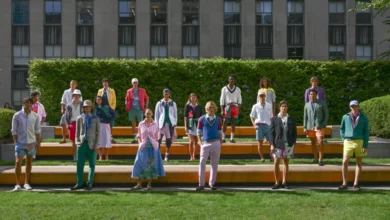
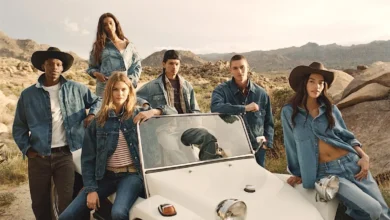
In the luxury apparel sector, designer label Lela Rose has similarly leveraged resort partnerships to expand its geographic footprint without the prohibitive overhead of permanent standalone stores. Operating on the philosophy that its collections are best appreciated in lived-in, intimate spaces, the brand executed a series of high-profile summer activations. These included a three-day pop-up at Caldera House in Wyoming and a curated retail installation at Montage Big Sky in Montana, timed to coincide with a major local event. By offering exclusive, locally tailored merchandise—such as hand-embroidered Western wear—Lela Rose was able to introduce its label to affluent travelers, with an impressive majority of pop-up shoppers representing customers completely new to the brand.
Other notable examples span multiple sectors. Hospitality giant Marriott has integrated experiential retail directly into its business model by allowing guests to purchase the exact decor, linens, and furnishings featured in its hotel rooms. Meanwhile, sustainable home goods brand Public Goods has built a thriving B2B revenue stream by supplying refillable toiletries to boutique properties and short-term rentals, driving significant organic customer acquisition as vacationers experience the items firsthand and subsequently seek them out online.
Economic and Behavioral Drivers
The pivot toward hospitality-based retail is supported by broader economic trends and evolving consumer behavior patterns. Market research indicates that modern consumers—particularly Millennials and Generation Z—systematically prioritize experiences over material accumulation. However, when these experiences are paired with tactile, tangible products, the resulting emotional resonance is powerful.
When a traveler checks into a luxury resort, they are actively constructing an ideal version of their lifestyle. Brands that align themselves with this aspirational mindset capitalize on the "halo effect" of the destination. If a traveler encounters a specific brand of artisanal soap, wears a designer capsule collection tailored to a mountain getaway, or utilizes a sleek home climate control system while on vacation, those items become physical anchors for positive memories.
Michael Ferchak, co-founder and COO of Public Goods, noted that this experiential exposure bypasses the skepticism often associated with traditional digital advertising. When consumers test a product over the course of a multi-day stay, they are able to evaluate its performance authentically. This sustained engagement has proven especially valuable for consumable and everyday-use goods, translating into higher conversion rates once the consumer returns home.
Similarly, Erin Anderson, president and COO of Lela Rose, emphasized that vacationers frequently seek out mementos that allow them to carry a piece of their travel experience back into their daily lives. By curating merchandise specifically suited to the culture of the destination—whether rodeo-inspired wear in Montana or alpine gear in Wyoming—brands satisfy the consumer’s desire for authenticity while simultaneously driving retail sales.
Broader Implications for the Retail Industry
As the line between hospitality and retail continues to blur, the implications for commercial real estate, marketing budgets, and brand strategy are significant. Traditional shopping malls and high-street storefronts face mounting pressure as consumer foot traffic shifts toward experiential hubs. In response, landlords and retail executives are reevaluating how physical spaces are utilized, paving the way for hybrid concepts where hospitality groups and retail brands form symbiotic partnerships.
For emerging brands, partnering with established hotels offers a capital-efficient alternative to signing long-term commercial leases in expensive metropolitan markets. Instead of investing heavily in permanent infrastructure, brands can deploy pop-up installations, room integrations, and seasonal residencies that align precisely with peak tourism cycles. This flexibility allows companies to test new regional markets, gather immediate consumer feedback, and refine their product offerings with minimal financial risk.
Conversely, hotels benefit by enhancing the overall guest experience. In an increasingly competitive hospitality market, travelers—particularly affluent and design-conscious demographics—look for unique, curated stays that offer a sense of place and discovery. By integrating cutting-edge home appliances, exclusive fashion capsules, and premium sustainable toiletries, hotels elevate their own value proposition and provide guests with memorable, highly shareable moments.
Looking ahead, industry analysts expect hospitality-based marketing to remain a core pillar of modern brand growth strategies. As digital acquisition channels become cost-prohibitive and consumer demand for authentic, place-based experiences remains high, the hotel room will likely solidify its status as one of the most effective and versatile showrooms in modern commerce.