Kelli Donovan: Pioneering a Sustainable Revolution in the Global Fashion Industry

The global fashion industry, valued at approximately $2.5 trillion, stands at a precarious crossroads as it grapples with the environmental fallout of decades of rapid expansion. Amidst this backdrop of overproduction and environmental degradation, Australian designer Kelli Donovan has emerged as a vocal advocate for systemic change, bridging the gap between high-end aesthetics and rigorous ethical standards. With a career spanning three decades, Donovan has transitioned from a traditional designer to a prominent figure in the movement against ultra-fast fashion, utilizing her platform to address issues ranging from textile waste in marine ecosystems to the loss of traditional tailoring crafts.
The Origins of a Conscious Aesthetic
Born and raised in Canberra, the "bush capital" of Australia, Donovan’s formative years were defined by a symbiotic relationship with the natural landscape. Unlike many urban fashion hubs where the industry is insulated from the environment, Canberra’s geography—characterized by rugged mountains, expansive bushland, and a culture deeply rooted in outdoor recreation—instilled in the designer an early appreciation for the intrinsic value of nature. This environment fostered a creative lineage, with Donovan coming from a family of artists who encouraged an observational approach to design.
This childhood connection to the outdoors served as the foundation for her professional philosophy. When Donovan entered the industry, she was confronted with a manufacturing model that prioritized speed and volume over material integrity. This dissonance between the beauty of the natural world and the destructive output of the garment sector became the catalyst for her brand’s mission: to create timeless, high-quality pieces that reject the disposable nature of contemporary fashion cycles.
The Influence of Heritage and Traditional Craft
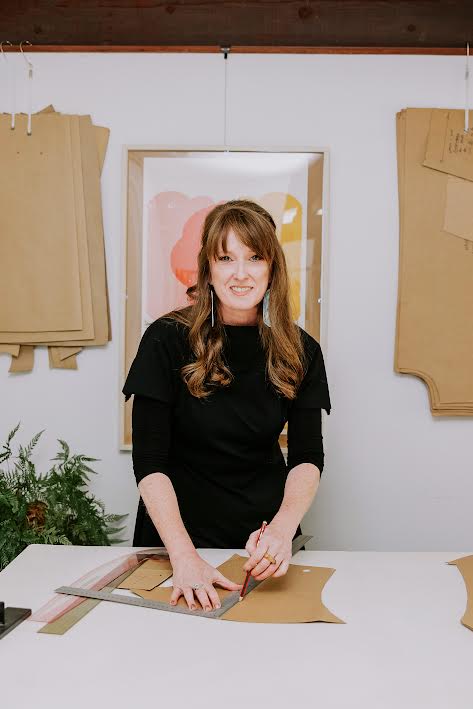
A pivotal influence on Donovan’s career is the legacy of her grandmother, Annie Muir, a Scottish tailor from Glasgow. In an era before the proliferation of synthetic fibers and globalized supply chains, Muir practiced a form of fashion that was inherently sustainable by necessity. The principle Muir imparted—that time and skill should never be wasted on inferior materials—forms the cornerstone of Donovan’s current business model.
In an interview, Donovan reflected on the profound impact of this heritage, noting that her grandmother’s insistence on using only the finest textiles and executing every stitch with deliberate intent served as a precursor to the modern "slow fashion" movement. This intergenerational transmission of knowledge is emblematic of a broader industry shift, where contemporary designers are increasingly looking toward pre-industrial manufacturing techniques to solve modern waste problems. By rejecting the "cheap cloth" mentality, Donovan has successfully translated ancestral craftsmanship into a modern business model that emphasizes durability and longevity.
The Sleeping Beauties Collection and Environmental Commentary
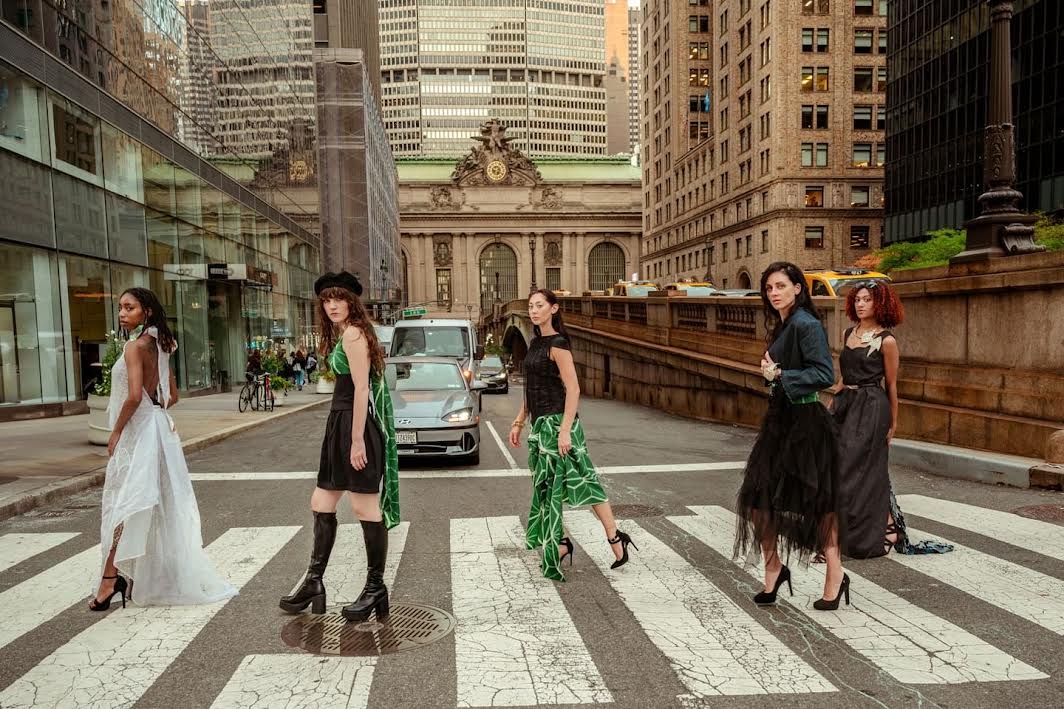
In 2024, the Metropolitan Museum of Art’s Costume Institute hosted an exhibition titled "Sleeping Beauties: Reawakening Fashion," which focused on the fragility of historical garments. While Donovan’s own collection, also titled "Sleeping Beauties," shares a name with the event, she clarifies that the thematic overlap is a coincidence born from a shared concern regarding the state of fashion.
For Donovan, the title acts as a metaphor for the state of global clothing production. She argues that massive volumes of garments remain "sleeping" in warehouses or landfills, unused and unloved, representing a profound mismanagement of resources. The collection serves as an indictment of oversupply, urging consumers to view clothing not as a transient commodity, but as a long-term investment. By producing limited, high-quality runs, Donovan’s label seeks to challenge the consumer behavior patterns that fuel the oversupply crisis, which currently sees an estimated 92 million tons of textile waste generated annually across the globe.
Marine Conservation and the Manta Ray Project
Perhaps the most notable example of Donovan’s commitment to environmental advocacy is her Manta Ray collection. This project emerged from a direct observation of the catastrophic impact of plastic and textile waste on ocean health. Statistics from environmental organizations suggest that fashion is responsible for approximately 20% of global industrial water pollution, much of which flows directly into marine environments, affecting species like the Giant Manta Ray.
The collection serves both an aesthetic and an educational purpose. By drawing inspiration from the Manta Ray—a creature that navigates the ocean with minimal environmental footprint—Donovan aims to highlight the disparity between biological harmony and industrial excess. The project encourages consumers to consider the "cradle-to-grave" lifecycle of their garments. When a consumer purchases a piece from this collection, they are participating in a narrative that prioritizes the health of the ecosystem over the convenience of synthetic, non-biodegradable materials. This approach is supported by growing consumer demand for radical transparency; studies indicate that over 60% of Gen Z and Millennial shoppers are willing to pay a premium for products with verified ethical and sustainable credentials.
Navigating the Future of Fashion: Advice for Emerging Designers
As the fashion industry faces increasing regulatory scrutiny—such as the European Union’s Strategy for Sustainable and Circular Textiles—Donovan’s advice to emerging designers is rooted in the necessity of innovation. With 30 years of experience, she emphasizes that sustainability is not merely a marketing trend but a fundamental requirement for the industry’s survival.
She advises young designers to cultivate their "unique superpower" rather than chasing ephemeral trends. Experimentation with zero-waste design patterns, the exploration of innovative circular materials, and a focus on modular construction are, in her view, the most effective ways for a new label to establish itself. Donovan argues that the early years of a designer’s career are the most critical for establishing a sustainable ethos, as it is during this phase that material habits are formed. By prioritizing longevity over trend-cycle speed, she believes the next generation of designers can dismantle the unsustainable growth models that have dominated the last century.
Broader Implications and Industry Analysis
The implications of Donovan’s work extend beyond her specific brand. She represents a growing cohort of designers who are challenging the "take-make-waste" paradigm. Economically, the move toward sustainable fashion is not without challenges. It requires higher upfront investment in sustainable supply chains, fair labor wages, and ethical sourcing, which often results in higher retail prices.
However, the analysis of the current market suggests that this shift is inevitable. As raw material costs rise and the environmental costs of production become internalized through government taxes and carbon pricing, the ultra-fast fashion model is becoming increasingly vulnerable. Donovan’s career provides a blueprint for how luxury and independent brands can thrive by focusing on the "quality over quantity" metric.
Furthermore, the integration of traditional tailoring—as seen in the influence of her grandmother—with modern environmental science creates a bridge between heritage and future-proofing. This holistic approach ensures that fashion remains a form of cultural expression while mitigating the ecological footprint that has historically tarnished the industry’s reputation.
Conclusion
Kelli Donovan’s trajectory from a childhood in the Australian bush to a leading voice in sustainable design illustrates the power of aligning professional practice with personal values. By tackling issues such as oversupply, marine pollution, and the erosion of artisan skills, she has created a framework for what a responsible fashion industry could look like in the 21st century.
As the industry continues to evolve, the lessons derived from her work remain clear: sustainability is not an accessory to the design process; it is the core of it. For consumers, the takeaway is an invitation to be more discerning, to view their wardrobes as a collection of thoughtful choices rather than disposable goods. For the industry, Donovan serves as both a critic and a pioneer, proving that aesthetic excellence and environmental stewardship are not mutually exclusive, but rather the two essential pillars of the future of fashion. Through her commitment to timeless design and her refusal to participate in the cycle of waste, she provides a roadmap for a more sustainable, ethical, and beautiful industry.