Aleixandri Studio Turns the Runway Into a Sanctuary for the Outsiders at 080 Barcelona Fashion

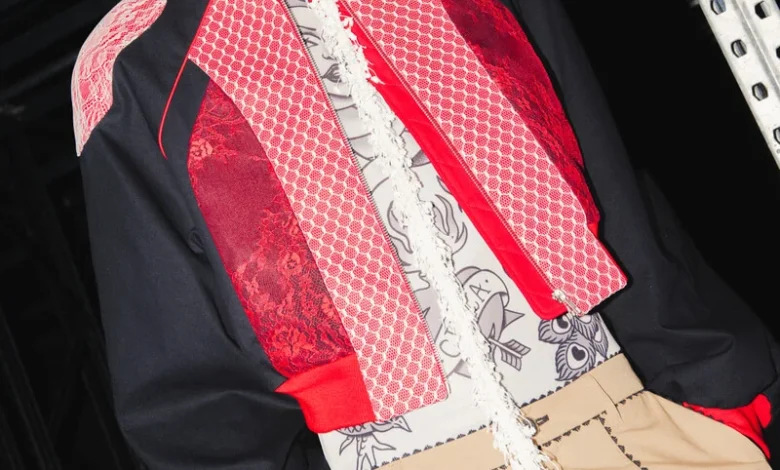
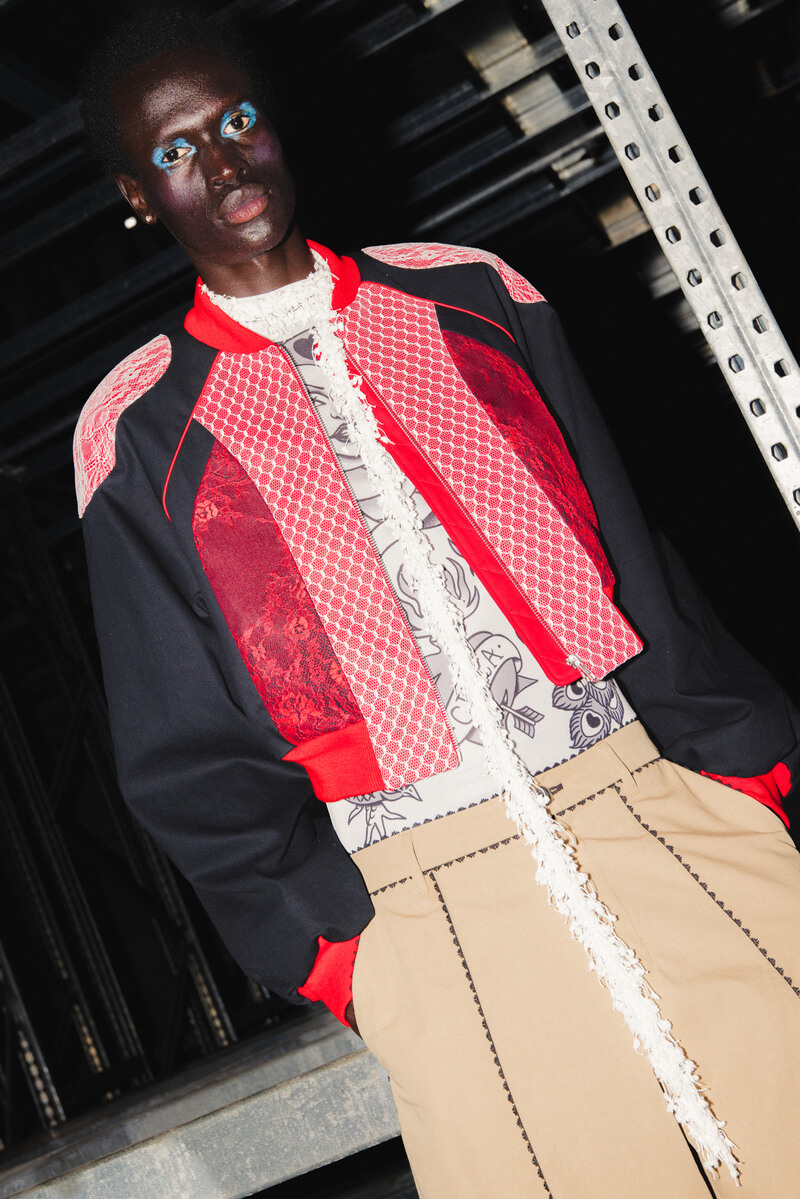
The 080 Barcelona Fashion event serves as a pivotal stage for designers to challenge the status quo, and this season, Aleixandri Studio has solidified its reputation as a disruptor of the traditional fashion narrative. Marc Aleixandri’s latest collection, titled CIRCA, emerged as a definitive exploration of identity, subverting the historical constraints of dress to make room for those who have historically existed on the periphery of conventional beauty standards. By blending the aesthetic sensibilities of Victorian-era extravagance with the raw, chaotic energy of underground club culture and the historical intrigue of the freak show, the collection transcends simple garment design, acting instead as a manifesto for personal expression.
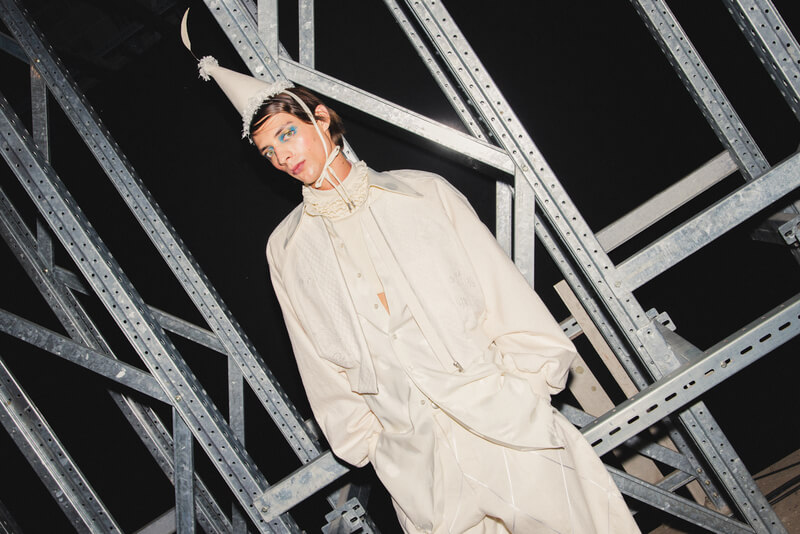
The presentation at the Recinte Modernista de Sant Pau underscored a growing movement within the Spanish fashion industry—a shift away from commercial homogenization toward a more visceral, emotive approach to design. For Aleixandri, the runway is not a place for mass-market assimilation; it is a laboratory where corsetry is deconstructed, silhouettes are exaggerated to the point of theatricality, and the wearer is invited to occupy space with unadulterated confidence.
A Chronology of Artistic Evolution
The trajectory of Aleixandri Studio has been marked by a consistent interest in the intersection of historical rigor and modern subversion. Since its inception, the label has prioritized a "maximalist-minimalist" tension, where the precision of construction meets the fluidity of gender-nonconforming design.
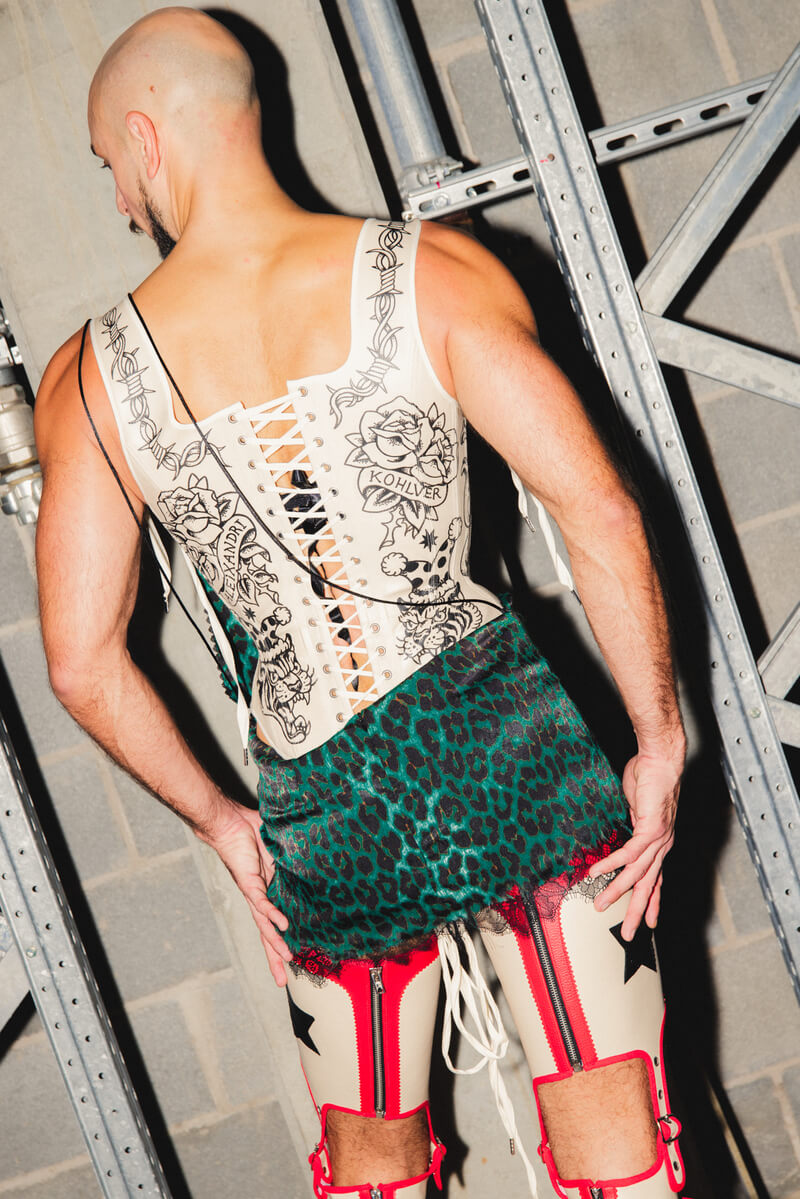
In the lead-up to the 080 Barcelona Fashion showcase, the studio underwent an intensive period of archival research. This process involved an examination of 19th-century foundation garments, not as rigid tools of bodily restriction, but as sculptural elements that could be reconfigured to celebrate the body rather than suppress it. The resulting collection, CIRCA, represents the culmination of this research, arriving at a time when the global fashion market is increasingly polarized between ultra-fast-fashion consumption and the artisanal, "slow" fashion movement that emphasizes narrative over volume.
Contextualizing the Collection: The Freak Show and Club Culture
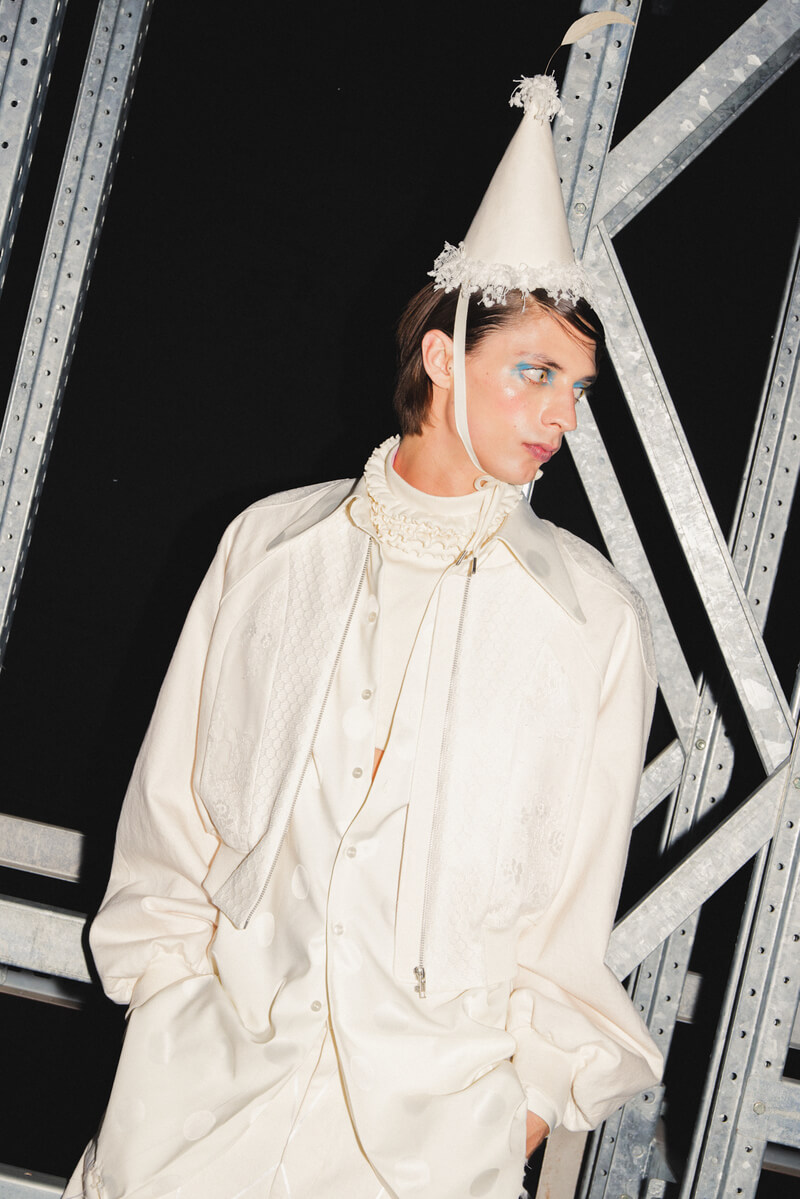
The thematic inspiration of CIRCA—the freak show—is often misunderstood as a reference to exploitation. However, in the context of Aleixandri’s work, the "freak" is reclaimed as a symbol of the ultimate outsider, someone whose difference is not a burden to be borne, but a source of power. By channeling this energy, Aleixandri aligns his brand with the ethos of club culture, where the dance floor provides a temporary, sacred space for the disenfranchised to define their own image.
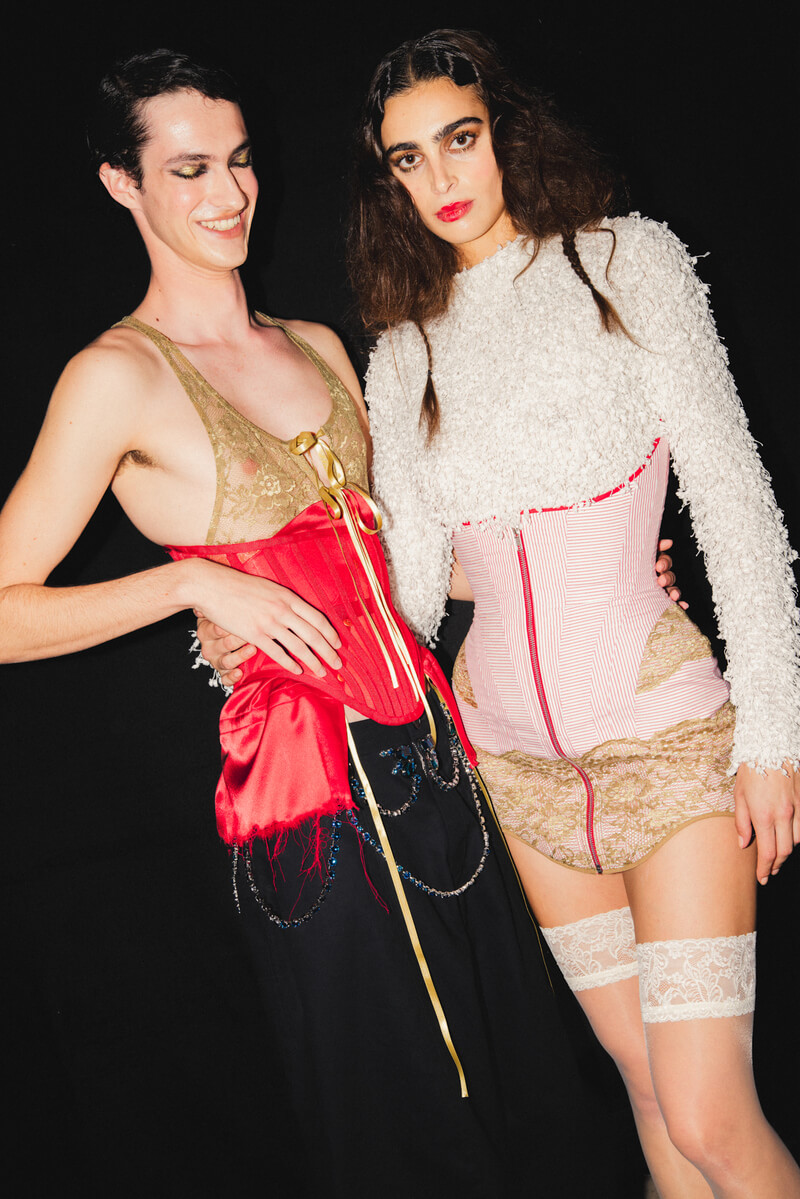
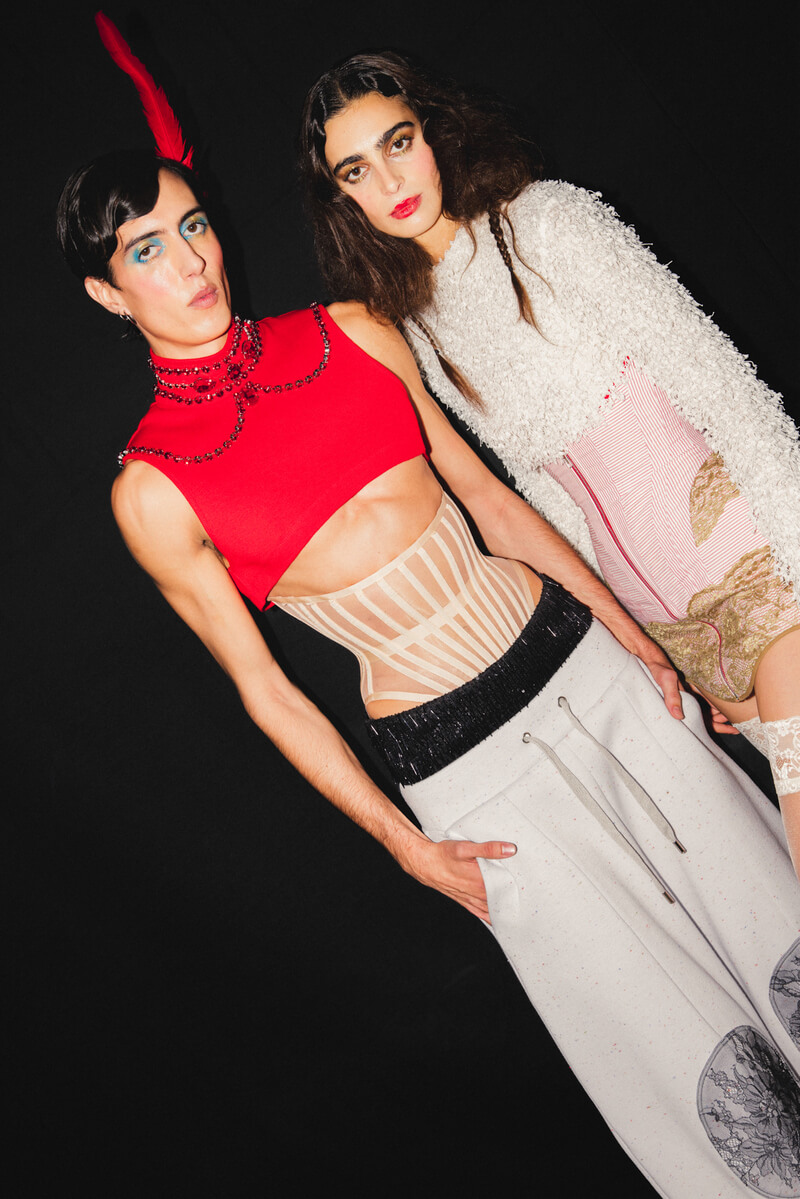
The fusion of Victorian lace and structural boning with the subversive, club-ready attitude of the modern day creates a distinct aesthetic language. The garments serve as a visual bridge between the rigid societal structures of the past and the fluid, liberated social structures of the present. This synthesis is not merely decorative; it is a calculated effort to force the viewer to confront the inherent artificiality of what we define as "normal" attire.
Data and Market Implications
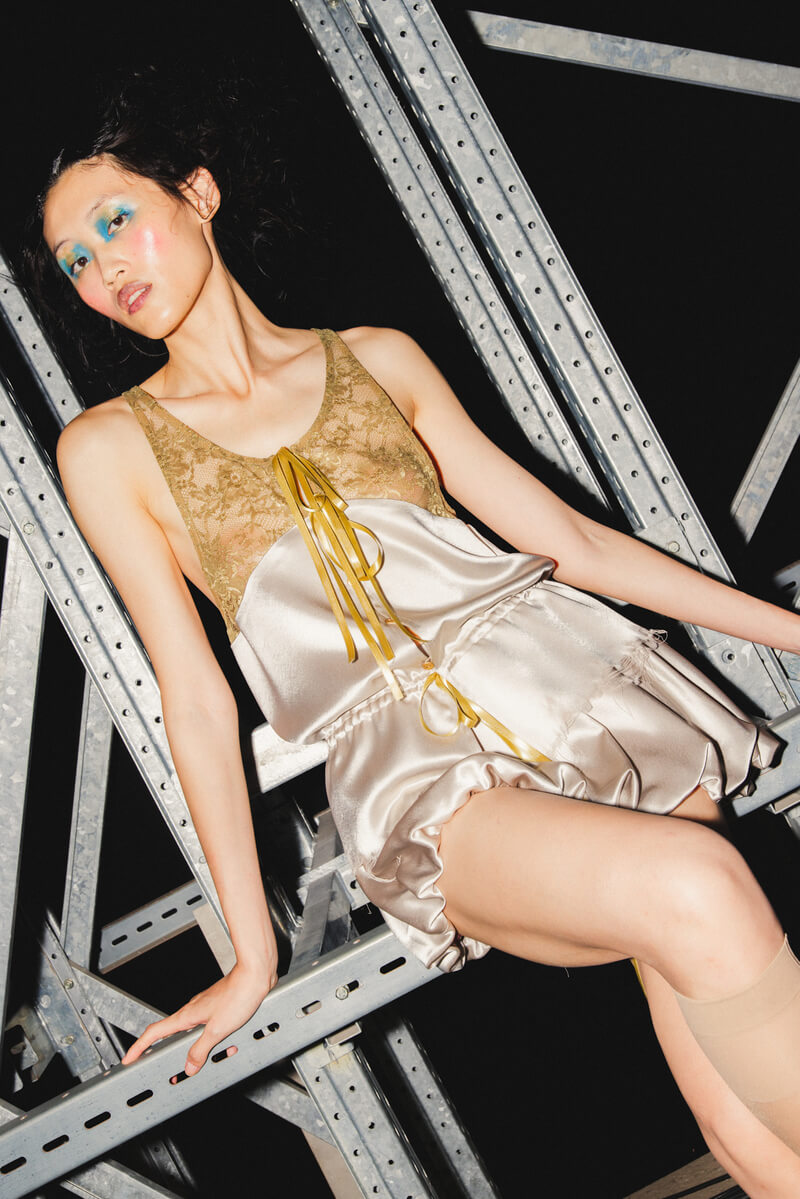
The Spanish fashion sector has faced significant pressure in recent years to modernize while maintaining its commitment to craftsmanship. Data from the 080 Barcelona Fashion organizing committee indicates that emerging designers who prioritize sustainable production and identity-based storytelling are seeing an increase in international buyer interest. Aleixandri Studio’s emphasis on "slow-made" pieces, which often utilize repurposed materials or deadstock fabrics, aligns with this broader economic trend.
While traditional luxury houses often rely on celebrity endorsements and global advertising campaigns to drive interest, labels like Aleixandri Studio rely on the "community-first" model. By targeting the digital-native generation that values authentic, unapologetic expression, the brand has managed to build a loyal following that transcends traditional retail metrics. The collection’s success at 080 Barcelona suggests that there is a robust, untapped market for high-concept, avant-garde design that refuses to compromise for the sake of mass accessibility.
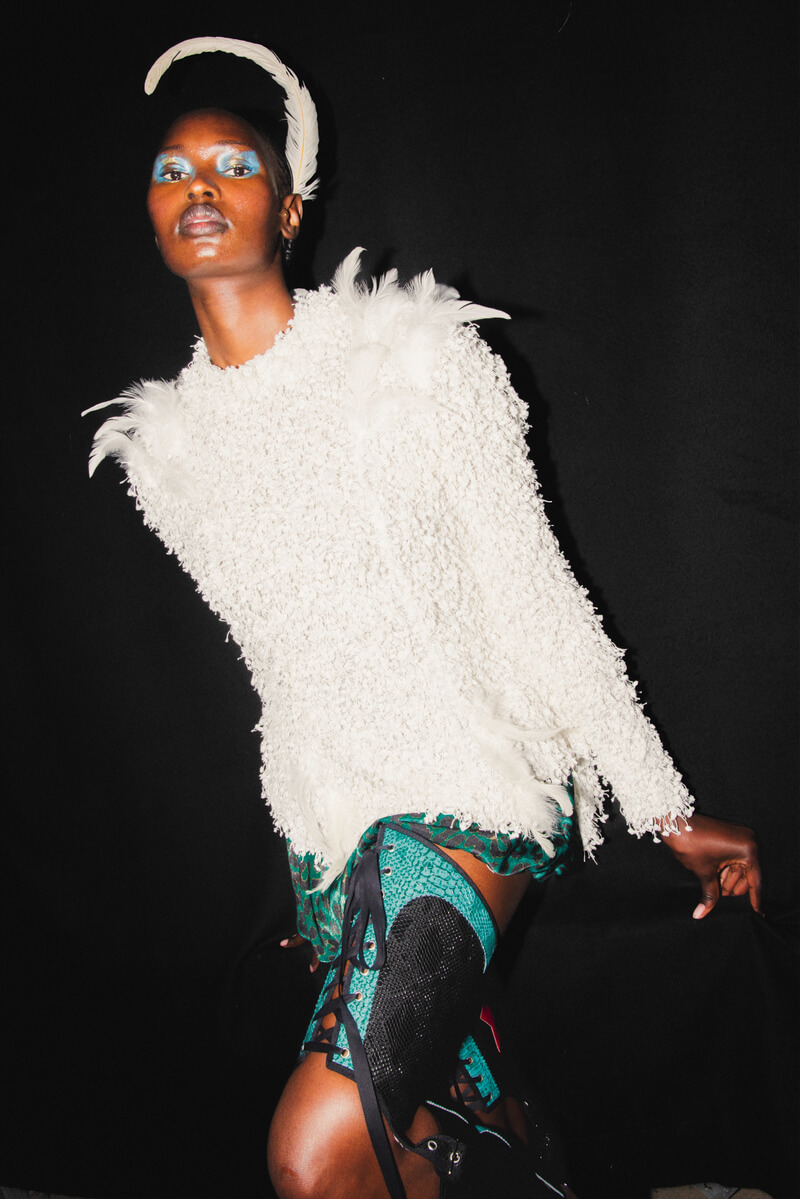
The Philosophy of "Too Much"
At the heart of the CIRCA collection lies a psychological proposition: the act of "correcting" oneself to accommodate the comfort of others is a form of cultural erasure. Aleixandri’s design philosophy posits that fashion is a language of resistance. When an individual adopts an aesthetic that is considered "too much"—too loud, too structured, too ornamental—they are engaging in an act of reclaiming their own agency.
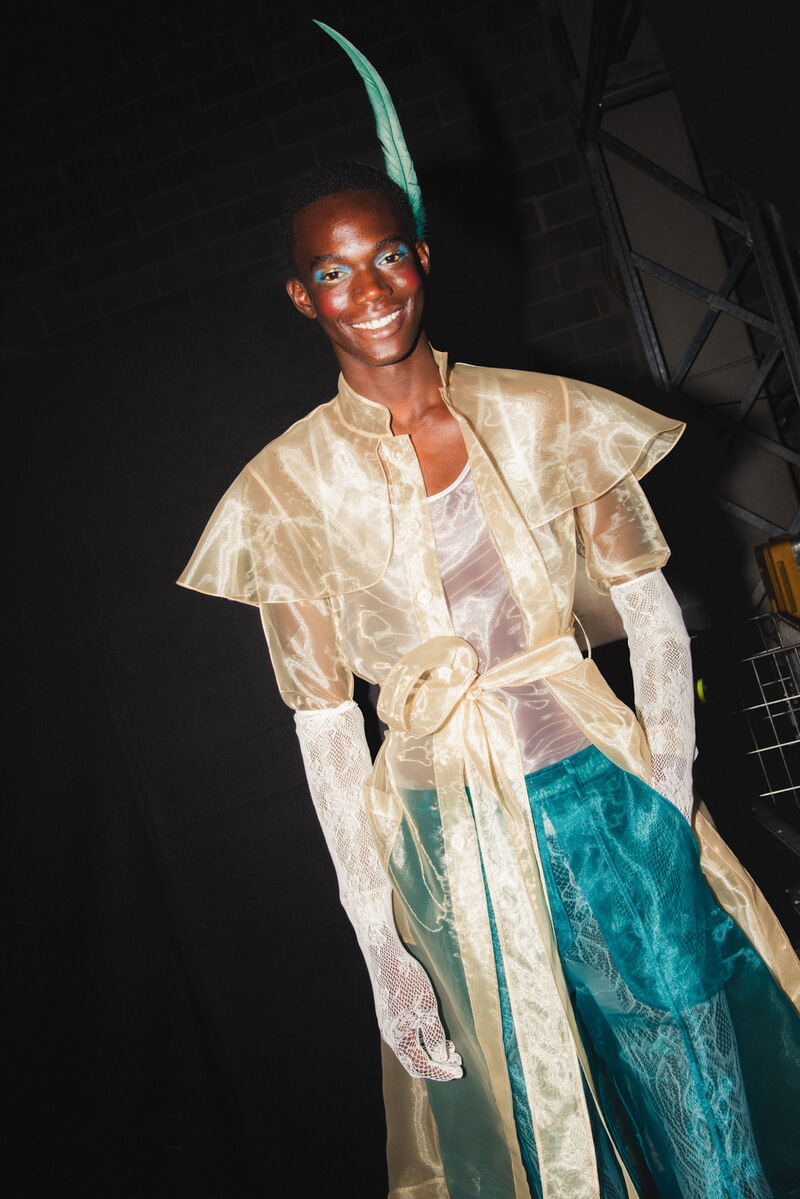
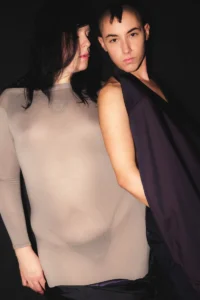
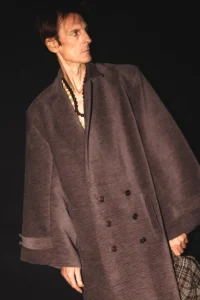
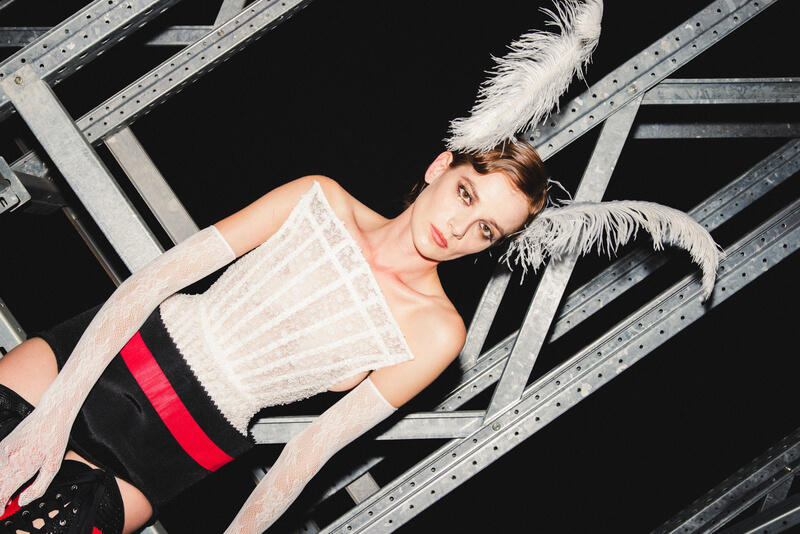
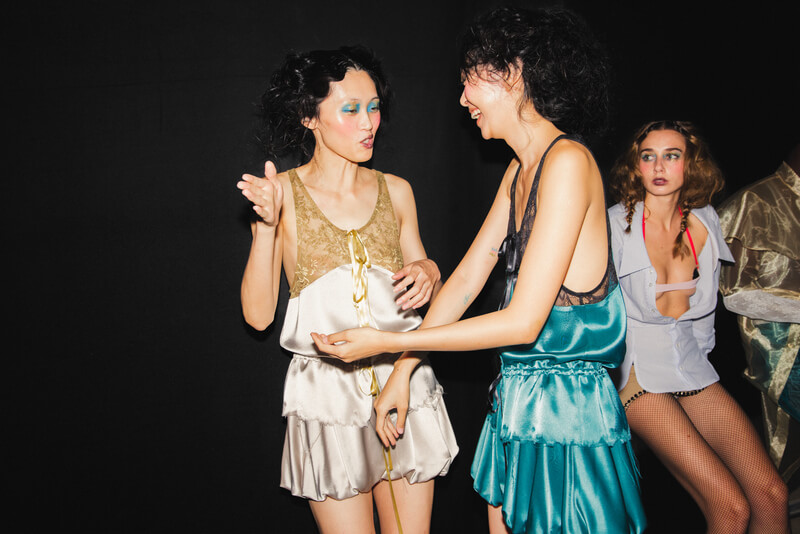
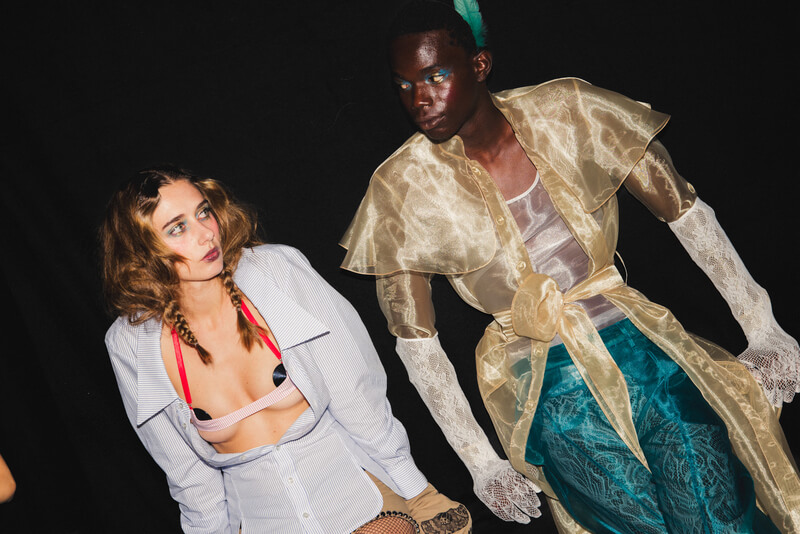
This perspective was clearly reflected in the casting and styling of the show. The models did not simply display clothing; they inhabited the pieces, projecting a sense of pride that turned the runway into an environment of inclusion. The backstage imagery, captured by photographer Ángela Ibáñez, further highlights this intimate connection between the designer, the wearer, and the garment, capturing a raw, unpolished energy that stands in stark contrast to the sterile perfection of major runway shows.
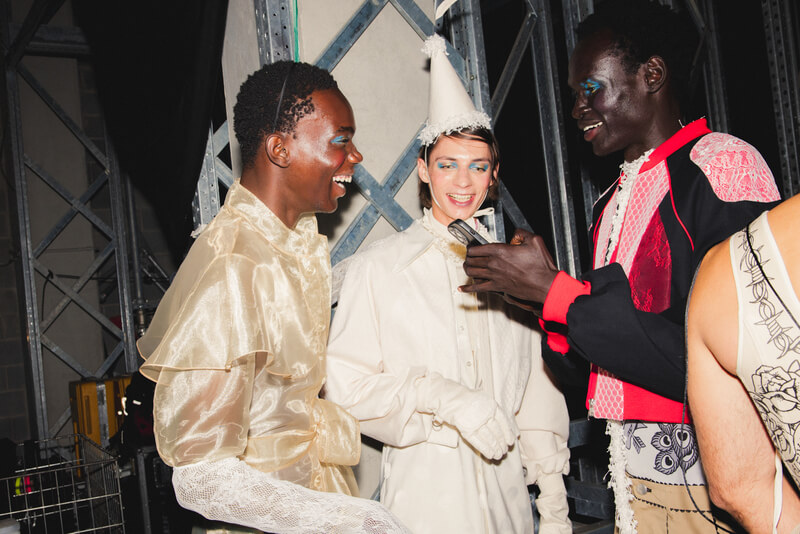
Broader Impact on the Fashion Landscape
The implications of Aleixandri’s work extend beyond the borders of the runway. As a generation of designers enters the spotlight, the demand for transparency and authentic representation grows. Designers who can successfully merge technical skill with a clear social mission are becoming the new standard-bearers for the industry.
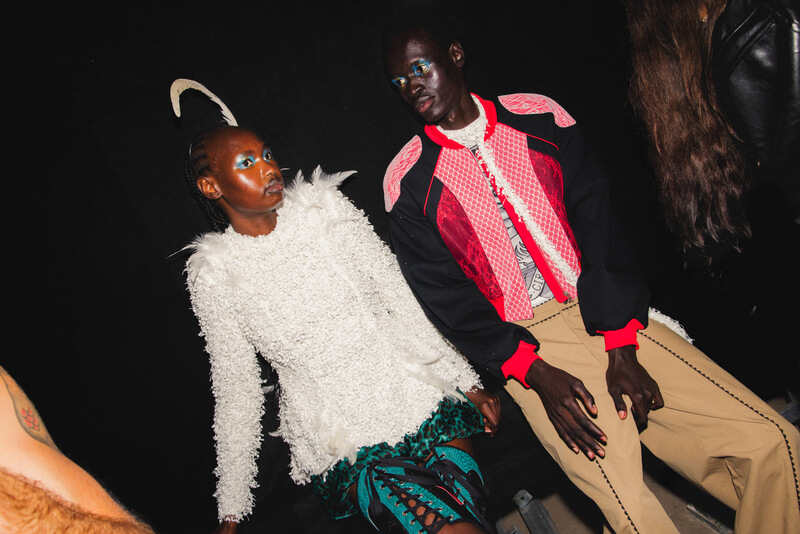
The "freak show" concept, as interpreted here, serves as a metaphor for the fashion industry itself: a place that has historically thrived on the spectacle of the "other" while simultaneously dictating rigid beauty standards. By flipping this dynamic, Aleixandri is signaling that the future of fashion belongs to the designers who facilitate the liberation of the subject.
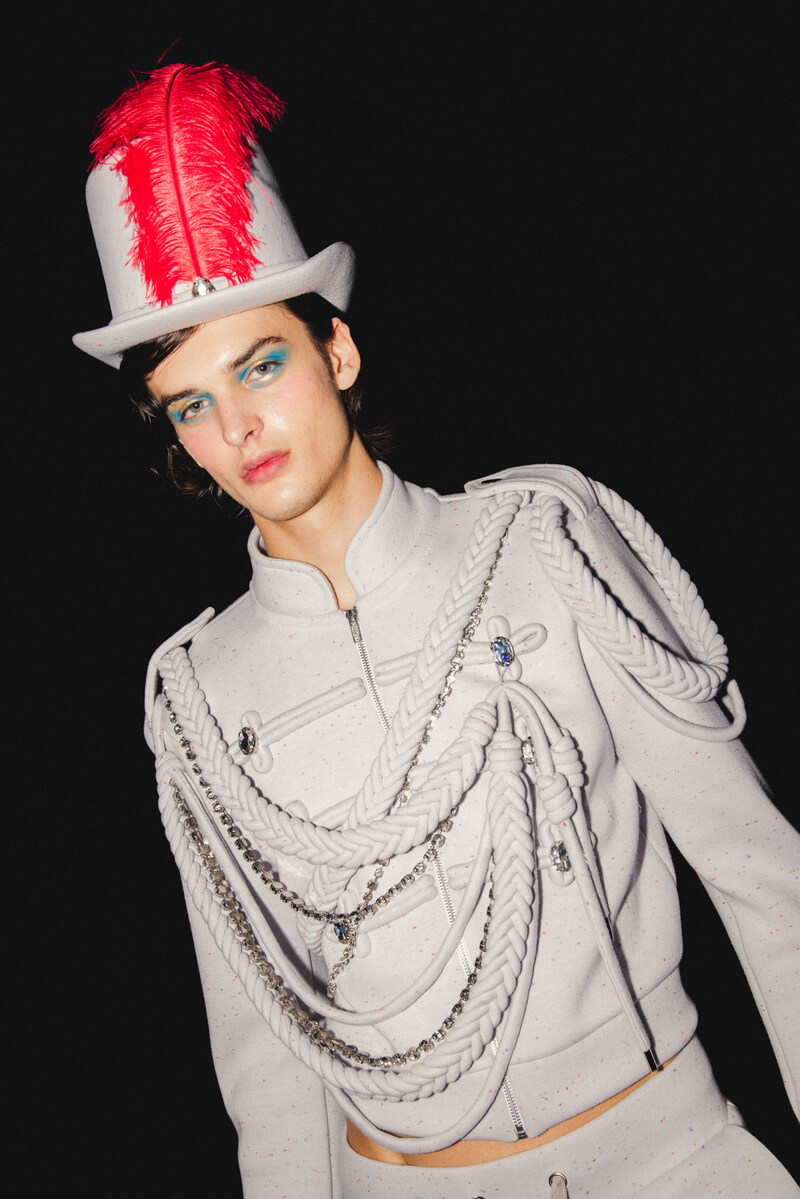
Furthermore, the integration of traditional corset-making techniques in a contemporary, non-gendered context represents a significant technical achievement. It demonstrates that the future of tailoring lies in the creative repurposing of historical tools. As the industry moves toward more circular models of production, the ability to reinterpret existing archetypes becomes a vital skill for longevity.
Official Responses and Industry Reception
While the fashion industry is often guarded in its direct criticism, the reception of Aleixandri Studio’s latest showcase has been overwhelmingly positive among critics who monitor the evolution of the 080 Barcelona event. Industry analysts have noted that the collection successfully balances the "theatrical" with the "wearable," a difficult feat for any brand operating in the avant-garde space.
"The strength of the collection is its refusal to be categorized," noted one industry observer. "It is not quite historical, not quite modern, and certainly not commercial in the traditional sense. It is, above all, a clear statement of intent."
Looking Forward
As the dust settles on the 080 Barcelona Fashion showcase, the long-term impact of CIRCA remains to be seen. However, the trajectory is clear: Aleixandri Studio is not merely creating clothes; they are building a community. The brand’s commitment to the "outsider" suggests that future collections will continue to explore themes of resilience, identity, and the importance of taking up space in a world that often demands we stay small.
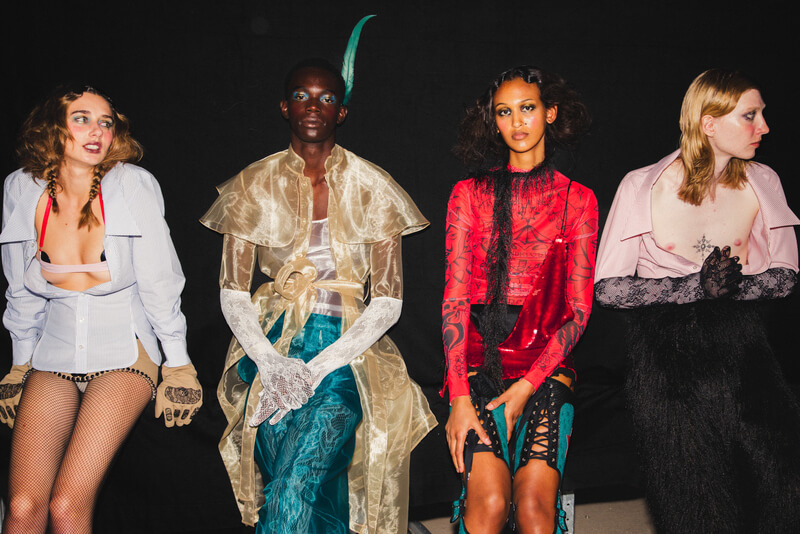
For the consumers and observers of high fashion, Aleixandri provides a refreshing alternative to the trend-obsessed cycle of the retail market. By focusing on the narrative of the wearer, the studio ensures that every piece is imbued with a sense of purpose. Whether this approach can scale within a broader, more conservative market is a question for the future, but for now, the focus remains on the immediate success of a vision that celebrates the unconventional.
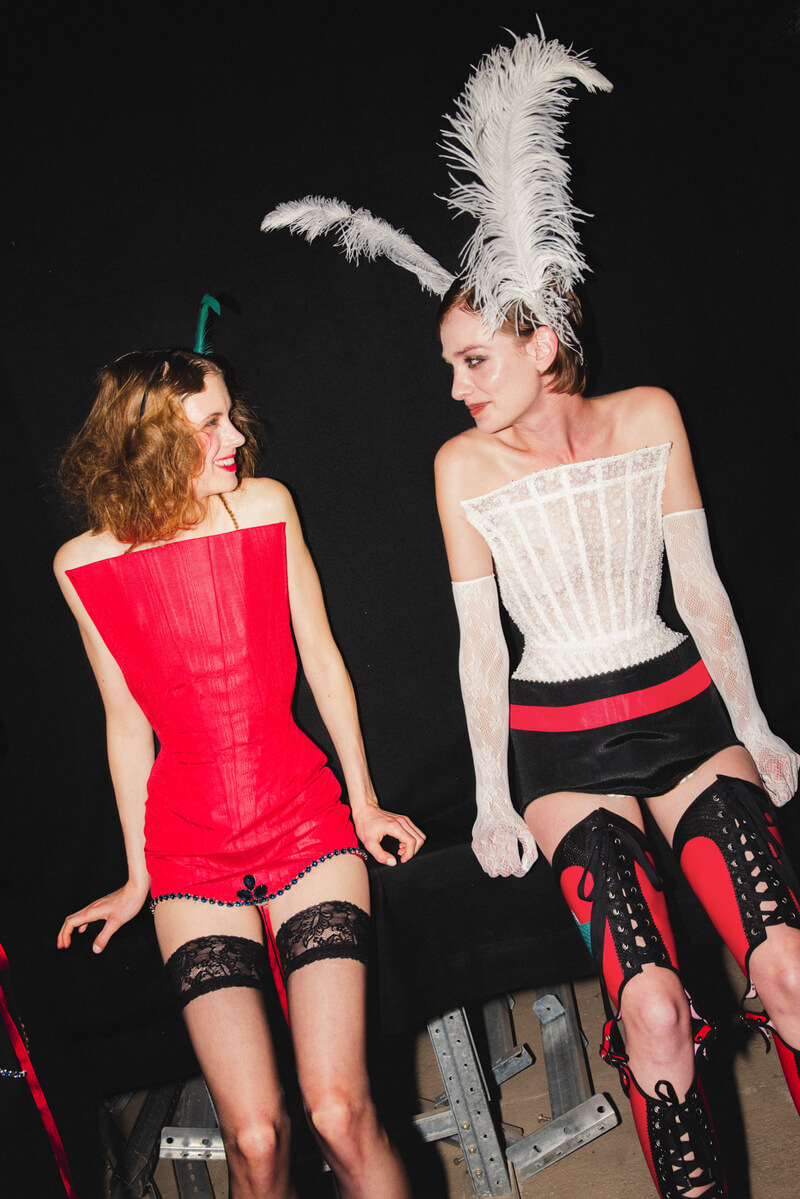
In conclusion, the CIRCA collection stands as a testament to the idea that fashion is at its most potent when it acts as a mirror to the societal changes taking place around it. By embracing the freak, the over-the-top, and the marginalized, Marc Aleixandri has proven that the runway is not just a place to see what is coming next, but a place to witness the ongoing evolution of the human identity. Through his work, he invites everyone to participate in the show—as long as they are willing to stop asking for permission to exist.
Related posts: