Beyond Chicken or Fish: A Strategic Evolution in Modern Wedding Catering and Culinary Planning

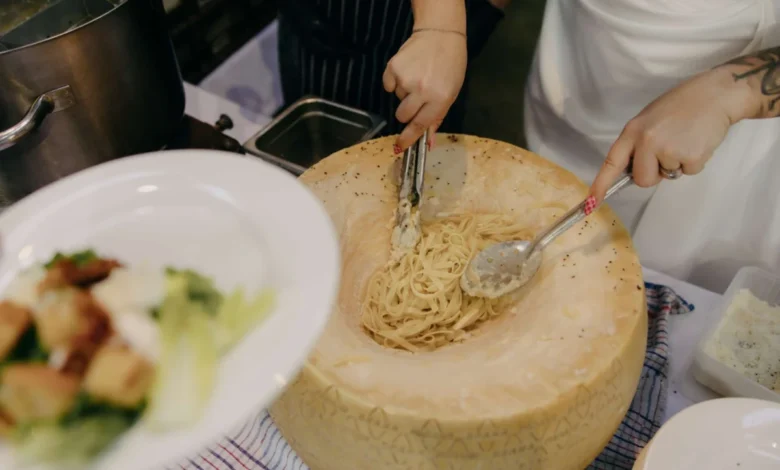
The contemporary wedding landscape is undergoing a significant culinary shift as couples increasingly move away from the rigid, three-course plated dinner format that has dominated the industry for decades. Data from recent hospitality industry reports indicate that nearly 40% of couples are now opting for non-traditional, interactive, or casual dining experiences to better reflect their personal preferences and budgets. This transition represents a departure from the "chicken or fish" standard, signaling a broader trend toward customization, guest engagement, and logistical efficiency.
Historical Context and the Shift in Expectations
Historically, the formal wedding dinner was modeled after high-end banquet catering, emphasizing structured service and uniform meal choices. This model, while traditional, often necessitated long intervals between courses—a timeline that can inadvertently create a lull in guest energy and social momentum. Modern event planners argue that the current move toward diverse catering—such as food trucks, grazing stations, and themed buffet bars—is not merely a cost-cutting measure but a reaction to the changing nature of wedding celebrations, which are increasingly viewed as personalized social gatherings rather than formal ceremonies.
Strategic Planning: The Four Pillars of Catering Selection
When selecting a catering strategy, professional event coordinators advise couples to evaluate four primary variables: personal culinary preference, the timing of the event, service logistics, and venue restrictions.
The first step in modern planning is distinguishing between authentic preference and inherited tradition. If a sit-down meal is selected solely out of obligation, the experience often fails to resonate with the couple’s identity. Furthermore, the timing of the event dictates the nutritional requirements of the guest list. A ceremony occurring during peak dining hours requires a substantial caloric intake, whereas a late-morning or mid-afternoon event allows for lighter, brunch-style service.
Logistics remain a critical concern; for instance, a standing reception necessitates "handheld" or "one-handed" food options to avoid the complexities of cutlery in crowded environments. Finally, venue policy serves as a significant constraint. Many heritage sites or boutique venues maintain exclusive contracts with in-house caterers. Couples are urged to clarify these stipulations early in the planning phase to avoid conflicts with desired, independent food providers.
Categorizing Culinary Alternatives
The industry has seen a rise in specific, scalable catering concepts that balance novelty with broad appeal.
The Interactive Buffet and Food Truck Model
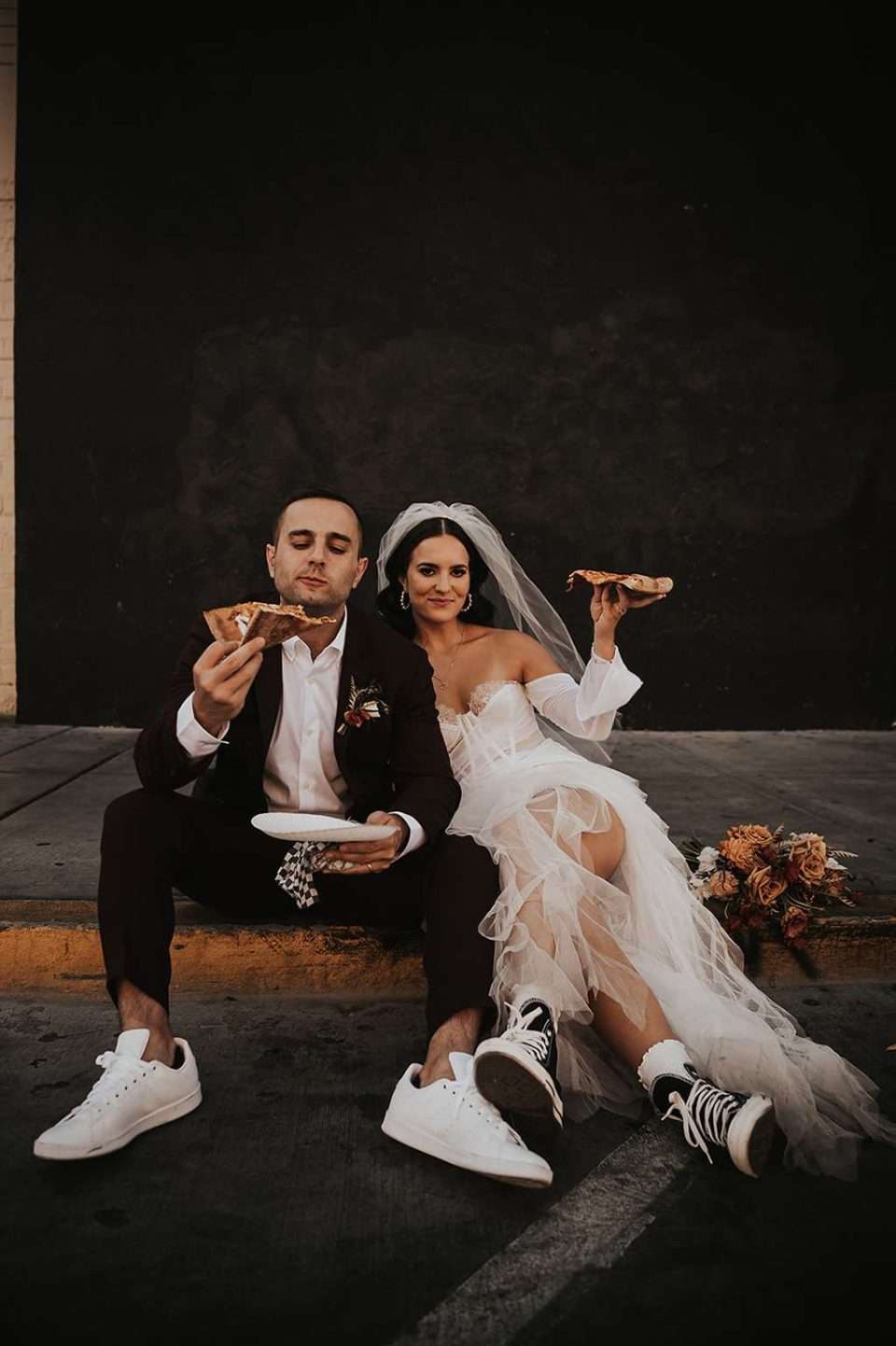
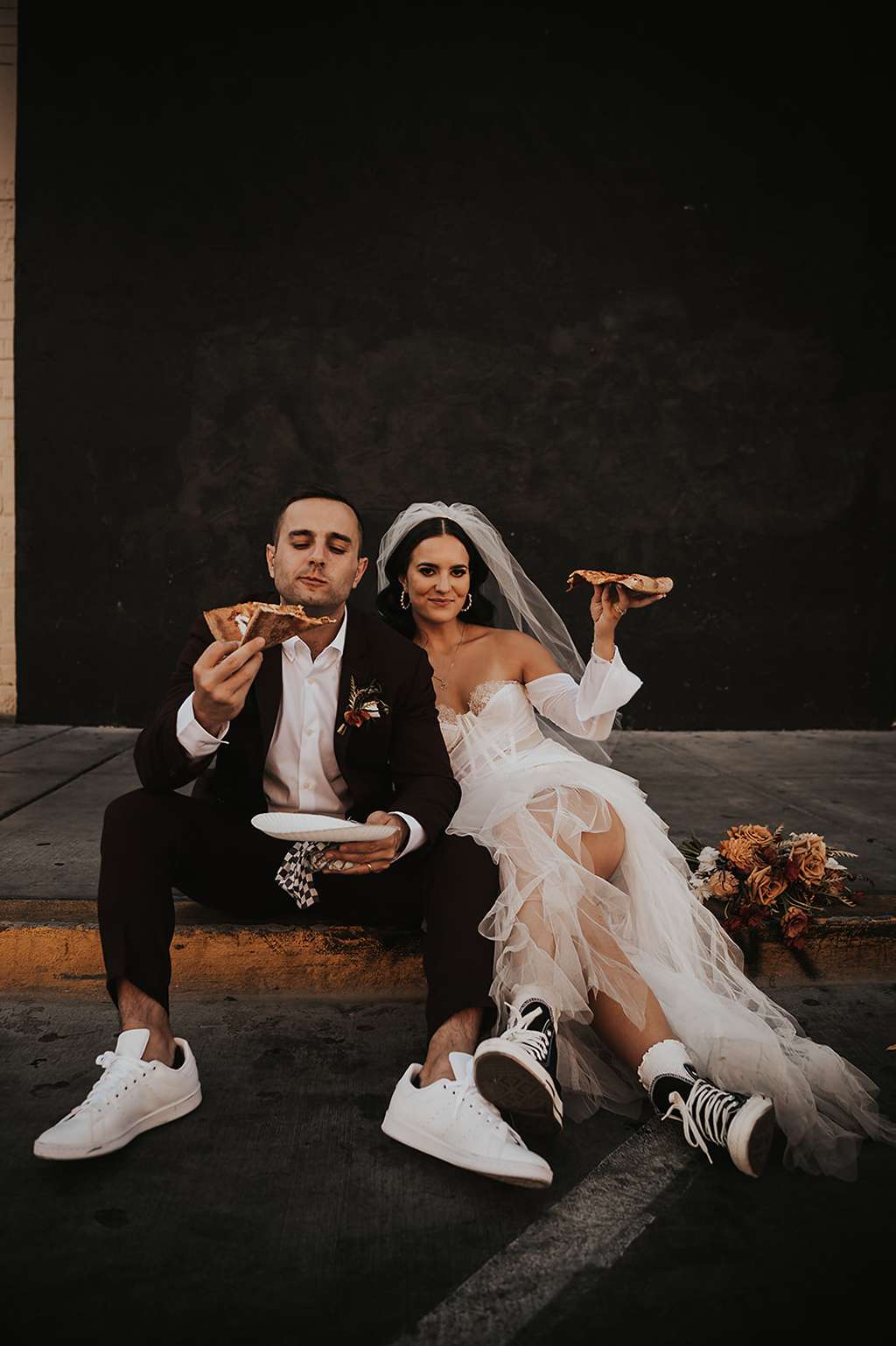
Wood-fired pizza vans and taco bars have emerged as the frontrunners in casual wedding catering. These options allow for immediate dietary customization—such as the inclusion of gluten-free bases or plant-based protein options—without the need for individual plate tracking. These models also function as a form of entertainment, providing a visual element to the catering process.
Themed Feasts and Grazing Concepts
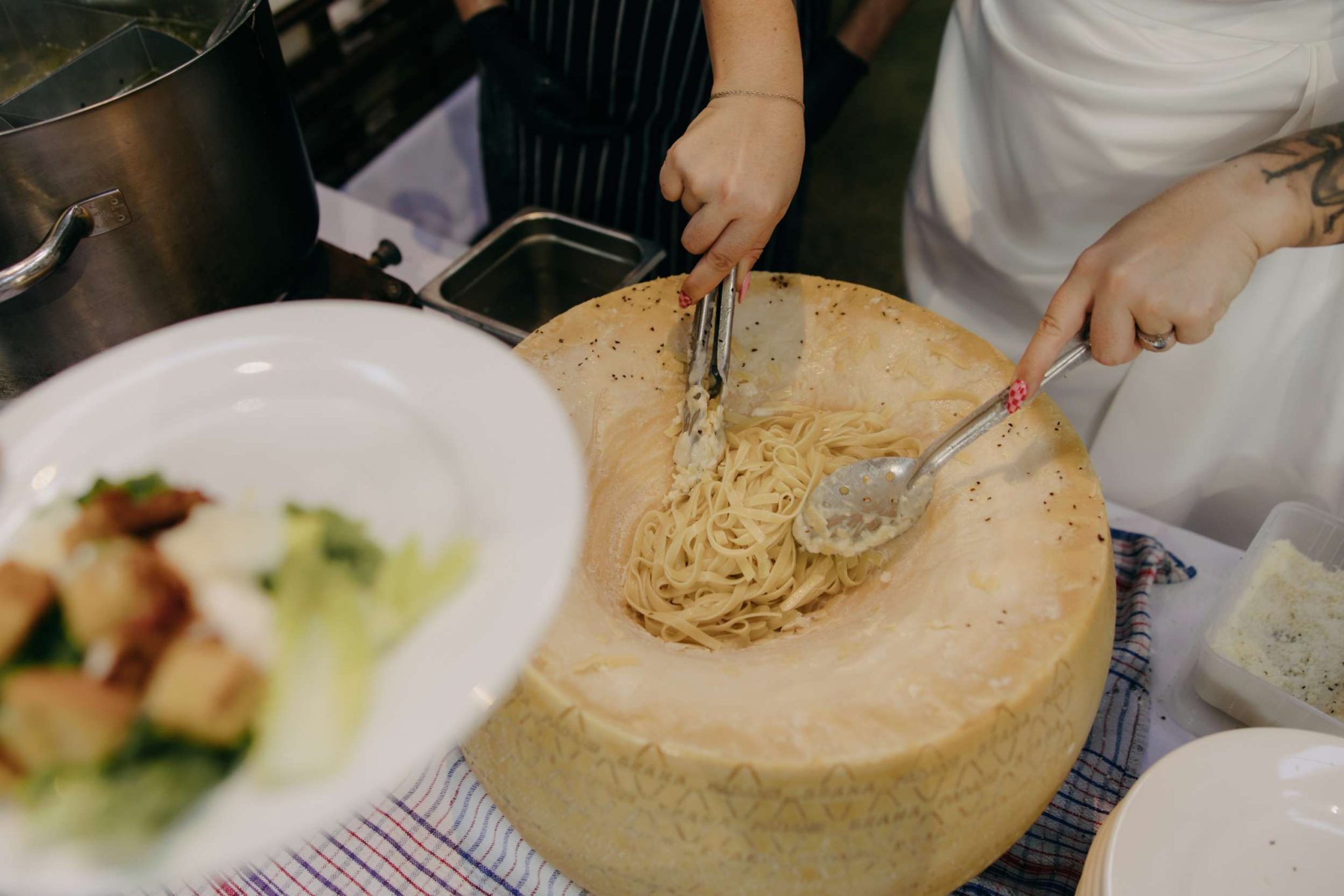
Curry feasts and Mediterranean-style grazing tables provide a communal dining experience. By utilizing large-format service, these options minimize wait times and encourage social interaction. However, these setups require careful attention to food safety. According to the United States Department of Agriculture (USDA), perishable food must not remain in the "danger zone" (between 4°C and 60°C) for more than two hours. Professional catering standards, as maintained by the Food Standards Agency in the UK, enforce stricter thresholds, requiring hot food to remain above 63°C and chilled items below 8°C.
Brunch and Afternoon Tea
Morning ceremonies paired with brunch service—featuring eggs, pastries, and artisanal coffee—represent a growing segment of the market. This shift often results in significant cost savings, as breakfast-centric menus generally carry a lower price point than dinner entrees. Similarly, afternoon tea, characterized by finger sandwiches and tiered pastry displays, offers a structured yet relaxed environment that circumvents the need for a full dinner service.
Budgetary Implications and Financial Strategy
Feeding a guest list of 100 people remains one of the largest line items in a wedding budget. Professional analysts note that transitioning from a plated meal to a buffet or food truck service can reduce catering costs by approximately 20% to 30%.
To maximize these savings, planners recommend the following tactical adjustments:
- Elimination of Starters: If high-quality canapés are served during the cocktail hour, the necessity of a formal starter course is often negated.
- Strategic Scheduling: By timing the wedding outside of traditional meal windows, couples can offer lighter, less expensive fare.
- Hybrid Catering: Couples may choose to outsource the main course to professional vendors while handling lower-risk items, such as desserts, through family contributions or self-curated displays.
The Rise of Late-Night Culinary Programming
The "late-night snack" has evolved from an afterthought to a core component of the evening. Data suggests that providing food during the final hours of a reception—such as fried chicken, individual chip cones, or bacon rolls—effectively sustains guest engagement and assists with alcohol absorption. This trend is often cited as a key factor in keeping guests on the dance floor longer than they would be otherwise.
Dessert Trends: Moving Beyond the Tiered Cake
While the traditional tiered wedding cake remains a staple, it is increasingly being supplemented or replaced by diverse dessert options. Doughnut walls, which serve as both culinary offerings and interior decor, have become popular for their visual impact. Furthermore, the "family bake table" provides a communal, low-cost alternative that emphasizes personal connection, with guests contributing various baked goods. This approach transforms dessert into a narrative experience rather than a singular, formal performance.
Communication and Administrative Best Practices
Regardless of the menu, transparency is paramount. The modern standard involves collecting dietary requirements during the initial RSVP process. Once finalized, these requirements must be communicated to the catering lead at least two weeks before the event.
Signage is equally essential. Whether through printed menus at a table or large-format signage near a buffet, clear communication regarding ingredients—particularly common allergens—is a professional necessity. Expert resources, such as those provided by design platforms like WeddingTemplates, suggest that clear, readable signage not only aids in food safety but also improves the flow of service by allowing guests to identify their dietary options without requiring individual assistance from staff.

Broader Industry Implications
The transition toward more flexible, diverse, and budget-conscious wedding food reflects a broader movement toward authenticity in modern social events. As the industry continues to evolve, the focus is shifting away from the rigid adherence to "white-glove" service and toward a model that prioritizes the comfort of the guest and the personal vision of the couple.
Industry representatives note that this shift is ultimately driven by a desire for inclusivity. By offering varied, identifiable food options, couples are ensuring that their guests feel considered rather than just served. As this trend matures, it is expected that catering vendors will continue to innovate, offering increasingly specialized, high-quality, and mobile food solutions that meet the changing demands of a globalized and health-conscious wedding demographic. The professionalization of these "non-traditional" options—ensuring they meet rigorous food safety and presentation standards—is the next phase of development for the wedding culinary sector.