The 2026 retail landscape has undergone a significant transformation, with Black Friday evolving from a single day of doorbuster intensity into a multi-week marathon of digital discounting. This year, the shift is marked by a notable pivot from retailers who had previously curtailed promotional activities. As of late November 2026, the retail sector is experiencing a aggressive push to clear inventory and capture consumer spending, resulting in some of the most competitive pricing for menswear seen in the last decade.
The current promotional environment is characterized by a "re-emergence of the discount." After a period where many major brands moved toward full-price strategies, the 2026 holiday season has seen a reversal. Market analysts suggest this shift is a response to cooling consumer confidence and the need to stimulate demand during the critical fourth-quarter window.
J. Crew and the Factory Resurgence
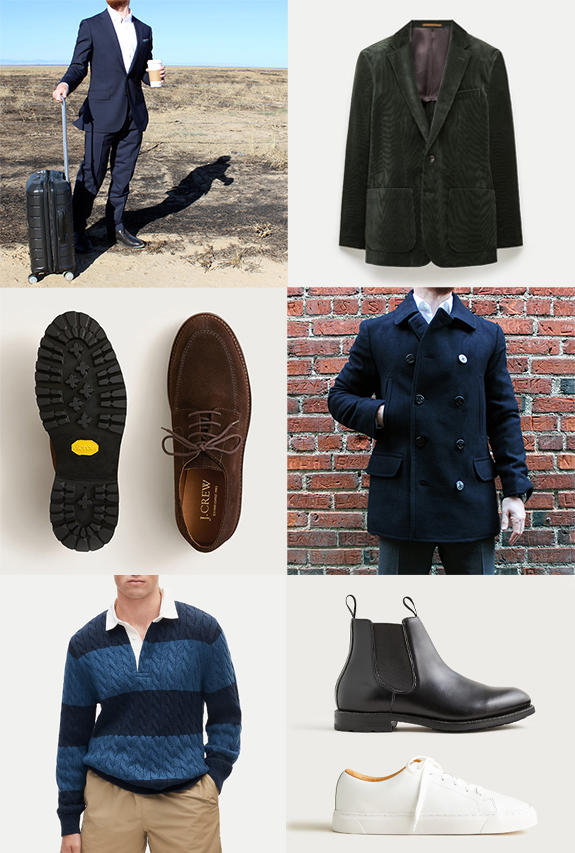
J. Crew and its diffusion line, J. Crew Factory, have emerged as central players in this year’s Black Friday cycle. Following a year defined by reduced sales and higher price floors, J. Crew has re-instituted aggressive promotional tiers. The Factory division is currently offering between 50% and 70% off site-wide, complemented by a no-minimum free shipping threshold. This move is designed to lower the barrier to entry for smaller, "impulse" purchases while using code-based incentives—such as the additional 20% off for orders exceeding $125—to drive higher average order values.

Market observers note that this strategy is a direct attempt to recapture the brand loyalty of the "budget-conscious professional" segment, a demographic that felt alienated by the brand’s previous pivot toward premium-only pricing. The inclusion of free shipping without a minimum purchase requirement is a tactical decision intended to maximize conversion rates among shoppers who are increasingly wary of ancillary fees.
The Return of the Icon: Bonobos and Strategic Exclusions
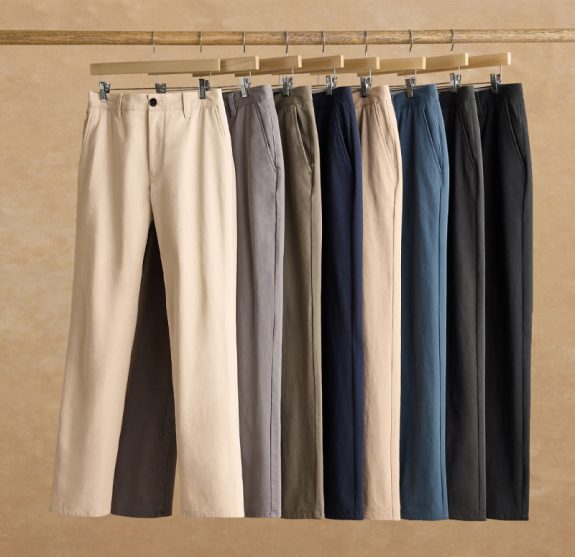
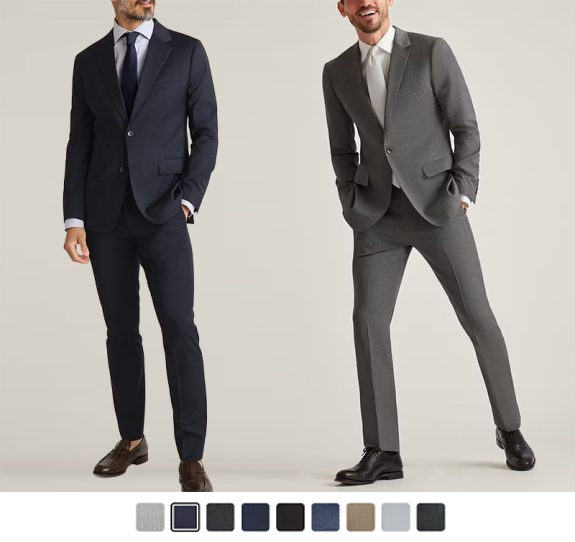
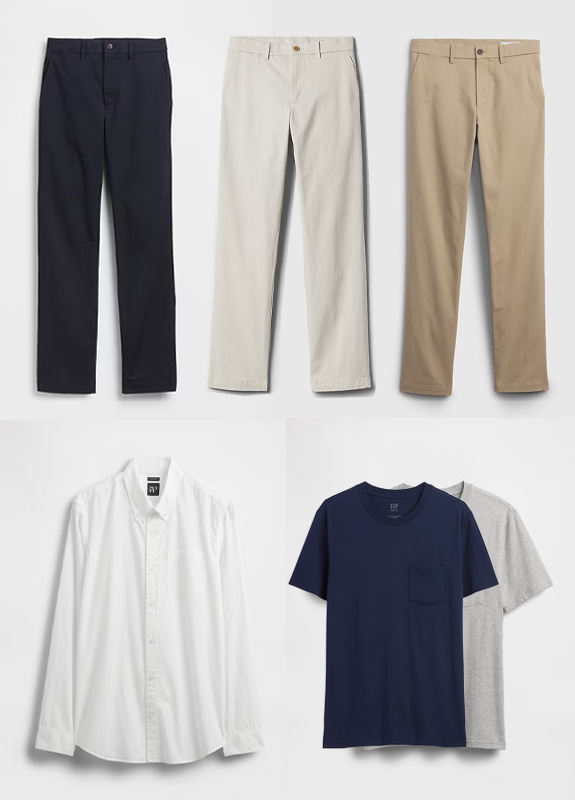
Bonobos, a brand traditionally known for its strict adherence to full-price models, has made a surprising departure from its historical policy. For the 2026 Black Friday event, the retailer has lifted exclusions on its "Icon" colorway chinos. These items represent the core of the brand’s business, and their presence in the sale cycle is statistically rare.

Industry experts interpret this as a signal that even "premium-adjacent" brands are feeling pressure to align with broader market expectations during the holiday shopping season. By discounting their flagship products, Bonobos is prioritizing market share and customer acquisition over short-term margin preservation. This move provides a unique window for first-time buyers to experience the brand’s signature fit templates, which include six distinct profiles ranging from slim to athletic, at a entry point of approximately $69.30.
The Tech and Activewear Pivot
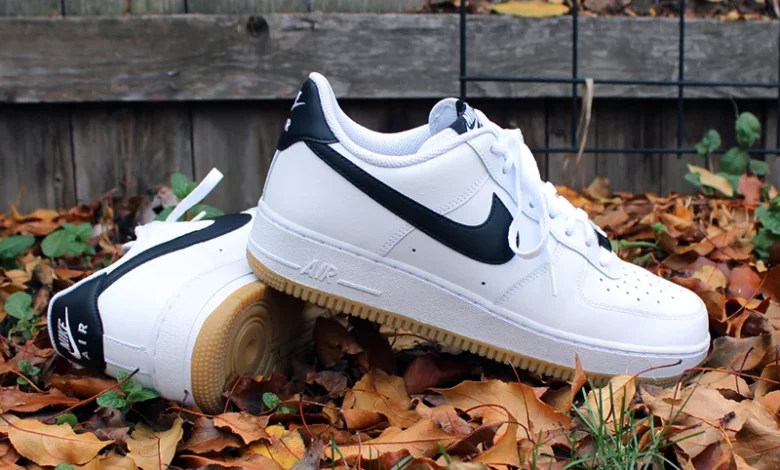
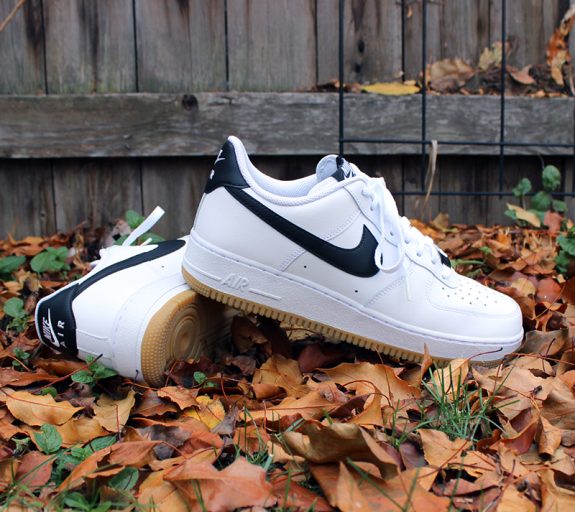
The athleisure market is not immune to the broader retail trend. Nike, for instance, has leveraged a dual-track strategy: a site-wide 25% discount via the code "BFRIDAY," coupled with deep-cut "select specials" that reach up to 50% off. This strategy is standard for global footwear giants during the November window, but the inclusion of versatile lifestyle items—such as the Air Force 1—indicates a broader push to clear non-performance inventory before the fiscal year-end.
Similarly, Target has utilized its "All in Motion" line to provide a value-oriented alternative to higher-end activewear, offering 40% off select pieces. The implication for the consumer is clear: the market is currently saturated with performance apparel, and retailers are competing primarily on price to clear shelf space for the upcoming spring collections.
Luxury and Heritage Brands Enter the Fray
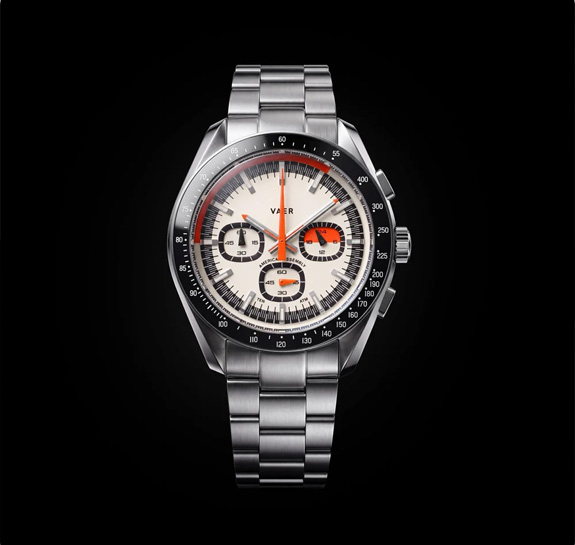
Perhaps the most significant development in the 2026 Black Friday calendar is the participation of brands that traditionally eschew deep discounting. Christopher Ward, the Swiss-made watchmaker, has joined the ranks of brands offering a 15% site-wide reduction. This is only the second time in the brand’s history that such an event has occurred during Black Friday.
The rationale behind this shift is the increasing necessity of maintaining "brand velocity." Even for companies that trade on heritage and craftsmanship, the current economic climate dictates that visibility during the highest-traffic shopping week of the year is non-negotiable. Other brands like Oak Street Bootmakers and Filson are offering targeted discounts on select heritage goods, though their participation remains more conservative than the mass-market retailers.
The Role of Gift Cards as a Macroeconomic Hedge
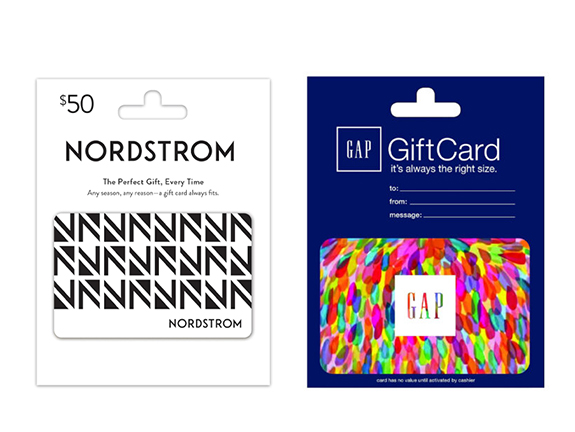
One of the more subtle trends observed this year is the uptick in discounted gift cards for major retailers like Nordstrom and Gap Inc. via Amazon. By offering 15% to 20% off these cards, these companies are effectively creating a secondary, flexible currency for consumers. For the shopper, this represents a "stacking" opportunity: purchasing a discounted gift card allows for a deeper effective discount when combined with existing store-wide sales. For the retailer, it secures capital immediately, even if the eventual redemption of the card occurs in the following calendar year.
Economic Implications and Future Outlook
The 2026 Black Friday period is a bellwether for the retail industry. The heavy reliance on promotional codes and tiered savings suggests that consumers are no longer willing to pay full MSRP for items that were once considered "staples." This trend places significant pressure on the margins of mid-tier brands.
Looking ahead to Cyber Monday and the remainder of the holiday season, the expectation is that the intensity of these sales will continue. However, the inventory levels are likely to fluctuate. As retailers continue to grapple with the logistics of supply chain management, the "wait and see" approach—where consumers hold out for deeper discounts—may become a self-fulfilling prophecy.
A Note on Navigational Logistics
For those participating in these sales, the strategy is increasingly about speed and platform knowledge. The prevalence of "final sale" items, particularly at retailers like Nordstrom Rack and Lululemon, necessitates a high degree of certainty regarding fit and size. The absence of return options is a deliberate risk-transfer mechanism used by retailers to dispose of excess inventory without the overhead of processing returns.
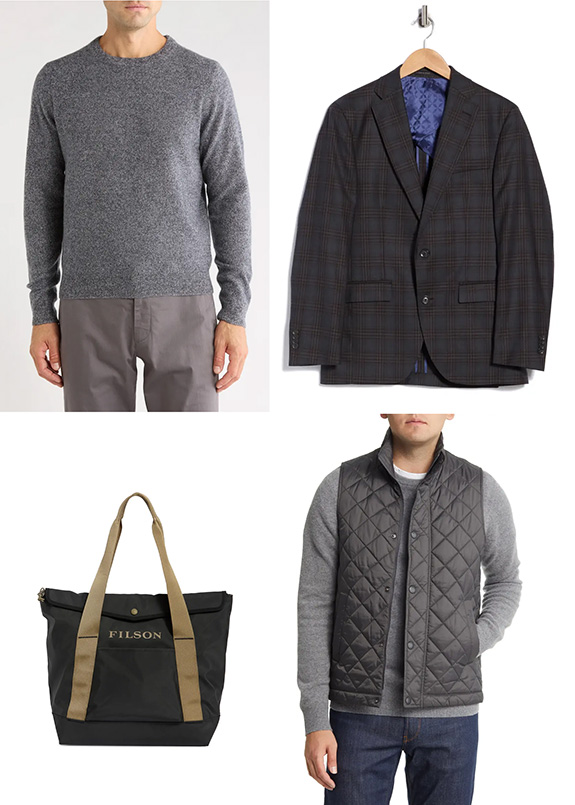
Furthermore, the integration of digital tools, such as the "hotspot" mapping provided by platforms like Dappered, highlights the importance of user experience in the modern retail environment. These tools reduce friction by allowing consumers to visualize the discount applied to specific items, thereby accelerating the path to purchase.

Conclusion
The 2026 Black Friday event stands as a correction to the retail market’s previous, overly ambitious pricing strategies. By returning to competitive, broad-based discounting, brands are attempting to balance the need for revenue with the realities of a more frugal consumer base. Whether this shift will result in sustained brand equity or lead to a "race to the bottom" in terms of perceived value remains to be seen. For the consumer, however, the current climate offers a rare opportunity to acquire high-quality, long-lasting items at price points that have not been seen in several years. As the calendar approaches December, the advice for shoppers remains consistent: prioritize essential upgrades, utilize tiered discount structures where available, and remain cognizant of the limitations inherent in "final sale" designations.