WSG Brands Acquires Fashion Label Nasty Gal in Strategic Global Expansion Move

The retail landscape is undergoing another major shakeup as brand management and investment firm WSG Brands officially announces its acquisition of Nasty Gal, the trailblazing online fashion retailer renowned for its edgy, rebellious aesthetic and rapid rise in the digital commerce era. Published on September 16, 2026, the deal marks a significant milestone for both WSG Brands—which has steadily built a diverse portfolio of cultural and lifestyle assets—and Nasty Gal, a name that helped define early millennial e-commerce before navigating a turbulent series of corporate ownership changes.
Under the terms of the transaction, WSG Brands plans to spearhead a comprehensive global expansion of the Nasty Gal label. Rather than relying solely on direct-to-consumer operations or brick-and-mortar storefronts, the growth strategy will heavily leverage strategic licensing agreements, international partnerships, and expanded multi-channel distribution. This acquisition is the latest in a series of aggressive portfolio-building moves by WSG Brands, following its purchase of iconic streetwear label Von Dutch two years ago, as well as its involvement earlier this year in acquiring sustainable footwear pioneer Allbirds alongside Aerosoles parent company American Exchange Group.
The Genesis and Evolution of Nasty Gal
To understand the weight of WSG Brands’ latest acquisition, one must examine the meteoric and unconventional rise of Nasty Gal. The company was originally founded in 2006 by Sophia Amoruso. Operating out of a small apartment, Amoruso began her entrepreneurial journey as an eBay seller, curating and selling an eclectic collection of vintage clothing finds, retro accessories, and thrifted garments under the moniker "Nasty Gal Vintage," named after the classic 1975 Betty Davis album.
What began as a one-woman operation on a digital auction site quickly blossomed into a cultural phenomenon. Fueled by Amoruso’s uncanny eye for trends, savvy use of early social media marketing, and a fiercely independent brand voice that resonated deeply with young, fashion-forward women, Nasty Gal outgrew its eBay storefront. In 2008, the company launched its independent e-commerce platform, shifting from vintage curation to designing and producing its own private-label apparel.
During its peak growth years, Nasty Gal was celebrated as a darling of the tech and retail sectors. By 2012, annual revenues had reportedly soared past $100 million, earning Amoruso widespread acclaim, including profiles in major business publications and a bestselling memoir, #GIRLBOSS, which was later adapted into a Netflix television series. However, rapid scaling brought immense operational pressures. The company struggled with high overhead costs, warehousing transitions, and increasing competition within the fast-fashion ecosystem.
In 2014, in an effort to bridge the gap between digital success and physical experiential retail, Nasty Gal opened its first brick-and-mortar storefront on Melrose Avenue in Los Angeles. Despite initial enthusiasm from loyal shoppers, the physical retail push could not offset underlying financial strains. By late 2016, amidst mounting debt and restructuring challenges, Nasty Gal filed for Chapter 11 bankruptcy protection.
The Boohoo Era and Multi-Channel Distribution
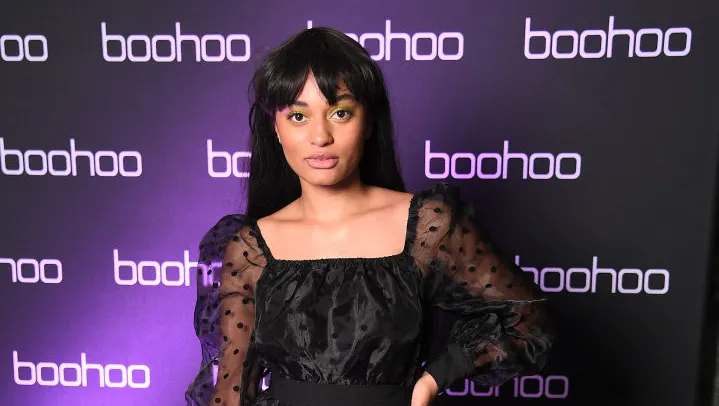
Following its bankruptcy filing, Nasty Gal found a financial lifeline in early 2017 when British online fast-fashion giant Boohoo Group acquired the brand and its intellectual property out of bankruptcy for $20 million. Under Boohoo’s umbrella, Nasty Gal was integrated into a massive global supply chain infrastructure, allowing it to maintain its distinct design identity while benefiting from the parent company’s high-volume manufacturing and digital marketing prowess.
Over the subsequent years, Nasty Gal evolved from a standalone digital destination into a brand that relied heavily on wholesale partnerships and digital marketplaces. While maintaining a strong presence on Boohoo’s proprietary platforms, the brand successfully expanded its reach into major department stores and global e-commerce channels. Today, consumers can purchase Nasty Gal apparel through prominent retail giants such as Nordstrom, Macy’s, and Amazon, as well as international platforms like Debenhams.
This multi-channel distribution framework has preserved the brand’s visibility and commercial viability, ensuring that its name remains familiar to shifting generations of consumers. However, as Boohoo shifted its strategic focus toward its core brands and navigating the intensely competitive modern ultra-fast-fashion landscape, the opportunity arose for a specialized brand management firm like WSG Brands to step in and unlock the next chapter of Nasty Gal’s commercial life cycle.
Strategic Vision and Leadership Perspectives
WSG Brands is betting heavily on the enduring cultural equity of the Nasty Gal name. Jack Cheika, founder and Chief Executive Officer of WSG Brands, emphasized that the label possesses a rare and valuable asset in today’s crowded retail market: authentic cultural recognition.
"Nasty Gal retains an incredibly strong identity and a level of cultural recognition that very few brands achieve," Cheika said in an official corporate statement released following the acquisition. "We see a tremendous opportunity to build upon that foundation, introduce the brand to a new generation of consumers, and expand Nasty Gal into a global lifestyle brand while staying true to the attitude and individuality that have always defined it."
Industry analysts note that Cheika’s focus on preserving the brand’s rebellious "attitude" is crucial. Nasty Gal was built on a foundation of empowerment, non-conformity, and edgy styling. For the brand to successfully resonate with Generation Z and younger millennial cohorts—who increasingly prioritize brand authenticity, sustainability, and distinct aesthetic storytelling—its marketing and product evolution must authentically reflect those foundational values rather than feeling corporate or overly sanitized.
Plans for Global Lifestyle Expansion
Under WSG Brands, the roadmap for Nasty Gal extends far beyond traditional apparel categories. According to company announcements, the primary vehicle for growth will be an aggressive expansion of the brand’s global footprint via licensing deals, manufacturing partnerships, and international distribution agreements.

Rather than undertaking the capital-intensive risks of traditional retail manufacturing, WSG Brands intends to utilize a licensing-heavy business model. This strategy allows the firm to partner with established regional manufacturers and distributors across the globe, scaling the brand into new international territories with minimized financial friction.
Product diversification stands at the forefront of this strategy. While Nasty Gal has historically been recognized primarily for trend-driven dresses, statement outerwear, and going-out wear, WSG Brands plans to significantly broaden the product assortment. Upcoming categories slated for development and rollout include:
- Comprehensive denim lines tailored to modern fits and washes
- Footwear and handbag collections designed to complete the head-to-toe look
- Fine and fashion jewelry to capture higher-margin accessories market share
- Activewear and athleisure lines targeting the ongoing wellness and comfort-driven fashion boom
- Swimwear and sleepwear collections for seasonal and at-home lifestyle segments
- Beauty products, cosmetics, and fragrance offerings
- Travel accessories and expanded lifestyle goods
By transforming Nasty Gal into a true lifestyle brand, WSG Brands hopes to capture a larger share of wallet from its core consumer base, ensuring that the label is present across multiple facets of the shopper’s daily life, from working out and traveling to evening socialization and at-home relaxation.
Broader Industry Implications and Portfolio Context
The acquisition of Nasty Gal fits seamlessly into WSG Brands’ broader corporate trajectory. Over the past several years, the firm has positioned itself as a strategic consolidator of culturally resonant, heritage-adjacent brands that require modern repositioning and operational revitalization.
The most notable precedent in WSG’s portfolio is its acquisition of Von Dutch two years prior. Von Dutch, a defining symbol of early 2000s Y2K pop culture, had experienced extreme cultural highs before fading into dormancy. WSG Brands successfully leveraged licensing partnerships and capitalized on the massive nostalgia-driven resurgence of Y2K fashion trends to reintroduce Von Dutch trucker hats, graphic tees, and apparel to a new audience of younger consumers who viewed the aesthetic through a vintage, ironic lens.
Similarly, WSG Brands’ involvement earlier this year in acquiring Allbirds—partnering with Aerosoles owner American Exchange Group—demonstrates the firm’s willingness to navigate complex corporate turnarounds. Allbirds, once heralded as the pioneer of sustainable Silicon Valley footwear, faced severe financial headwinds and shifting consumer perceptions before being rescued through strategic partnership.
By adding Nasty Gal to a portfolio that already spans streetwear (Von Dutch), sustainable footwear (Allbirds), and now edgy fast-fashion lifestyle apparel (Nasty Gal), WSG Brands is establishing a diverse, risk-hedged ecosystem of consumer brands. Each brand in the portfolio benefits from centralized licensing expertise, global distribution networks, and strategic marketing synergies.
Market Analysis: Challenges and Opportunities Ahead

While the acquisition presents significant revenue upside, market analysts point out that WSG Brands will face distinct challenges in executing its global rollout.
First, the global fast-fashion and lifestyle market is more intensely competitive than ever before. Nasty Gal will not only have to contend with legacy retail giants and department stores where it currently holds shelf space, but it must also outmaneuver dominant digital-first giants—such as Shein, Cider, and Temu—that have fundamentally disrupted pricing, speed-to-market, and social media engagement loops over the past half-decade.
Second, transitioning a brand heavily associated with a specific digital era into a global lifestyle licensing empire requires meticulous brand governance. Over-licensing can dilute a brand’s core identity if product quality or retail placement is not strictly monitored across international partnerships. Maintaining brand equity while scaling rapidly through third-party licensees will be a definitive test of WSG Brands’ operational acumen.
However, favorable macroeconomic tailwinds also exist. The enduring popularity of online resale platforms, thrift culture, and Y2K/2010s nostalgia has created a favorable climate for brands with deep historical roots. Consumers frequently look for authentic brand heritages rather than purely synthetic, algorithmically generated fashion labels. Nasty Gal’s founding mythology—rooted in entrepreneurial hustle and uncompromising personal style—provides a unique narrative anchor that traditional fast-fashion competitors often lack.
Conclusion and Outlook
As WSG Brands takes the helm of Nasty Gal, the retail industry will be watching closely to see how the legendary digital native brand navigates its next iteration. With concrete plans for international market penetration, multi-category lifestyle expansion via strategic licensing, and a renewed commitment to its rebellious foundational identity, Nasty Gal is poised for a major commercial renaissance. Whether this strategy will successfully capture the imaginations of a new generation of shoppers remains to be seen, but one fact is certain: the journey of Nasty Gal is far from over, and its next chapter is just beginning to unfold on the global stage.