Systemic Coercion Persists in Uzbekistan Silk Sector Despite Reforms, New Report Warns

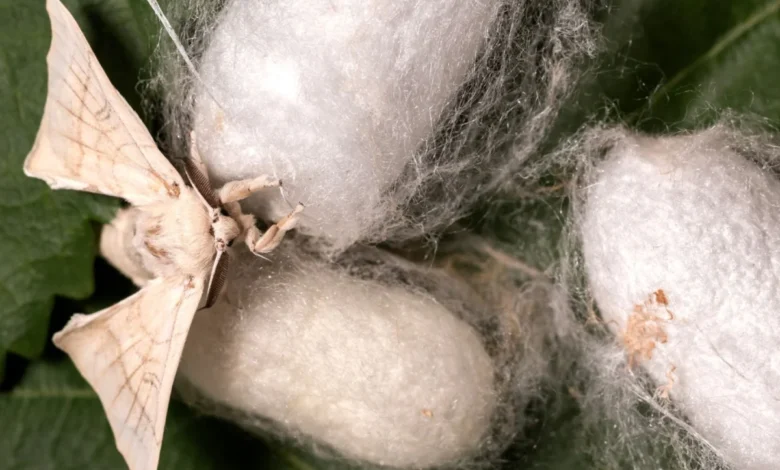
The agricultural landscape of Uzbekistan is once again under intense international scrutiny following the release of a comprehensive investigative report detailing widespread state-imposed forced labor and systemic exploitation within the nation’s vital silk industry. Published by the Uzbek Forum for Human Rights, the alarming document—titled “It is Impossible to Refuse.” – State-Imposed Forced Labor and Exploitation in Uzbekistan’s Silk Sector—reveals that government officials continue to compel farmers and rural workers to produce silkworm cocoons under explicit threats of penalties, land confiscation, and administrative repercussions.
The findings threaten to derail the Central Asian nation’s carefully cultivated image as a progressive reformer on labor rights. While Tashkent has previously earned international praise for successfully dismantling systemic state-orchestrated forced labor in its multi-billion-dollar cotton harvest, this new investigation exposes a persistent, entrenched framework of coercion that simply shifted from cotton to silk. As global markets increasingly implement stringent supply chain transparency laws, Uzbekistan’s heavy-handed approach to sericulture risks alienating key Western trade partners and shutting local producers out of lucrative international markets.
Methodology and Scope of the Investigation
The newly published Uzbek Forum report is built upon a rigorous three-year empirical investigation spanning from 2021 to 2024. Researchers gathered data across 21 districts situated within five distinct administrative regions of Uzbekistan, alongside the autonomous Republic of Karakalpakstan. To ensure a comprehensive and accurate depiction of ground realities, the human rights organization conducted 85 in-depth, semi-structured interviews with a cross-section of agricultural stakeholders.
Those interviewed included independent farmers, vulnerable home-based cocoon producers—predominantly rural women—and representatives of local silk-producing enterprises. In addition to first-person testimonies, researchers conducted an exhaustive review of official legislative documents, regional administrative decrees, and agricultural guidelines governing the sericulture sector. Furthermore, the investigation analyzed hundreds of localized social media posts and digital communications from silkworm producers, capturing real-time expressions of grievance, compliance pressures, and economic desperation among agricultural workers.
The data paints a bleak picture of an industry operating under heavy bureaucratic weight. Despite official claims of agricultural liberalization, local authorities routinely issue informal yet mandatory production quotas for silkworm cocoons. Farmers who attempt to refuse these directives or voice concerns over unprofitability face severe retributions, ranging from the arbitrary revocation of land use rights to harassment by local law enforcement and administrative bodies.
Background Context: The Evolution of Uzbekistan’s Silk Sector
To understand the current crisis, it is essential to examine the historical and economic architecture of Uzbek agriculture. For decades, the state maintained absolute centralized control over the production and distribution of strategic commodities, primarily cotton and silk. Both sectors relied heavily on mobilization models inherited from the Soviet era, wherein the central government dictated production targets, fixed artificially low purchase prices, and mobilized millions of citizens—including students, teachers, and public sector employees—to meet state quotas.
Following the transition of power in 2016, the administration of President Shavkat Mirziyoyev embarked on a series of ambitious economic and social reforms aimed at modernizing the country and integrating it into the global economy. The most celebrated milestone of this reform era occurred in 2021, when international monitors and human rights organizations confirmed that the Uzbek government had successfully eliminated systematic, state-imposed forced and child labor during the annual cotton harvest. This historic achievement paved the way for the lifting of the Cotton Campaign’s global boycott on Uzbek cotton, opening doors to major Western apparel brands and retailers.
However, while cotton production underwent significant structural privatization and liberalization, the silk sector was steered in a different direction. Recognizing the high value-added potential of silk on the global market, the Uzbek government designated sericulture as a key strategic industry. Rather than dismantling state controls in the silk supply chain, the government implemented policies designed to rapidly expand production through vertical integration, clustering models, and state-backed private silk enterprises.
These private-public corporate clusters were granted monopoly-like privileges over specific geographic regions, locking farmers into exclusive supply arrangements. To guarantee a steady stream of cheap raw materials for these favored enterprises, local administrative organs—such as regional and district hokimiyats (local government administrations)—continued to enforce mandatory cocoon production quotas on farmers, effectively substituting state coercion with corporate-backed administrative pressure.
Economic Significance and Global Market Standing
Uzbekistan’s stake in the global silk market is substantial. Currently, the country stands as the world’s third-largest producer of silkworm cocoons, trailing only agricultural powerhouses China and India. The economic footprint of the sector is considerable, with official data indicating that Uzbekistan’s silk exports reached $87 million.
The primary destination markets for Uzbek silk products include regional and international trade hubs such as Vietnam, South Korea, China, Türkiye, and India. These nations process the raw cocoons and intermediate silk products into finished textiles, garments, and luxury goods that eventually find their way into retail markets across Europe and North America.
The Uzbek government has ambitious plans to scale up these figures even further, viewing the silk industry as a vital engine for rural employment, regional development, and export diversification. State development programs have poured resources into modernizing processing facilities and expanding mulberry plantations—the primary food source for silkworms.
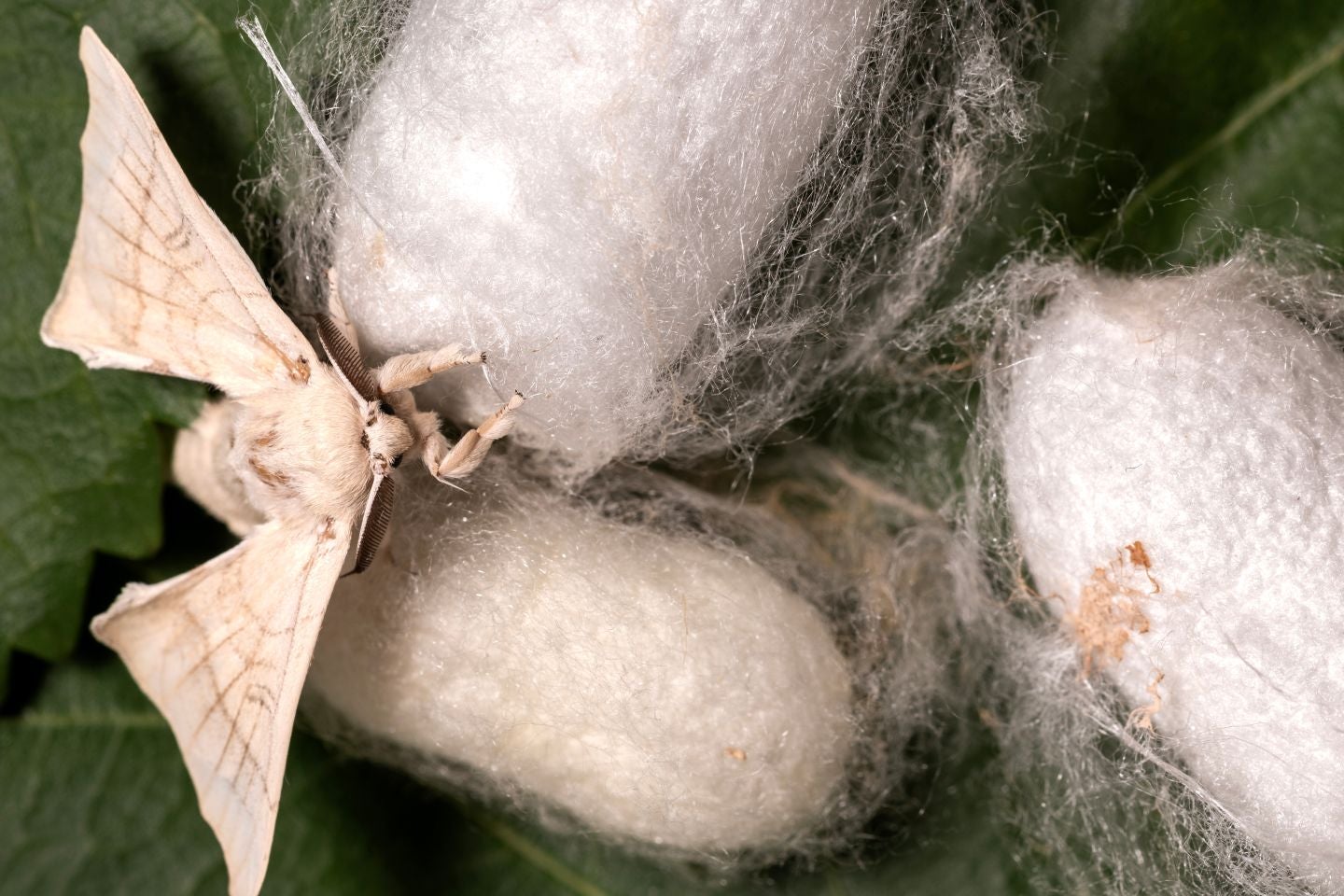
However, this aggressive expansion strategy runs directly into a rapidly shifting global regulatory landscape. Over the past several years, consumer demand, investor scrutiny, and legislative mandates in major Western economies have converged around supply chain due diligence.
Global Implications: The Threat of Import Bans and Trade Sanctions
The persistence of forced labor in Uzbekistan’s silk sector carries profound geopolitical and commercial risks. Unlike the regulatory environment of a decade ago, international trade law is undergoing a seismic shift toward mandatory human rights and environmental due diligence.
In the United States, the Uyghur Forced Labor Prevention Act (UFLPA) and broader Tariff Act provisions strictly prohibit the importation of goods mined, produced, or manufactured wholly or in part with forced labor. Simultaneously, the European Union has finalized and implemented ambitious corporate sustainability due diligence directives and a comprehensive ban on products made with forced labor entering the EU single market.
Because global supply chains are deeply interconnected, raw silk and intermediate textiles exported from Uzbekistan to intermediary manufacturing countries—such as Vietnam, China, or Türkiye—frequently end up embedded in finished garments destined for US and EU storefronts. If international brands and importing nations trace these finished goods back to Uzbek supply chains tainted by systemic coercion, they face severe legal liabilities, financial penalties, and reputational damage. Consequently, major international brands are expected to proactively de-risk their supply chains by avoiding textile inputs originating from regions flagged for labor abuses.
By failing to eradicate forced labor in the sericulture sector, the Uzbek government is inadvertently undermining its own hard-won export potential and threatening the long-term viability of the very industries it seeks to promote. The friction between Tashkent’s top-down modernization goals and grassroots labor realities creates a volatile compliance environment for foreign investors and trade partners.
Stakeholder Responses and Recommendations from Human Rights Advocates
The release of the Uzbek Forum report has drawn sharp reactions from civil society leaders and international labor advocates, who are calling for immediate, decisive intervention from the highest levels of the Uzbek government.
Umida Niyazova, director and founder of the Uzbek Forum for Human Rights, emphasized the urgency of structural reform during her remarks accompanying the report’s launch. “The Uzbek government has demonstrated that it successfully followed through on its commitment to abolish state-imposed forced labor of cotton pickers in 2021,” Niyazova stated. “They should now extend these reforms to abolish mandatory quotas and administrative control that facilitate a system of coercion and guarantee private silk companies a steady supply of cheap silk cocoons.”
Echoing these sentiments, the Uzbek Forum has outlined a clear, actionable roadmap for the government of Uzbekistan, international financial institutions, and private sector stakeholders. The primary recommendations include:
- Abolition of Mandatory Quotas: The immediate and unconditional termination of state-imposed silkworm cocoon production quotas and the cessation of administrative pressure or threats of penalty directed at farmers and rural workers.
- Land Tenure Security: The establishment and enforcement of robust land tenure rights for independent farmers and home-based cocoon producers, ensuring they possess the legal autonomy to decide which crops to cultivate based on economic viability rather than administrative fiat.
- Decent Work and Fair Remuneration: Enforcing strict regulatory standards that require silk-producing enterprises to negotiate fair, market-rate purchase prices with producers and guarantee safe working conditions, fair wages, and labor rights compliance across the entire supply chain.
- Independent Monitoring: Permitting unfettered access for independent civil society organizations, labor inspectors, and international monitors to conduct transparent, unannounced assessments of agricultural practices in the sericulture sector.
Fact-Based Analysis of Future Outlook
As international scrutiny intensifies, the government of Uzbekistan faces a critical policy
juncture. The successful eradication of forced labor in the cotton industry proved that sweeping agricultural reform is achievable when backed by genuine political will and constructive engagement with civil society and international partners.
However, the silk sector presents a distinct structural challenge due to the involvement of entrenched regional monopolies and private clusters that rely heavily on artificially suppressed production costs. If Tashkent wishes to avoid international trade isolation and maintain its trajectory as a globally integrated, modern economy, it must apply the successful playbook of the cotton reforms to the silk industry.
Failure to address the root causes of coercion documented in the Uzbek Forum report will not only perpetuate human rights violations against vulnerable rural populations but will also jeopardize millions of dollars in export revenues, ultimately stalling Uzbekistan’s broader economic modernization agenda.