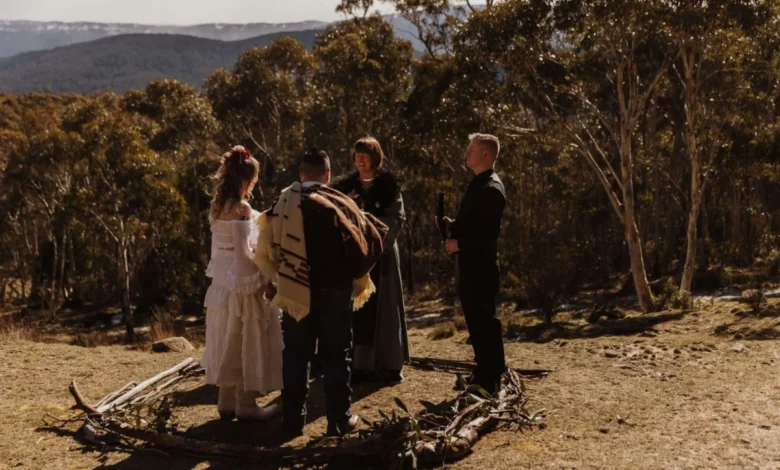
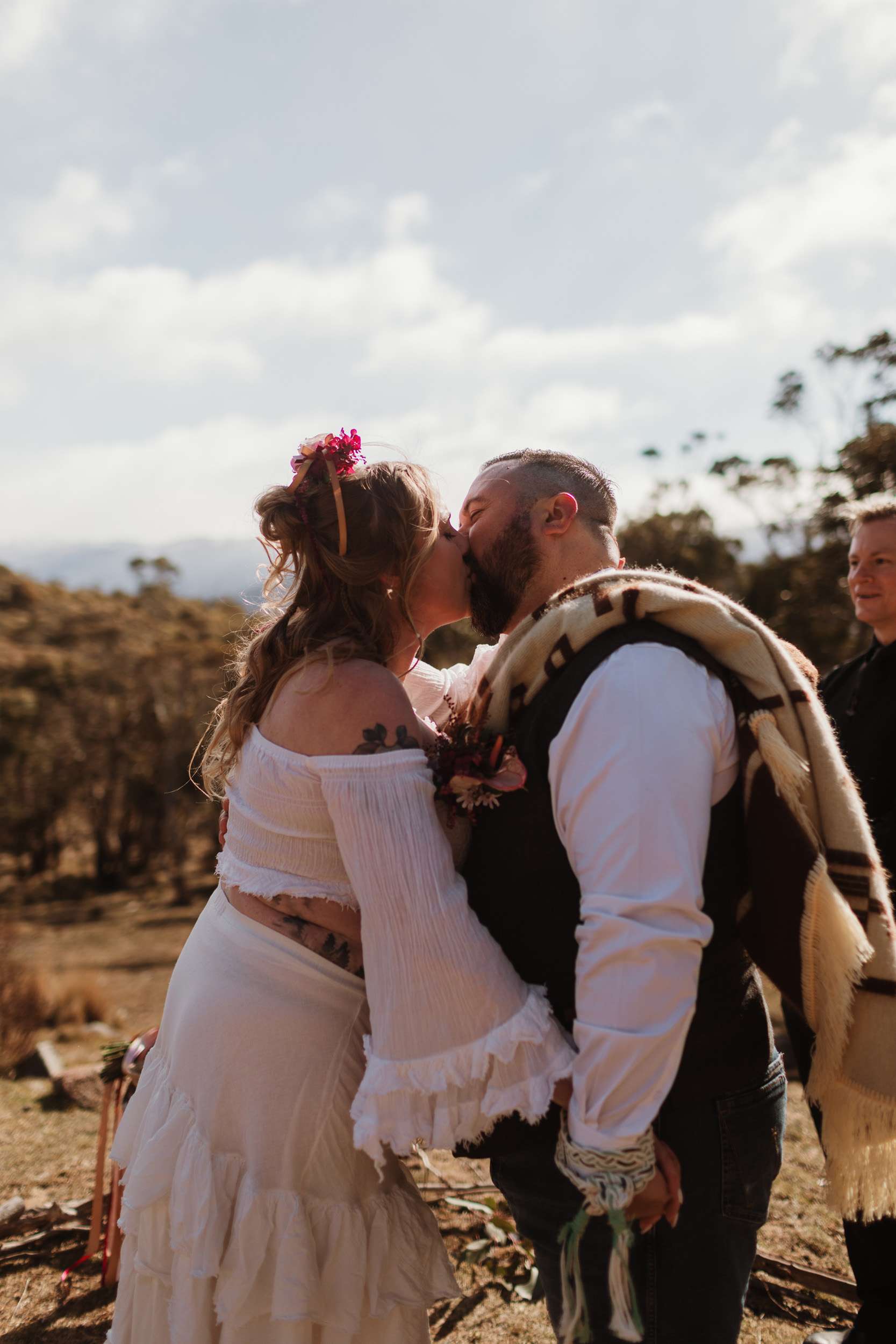
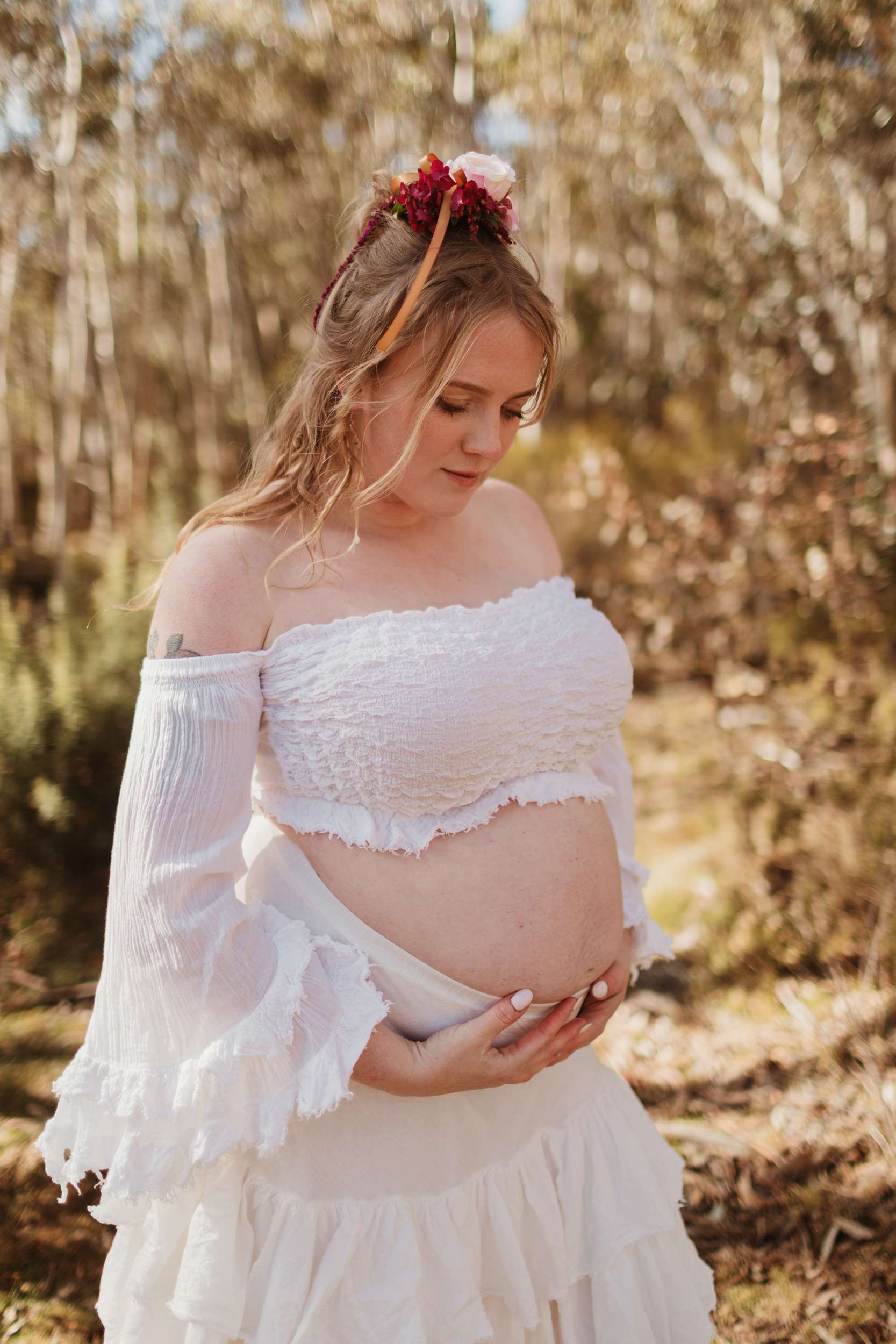
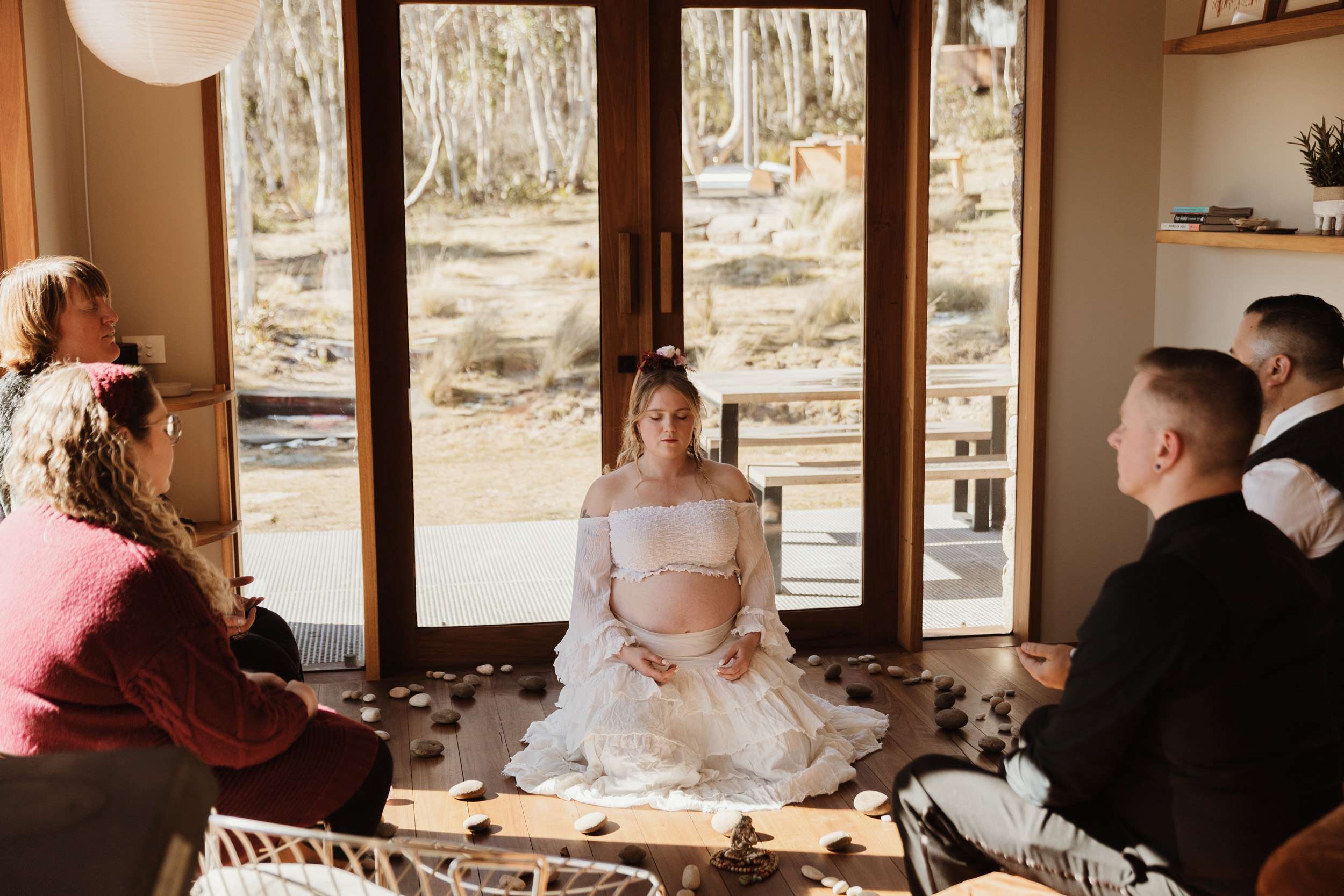
In a striking convergence of ancient tradition, personal spirituality, and modern intimate celebration, Lydia, 27 weeks pregnant, and her partner Scott recently solemnized their union in the heart of New South Wales’ Snowy Mountains. The elopement, held at the off-grid Mill Cabin in Crackenback, served not only as a wedding ceremony but also as a dedicated "Mother Blessing," grounding the couple’s transition into parenthood within a framework of nature-centric rituals and familial legacy.
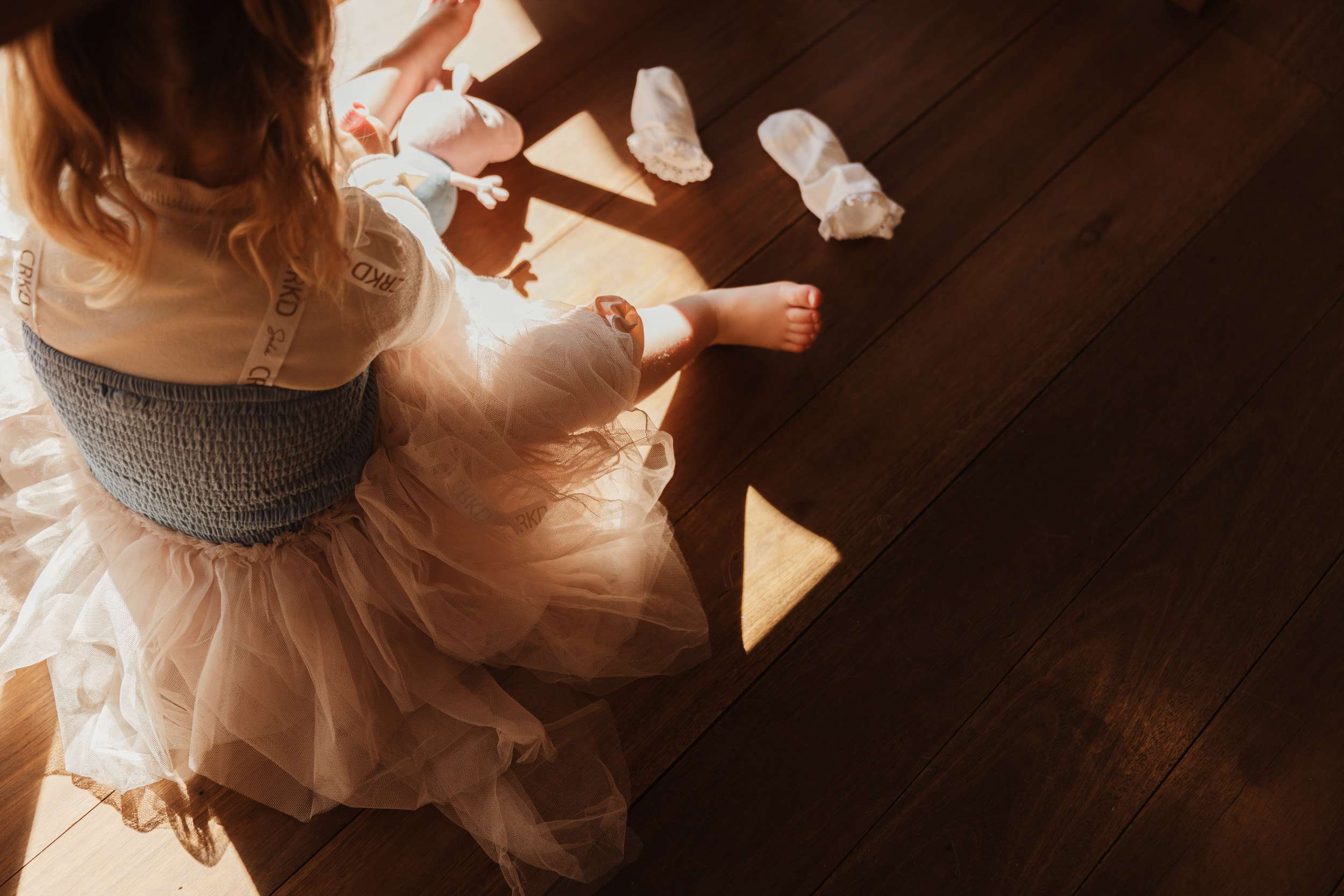
The ceremony took place amidst the backdrop of the Australian winter, with light snowfall dusting the high-altitude landscape. The setting, characterized by panoramic views toward the peaks of Thredbo and Perisher, provided the exact environment Lydia had envisioned long before her pregnancy. The couple, accompanied by their daughter Indigo—who navigated the snowy terrain in bright, characteristic fashion—eschewed traditional large-scale wedding logistics in favor of a quiet, intentional, and highly personalized experience.
A Chronology of the Commitment
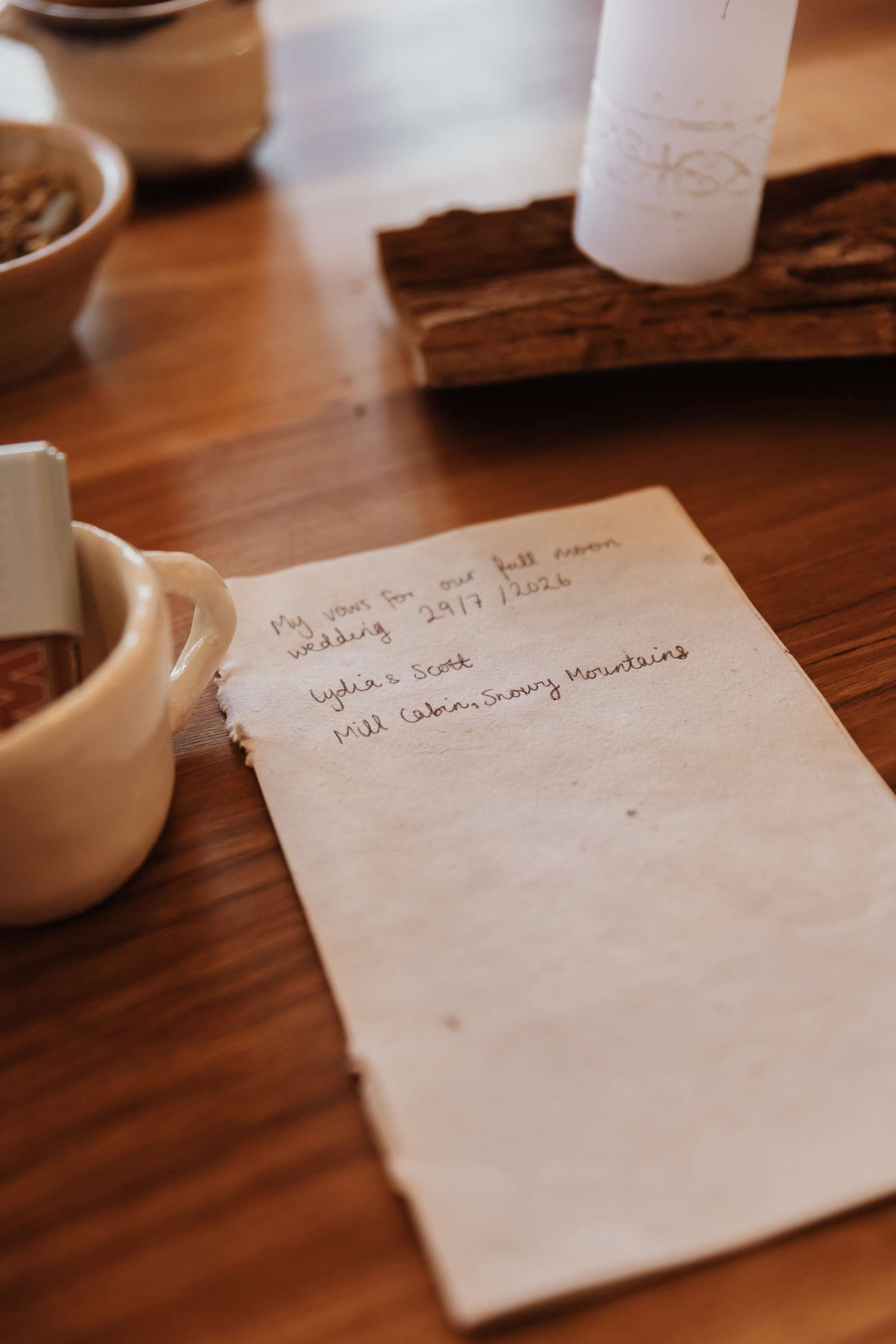
The path to this mountain elopement began with a personal discovery. While reviewing old journals for inspiration for her wedding vows, Lydia encountered a long-forgotten entry detailing a specific vision for her eventual marriage. The passage described a ceremony featuring handfasting in the mountains, barefoot movement, and a union defined by pagan rituals and Buddhist influences.
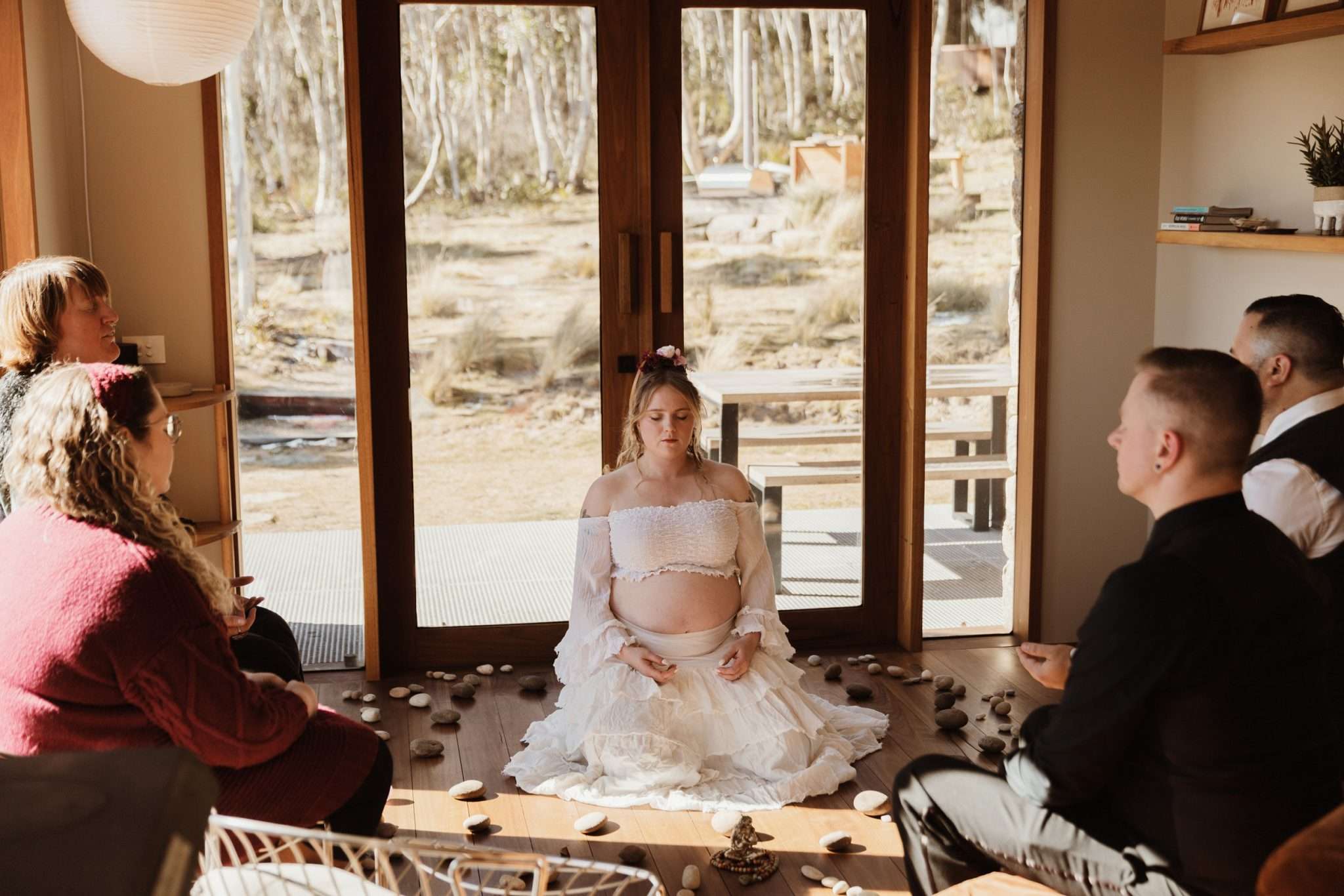
"I had a vision of us being handfast in the mountains, me in a flowy fairy creamy dress and barefoot and you in some sort of mythical wonder of animal skin or something totally insane," the entry read. "Daisy crown, pagan rituals, Buddhist touches. Everybody not so close to us in absolute shock but we don’t care."
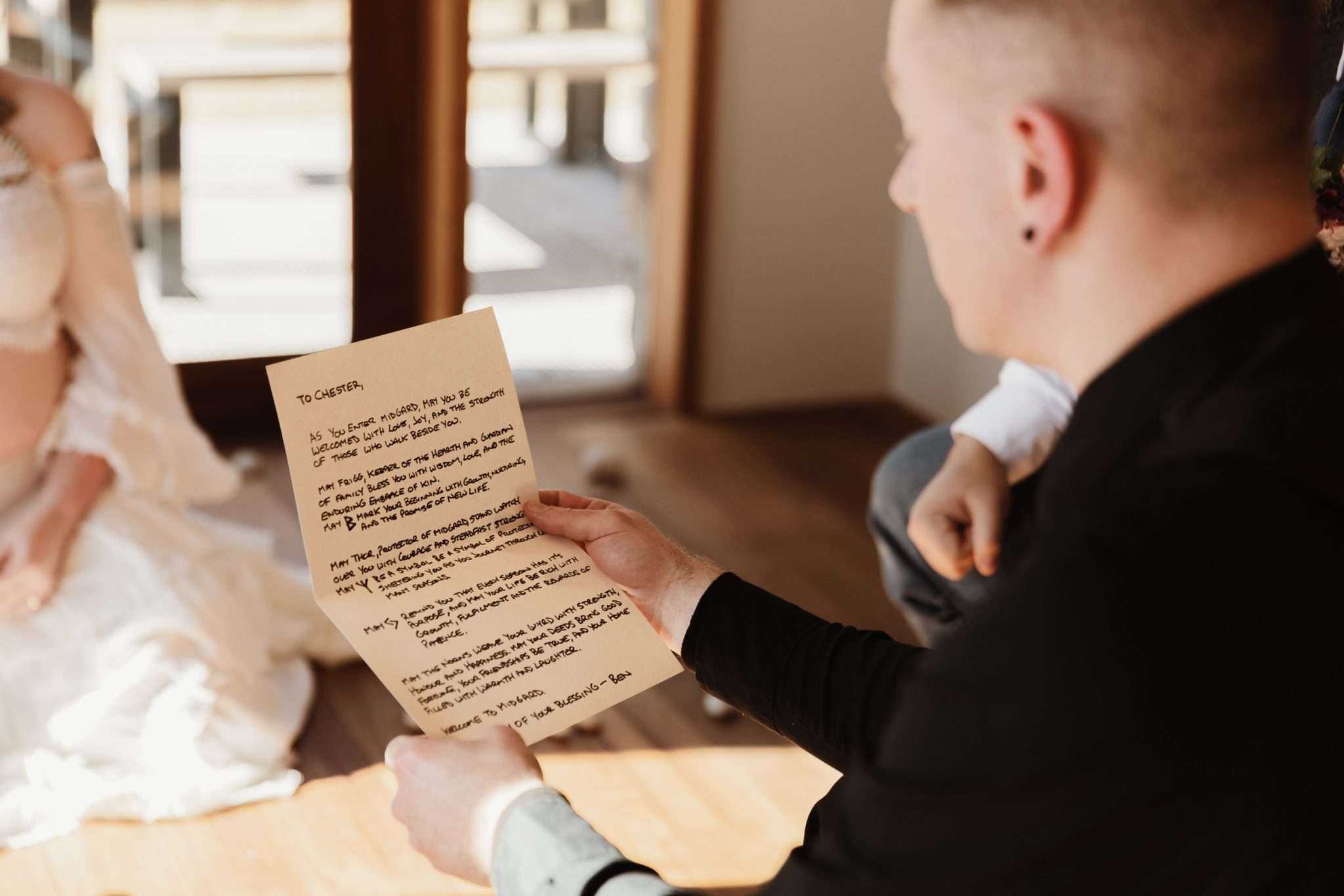
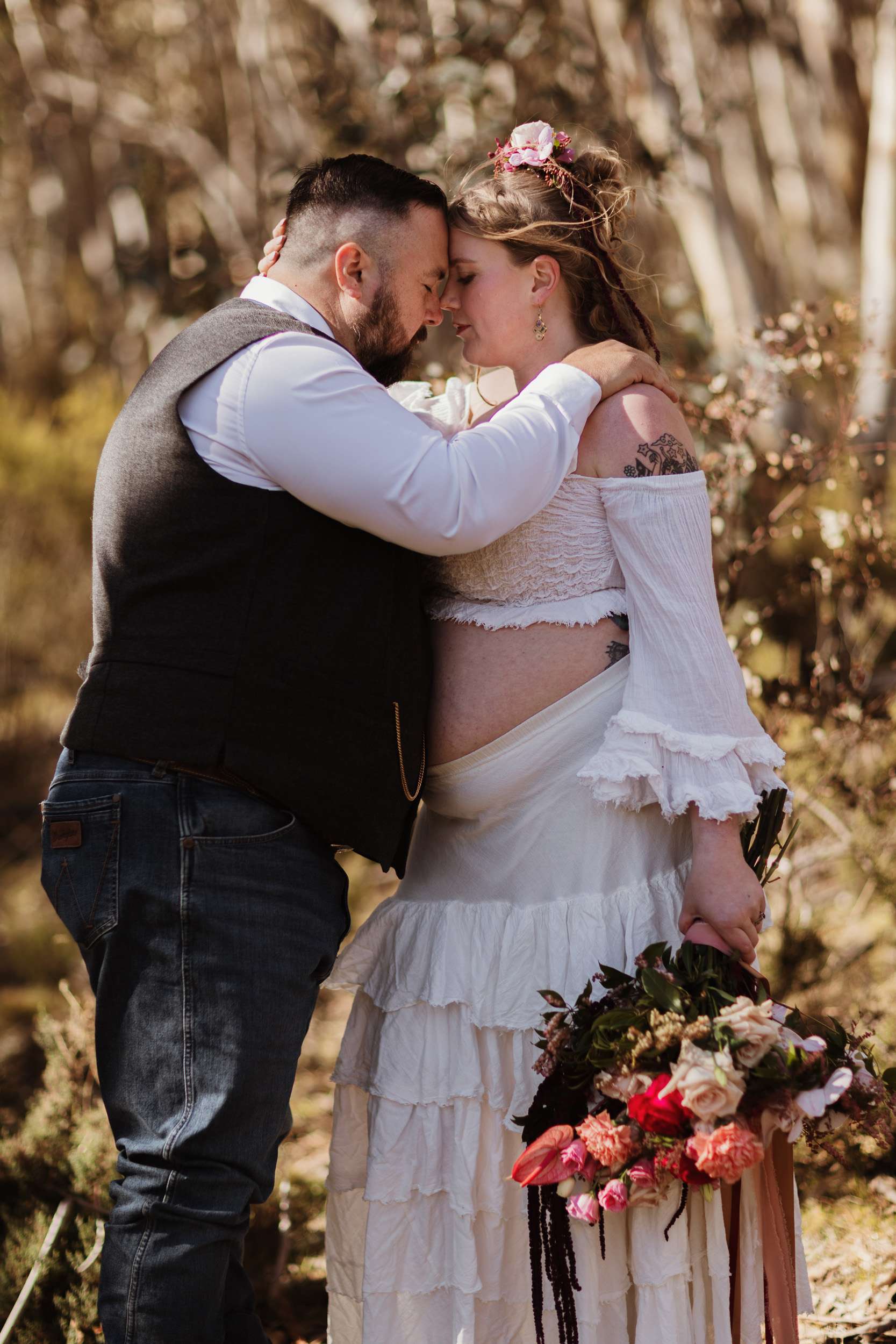
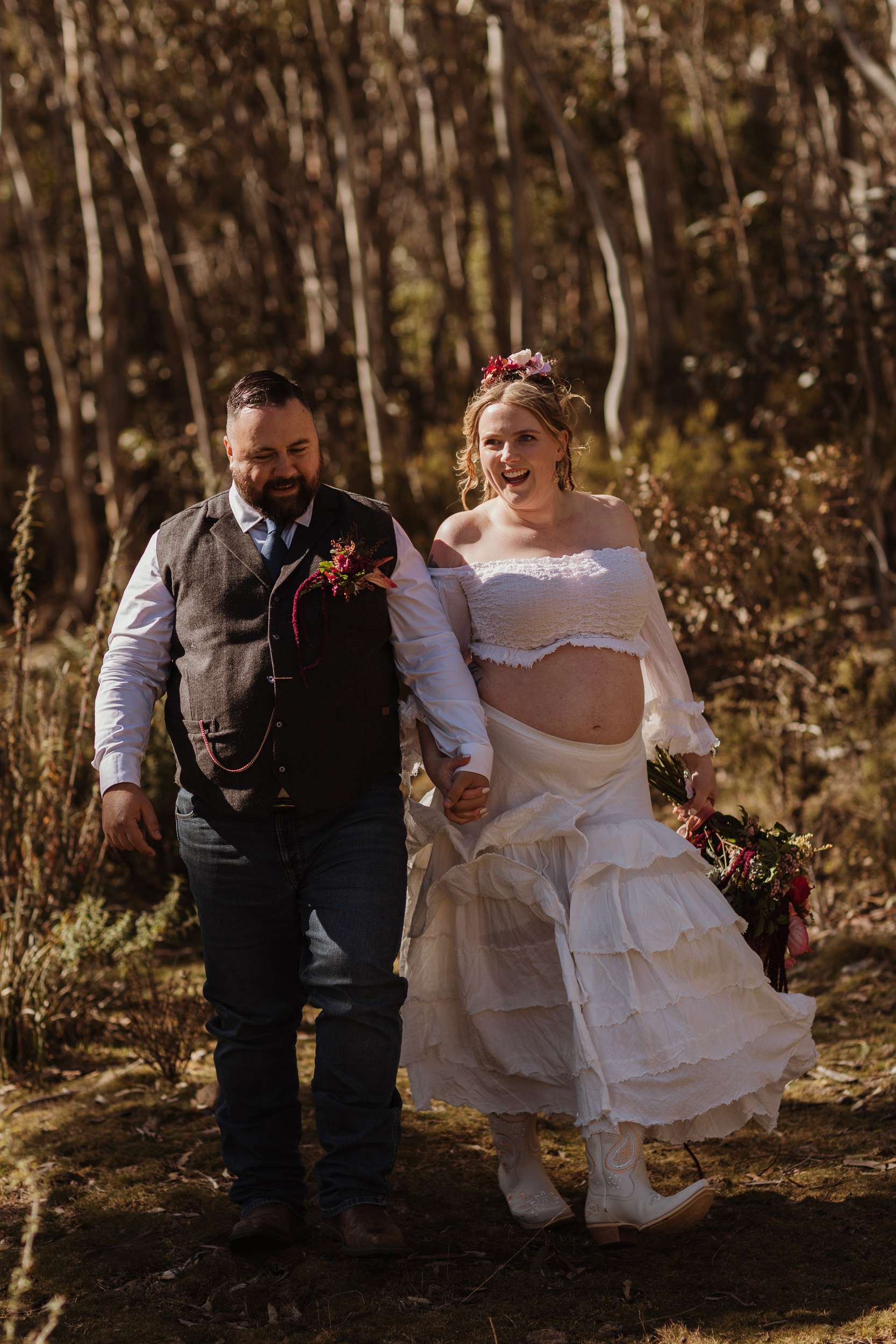
While the reality of the cold necessitated the substitution of footwear for the envisioned bare feet, the essence of the dream remained intact. Scott adopted a poncho reminiscent of Clint Eastwood’s aesthetic in The Good, the Bad and the Ugly, complemented by an ancestral pocket watch. The ceremony was facilitated by celebrant Jenneth, who traveled from the Central Coast to oversee the proceedings. The timeline of the event was condensed to ensure safety and comfort, concluding before nightfall to allow for safe transit through the volatile alpine weather.
Integration of Diverse Spiritual Traditions
The ceremony was defined by the synthesis of two distinct belief systems: the Kundalini yoga practices of the bride and the Asatru beliefs of the groom. Asatru is a modern reconstructionist form of Germanic paganism that emphasizes ancestral connection and the veneration of nature.
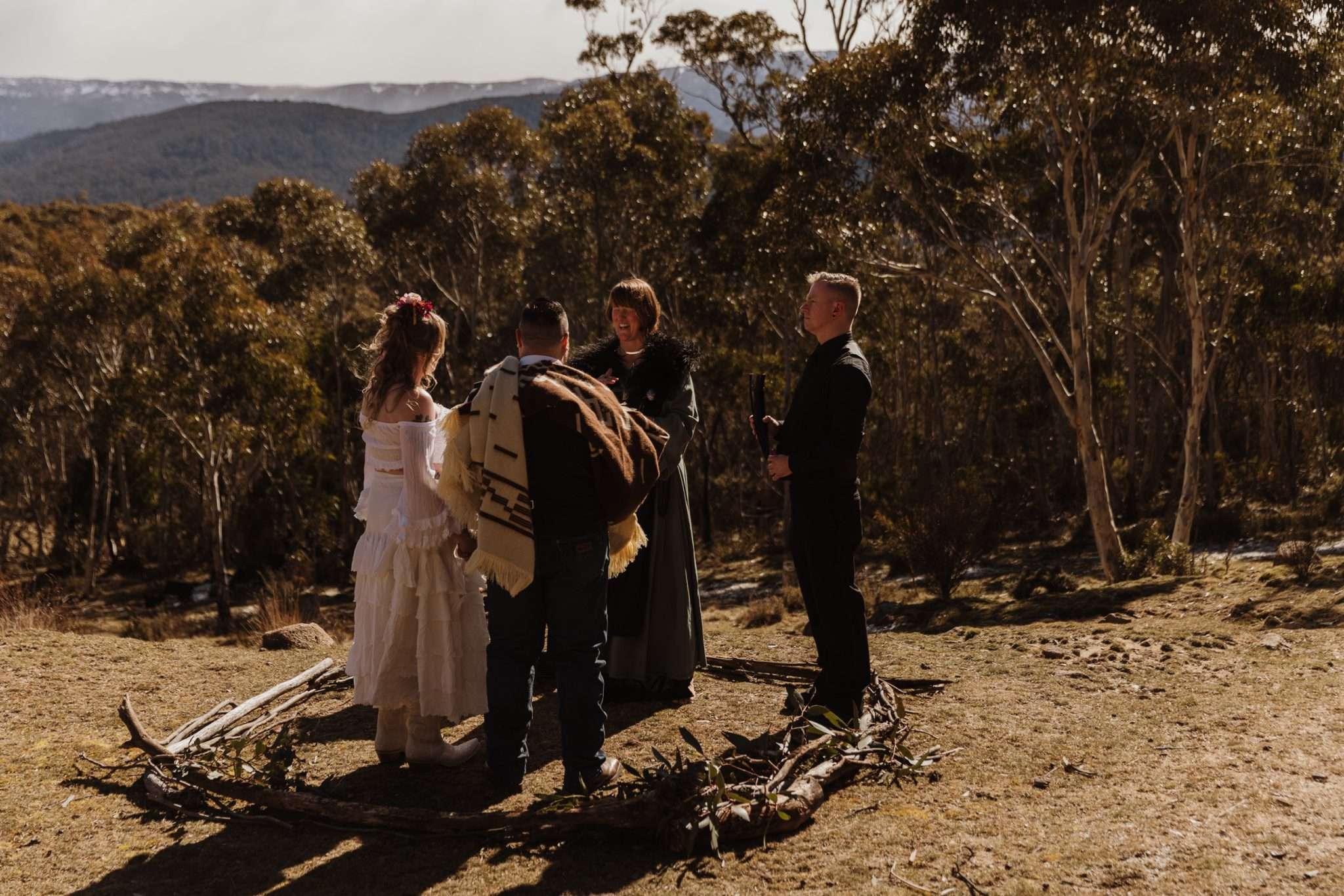
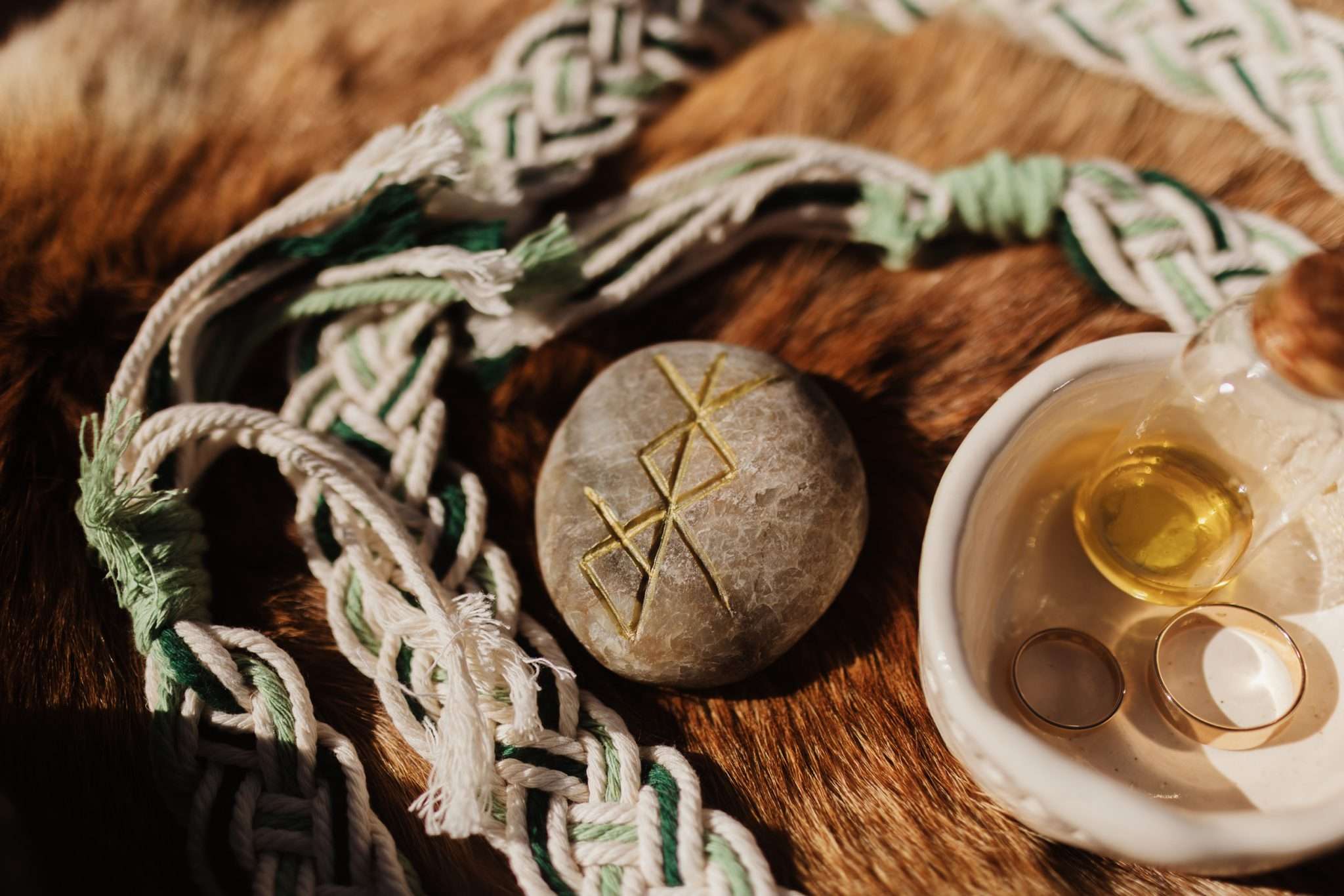
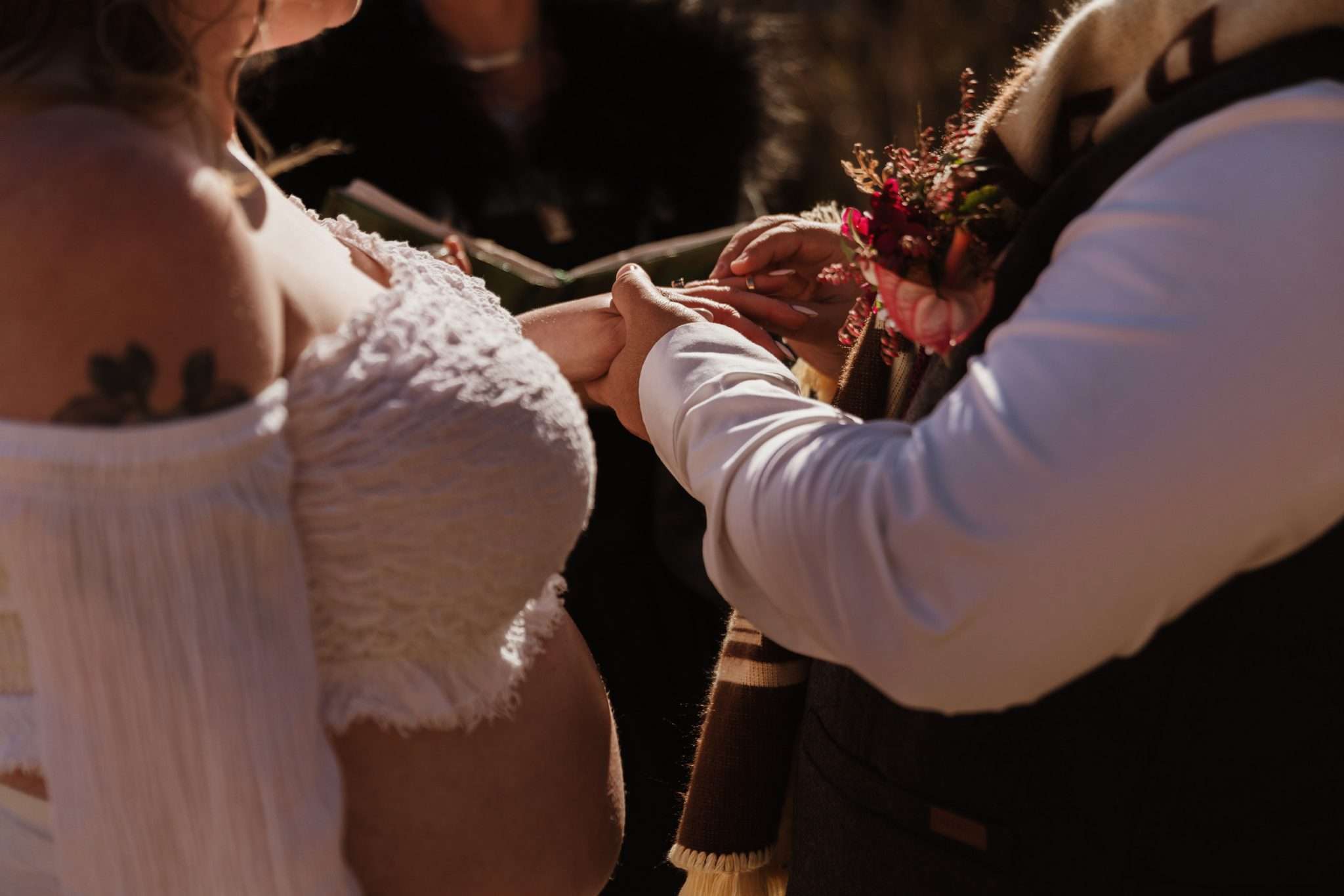
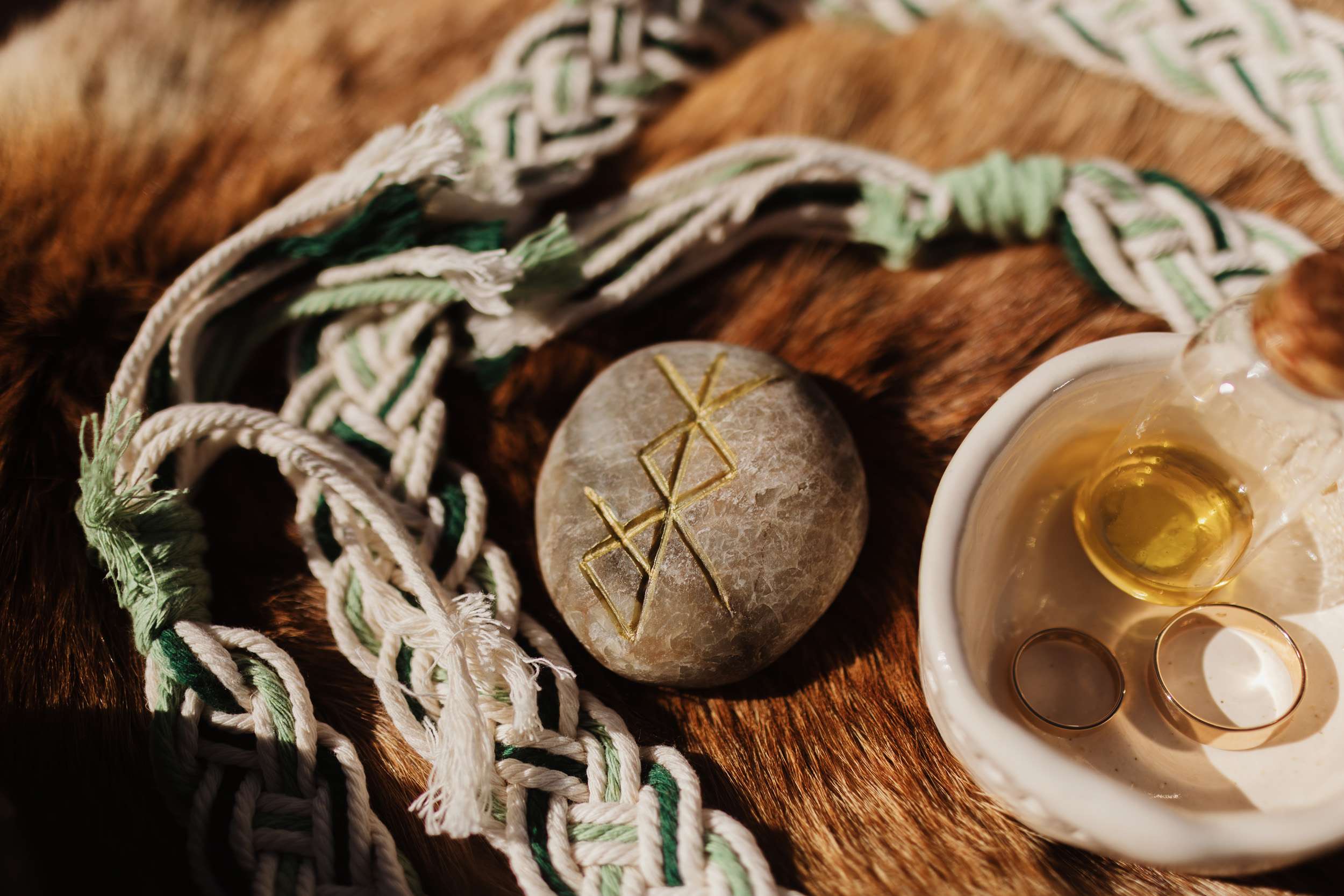
The ritualistic elements were carefully curated to honor these paths. Central to the proceedings was the handfasting, a traditional Celtic ritual symbolizing the binding of two lives. During this time, the couple held an "oathing stone"—a river stone personally sourced and etched with runes by the celebrant. The couple stood within a natural mandala constructed from fallen eucalypt branches, sticks, and logs, punctuated by rose quartz crystals.
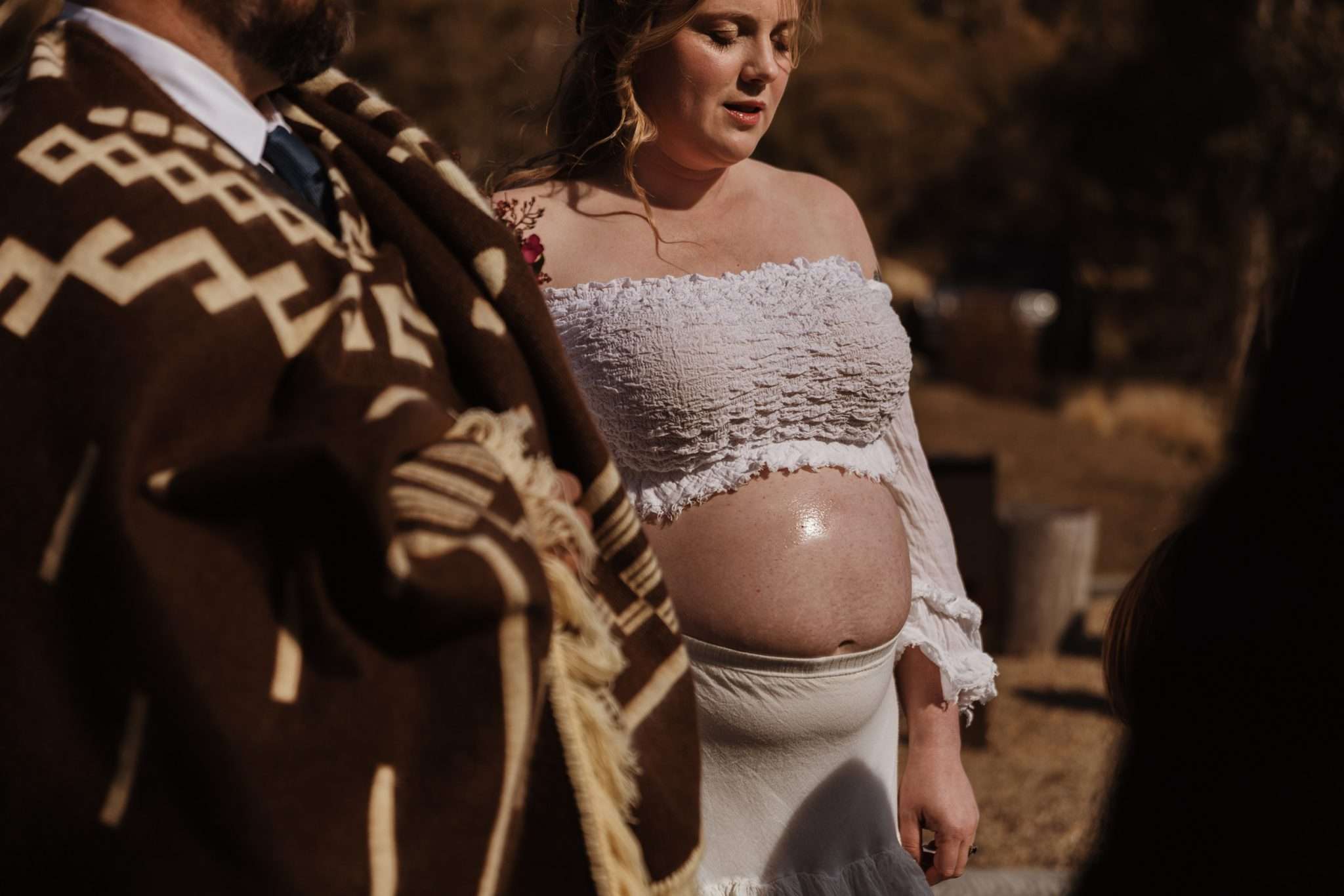
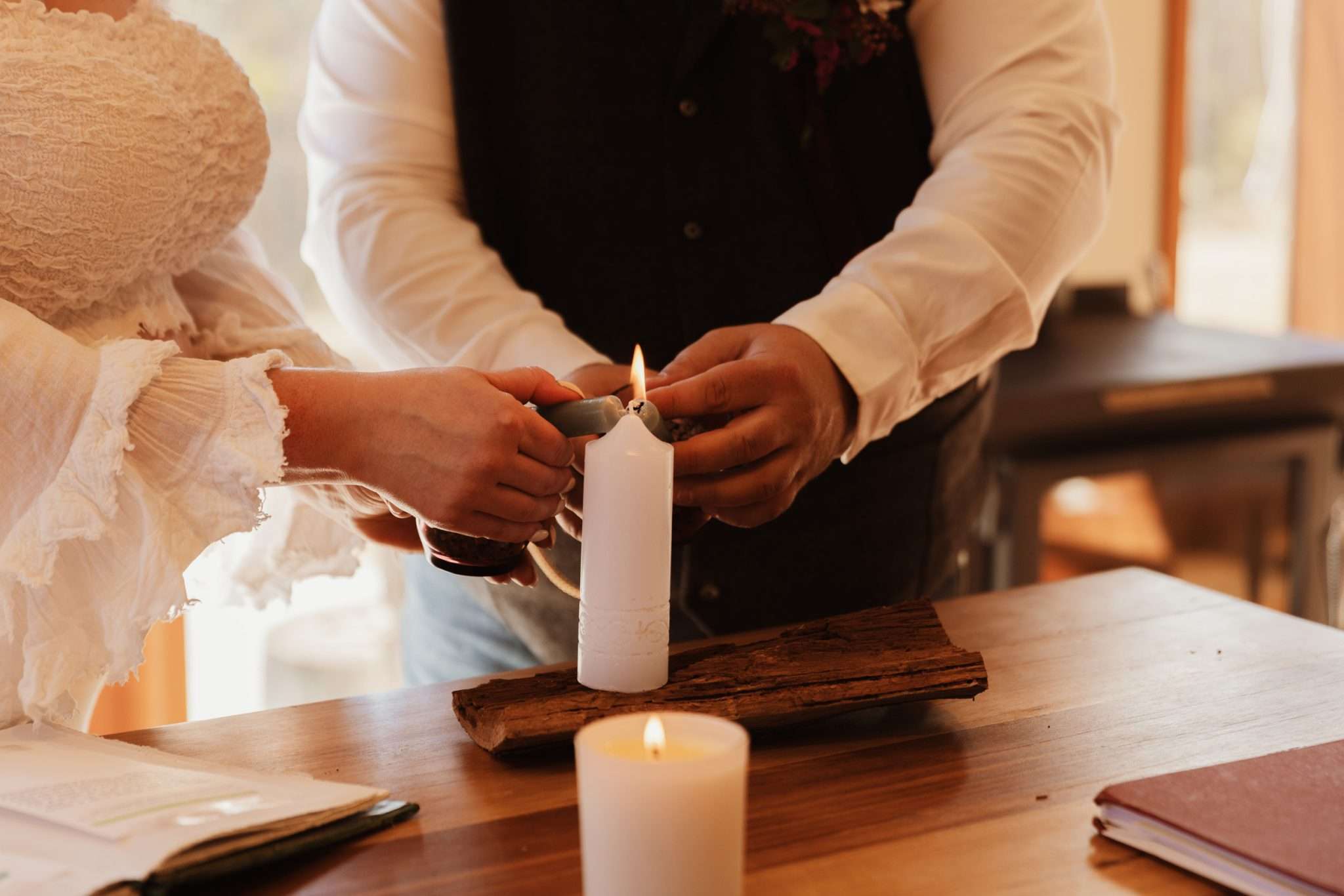
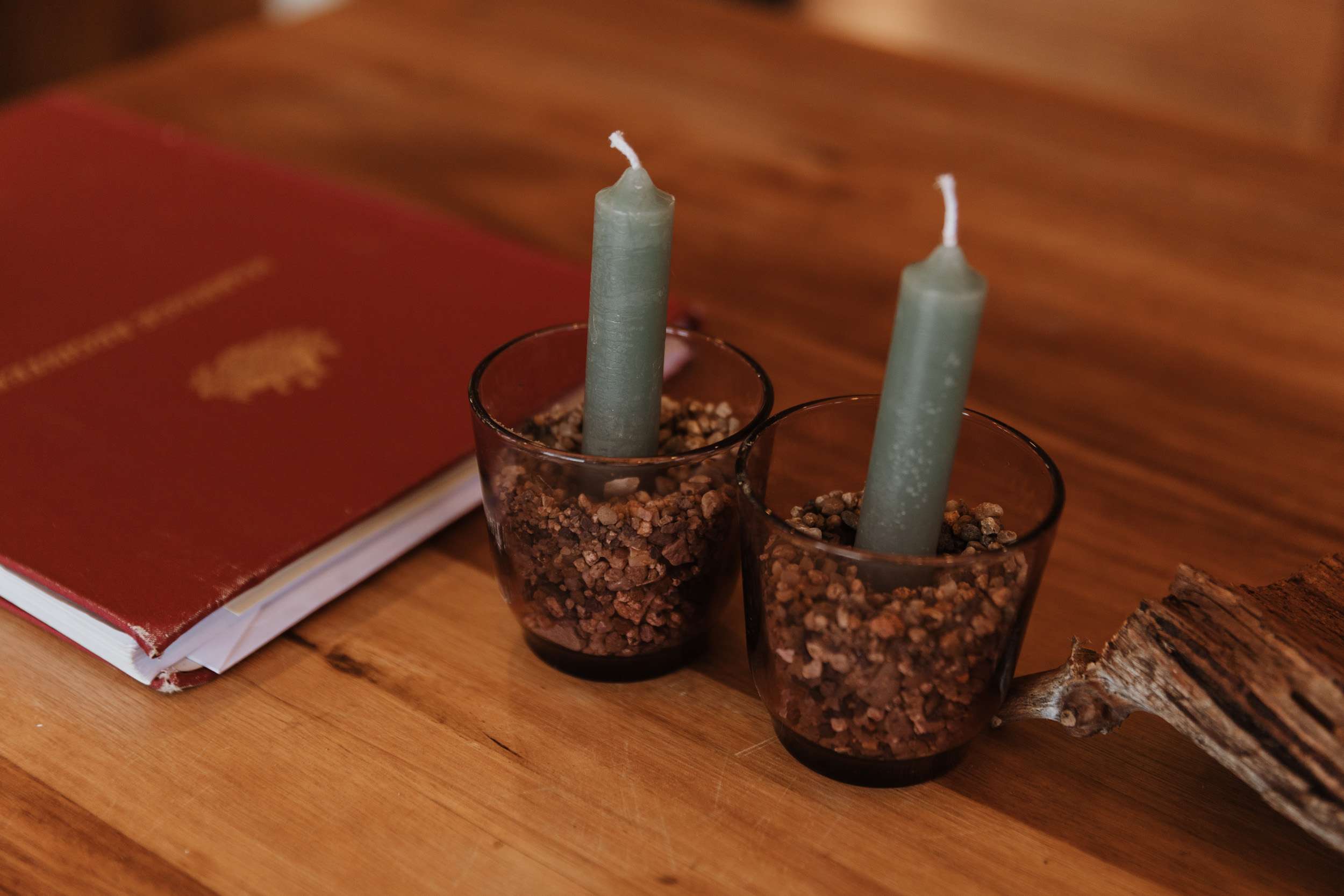
The act of drinking mead from a bullhorn served as a symbolic nod to ancient Norse traditions, while the lighting of a singular pillar candle from two separate flames represented the merging of two individual lives into one cohesive unit. Throughout the ceremony, the couple explicitly acknowledged the strengths inherited from their respective ancestors, viewing their marriage as a continuation of a historical lineage.
Material Legacy and Symbolic Artifacts
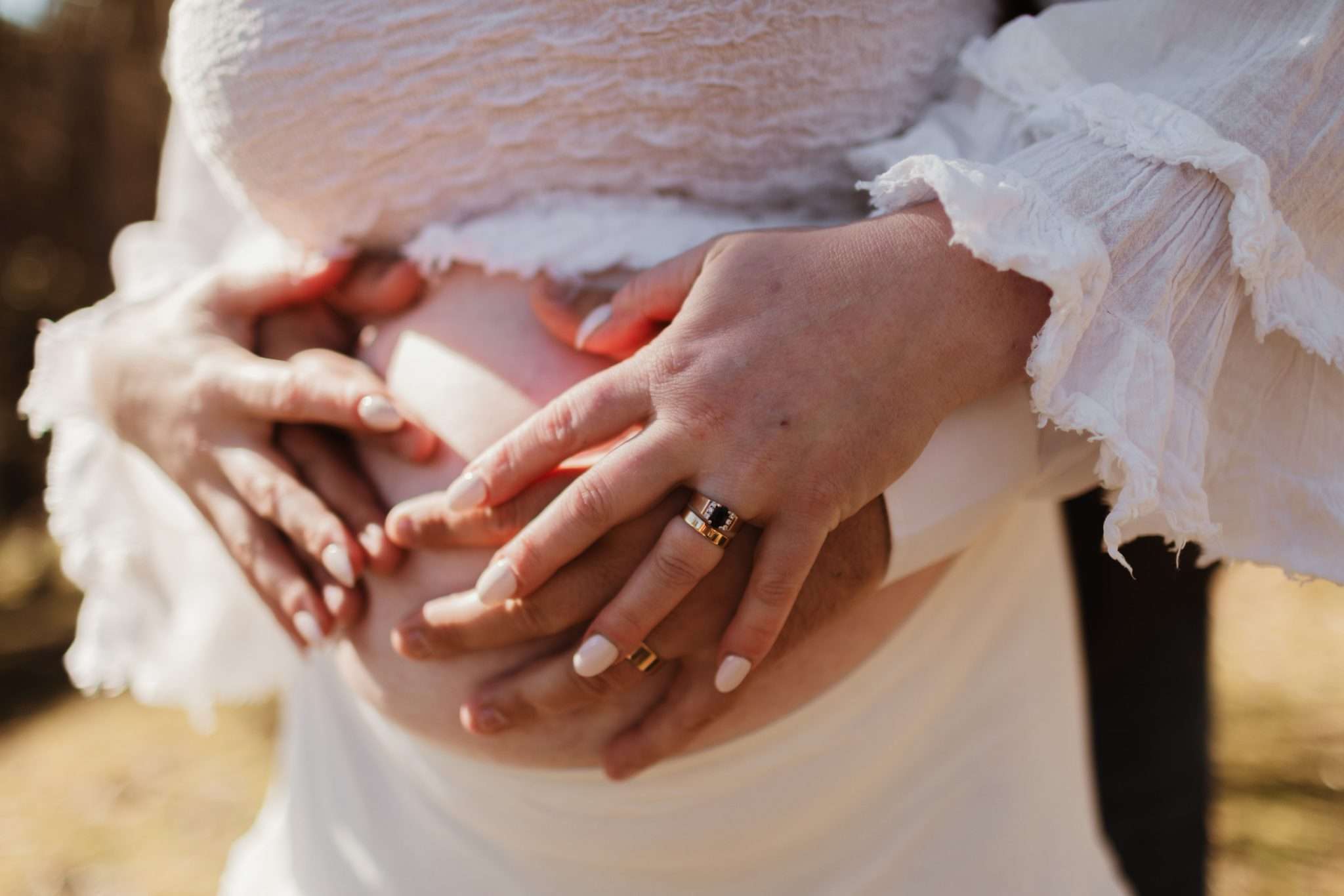
Physical objects played a critical role in anchoring the ceremony to the couple’s history. The wedding rings exchanged were those once worn by Scott’s parents during their 1970s marriage. Following the passing of Scott’s mother, these rings took on a heightened significance, serving as a conduit for the presence of the family lineage.
Lydia further personalized the ceremony by hand-crafting the ceramic bowl used to hold the rings, inscribing it with their names. These details underscore a growing trend in contemporary wedding planning: the move away from commercialized, mass-produced wedding accouterments in favor of heirlooms and handcrafted items that possess narrative weight.
The Rise of Micro-Weddings and Elopements
The decision to keep the guest list limited to the couple, their daughter, and two close friends reflects a broader socioeconomic trend toward "micro-weddings" or "intentional elopements." Economic data suggests that the average cost of a traditional wedding in Australia frequently exceeds $30,000, a figure that often necessitates significant debt or long-term financial strain. By opting for a small, weekday gathering at an off-grid location, Lydia and Scott were able to prioritize their personal values over the logistical and financial pressures of hosting a large-scale event.
This trend is not merely a matter of financial prudence; it represents a psychological shift. Couples are increasingly seeking autonomy over their personal milestones. In this case, the decision to exclude extended family was identified as the most challenging aspect of the planning process. However, the couple concluded that the intimacy of the event was paramount to maintaining the integrity of the rituals they sought to perform.
Sociological Implications of Modern Paganism in Ritual
The incorporation of pagan and nature-based rituals into the Australian wedding landscape is indicative of a broader move toward individualized spirituality. As traditional religious participation declines, many individuals are curating personal "spiritual toolkits" that draw from various traditions.
The use of the natural environment—the Snowy Mountains—as a "temple" reflects the growing importance of environmental consciousness in social rituals. By utilizing a natural mandala and foraging for materials, the couple minimized their environmental footprint while simultaneously elevating the ceremony’s spiritual resonance. This "green" approach to wedding ceremonies is becoming a hallmark of modern, ethically conscious couples who view their union as being deeply embedded in the natural world rather than separate from it.
Expert Perspectives on Intimate Ceremonies
Celebrants and wedding planners note that the "shotgun elopement"—a colloquial term the couple used for their own event—often allows for a higher degree of emotional authenticity. By removing the pressure of performing for an audience, the couple is better able to focus on the significance of the vows.
"When you strip away the extraneous expectations of a large wedding, you are left with the core purpose of the event," says a spokesperson for a boutique wedding planning agency. "For many couples, this involves incorporating personal belief systems that might otherwise be seen as too ‘alternative’ for a traditional banquet hall. The rise of these intimate mountain ceremonies is a direct response to a desire for deeper, more meaningful human connection."
Looking Forward
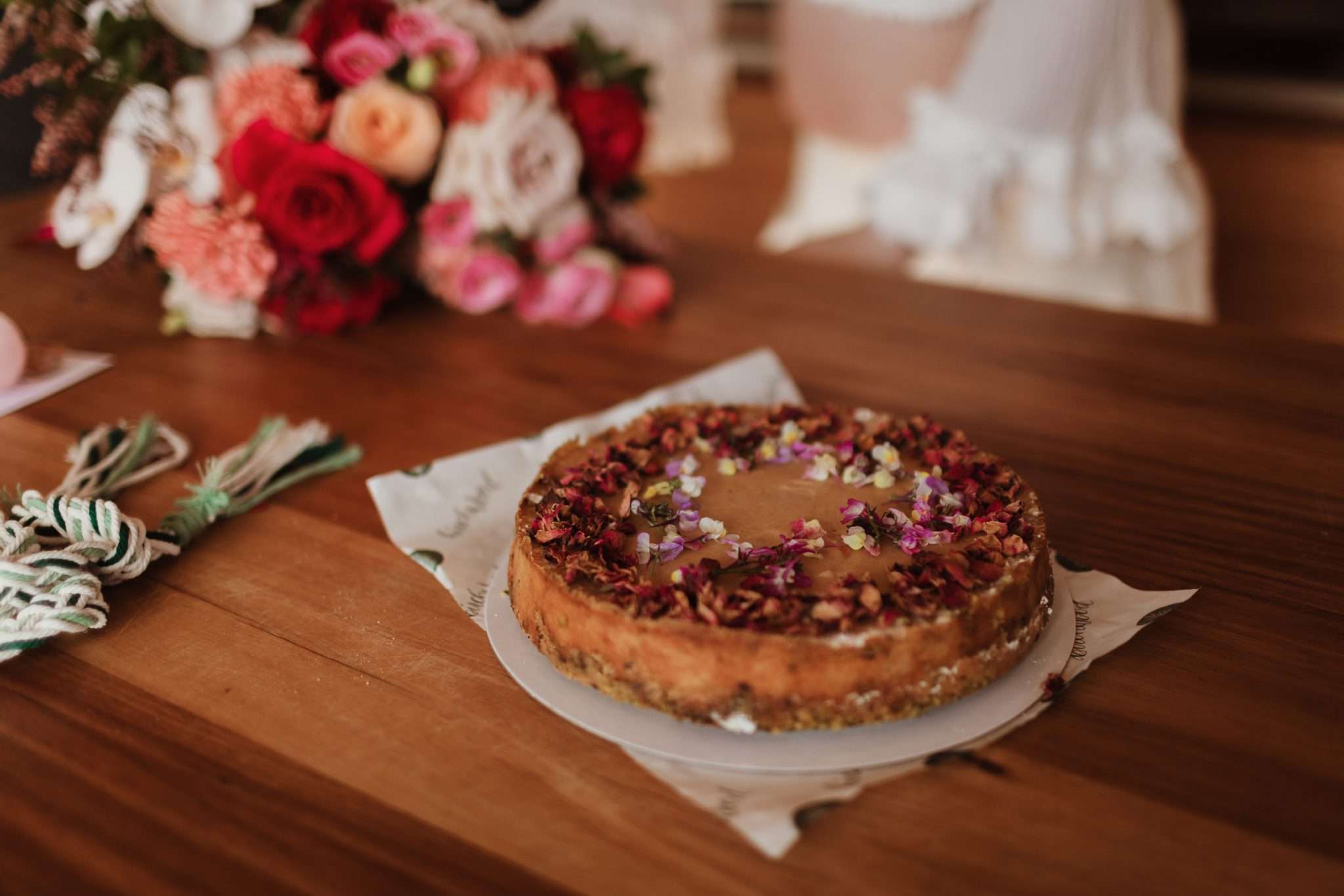
Following the ceremony, the small group shared a catered lunch, which included a Persian love cake—a traditional dessert favored by the bride from her experiences in Kundalini yoga retreats. The event concluded in the afternoon, allowing for a responsible transition back to daily responsibilities.
For other couples considering a similar path, the bride offers a clear directive: "Hold true to your vision of who you are individually, who you are as a couple, and how you want yourselves and the party to feel on the day."
As the couple prepares for the arrival of their new child, their marriage stands as a testament to the idea that modern life, even when lived in the context of the 21st century, can be deeply enriched by the thoughtful application of ancestral and personal spiritual practices. The Crackenback ceremony, characterized by its quiet, relaxed nature and deep grounding in the landscape, provides a compelling blueprint for how future couples might navigate the intersection of tradition, family, and personal identity.
Related posts: