Lulu and Georgia Makes Its Leap to Physical Retail with a Flagship Los Angeles Showroom

After more than a decade of establishing its footprint exclusively within the digital landscape, contemporary home furnishings brand Lulu and Georgia has made a definitive leap into physical retail. The company has officially opened its inaugural brick-and-mortar showroom in Los Angeles, securing a prominent location on Melrose Avenue within the vibrant West Hollywood Design District. Designed in strategic partnership with Los Angeles-based designer Kevin Klein, the new space departs entirely from conventional, warehouse-style furniture retailing. Instead, it invites consumers, interior designers, and architecture enthusiasts into a meticulously curated series of residential-inspired rooms, allowing the brand’s eclectic aesthetic to be experienced firsthand.
The Evolution from E-Commerce Pioneer to Omnichannel Brand
The launch of the West Hollywood showroom marks a major milestone in Lulu and Georgia’s corporate timeline. Founded as a digital-first enterprise, the brand spent over ten years cultivating a loyal online following by offering curated selections of home decor, contemporary furniture, and exclusive designer collaborations. As consumer habits shifted in the post-pandemic retail environment, the demand for omnichannel touchpoints grew increasingly pressing.
For high-end and mid-to-high home furnishings brands, the digital realm offers immense reach, but it fundamentally lacks tactile engagement—a critical component when consumers are investing in sofas, dining tables, and textiles. By establishing a physical flagship in one of the country’s most competitive design hubs, Lulu and Georgia is bridging the gap between digital discovery and physical evaluation. West Hollywood’s Design District serves as an ideal testing ground for this transition, placing the brand in direct proximity to top-tier interior designers, architects, and design-conscious consumers who heavily influence the Southern California aesthetic market.
Architectural Vision and Spatial Design
Rather than organizing inventory by product categories—such as lining up rows of sofas or stacking identical chairs—designer Kevin Klein approached the showroom layout with the mindset of a residential architect. The interior architecture seamlessly marries traditional heritage details with a contemporary vocabulary, drawing heavy inspiration from international interior design sensibilities.
"The combination of traditional and contemporary materiality and details was inspired by what you might find in a recently renovated flat in Milan or Paris," Klein explains. "You would find heritage-inspired architectural materiality and details converging with a more modern architectural vocabulary and construction sensibility."

This conceptual fusion is immediately evident upon entering the showroom. Visitors are greeted by a custom floral-inspired mosaic tile floor positioned directly beneath a striking, contemporary steel-framed skylight. Natural light pours through the overhead glass, washing across the intricate tilework and establishing an instant dialogue between historical craftsmanship and modern industrial design.
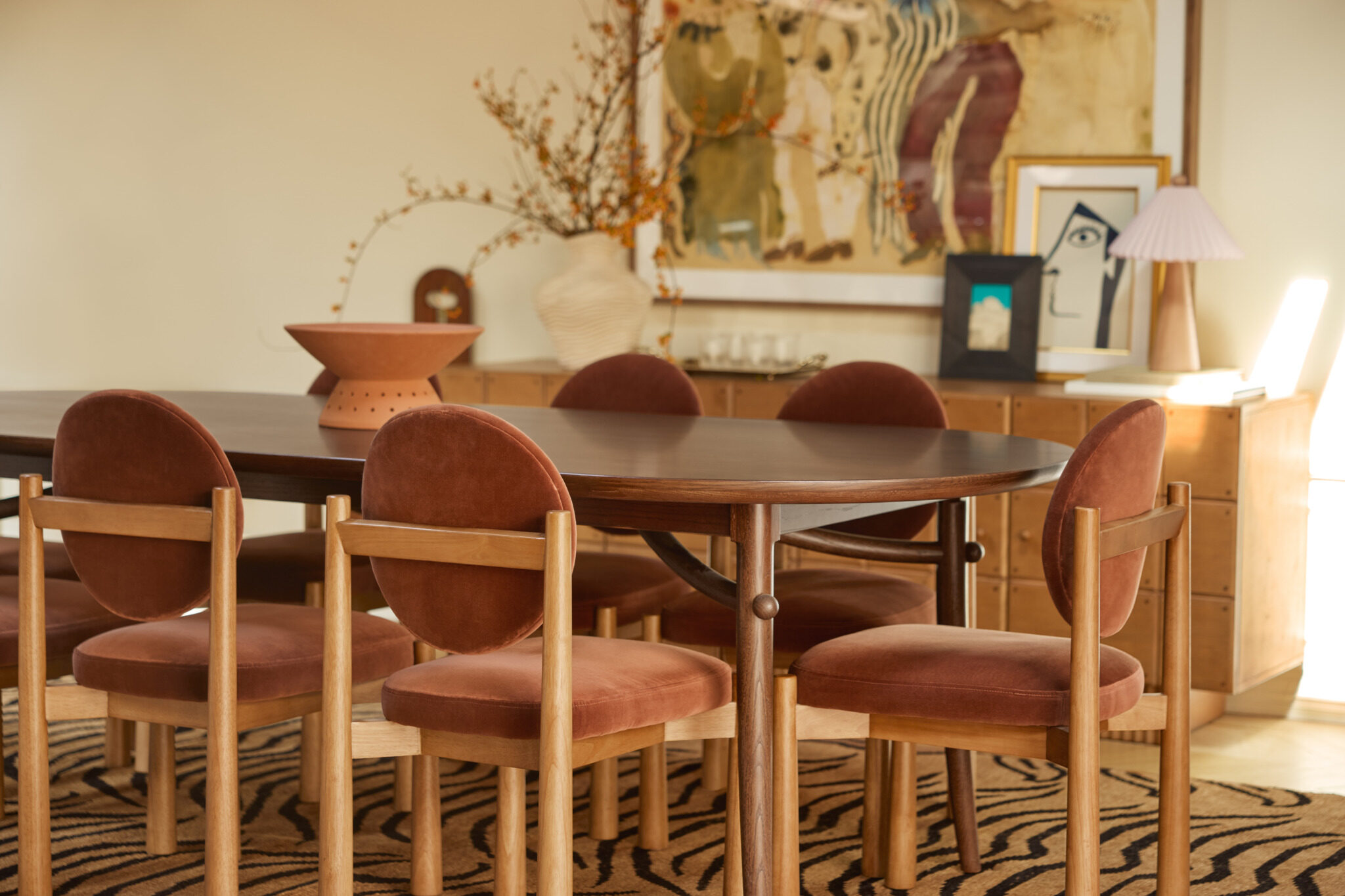
Moving further into the space, visitors encounter a series of distinct room vignettes that avoid repetitive displays and high-intensity track lighting. Instead, Klein incorporated decorative light fixtures sourced directly from Lulu and Georgia’s catalog, fostering an authentic residential ambiance. In one primary living area, a bold blue-and-burgundy striped sofa commands attention, balanced by warm wood finishes, upholstered seating, and meticulously arranged tabletop objects that give the room a collected, lived-in quality.
Transitioning into the bedroom vignettes, the atmosphere shifts toward intimacy and comfort. Here, floral wallpaper, soft pink textiles, and richly textured fabrics—including a quilted terracotta-colored bedspread—create a cocoon-like environment. Throughout the entire footprint, traditional retail mechanisms, such as prominent checkout counters and cash wraps, have been deliberately eliminated. They are replaced by hospitality-oriented points of interaction that prioritize customer service and design consultation over transactional speed.
Immersive Resources for Design Professionals and Consumers

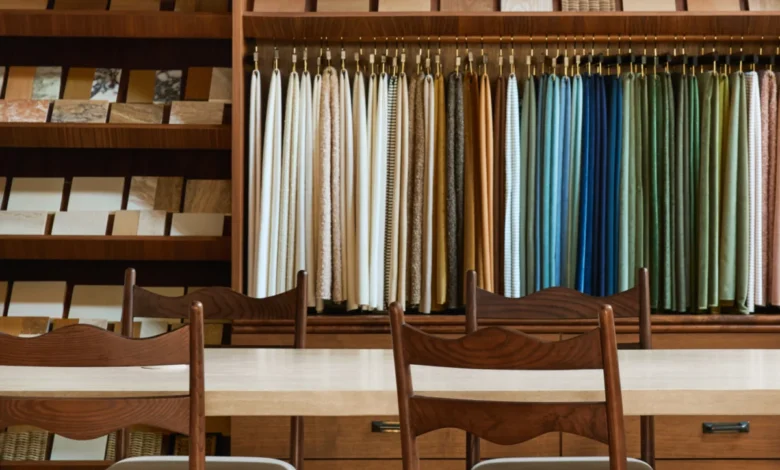
The showroom is not merely a static display gallery; it functions as a comprehensive resource center for both retail consumers and trade professionals. A dedicated library of fabric and material swatches occupies a prominent section of the floor plan, accompanied by consultation tables where visitors can examine wood finishes, metal platings, and upholstery options up close.
To further support clientele, Lulu and Georgia has integrated an on-site design team offering complimentary, personalized consultations. Whether clients require assistance with full-scale floor planning, spatial layout optimization, or cohesive color palette selection, the professional staff provides tailored guidance that elevates the shopping experience far beyond traditional retail assistance.
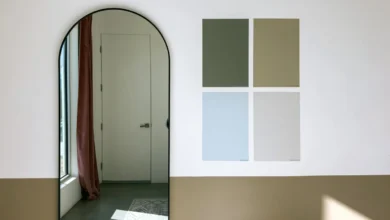
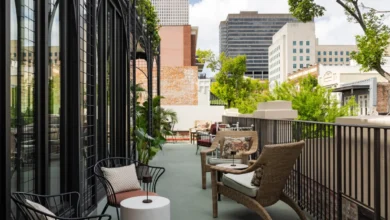
Furthermore, the showroom integrates an artistic layer in its exterior and transitional zones. A custom courtyard mural created by longtime brand collaborator Sarah Sherman Samuel infuses the outdoor space with graphic energy, reinforcing Lulu and Georgia’s deep ties to prominent figures in contemporary interior design.
Broader Impact and the Future of Design Retail

The opening of Lulu and Georgia’s Los Angeles showroom reflects a broader industry trend: the maturation of digital-native home brands into physical experiential flagships. In the luxury and mid-century modern furnishings sector, customers increasingly demand an integrated retail journey where digital inspiration translates seamlessly into physical validation.
By anchoring its physical presence in West Hollywood, Lulu and Georgia is positioning itself not just as a retailer, but as an active participant in the local design community. The brand has structured the showroom to host planned events, designer-led panel discussions, and intimate industry gatherings, transforming the space from a commercial storefront into a cultural hub for West Coast design.
Ultimately, the new showroom addresses the ultimate limitation of e-commerce. For a brand that spent over a decade defining its identity through a computer screen, the Melrose Avenue flagship offers something pixels cannot replicate: the tactile weight of materials, the authentic comfort of upholstery, and the undeniable magic of seeing a well-designed room come to life.