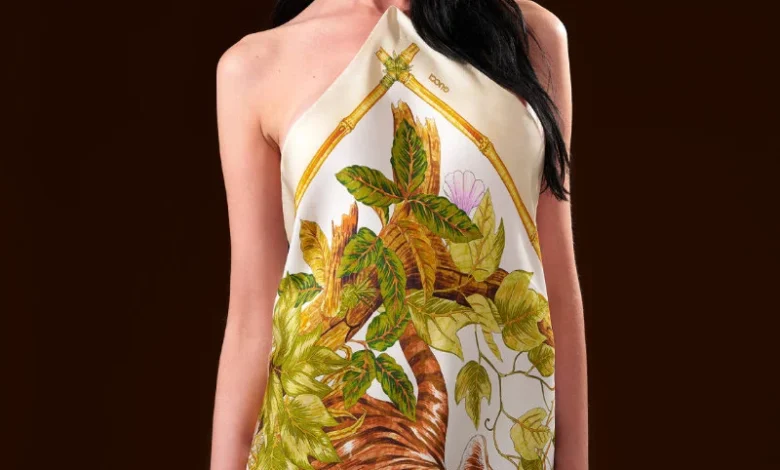
Gucci has unveiled "The Art of Silk," an ambitious initiative that breathes new life into ten iconic archival scarves, reinterpreting them through a contemporary lens. This curated collection, personally selected by Demna from the esteemed Gucci Archive in Florence, features beloved designs such as "Your Majesty," "Double Trouble," "Morso d’Oro," "Giardino di Seta," "Lungomare," "Hard-Wear," "Salon Privé," and "Il Gattino." Complementing these heritage pieces are two exclusive Flora designs, specially created to commemorate the grand opening of the new David Geffen Galleries at the Los Angeles County Museum of Art (LACMA).
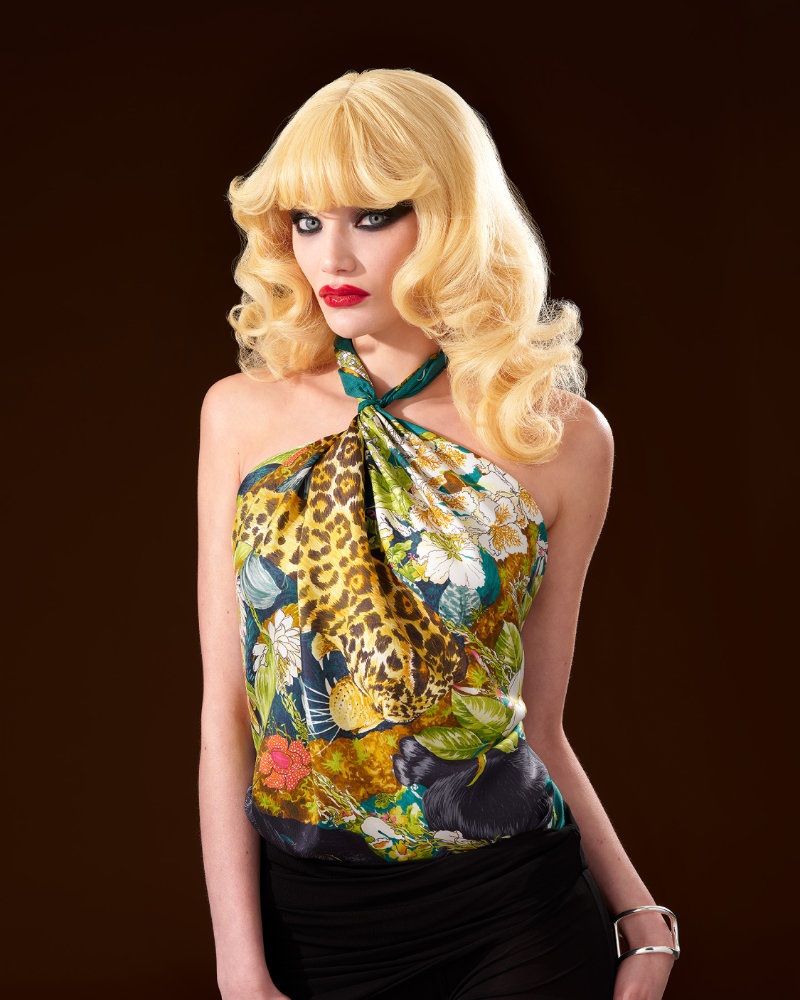
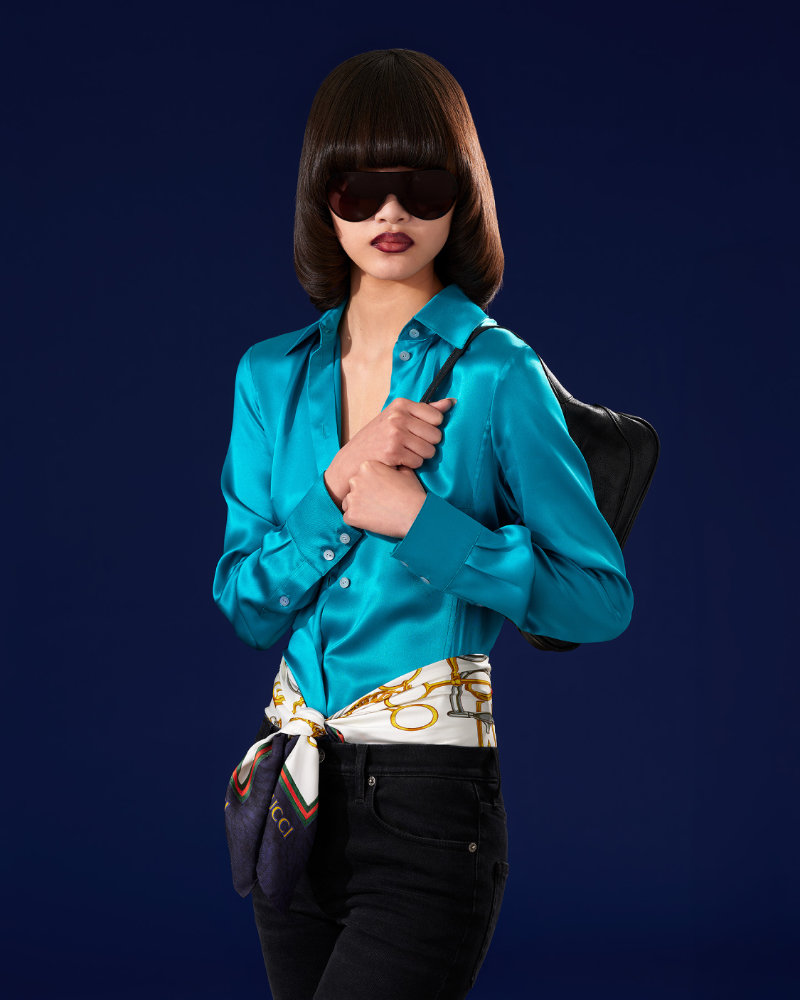
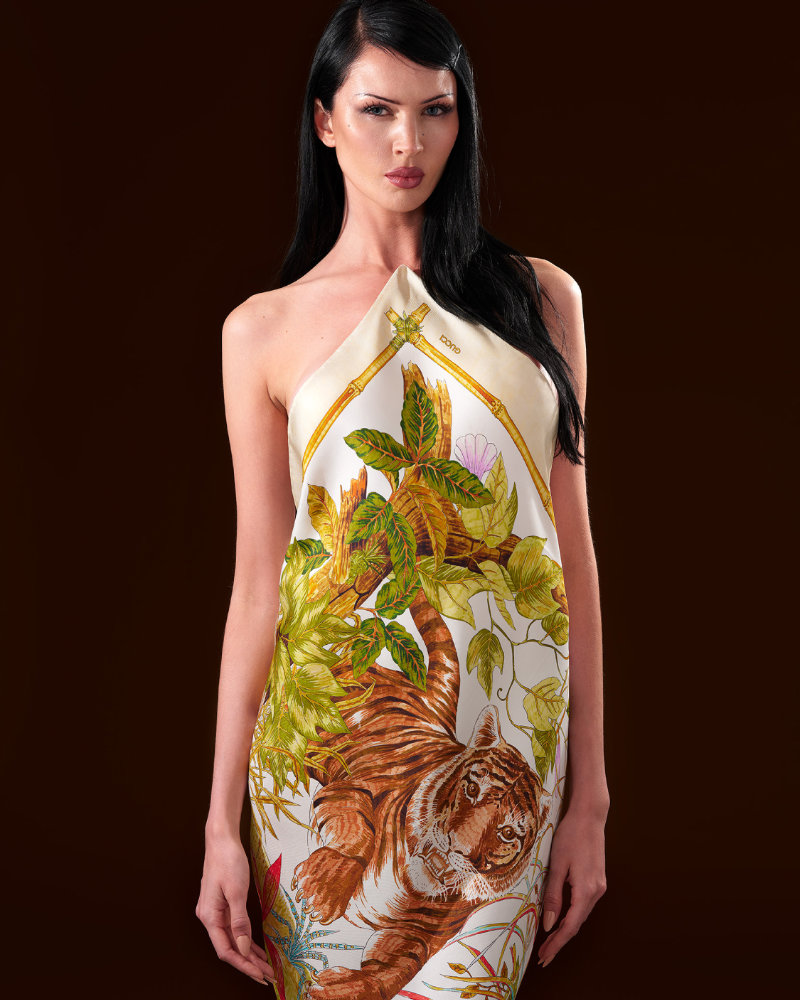
The "The Art of Silk" collection draws deeply from Gucci’s rich visual heritage, showcasing its early fascination with motifs like the timeless Flora pattern, intricate animalia prints, and evocative nautical themes. This project extends beyond merely reissuing past designs; it is a comprehensive exploration of the silk scarf as a potent tool for personal expression and style. A dedicated campaign accompanying the launch vividly illustrates the versatility of these scarves, demonstrating a myriad of ways to incorporate them into modern wardrobes, thereby highlighting their enduring relevance and adaptability.
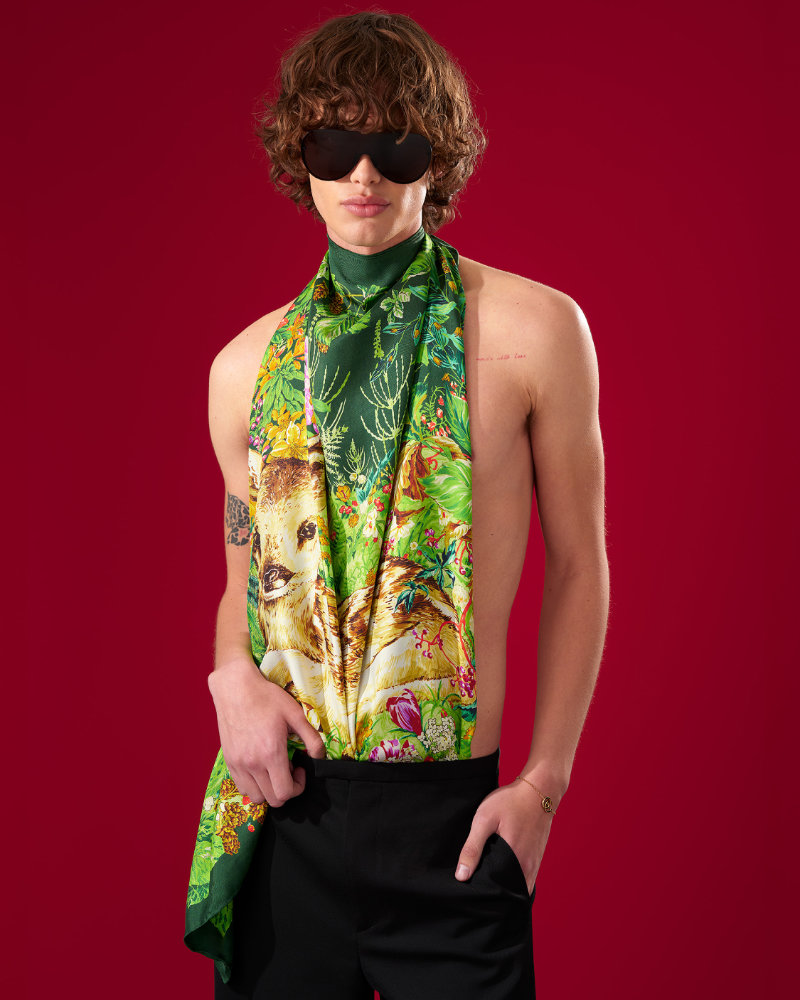
A significant aspect of "The Art of Silk" project is its profound commitment to sustainability and the revival of traditional craftsmanship. The scarves are meticulously crafted from the finest Italian silk, sourced directly from the southern region of Italy. This sourcing strategy is part of a broader, locally-focused initiative developed in close collaboration with Nido di Seta and Ongetta. Rooted in the Calabria region, this project aims to revitalize a once-thriving silk supply chain. Its multi-faceted approach includes the organic cultivation of mulberry trees, the reclamation of abandoned agricultural land, and the creation of new employment opportunities for local communities. The entire silk production process is powered by renewable energy, further underscoring Gucci’s dedication to environmental responsibility, and is supported by a cooperative network of small-scale farmers.
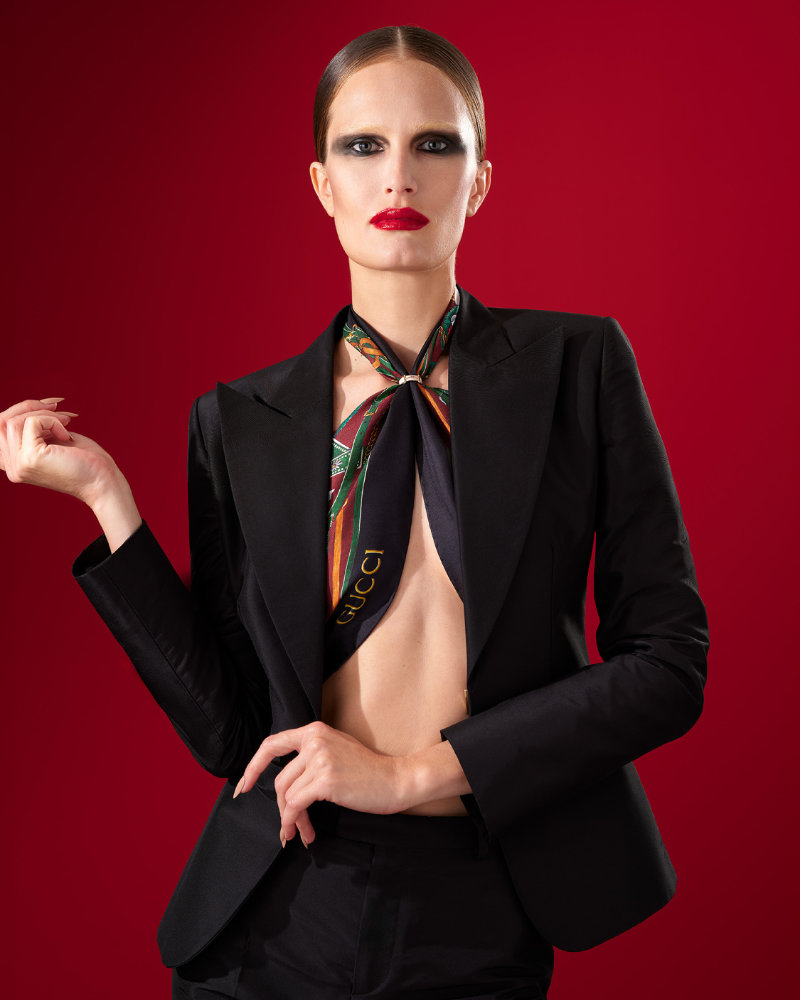
The exclusive Flora silk scarves, specifically designed for the LACMA opening, are available only at the LACMA store and the Gucci flagship boutique in Beverly Hills. To further celebrate this significant launch and its connection to artistic heritage, Gucci has forged a partnership with the Accademia delle Belle Arti di Firenze (Florence Academy of Fine Arts). Ten students from the academy have created original paintings that meticulously reproduce the designs of the archival scarves. These artworks are set to be exhibited at the Gucci store on Rodeo Drive in Los Angeles, offering a unique intersection of fashion and fine art. In a move that reinforces its dedication to nurturing emerging talent, Gucci will provide dedicated scholarships to support the participating students, fostering the next generation of artists and designers.
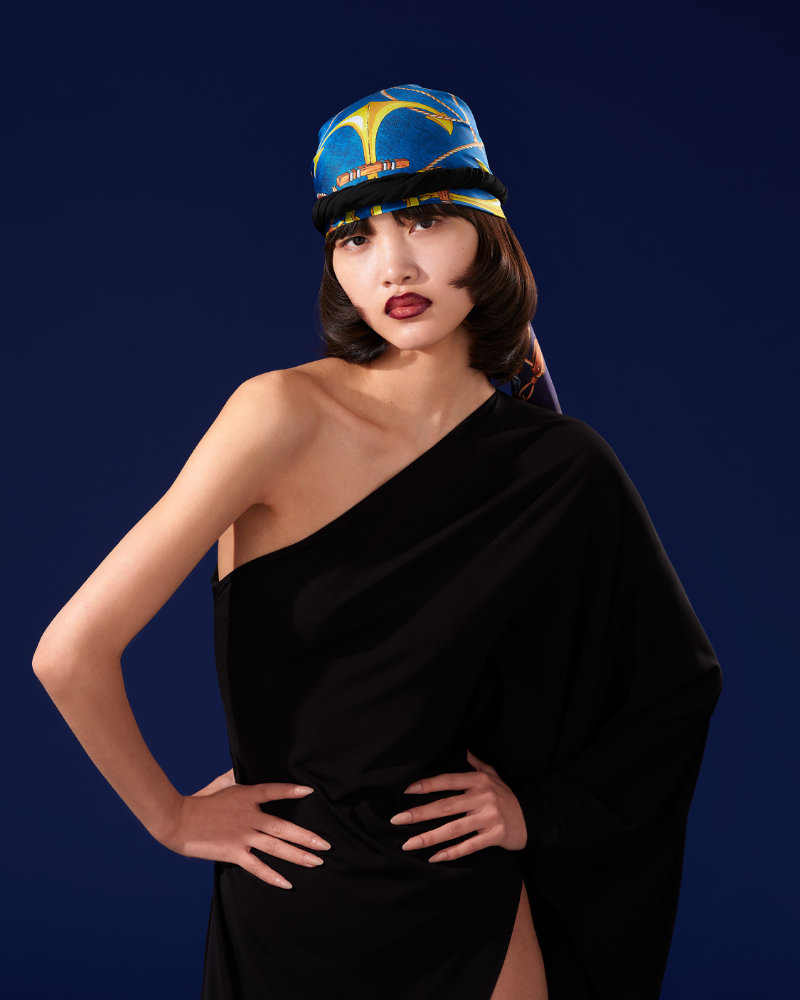
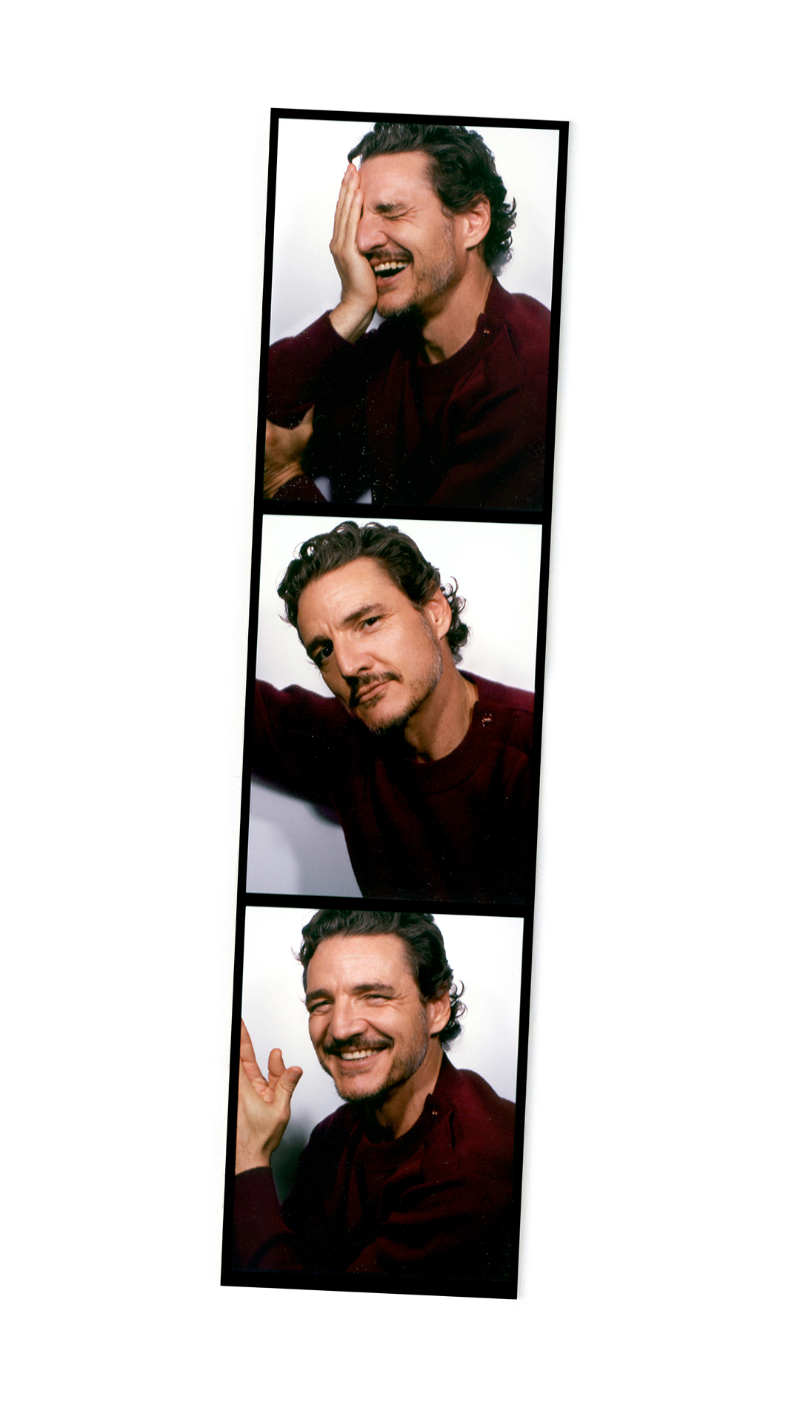
The campaign imagery released for "The Art of Silk" offers a glimpse into the collection’s aesthetic and thematic elements. These visuals showcase the scarves in dynamic compositions, emphasizing their fluidity and the diverse styling possibilities. The muted, earthy tones and classic motifs present in the archival designs are juxtaposed with contemporary styling, suggesting that these pieces transcend fleeting trends. The campaign aims to position the silk scarf not just as an accessory, but as a canvas for individual narrative and a symbol of refined elegance.
The Genesis of "The Art of Silk": A Journey Through Gucci’s Archive
The selection of ten archival scarves for "The Art of Silk" project was a deliberate and thoughtful process, spearheaded by Demna, a key figure in contemporary fashion. His curatorial eye was tasked with identifying designs that not only represented significant moments in Gucci’s history but also possessed the inherent qualities to resonate with a modern audience. The Gucci Archive, a treasure trove of the brand’s sartorial legacy, provided the fertile ground for this exploration. The chosen designs, ranging from the intricate and whimsical to the bold and graphic, represent distinct eras and creative directions within the house.
- Your Majesty: This design likely evokes a sense of regal grandeur, possibly featuring motifs associated with royalty or noble crests, reflecting Gucci’s historical ties to aristocratic clientele.
- Double Trouble: Suggesting a playful or perhaps even slightly mischievous narrative, this scarf might incorporate paired elements or contrasting imagery, hinting at duality and intrigue.
- Morso d’Oro (Golden Bite): This name evokes a sense of allure and danger, perhaps featuring serpentine imagery or elements associated with precious metals, hinting at themes of temptation and luxury.
- Giardino di Seta (Silk Garden): A more literal interpretation, this design would likely be rich with floral and botanical elements, celebrating the natural beauty from which silk is derived.
- Lungomare (Seaside Promenade): This scarf likely transports the wearer to a coastal setting, possibly featuring nautical motifs, beach scenes, or the gentle movement of waves, embodying leisure and escape.
- Hard-Wear: The name suggests a departure from the more delicate designs, potentially incorporating elements of hardware, chains, or even industrial-inspired motifs, reflecting a bolder, more utilitarian aesthetic.
- Salon Privé: This title conjures images of exclusive, intimate gatherings and refined luxury, suggesting a design that is sophisticated, elegant, and perhaps features motifs associated with high society.
- Il Gattino (The Kitten): A charming and endearing design, this scarf likely features feline imagery, embodying grace, playfulness, and a touch of domestic elegance.
The inclusion of two exclusive Flora designs specifically for the LACMA opening adds a layer of temporal significance to the collection. The Flora pattern, first introduced by Gucci in the late 1960s, is one of the brand’s most recognizable and enduring motifs. Its reinterpretation for a major art institution like LACMA underscores the elevation of fashion as an art form and highlights Gucci’s ongoing dialogue with cultural institutions.

The Silk Supply Chain: A Commitment to Sustainability and Community
The revival of the silk supply chain in Southern Italy is not merely a narrative element; it is a tangible investment in the region’s heritage and future. The collaboration with Nido di Seta, an organization dedicated to silk production, and Ongetta, a company involved in the agricultural sector, signifies a holistic approach to revitalizing the industry.

- Organic Mulberry Cultivation: Mulberry trees are the sole food source for silkworms. Focusing on organic cultivation ensures that the silk produced is free from harmful pesticides and chemicals, aligning with Gucci’s broader sustainability goals. This also contributes to healthier ecosystems in the region.
- Land Reclamation: The initiative actively seeks to reclaim abandoned agricultural land. This not only brings dormant land back into productive use but also contributes to environmental restoration and biodiversity. It represents a conscious effort to reverse the effects of rural depopulation and land neglect.
- Employment Creation: The revival of a traditional industry inherently creates jobs. From mulberry cultivation and silkworm rearing to silk reeling and weaving, each stage of the process offers employment opportunities, providing economic stability and fostering community development in areas that may have experienced economic decline.
- Renewable Energy Integration: Powering silk production with renewable energy is a critical step towards minimizing the environmental footprint of the manufacturing process. This commitment to clean energy sources reflects a forward-thinking approach to luxury production, demonstrating that high-quality craftsmanship can coexist with environmental stewardship.
- Cooperative Network: The involvement of a cooperative network of small farmers ensures that the benefits of this initiative are distributed widely. This model promotes collaboration, shared knowledge, and equitable distribution of resources, fostering a sense of collective ownership and responsibility within the silk-producing community.
The historical context of silk production in Italy, particularly in regions like Calabria, adds a layer of depth to Gucci’s endeavor. For centuries, Italy was a leading producer of high-quality silk, with established traditions and expertise. The decline of this industry in recent decades due to various economic and global factors has left a void. Gucci’s "The Art of Silk" project represents a significant effort to reverse this trend, not just for its own supply chain, but as a model for broader regional economic regeneration. This initiative aligns with a growing global trend towards valuing artisanal craftsmanship and supporting local economies within the luxury sector.
Artistic Interplay: Florence Academy and LACMA Collaboration
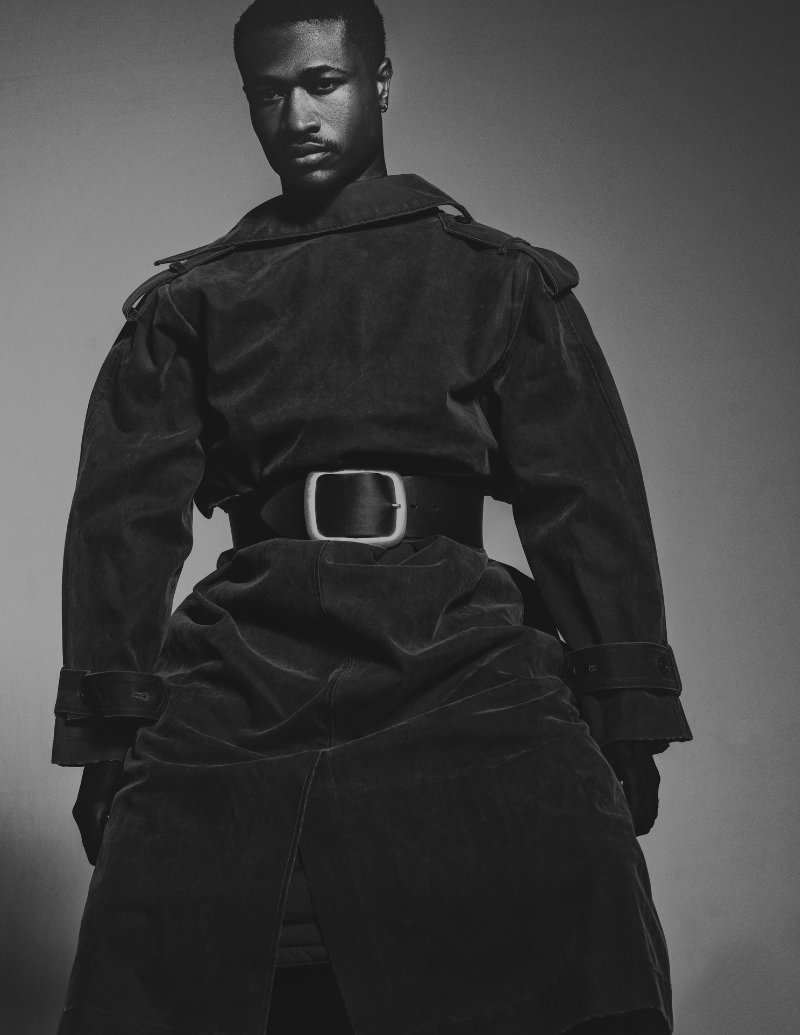
The partnership between Gucci and the Accademia delle Belle Arti di Firenze is a testament to the brand’s commitment to fostering artistic dialogue and supporting emerging talent. The act of students reproducing archival scarf designs as paintings transforms the static imagery into vibrant, interpreted artworks. This process allows for a deeper engagement with the motifs and craftsmanship of each design, encouraging students to analyze and reinterpret them through their own artistic sensibilities.
The exhibition of these student paintings at the Gucci store on Rodeo Drive in Los Angeles serves multiple purposes. Firstly, it provides a platform for young artists to showcase their work to a global audience, gaining exposure and recognition. Secondly, it creates a unique retail experience for visitors, blending the commercial aspect of a flagship store with the cultural significance of an art exhibition. This immersive environment allows consumers to connect with the art and heritage behind the Gucci brand on a more profound level.

The provision of scholarships by Gucci further solidifies this commitment. By investing in the education and development of art students, Gucci is not only supporting individual careers but also contributing to the future of the creative industries. This philanthropic approach is increasingly becoming a hallmark of luxury brands seeking to demonstrate social responsibility and a genuine appreciation for the arts. The choice of LACMA as a partner for the exclusive Flora scarves is also strategically significant. LACMA is a globally recognized institution that champions a diverse range of art forms and cultural expressions. Associating "The Art of Silk" with LACMA lends artistic credibility to the project and places Gucci’s creations within a broader cultural dialogue. The opening of the David Geffen Galleries itself is a major cultural event, and Gucci’s involvement marks a high-profile integration of fashion and art within this significant expansion.

Broader Impact and Implications
"The Art of Silk" project by Gucci is more than just a product launch; it is a multifaceted initiative with several far-reaching implications for the fashion industry and beyond:

- Reimagining Archival Value: The project demonstrates a sophisticated approach to utilizing brand heritage. Instead of simply reissuing vintage pieces, Gucci is engaging with its archives to inspire new creative directions and marketing narratives, proving that historical assets can be a source of ongoing innovation.
- Sustainable Luxury as a Standard: By investing in and revitalizing a local, sustainable silk supply chain, Gucci is setting a precedent for how luxury brands can operate with greater environmental and social responsibility. This approach challenges the notion that luxury must come at the expense of the planet or its people.
- Bridging Art and Commerce: The collaboration with the Accademia delle Belle Arti di Firenze and the partnership with LACMA highlight the increasing convergence of fashion, art, and culture. This integration allows brands to engage with consumers on a deeper, more meaningful level, transcending mere product consumption.
- Economic Revitalization Through Craftsmanship: The project’s focus on Calabria offers a blueprint for how fashion can contribute to the economic revival of traditional craft regions. By investing in local communities and preserving artisanal skills, brands can create a positive social impact while producing high-quality goods.
- The Enduring Appeal of the Silk Scarf: In an era dominated by fast fashion and ephemeral trends, "The Art of Silk" underscores the enduring appeal of timeless accessories. The scarf, as a versatile and expressive item, is being repositioned as a statement piece that embodies both heritage and contemporary style.
The success of "The Art of Silk" will likely inspire other luxury houses to explore their own archival collections with a renewed focus on storytelling, sustainability, and artistic collaboration. It signals a shift towards a more conscious and culturally integrated approach to luxury fashion, where heritage is not just preserved but actively reinterpreted and leveraged to create meaningful connections with consumers and communities alike. The campaign images, showcasing the scarves in diverse contexts, further reinforce this message of adaptability and timeless elegance, suggesting that these pieces are destined to become future heirlooms, continuing Gucci’s legacy for generations to come.