US Imposes 50 Percent Tariffs on Canadian Diamonds and Jewelry Amid Escalating Trade Tensions

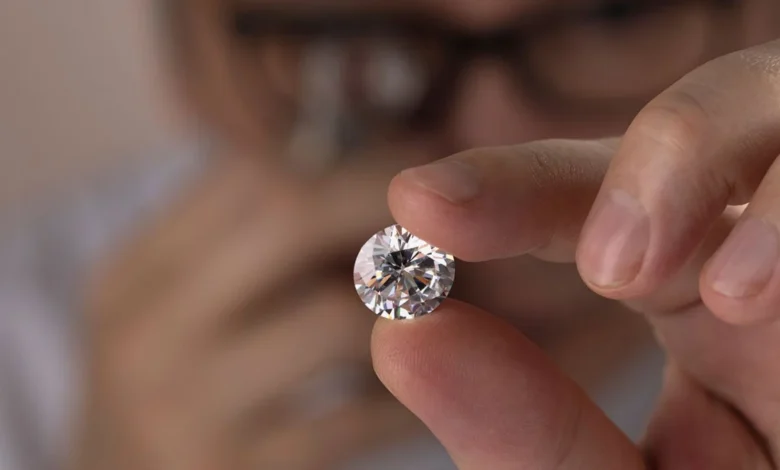
United States President Donald Trump has authorized a significant escalation in trade measures against Canada, imposing a 50 percent tariff on approximately $20 billion worth of Canadian imports, a move that directly impacts the North American gemstone and jewelry markets. Effective August 19, these duties target a wide array of high-value goods, most notably polished diamonds, precious metal jewelry, and industrial components. The announcement has sent ripples through the international trade community, as it utilizes a rare, Depression-era legal mechanism to bypass traditional investigative periods and implement immediate fiscal pressure on one of America’s largest trading partners.
According to reports from the American Gem Trade Association (AGTA) and the Jewelers Vigilance Committee (JVC), the scope of the tariffs is extensive. The list of affected items includes nonindustrial diamonds, loose polished diamonds, silver, gold necklaces and chains, and various forms of precious-metal and imitation jewelry. This aggressive move marks a sharp departure from the typical cooperative trade environment established under the United States-Mexico-Canada Agreement (USMCA), signaling a period of heightened friction between Washington and Ottawa.
The Legal Mechanism: Section 338 of the Tariff Act of 1930
The foundation for these new duties is Section 338 of the Tariff Act of 1930, a provision that has remained largely dormant in modern trade policy. Unlike Section 301 of the Trade Act of 1974, which requires lengthy investigations into "unfair trade practices" and allows for public comment periods, Section 338 provides the executive branch with the authority to impose retaliatory tariffs if the President determines that a foreign country is discriminating against United States commerce.
Legal experts note that Section 338 is particularly potent because it was designed during an era of extreme protectionism—the same era that produced the Smoot-Hawley Tariff Act. By invoking this specific statute, the administration can move with greater speed than contemporary trade laws usually allow. The AGTA highlighted that this bypasses the standard investigative hurdles, reflecting a sense of urgency or a strategic desire for immediate leverage in ongoing bilateral disputes.
Allegations of Discriminatory Trade Practices
The Office of the United States Trade Representative (USTR) stated that the President’s decision follows a determination that Canada has placed an "undue burden" on U.S. commerce through discriminatory policies. While the tariffs hit the jewelry and gemstone sector hard, the underlying grievances cited by the administration are rooted in three primary sectors: dairy, automotive trade, and alcohol sales.
Specifically, the U.S. has long expressed frustration with Canada’s supply management system for dairy, which protects domestic farmers with high tariffs on imports. In the automotive sector, disagreements over "rules of origin" and regional value content have persisted despite the signing of the USMCA. Furthermore, the administration identified Canadian provincial regulations regarding the sale and distribution of wine and spirits as a barrier to American exporters.
The three proclamations issued by the White House characterize these Canadian sectors as fundamentally discriminatory. Consequently, the 50 percent duties are intended to serve as a corrective measure, even applying to goods that would otherwise qualify for duty-free treatment under the USMCA. The administration has clarified that these new charges are in addition to any existing tariffs or fees already in place.
Impact on the Diamond and Jewelry Industry
The inclusion of polished diamonds and jewelry in a trade dispute centered on dairy and autos has caught many industry stakeholders by surprise. Canada is a significant player in the global diamond market, known for its high-quality, ethically sourced stones from mines in the Northwest Territories. While much of Canada’s raw output is sent abroad for cutting and polishing, the trade of loose polished diamonds and finished jewelry between Canada and the U.S. represents a vital supply chain for North American retailers.
The Jewelers Vigilance Committee (JVC) issued a member alert detailing the specific categories affected. The 50 percent tax on gold chains, silver, and precious-metal jewelry is expected to significantly increase the cost of goods for U.S. retailers who rely on Canadian manufacturers. For the consumer, this could translate into higher price tags for engagement rings, luxury watches, and fashion jewelry during the upcoming peak shopping seasons.
The AGTA expressed concern over the "30-day window" provided between the announcement and the August 19 implementation. While this period theoretically allows for diplomatic negotiations to resolve the dispute, the threat of a 50 percent hike has already led to uncertainty in the market.
The Search for Exemptions: Critical Minerals and Gemstones
One potential avenue for relief lies in the list of exemptions mentioned in the proclamations. The administration has indicated that certain "critical minerals" and energy products may be exempt from the 50 percent duties to prevent disruption to U.S. national security and infrastructure.
"While the 30-day window allows time for bilateral negotiations, there are numerous exemptions such as for energy, critical minerals, and others," the AGTA explained in a statement to its members. "Although not specifically identified, we are hopeful that gemstones are included in the mineral exception."
The classification of diamonds as "critical minerals" is a point of contention. While industrial diamonds are essential for manufacturing and high-tech applications, the tariffs specifically target "nonindustrial" and "loose polished" diamonds. If the U.S. government views gemstones purely as luxury consumer goods rather than essential raw materials, the likelihood of an exemption decreases. Industry lobbyists are expected to spend the coming weeks petitioning the USTR to clarify the status of gemstones within the mineral framework.
Chronology of Trade Tensions
To understand the current crisis, it is necessary to view it within the context of the broader trade relationship between the two nations over the last several years:
- 2018: Steel and Aluminum Tariffs: The U.S. imposed Section 232 tariffs on Canadian steel (25%) and aluminum (10%), citing national security concerns. Canada retaliated with tariffs on U.S. products ranging from yogurt to motorboats.
- 2020: USMCA Implementation: The replacement for NAFTA went into effect, intended to modernize trade. However, disputes over dairy quotas and automotive parts began almost immediately.
- 2021-2023: Softwood Lumber Disputes: Ongoing disagreements regarding Canadian government subsidies for the lumber industry led to fluctuating U.S. countervailing duties, impacting the housing market.
- Current Proclamation: The invocation of Section 338 marks the most aggressive step taken in the post-USMCA era, targeting a diverse $20 billion basket of goods to force concessions on dairy and automotive policies.
Economic Data and Market Implications
The $20 billion figure represents a substantial portion of the trade volume between the two countries. In the jewelry sector specifically, the U.S. is the primary destination for Canadian jewelry exports. Data from previous years suggests that the U.S. imports hundreds of millions of dollars worth of jewelry and precious metals from Canada annually.
A 50 percent tariff is considered "prohibitive" by most economists, meaning it is designed to stop trade in those categories entirely rather than just generate revenue. For Canadian diamond polishers and jewelry designers, the U.S. market may become effectively closed if these duties remain in place.
"This is not a standard trade tweak; it is a wall," said one industry analyst. "A 50 percent increase in cost at the border cannot be absorbed by the margins of most jewelry businesses. It will either be passed on to the consumer or, more likely, the trade will simply cease until the dispute is settled."
Reactions from Industry Leaders and Officials
While the Canadian government has yet to release a full list of retaliatory measures, historical precedent suggests that Ottawa will respond in kind. During the 2018 steel dispute, Canada carefully targeted U.S. goods produced in politically sensitive regions.
In the United States, the reaction has been mixed. While some domestic manufacturers may welcome the protectionist stance, trade organizations like the AGTA and JVC are focused on the logistical nightmare this creates for their members. The JVC has urged its members to review their supply chains immediately and consult with customs brokers to determine the exact HTS (Harmonized Tariff Schedule) codes for their imports.
The USTR has maintained that the goal is not to punish the jewelry industry but to ensure that Canada "plays by the rules" in other sectors. However, for those in the gemstone trade, being used as a "bargaining chip" in a dispute over milk and car parts is a distressing development.
Broader Implications for North American Trade
The use of Section 338 raises questions about the long-term stability of the USMCA. The agreement was marketed as a way to provide certainty to North American businesses, yet the sudden imposition of massive tariffs suggests that the treaty does not fully insulate member nations from unilateral executive actions.
Furthermore, this move could complicate the global diamond supply chain. With sanctions already impacting diamonds of Russian origin, the North American market has looked to Canada as a reliable and "conflict-free" alternative. If Canadian diamonds become subject to a 50 percent tariff, the resulting supply squeeze could drive up the price of all diamonds globally, as buyers scramble for non-Canadian and non-Russian alternatives.
As the August 19 deadline approaches, the focus remains on the "30-day window" for bilateral negotiations. Trade observers are watching closely to see if Canada will offer concessions on dairy protections or alcohol sales to protect its $20 billion export market. Without a diplomatic breakthrough, the North American jewelry and gemstone industry faces a transformative and potentially damaging shift in its economic landscape.