The Evolution of the ID Bracelet: From Sentiment to Signature Style in Modern Fine Jewelry

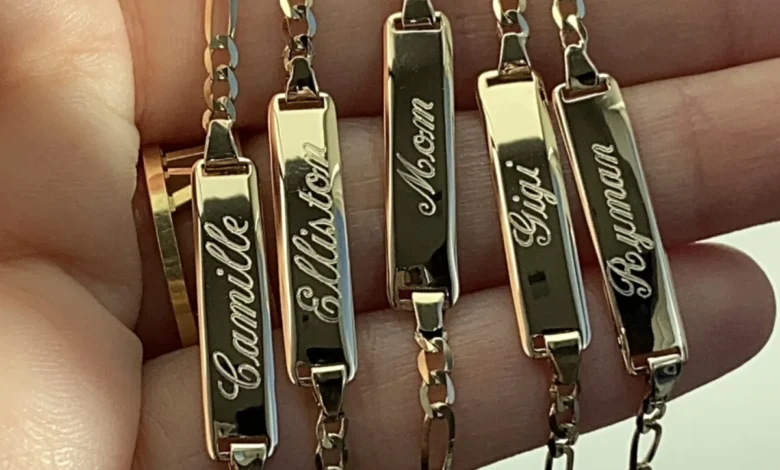
The ID bracelet, a piece of jewelry historically rooted in utility and personal identification, has undergone a significant transformation within the contemporary fashion landscape. Once regarded primarily as a functional accessory for medical identification or military service, the ID bracelet has been reclaimed by fine jewelry designers as a canvas for personal storytelling and high-end aesthetic expression. This resurgence is evidenced by the integration of classic motifs—such as the Figaro link—into curated e-commerce collections, marking a shift toward jewelry that balances durability with intimate sentimental value.
Historical Context and Functional Origins
The ID bracelet, characterized by a central metal plate connected to a chain, gained prominence in the early 20th century. During the First and Second World Wars, soldiers were issued identification bracelets to ensure personal identification in the event of casualty. These items were not merely accessories; they were essential components of military field gear.
Following the war, the design transitioned into civilian life, initially serving as a symbol of romantic commitment. It became common for young adults to exchange ID bracelets as tokens of affection, a trend that persisted through the mid-20th century. By the latter half of the century, the form had been adapted for medical use, serving as a critical diagnostic tool for individuals with allergies or chronic conditions. Today, the form has transcended these singular purposes, finding a permanent home in the luxury jewelry market where the "plate" serves as a customizable space for names, dates, or symbolic engravings.
A Chronology of the Modern Design Shift
The movement toward personal, daily-wear jewelry can be tracked through the evolution of independent jewelry e-commerce platforms. Over the past two decades, the industry has seen a move away from mass-produced, trend-driven costume jewelry toward artisanal, high-quality pieces designed for "everyday wear."
- Early 2000s: The rise of entry-level roles in jewelry retail allowed a new generation of collectors to gain hands-on experience. During this period, the ID bracelet was often relegated to children’s sections or specific novelty categories, lacking the status of "fine jewelry."
- 2010s: As e-commerce platforms began to dominate the retail landscape, curators began to re-examine archival and classic styles. The ID bracelet became a focal point for designers looking to blend historical utility with minimalist aesthetics.
- 2020s: The current market environment emphasizes durability and personal narrative. Contemporary collectors favor pieces that can withstand daily use—a trend often referred to in the industry as "forever jewelry." The modern ID bracelet, constructed with robust chain links such as the Figaro or curb, is now marketed as a permanent fixture of an individual’s jewelry wardrobe.
Technical Analysis: Durability and Craftsmanship
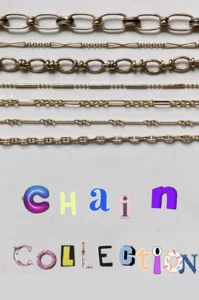
The longevity of a piece of fine jewelry is determined by its material composition and construction methods. For a bracelet intended for daily wear, the choice of link architecture is paramount. The Figaro chain, which typically consists of a pattern of three short, circular links followed by one longer, oval link, provides a balance of aesthetic interest and structural integrity.
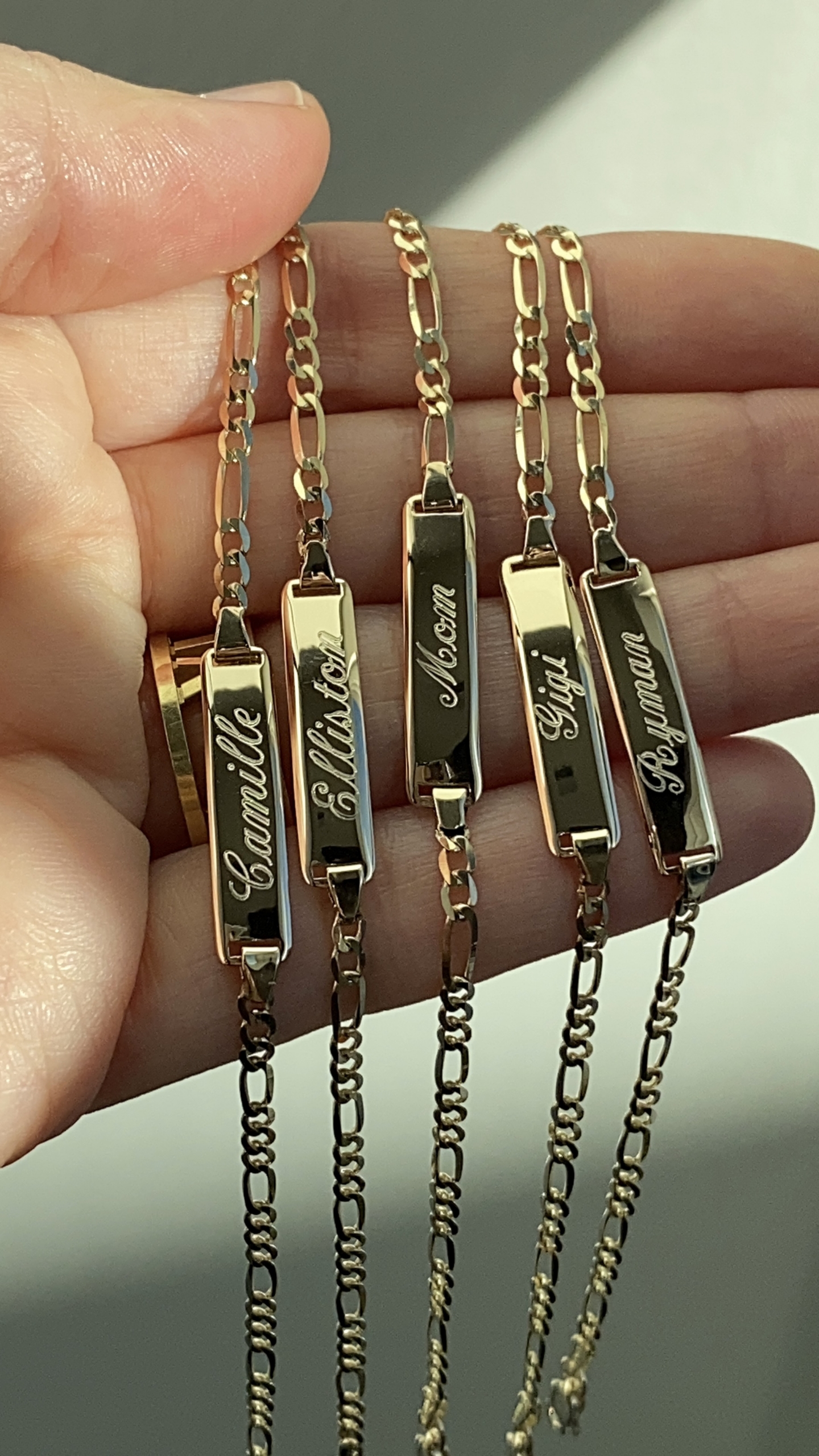
Industry data suggests that bracelets with high-quality clasp mechanisms—such as lobster claws or integrated boxes—experience fewer failure points. In analyzing the transition of the ID bracelet, experts note that the weight of the metal and the thickness of the solder on the links are the primary factors in preventing breakage. Modern iterations, such as those featured on platforms like shopGemGossip.com, demonstrate an adherence to these technical standards, utilizing refined link widths that offer a sleek profile without compromising the structural stability required for constant, long-term wear.
The Personalization Trend and Consumer Behavior
The shift toward personalization has been a defining characteristic of the jewelry industry in the post-pandemic era. Consumers are increasingly prioritizing items that serve as tangible reminders of personal milestones, such as family names or significant dates.
According to consumer behavioral reports, jewelry that offers a customization component experiences a higher retention rate among buyers. The ID bracelet provides a unique intersection of this trend; it is not merely a decorative item, but a customizable archive. By engraving names or dates onto the plate, the wearer creates an heirloom-quality object that carries an emotional premium far exceeding its retail value.
Industry Implications and Market Outlook
The success of the ID bracelet in the modern market is indicative of a broader trend: the "democratization of fine jewelry." Historically, high-end pieces were reserved for formal occasions. Today, the industry is witnessing a demand for luxury items that function as daily signatures.
"The modern consumer is looking for consistency," says one industry analyst. "They want a piece that stays on the wrist, survives the shower, the gym, and the office, and still looks refined. The ID bracelet fits this requirement perfectly because it is technically robust while being stylistically understated."
This demand has forced retailers to reconsider their inventory strategies. Rather than focusing on high-volume, low-cost pieces, successful e-commerce outlets are focusing on "curated permanence." By offering customization options, retailers are able to provide a personalized service experience that mass-market retailers cannot easily replicate. This model creates a circular economic effect: the consumer purchases a piece, personalizes it, and becomes emotionally attached, which leads to increased brand loyalty and a higher likelihood of future acquisitions.

Expert Perspectives on Daily Wear
When evaluating the utility of gold or silver jewelry for daily use, jewelers consistently emphasize the importance of "wear-testing." A piece that is tested by the curator or designer themselves provides a baseline of confidence for the end-consumer.
"When a designer wears their own product for years without removing it, it serves as a qualitative metric of the piece’s durability," notes a retail consultant. "It shifts the conversation from marketing claims to proven performance."
The recent feedback loop between designers and customers regarding the ID bracelet suggests that the piece is meeting the demand for high-utility, high-emotion jewelry. As the industry moves forward, the ID bracelet is likely to remain a staple, potentially evolving further with new engraving technologies, such as laser etching or permanent ink fills, which allow for even greater detail and longevity.
Broader Impact on the Jewelry Industry
The resurgence of the ID bracelet reflects a change in how individuals relate to their possessions. In a digital world where so much is ephemeral, the desire for physical, enduring objects that signify identity and connection is growing. The ID bracelet, once a utilitarian tool of identification, has successfully crossed the threshold into the realm of timeless design.
The implications for the jewelry sector are clear: success in the current climate requires a synthesis of historical awareness, high-quality material standards, and a commitment to personal narrative. As long as consumers continue to prioritize jewelry that represents their lived experience, the ID bracelet will maintain its status as an essential, and perhaps permanent, fixture of the fine jewelry market. By bridging the gap between functional history and modern aesthetic trends, it provides a template for how traditional jewelry forms can remain relevant in an ever-evolving commercial landscape.