The Evolution of Jewelry Staples: Why Modern Craftsmanship Is Replacing Vintage Chains in Curated Collections

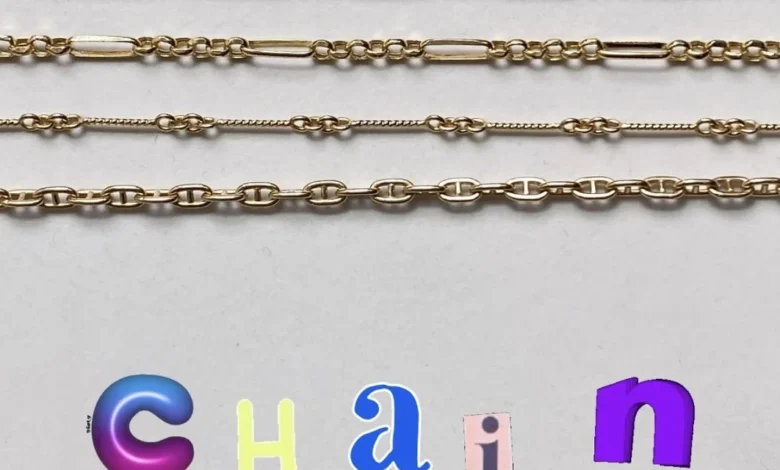
The jewelry industry is undergoing a notable shift as collectors and retailers pivot away from vintage chains toward modern, manufactured alternatives. This transition is driven by a growing emphasis on structural integrity, longevity, and the practical requirements of daily wear. For decades, the secondary market for antique jewelry was considered the gold standard for enthusiasts; however, recent technological advancements in microscopic inspection have revealed that many vintage pieces—often centuries old—harbor latent structural defects that render them unsuitable for the demands of modern accessorizing.
The Structural Integrity Gap
A primary catalyst for this shift is the emergence of high-magnification inspection tools that have become accessible to boutique jewelry curators. Historically, the trade relied on visual assessments conducted with standard jeweler’s loupes, which often missed micro-fractures in metal links. When subjected to microscopic analysis, many vintage chains show signs of "metal fatigue"—a phenomenon where repeated stress over decades causes microscopic cracks that eventually lead to catastrophic failure.
Industry experts note that while vintage jewelry possesses undeniable aesthetic value, the maintenance costs associated with restoring a compromised chain often exceed the market value of the piece itself. Professional repairs on fine gold chains require specialized laser welding to ensure that the integrity of the surrounding links is not compromised by heat. As the cost of precious metals has climbed significantly over the last two decades, the economic viability of restoring worn-out vintage hardware has diminished, leading retailers to prioritize "new-old-stock" or freshly manufactured pieces that offer the same aesthetic appeal without the risk of sudden breakage.
A Chronology of Chain Evolution
The trajectory of chain popularity reflects broader fashion trends. In the early 2000s, the market was dominated by mass-produced, lightweight cable chains that frequently accompanied pendant purchases. By the 2010s, a "vintage resurgence" saw consumers flocking to estate sales and auction houses to secure unique, historical link styles.
However, the period between 2020 and 2024 marked a pivotal change. Retailers began noticing that the high volume of daily wear—exacerbated by the trend of "stacking" multiple charms and pendants on a single chain—was causing an epidemic of breakages in older inventory. This reality forced a segment of the jewelry market to return to the manufacturer, seeking modern metallurgy that utilizes contemporary hardening techniques. Today, the focus has shifted toward "investment-grade" basics: chains that provide a solid foundation for personalized styling while ensuring durability.
The Anatomy of an Essential Collection: Data and Design
Current market data from independent jewelry boutiques suggests that consumers are no longer interested in fragile accessories. Instead, they are gravitating toward five specific styles that combine historical influence with modern manufacturing durability.
1. The Mariner Chain
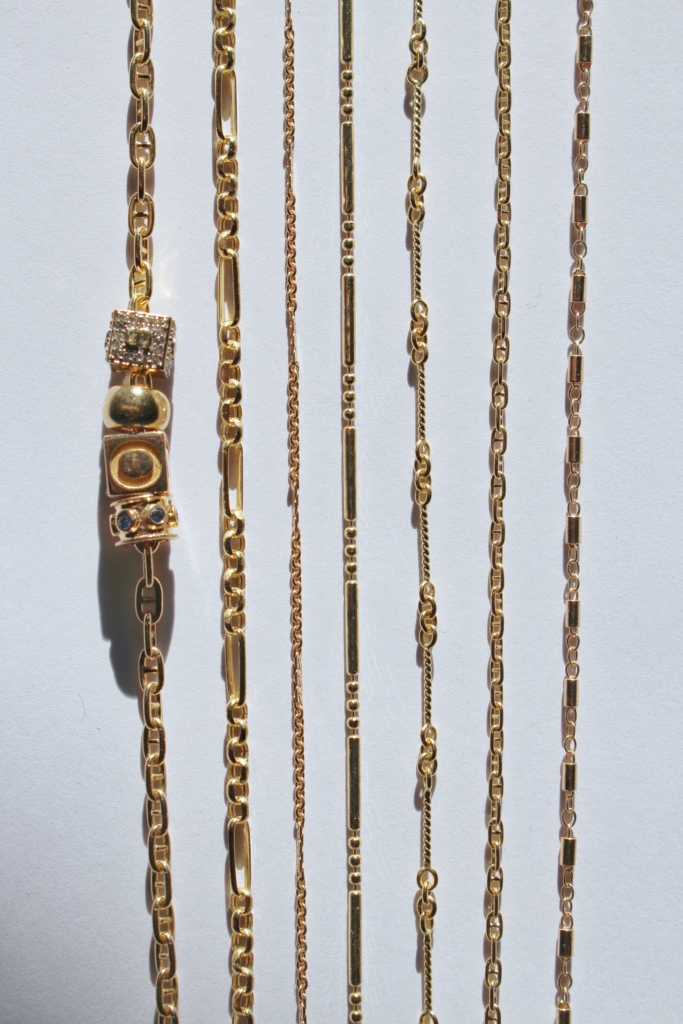
Named for its resemblance to the chains used on ships, the mariner link is characterized by an oval link with a center bar. Data indicates this is one of the most structurally sound designs available. Its solid construction makes it highly resistant to the tension caused by heavy pendants. Recent manufacturing trends favor the "mini-mariner" for subtle, everyday wear and the 3mm variant for those who prioritize a statement piece.

2. The Box Chain
The box chain, composed of square links that create a smooth, continuous flow, remains a cornerstone of jewelry design. Its popularity is largely due to its versatility; it is frequently utilized in professional settings because it resists tangling better than rounded link styles.
3. Statement Link Chains
The category of "large link" chains—including Trombone, Oval Jangle, and Bar Link styles—represents the aesthetic intersection of fashion and function. These pieces serve as the focal point of a necklace stack. Analysis suggests that these are increasingly manufactured using hollow-core technology, which allows for a substantial visual presence without the prohibitive weight of solid gold, making them accessible to a wider demographic of collectors.
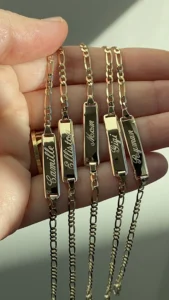
4. The Refined Figaro
The Figaro chain, defined by its pattern of two or three small circular links followed by one longer oval link, has been a staple since the mid-20th century. While classic, the modern iteration differs significantly from its vintage predecessors. Modern Figaro chains are often cast with slightly thicker gauge wire, addressing the primary point of failure in older versions: the hinge point of the elongated link.
5. Unique and Geometric Links
The contemporary market is seeing an influx of experimental link geometries. Innovations such as "Bead + Bar" or "Twisted Stick" chains cater to a demographic that values customization. These pieces often serve as a bridge between high-jewelry and costume jewelry, allowing for a personalized look that remains durable enough for daily application.

Economic and Practical Implications for the Consumer
The shift toward modern, manufactured chains has significant implications for both the retailer and the end consumer. For the retailer, stocking new pieces reduces the liability associated with damaged goods and streamlines the inventory management process. For the consumer, purchasing a brand-new chain offers a "clean slate"—a piece of jewelry that has not been subjected to the unknown stresses of a previous owner’s lifestyle.
Furthermore, the environmental impact of this shift is noteworthy. While vintage jewelry is often touted for its sustainability, the reality of "recycling" broken chains often involves melting down gold, which requires significant energy. By investing in high-quality, modern pieces that are designed to last for decades, consumers are engaging in a form of "slow fashion" that emphasizes quality over quantity.
Expert Analysis: The Future of Jewelry Maintenance
Industry analysts suggest that the "vintage-only" mindset is becoming an outlier in the broader market. As jewelry becomes more integrated into daily fashion—worn during exercise, sleep, and travel—the demand for chains that can withstand these environments will continue to grow.
"The goal of a modern jewelry collection is to balance historical charm with modern reliability," says a representative from the independent jewelry retail sector. "We are seeing a move toward what we call ‘future-heirlooms.’ These are pieces manufactured today using techniques that allow them to endure, so that in fifty years, they will be the vintage pieces that the next generation seeks out."

Conclusion: Curating for the Long Term
The decision to transition to brand-new, manufacturer-direct chains is a pragmatic response to the realities of jewelry wear. By focusing on specific, durable link types—the Mariner, Box, Large Link, Figaro, and unique geometric variations—collectors can create a versatile wardrobe of staples. This approach does not negate the value of vintage jewelry but rather suggests that the foundation of one’s collection should be built on pieces that can reliably support the weight of history—and the weight of our modern charms. As the market continues to evolve, the emphasis will undoubtedly remain on finding that perfect equilibrium between the aesthetic allure of the past and the unwavering stability of modern engineering.
Related posts: