Jennifer Lawrence Launches Hair-Care Brand Mes as A-List Stars Pivot to the Booming Prestige Hair Market

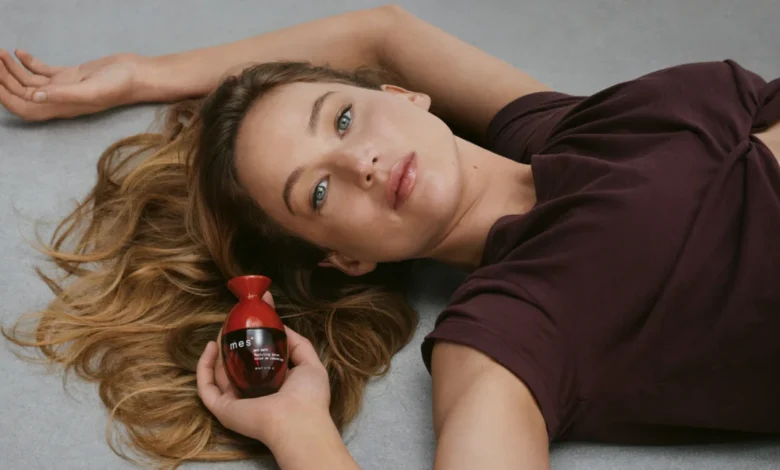
The landscape of celebrity beauty continues to undergo a dramatic evolution, characterized by shifting consumer skepticism, changing economic realities in Hollywood, and a strategic pivot toward prestige hair care. Oscar-winning actress Jennifer Lawrence has officially entered this saturated market with the Tuesday debut of her new hair-care brand, Mes. Developed in partnership with Arcaea founder and CEO Jasmina Aganovic, the direct-to-consumer (DTC) line enters the market at a pivotal moment when traditional celebrity endorsements are declining in profitability and consumers are demanding tangible product innovation over mere fame.
The Genesis and Product Strategy of Mes
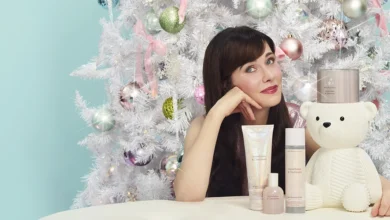
Mes launches with a tightly curated initial lineup of three products: a hair mask, a volumizing mist called Good Roots, and a styling serum named Restyling Serum, with price points ranging from $34 to $52. Rather than attempting to cover every category of personal care, Lawrence and Aganovic designed the brand around a specific consumer ethos: minimizing wash-day frequency and reducing time spent on daily hair routines.
According to Lawrence, the formulations were intentionally chosen to address real-world styling challenges. The Good Roots spray is engineered to provide root lift while absorbing excess oils, serving as a functional alternative to traditional dry shampoo. Meanwhile, the Restyling Serum is designed to reactivate and preserve hair shape between washes.
The partnership originated after Lawrence viewed a TED Talk delivered by Aganovic regarding the intersection of biotechnology and beauty innovation. Aganovic, who also founded the fragrance brand Future Society, noted that she was not initially searching for a celebrity co-founder. However, she emphasized that Lawrence’s distinct vision and commitment to solving genuine consumer needs elevate Mes above standard celebrity-backed ventures. Despite utilizing Lawrence’s immense star power—highlighted by her rapidly growing Instagram presence—the leadership team maintains that the brand’s scientific backing and functional utility form its core value proposition.
Navigating a Saturated and Skeptical Celebrity Beauty Market
Lawrence’s entry into the beauty space arrives during a complex period for celebrity-founded brands. While the market has demonstrated that A-list appeal can yield blockbuster results—exemplified by Hailey Bieber’s skin-care and cosmetics brand Rhode, which sold to E.l.f. Beauty in a billion-dollar deal in 2025—the graveyard of failed or discontinued celebrity lines is expanding.
Industry analysts point out that modern consumers are significantly more discerning than they were during the initial wave of celebrity beauty launches. Pauline Brown, founder of Aesthetic Intelligence Labs and a former executive at LVMH and Estée Lauder, observed that consumers no longer automatically equate fame and physical beauty with product efficacy.
This consumer shift has claimed several high-profile casualties. In September, Scarlett Johansson’s skin-care brand, The Outset, ceased operations. Earlier in the year, E.l.f. Beauty offloaded Keys Soulcare back to founder Alicia Keys, while Halsey’s mass-market makeup line, Af94, and Jared Leto’s Twentynine Palms skin- and hair-care line both shuttered following short market lifespans.
Market experts attribute these failures to a lack of genuine public engagement and authentic connection. Unlike Hailey Bieber, who cultivated a native social media presence and demonstrated her affinity for beauty products long before launching Rhode, actors like Johansson maintained a deliberate distance from social media platforms, making it difficult for consumers to discern their personal investment in the brands they endorsed. While Lawrence joined Instagram ahead of her brand launch, analysts note that the ultimate test will be whether her digital footprint serves as an authentic storytelling mechanism or is perceived merely as an advertising channel.
The Rise of Prestige Hair Care
While early celebrity beauty entrants like Rihanna and Selena Gomez focused primarily on cosmetics and skin care, recent years have witnessed a massive influx of famous founders moving into hair care. Alongside Lawrence, major cultural figures including Blake Lively, Beyoncé, Shakira, and Cardi B have introduced hair-care lines.
This collective pivot aligns with broader macroeconomic trends within the beauty sector. According to data from market research firm Circana, prestige hair care emerged as one of the fastest-growing beauty categories during the first half of the year, registering an 11% increase in U.S. dollar sales and an 8% growth in units sold. Notably, sales of specialized hair serums surged by 60%, validating the product categories chosen by brands like Mes.
However, navigating the exit landscape for these brands has become increasingly challenging. Jon Tenan, managing director in Baird’s Global Consumer Investment Banking Group, noted that even highly successful, scaled omni-channel brands face headwinds when seeking acquisitions due to shifting macroeconomic dynamics and a more conservative approach from major beauty conglomerates regarding cosmetics acquisitions.
Economic Pressures Driving Hollywood into CPG
The surge of A-list actors entering the consumer packaged goods (CPG) space is also driven by structural changes within the entertainment industry itself. Traditional income streams for movie stars have contracted significantly in recent years.
Data compiled by Forbes indicates that the combined earnings of Hollywood’s top 20 highest-paid actors dropped by 20% in 2025 compared to the previous year. Furthermore, lucrative global brand endorsements that once belonged exclusively to movie stars are increasingly being shared with non-traditional figures, such as digital content creators, social media influencers, and niche artists. For instance, YouTube personality Emma Chamberlain has served as a global ambassador for Lancôme since 2023, while major fashion campaigns frequently feature online creators and tattoo artists rather than traditional actors.
Consequently, establishing equity in independent CPG brands has become an increasingly attractive financial and professional strategy for actors seeking to diversify their revenue streams.
Outlook and Consumer Retention
For Mes and its leadership team, securing initial consumer trial through Lawrence’s massive celebrity platform is merely the first hurdle. With her Instagram account accumulating millions of followers within weeks of its launch, initial visibility is guaranteed. However, long-term viability will depend entirely on product performance and repeat purchases.
As the beauty industry continues to absorb the lessons of past celebrity successes and failures, brands that rely solely on star power face diminishing returns. If Mes can substantiate its performance claims and deliver lasting functional value, it may successfully navigate the crowded prestige hair market and establish a permanent foothold in the industry.
Related posts: