UK Consumers Forecast to Spend £6.6bn This Black Friday in Strong Retail Rebound

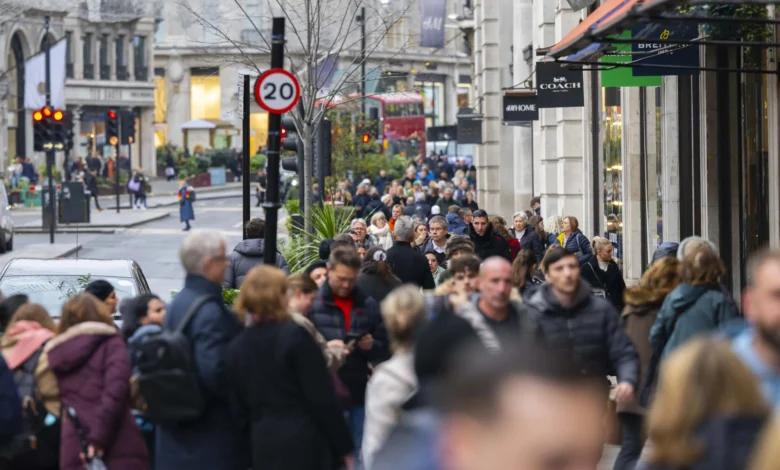
The United Kingdom retail landscape is poised for a significant financial injection as new data from PwC UK reveals that British shoppers are expected to spend an impressive £6.6bn during the upcoming Black Friday trading period. This figure represents a robust 40% year-on-year increase compared to the £4.6bn recorded during the previous year’s event. The projected surge highlights a marked shift in consumer behavior and a renewed appetite for seasonal discounting, even as broader economic headwinds continue to challenge households across the nation.
According to the comprehensive study, consumer interest in Black Friday has rebounded sharply, climbing back to 53% after experiencing a notable dip to 46% during the previous year. That prior downturn was largely attributed to persistent cost-of-living pressures and widespread economic uncertainty surrounding national fiscal budget announcements, which collectively dampened discretionary spending.
A Chronological Evolution of Black Friday in the UK
To understand the magnitude of the £6.6bn forecast, it is vital to examine the historical trajectory of Black Friday within the British retail market. Originally imported from the United States as a post-Thanksgiving phenomenon centered around physical brick-and-mortar queues, the shopping holiday transformed rapidly within the UK over the past decade.
In its early British iteration, the event triggered chaotic scenes in high street supermarkets and department stores as shoppers vied for heavily discounted televisions and home appliances. However, the event quickly migrated online, prompting retailers to stretch discounts across an entire week or even the entirety of November, effectively diluting the single-day frenzy into a prolonged promotional season often referred to as "Black November."
Despite the multi-week shift, the core weekend remains a critical bellwether for the critical golden quarter of retail—the period spanning October through December that typically accounts for a disproportionate share of annual retailer profits. While the £6.6bn projection for the current year signals a powerful recovery, it remains positioned some distance away from the all-time high watermark of £7.9bn recorded in 2019, prior to the disruptions of the global pandemic and subsequent inflationary cycles.
Demographic Deep Dive: Who is Spending and What Are They Buying?
PwC’s research, which surveyed 2,000 UK adults, highlights distinct spending patterns across different demographics, shedding light on the psychological and financial motivations driving the recovery.
Among those choosing not to participate in Black Friday, the reasons cited remain consistent with historical trends. Approximately 40% of non-participants stated that there was simply nothing they wanted or needed, while 15% noted they were actively cutting back on non-essential expenditures. A further 10% cited acute financial constraints as the primary barrier to their involvement.
Conversely, for the majority engaging with the sales, the motivations lean heavily toward personal indulgence and gift-giving. Overall, 68% of participating consumers stated that Black Friday presented an opportunity to treat themselves, while 66% viewed it as a strategic moment to purchase gifts for family members.
Intriguingly, spending intentions reveal a distinct gender divide. Male shoppers lean more heavily toward self-gratification, with 76% reporting they intend to buy items for themselves, compared to 61% of women. In contrast, female shoppers are more likely to focus on household and familial needs, with 71% purchasing items for family members.
In monetary terms, this translates to notable variations in average spend per capita. The average spend across all demographics is expected to rise to £235 per person, marking a 24% increase from the £190 recorded in the previous year.
Male shoppers are projected to lead the spending charts, with an average expenditure of £280 per person—a 24% increase year-on-year and roughly 44% higher than the average female spend. Men are primarily focusing their budgets on electronics, which account for 54% of their intended purchases, followed by fashion at 41% and Christmas stocking fillers at 26%.

Meanwhile, female shoppers are expected to spend an average of £195 per person, representing a solid 27% increase compared to the previous year. The top categories for women showcase a diverse basket of goods, led by health and beauty products at 42%, closely followed by fashion at 41%, and an even split of 36% each for Christmas stocking fillers and electrical goods.
Channel Preferences: The Digital Shift and Surprising High Street Resilience
While e-commerce continues to dominate the retail landscape, physical stores retain a dedicated following, particularly among younger cohorts.
PwC’s analysis indicates that over two-thirds of all Black Friday spending—approximately 67%—will take place online for home delivery. A further 10% of transactions are expected to be executed via click-and-collect services, leaving traditional in-store purchases to account for the remaining 21% of the market.
However, the resilience of physical retail is heavily supported by younger demographics. The data reveals that younger shoppers display a pronounced preference for in-person shopping experiences. Specifically, 33% of respondents aged 18 to 24 and 25% of those aged 25 to 34 recorded in-store shopping rates well above the national average, defying the broader assumption that digital channels are the sole domain of Gen Z and millennial consumers.
Industry Perspectives and Economic Implications
The revival of Black Friday occurs against a complex macroeconomic backdrop. Consumer confidence has experienced turbulence, with sentiment sliding from +1 in August down to -22 by the end of October. This drop has been driven by escalating utility bills, stubborn inflationary pressures, and expectations of rising interest rates, bringing sentiment to its lowest point since the spring of 2023.
Despite these hurdles, industry leaders suggest that shoppers are deliberately ring-fencing their finances to protect their festive experiences.
Sam Waller, leader of industry for consumer markets at PwC UK, offered perspective on the findings: "Our analysis shows Black Friday looks much more like a return to normal after an unusually subdued event last year. While consumer sentiment has softened heading into retail’s golden quarter, there is a greater sense of certainty among both consumers and retailers compared to last year."
Waller added: "The good news for retailers is consumers say they are protecting their budgets to treat themselves this festive season despite ongoing economic pressures."
Broader Economic Impact and Future Outlook
The £6.6bn projected windfall provides much-needed relief to a UK retail sector that has navigated years of margin compression, rising operational costs, and shifting consumer habits. High street chains and independent operators alike rely heavily on the final quarter of the calendar year to clear inventory and secure financial stability ahead of the quieter post-Christmas trading months.
Nevertheless, economists and retail analysts urge caution regarding the long-term implications of heavily concentrated promotional periods. While events like Black Friday generate immediate turnover and boost consumer morale, they can compress profit margins for retailers forced to offer deep discounts. Furthermore, heavy front-loading of festive shopping into late November can sometimes lead to a post-Black Friday lull on the high street, as consumers exhaust their discretionary budgets ahead of December.
As retailers prepare for the peak trading days, the success of this year’s Black Friday will ultimately serve as a crucial indicator of overall economic health, testing the resilience of British households as they balance the desire for seasonal celebration against ongoing financial realities.