Tariff and trade policy is the primary concern for fashion, driving strategic shifts and demanding heightened vigilance from industry stakeholders.

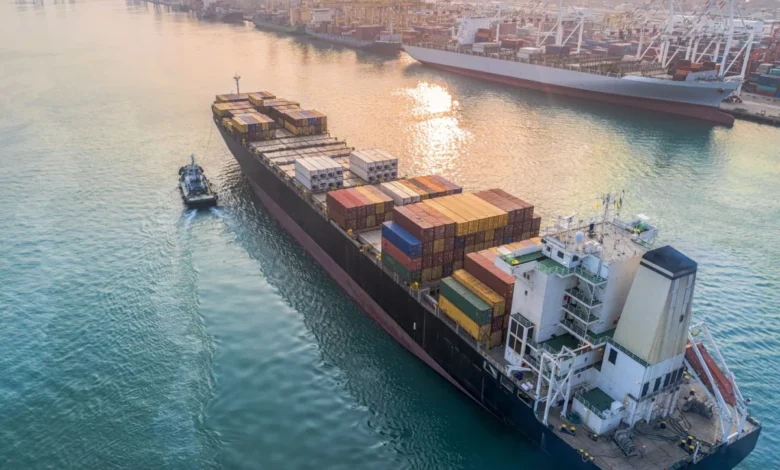
The global apparel and textile industry, a complex and interconnected ecosystem, finds itself at a critical juncture where the intricacies of tariff and trade policy have ascended to the forefront of strategic concerns. This pervasive influence stems from the sector’s inherently globalized supply chains, spanning raw material sourcing, manufacturing, and final market distribution across numerous jurisdictions. Fluctuations in trade agreements, the imposition of new tariffs, and evolving geopolitical landscapes directly impact production costs, market access, consumer pricing, and ultimately, the profitability of fashion businesses worldwide. Consequently, navigating this dynamic policy environment has become a paramount challenge, requiring proactive adaptation and a deep understanding of the shifting global trade architecture.
The Shifting Sands of Global Trade Policy
Historically, the fashion industry has benefited from a relatively liberal global trade environment, facilitated by agreements designed to reduce barriers and encourage international commerce. However, recent years have witnessed a significant departure from this trend. The rise of protectionist sentiments in key economic blocs, coupled with escalating trade disputes between major global powers, has introduced a layer of uncertainty and complexity that deeply affects the apparel sector. Tariffs, once a tool primarily for revenue generation or protecting nascent domestic industries, are now being deployed as strategic instruments in broader geopolitical and economic negotiations.
For the fashion industry, this translates into a tangible impact on the bottom line. Increased tariffs on imported finished goods or raw materials directly inflate production costs. For instance, a tariff imposed on cotton sourced from one country could necessitate a shift to a more expensive alternative, or force manufacturers to absorb the increased cost, thereby squeezing profit margins. Similarly, tariffs on finished garments exported to a key consumer market can render products uncompetitive, leading to reduced sales volumes and potential market share erosion.
A Chronology of Evolving Trade Pressures
The current landscape of trade policy concerns for the fashion industry is not a sudden development but rather a culmination of several years of evolving pressures.
Early 2010s: A period characterized by generally stable trade relations and the continued expansion of globalized manufacturing. While regional trade agreements existed, the overall trend favored liberalization.
Mid-to-Late 2010s: The emergence of trade tensions, particularly between major economies, began to signal a shift. Discussions around trade imbalances and the need to protect domestic industries gained traction. This period saw the initial imposition of tariffs on a range of goods, though their direct impact on fashion was still being assessed.
Late 2010s – Early 2020s: The escalation of trade wars led to broader and more significant tariff impositions. Supply chains, meticulously built over decades, began to face disruption. Companies started actively exploring diversification of sourcing and manufacturing locations to mitigate risks associated with specific trade blocs. The COVID-19 pandemic further exacerbated these vulnerabilities, highlighting the fragility of extended global supply chains and accelerating a reassessment of sourcing strategies.
Present Day: The ongoing geopolitical environment continues to be a significant driver of trade policy. Sanctions, export controls, and the formation of new economic alliances are creating a complex web of regulations that fashion businesses must navigate. The focus has shifted from simply reducing tariffs to managing a broader array of trade-related risks, including compliance with evolving labor and environmental standards that are increasingly being integrated into trade agreements.
Supporting Data: The Tangible Impact of Tariffs
The impact of tariff and trade policy is not merely theoretical; it is quantifiable and demonstrably affects the financial health of fashion companies. While specific, up-to-the-minute data directly attributable solely to fashion tariffs can be elusive due to the multifaceted nature of global trade, broader trends provide significant insight.
For example, the United States’ imposition of tariffs on goods from China, a major hub for apparel manufacturing, has had a ripple effect. According to reports from the U.S. Department of Commerce, the value of apparel and textile imports from China, while still substantial, has seen fluctuations and shifts in sourcing patterns as companies sought alternative manufacturing bases in countries like Vietnam, Bangladesh, and Cambodia to avoid these tariffs. This shift, however, comes with its own set of challenges, including potential increases in lead times, different labor costs, and varying levels of infrastructure development.
A study by the U.S. Fashion Industry Association (USFIA) has consistently highlighted trade policy as a top concern for its members. Their annual surveys frequently rank tariffs and trade barriers as the most significant challenges impacting their businesses, citing increased costs, reduced competitiveness, and the need for greater supply chain flexibility.
Furthermore, the World Trade Organization (WTO) has documented an increase in trade restrictions globally. While not exclusively focused on textiles, this broader trend indicates a less predictable and more protectionist international trade environment, directly impacting sectors like fashion that rely heavily on cross-border movement of goods. The cost of compliance with varying import/export regulations, including tariffs, documentation, and potential duties, adds a significant overhead to businesses.
Industry Reactions and Strategic Adaptations
The fashion industry’s response to these evolving trade policies has been multifaceted, ranging from vocal advocacy to strategic operational adjustments.
Lobbying and Advocacy: Industry associations, such as the USFIA, the European Apparel and Textile Confederation (Euratex), and national fashion councils, actively engage with governments and international bodies. Their primary objective is to advocate for free and fair trade, to highlight the economic contributions of the apparel sector, and to seek exemptions or preferential treatment where possible. They provide data-driven arguments to policymakers, emphasizing the negative consequences of tariffs on consumers, businesses, and employment.
Supply Chain Diversification: A prominent strategic shift has been the diversification of manufacturing bases. Companies are actively moving away from over-reliance on single countries, particularly those subject to significant trade disputes or potential tariffs. This involves establishing production facilities or partnering with manufacturers in a wider range of countries to spread risk and maintain flexibility. This strategy, however, requires careful planning to ensure ethical labor practices, quality control, and efficient logistics across new locations.
Nearshoring and Reshoring: In some instances, companies are exploring nearshoring (moving production closer to the end consumer market) or even reshoring (bringing production back to the home country). While this can reduce lead times and potentially mitigate some tariff-related risks, it often involves higher labor costs and may require significant investment in new manufacturing infrastructure. The viability of these strategies is highly dependent on the specific product category and market.
Increased Inventory Management: The uncertainty surrounding trade policies and potential supply chain disruptions has led some companies to adopt more conservative inventory management strategies. This can involve holding larger buffer stocks, though this carries its own risks of increased warehousing costs and potential obsolescence, especially in a fast-moving fashion cycle.
Technological Integration: Investments in supply chain visibility technologies, such as blockchain and advanced analytics, are becoming increasingly crucial. These tools enable companies to track goods more effectively, anticipate potential bottlenecks, and respond more rapidly to changes in trade regulations or customs procedures.
Broader Impact and Implications
The pervasive influence of tariff and trade policy extends beyond the immediate financial concerns of individual fashion companies, impacting the broader economic and social fabric.
Consumer Prices: Ultimately, increased tariffs and trade friction translate into higher costs for consumers. When businesses face elevated import duties or production expenses due to trade policy, these costs are often passed on in the form of higher retail prices. This can affect consumer purchasing power and demand for fashion products, particularly in price-sensitive segments of the market.
Employment and Economic Growth: The fashion industry is a significant employer globally. Disruptions caused by trade policy can lead to job losses in manufacturing, retail, and related sectors. Conversely, policies that foster stable and predictable trade can support job creation and economic growth.
Innovation and Competitiveness: A protectionist environment can stifle innovation. When companies are forced to focus on navigating trade barriers rather than investing in research and development or product design, their long-term competitiveness can be compromised. Access to global markets is crucial for scaling businesses and fostering a competitive landscape that drives creativity and efficiency.
Ethical Sourcing and Sustainability: While tariffs are primarily economic tools, they can indirectly influence ethical sourcing and sustainability practices. As companies diversify their supply chains, they must ensure that new manufacturing partners adhere to labor standards and environmental regulations. The pressure to maintain ethical practices across a more complex network of suppliers adds another layer of scrutiny to the operational challenges posed by evolving trade policies.
Geopolitical Ramifications: The fashion industry, as a highly visible and globally integrated sector, can become a proxy for broader geopolitical tensions. Decisions regarding trade agreements and tariffs are often intertwined with international relations, making the industry susceptible to shifts in diplomatic landscapes.
The Path Forward: Navigating a Complex Landscape
For fashion businesses, staying ahead of tariff and trade policy developments is no longer a peripheral concern but a core strategic imperative. This requires a proactive and informed approach, characterized by:
- Continuous Monitoring and Analysis: Diligent tracking of trade policy announcements, regulatory changes, and geopolitical developments in all key sourcing and market regions.
- Scenario Planning: Developing contingency plans for various trade policy scenarios, including tariff increases, trade disputes, and the imposition of new regulations.
- Strategic Sourcing and Diversification: Building resilient supply chains through geographical diversification and strategic partnerships.
- Investment in Technology: Leveraging technology for enhanced supply chain visibility, compliance management, and data analytics.
- Engaging with Policymakers: Actively participating in industry advocacy efforts and providing data-driven input to shape trade policy discussions.
The future of the global fashion industry will undoubtedly be shaped by its ability to adapt to and effectively navigate the complex and ever-changing landscape of tariff and trade policy. Success will hinge on foresight, agility, and a deep understanding of the global economic and political forces at play.
Related posts: