The Rise of Quick Commerce: How Wolt and the Rapid Delivery Sector are Reshaping European Retail Habits

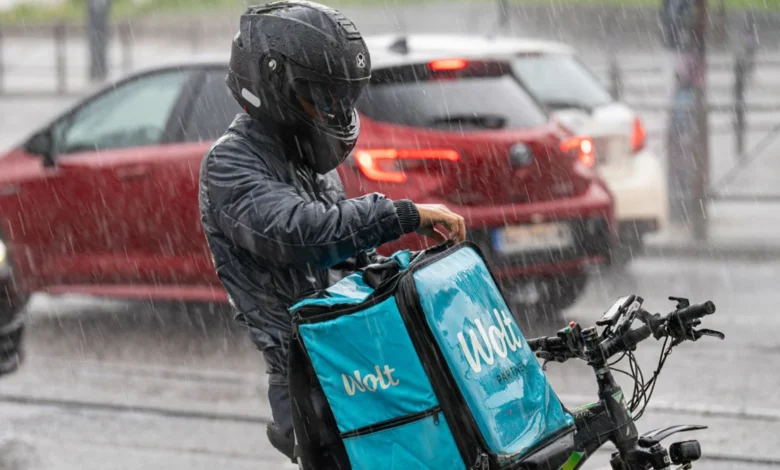
The landscape of European commerce is undergoing a profound structural transformation as rapid-delivery platforms evolve from niche convenience services into essential pillars of the retail ecosystem. Helsinki-based Wolt, which now operates across 30 countries, has released its inaugural Retail Report, revealing that non-restaurant retail now accounts for more than a quarter of its total global sales. With over two million active users engaging with retail products on the platform every month, the data signals a departure from the traditional model of on-demand dining, marking a permanent shift toward the integration of rapid delivery into the weekly household shopping routine.
A Chronology of the Rapid Delivery Evolution
The journey of quick commerce, or "q-commerce," has been marked by distinct phases of adoption. Initially, the sector was defined by the "convenience gap"—the struggle to obtain restaurant meals quickly. Between 2015 and 2020, platforms like Wolt, Deliveroo, and Getir focused heavily on food delivery, training urban populations to expect hot meals at their doorstep within 30 to 45 minutes.
By 2021, the focus shifted to "dark stores" and grocery-led models. As the pandemic underscored the necessity of contactless, rapid delivery for essential goods, consumer demand surged for pharmacy items, household staples, and fresh produce. This period served as the catalyst for the current phase: the diversification of retail verticals. In 2025, the data indicates that rapid delivery has matured into a multi-category shopping tool. Platforms are no longer just servicing "emergency" needs—buying milk or aspirin at midnight—but are increasingly being used for planned, volume-heavy grocery shopping and discretionary retail purchases, such as electronics and specialty gifts.
Quantifying the Shift: Data and Consumer Behavior
Wolt’s comprehensive data set, which incorporates independent European retail research alongside merchant interviews, highlights a significant increase in the basket size and frequency of consumer engagement. Since its inception, Wolt has facilitated more than 230 million retail orders. Perhaps most notably, the value of grocery baskets on the platform grew by 46% in 2025 alone. This suggests that the platform is moving up the value chain, as consumers consolidate their shopping needs into a single, high-frequency digital channel.
The data also reveals a "stickiness" factor that suggests long-term retention. Currently, 28% of consumers make their first interaction with the Wolt platform via a retail purchase rather than a restaurant meal. Once these users are onboarded, the behavioral shift is rapid: six out of 10 customers return to the platform the following month to repeat their retail experience.
Seasonal spikes further illustrate how deeply embedded these platforms have become in the consumer psyche. During peak retail moments, the platform acts as a critical infrastructure for last-minute demand. For instance, florist orders on the platform surge 32-fold on Valentine’s Day, while electronics sales jump 440% on Black Friday. These figures demonstrate that consumers now view the rapid-delivery network as a primary solution for time-sensitive shopping, effectively bypassing the logistical constraints of traditional physical stores during high-traffic periods.
The Broader European E-commerce Context
Wolt’s internal findings mirror a larger trend across the continent, where the appetite for speed is fundamentally changing the e-commerce landscape. According to the European E-commerce Report 2025, online shopping has reached an unprecedented level of penetration, with 73% of Europeans shopping online in 2024. Total online spending in the region reached €842 billion, representing a 7% year-on-year increase.
Crucially, the consumer expectation for "immediate" gratification is rising. Data from the Global Shopper Survey 2025 indicates that 32% of consumers now demand delivery in under two hours. This expectation is placing pressure on legacy retailers to either partner with third-party logistics providers like Wolt or invest in their own localized, micro-fulfillment centers.
While Wolt does not currently operate in the United Kingdom, the British market provides a clear blueprint for the future of the sector. The UK has seen an aggressive expansion of rapid delivery capabilities by major supermarket chains, including Morrisons and various high-street retailers. Industry forecasts from IDG suggest that the UK’s quick commerce market will grow at a compound annual growth rate (CAGR) of 10.7% between 2026 and 2031. By 2031, the market is projected to reach £5.5 billion, accounting for 15% of the total online grocery channel in Britain. This trajectory confirms that the "Wolt model"—connecting local merchants to a hyper-local delivery network—is the prevailing trend across European borders.
Official Perspectives: Bridging the Gap
Panos Karouzos, VP of New Verticals at Wolt, emphasizes that the current growth is not merely a transient trend but a structural realignment of retail commerce. "We’re seeing a clear shift in the way people shop," Karouzos stated. "Customers are increasingly using Wolt for everything they need beyond restaurant food—from weekly groceries and pharmacy essentials to pet supplies, electronics, and last-minute gifts."
From a merchant’s perspective, this transition offers a strategic advantage. By leveraging the existing last-mile infrastructure of delivery platforms, independent and chain retailers can scale their reach without the capital expenditure required to build proprietary delivery fleets. "This represents a significant opportunity for retailers to grow their business by reaching more customers and becoming part of their regular shopping routines," Karouzos added. "Wolt helps them meet this demand by bringing their selection online, making their businesses easier for customers to discover and connecting them to our last-mile delivery network."
Implications for the Retail Industry
The implications of this shift are far-reaching. For physical retailers, the rise of quick commerce necessitates a re-evaluation of store layouts and inventory management. If a significant portion of foot traffic is being replaced by digital orders destined for home delivery, retailers must adapt their brick-and-mortar locations to function as dual-purpose spaces—serving as both traditional showrooms and micro-fulfillment centers.
Furthermore, the rise of the "delivery-first" consumer is challenging traditional supply chain models. The ability to fulfill orders within two hours requires a high degree of inventory visibility and localized stock availability. Retailers that fail to integrate their stock levels with digital platforms risk being left behind as consumer loyalty shifts toward those who can guarantee speed and availability.
For the delivery platforms themselves, the challenge is sustainability. As the volume of retail goods increases, so does the complexity of logistics—moving bulky, heavy, or delicate retail items requires different handling protocols compared to standard food delivery. The platforms that succeed in the next decade will be those that can optimize their delivery density and unit economics while maintaining the high standards of service that consumers have come to expect.
Future Outlook: A New Standard for Convenience
As we look toward 2030, the line between "online shopping" and "retail" will continue to blur. The traditional e-commerce experience—characterized by multi-day shipping windows—will remain the standard for long-tail items, but for the majority of household needs, the two-hour delivery window is becoming the new baseline.
The findings from Wolt’s report suggest that we are witnessing the democratization of speed. Once a luxury reserved for the elite or the ultra-convenient, rapid delivery is now becoming a utility, much like electricity or high-speed internet. As the infrastructure for these services continues to solidify, the retail sector will likely see further consolidation, with neighborhood shops and major brands alike becoming increasingly dependent on the digital-first delivery ecosystem.
In conclusion, the data confirms that the rapid delivery revolution has successfully transitioned from the food sector to the broader retail economy. With consumers increasingly valuing their time as much as the products they purchase, the platforms that facilitate this speed, convenience, and reliability will be the primary architects of the future retail environment. Whether it is through the growth of grocery baskets or the spike in holiday electronics sales, the message from the European consumer is clear: the era of the two-hour delivery has officially arrived.