OpenAI Acquires Computational Photography Pioneer Glass Imaging for $300 Million in Strategic Hardware Move

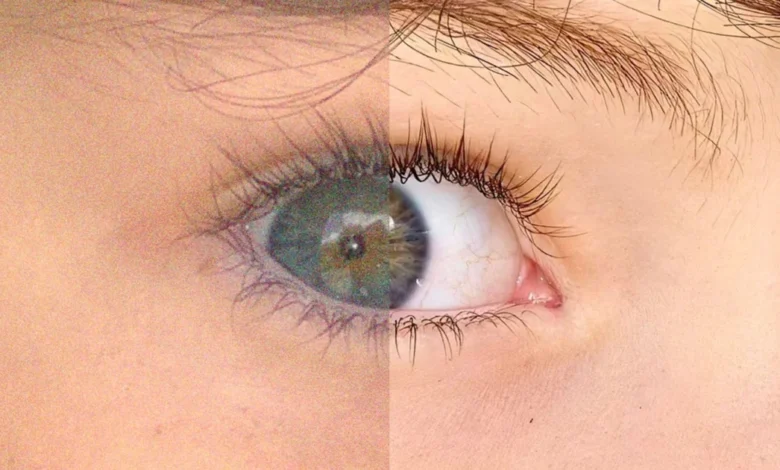
OpenAI has reached an agreement to acquire Glass Imaging, an innovative startup renowned for developing advanced artificial intelligence technology designed to revolutionize smartphone photography, for approximately $300 million. According to exclusive reporting by The Wall Street Journal, which cited sources familiar with the matter, the acquisition highlights OpenAI’s escalating ambitions in the physical hardware sector. While neither OpenAI nor Glass Imaging has officially acknowledged or commented on the transaction, the deal effectively triples Glass Imaging’s valuation from its previous funding round last year, reflecting the immense perceived value of its proprietary neural image signal processing technology.
The acquisition marks a significant milestone for Glass Imaging, a company that has spent years challenging the physical limitations of mobile photography. Founded with the mission to bridge the gap between pocket-sized smartphone cameras and bulky dedicated digital cameras, Glass Imaging successfully developed technology capable of producing images with a level of clarity, resolution, and dynamic range previously thought impossible for mobile sensors.
Chronology of Innovation and Commercial Integration
Glass Imaging’s journey to acquisition has been defined by rapid technological advancements and notable industry milestones.
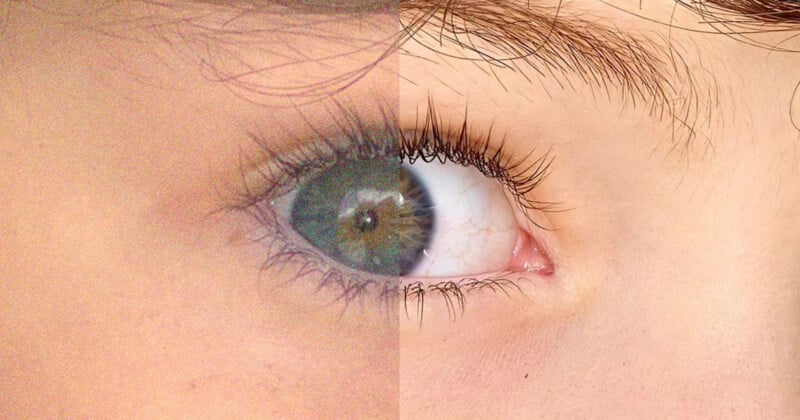
In late 2024, the startup captured widespread industry attention when it demonstrated groundbreaking AI-driven image processing demos built on the Qualcomm Snapdragon 8 Elite mobile platform. These demonstrations provided definitive proof to critics and enthusiasts alike that software intelligence could compensate for the inherent physical constraints of miniature smartphone lenses and tiny image sensors. By analyzing raw sensor data at a foundational level, Glass Imaging’s software produced side-by-side results that rivaled high-end professional camera setups.
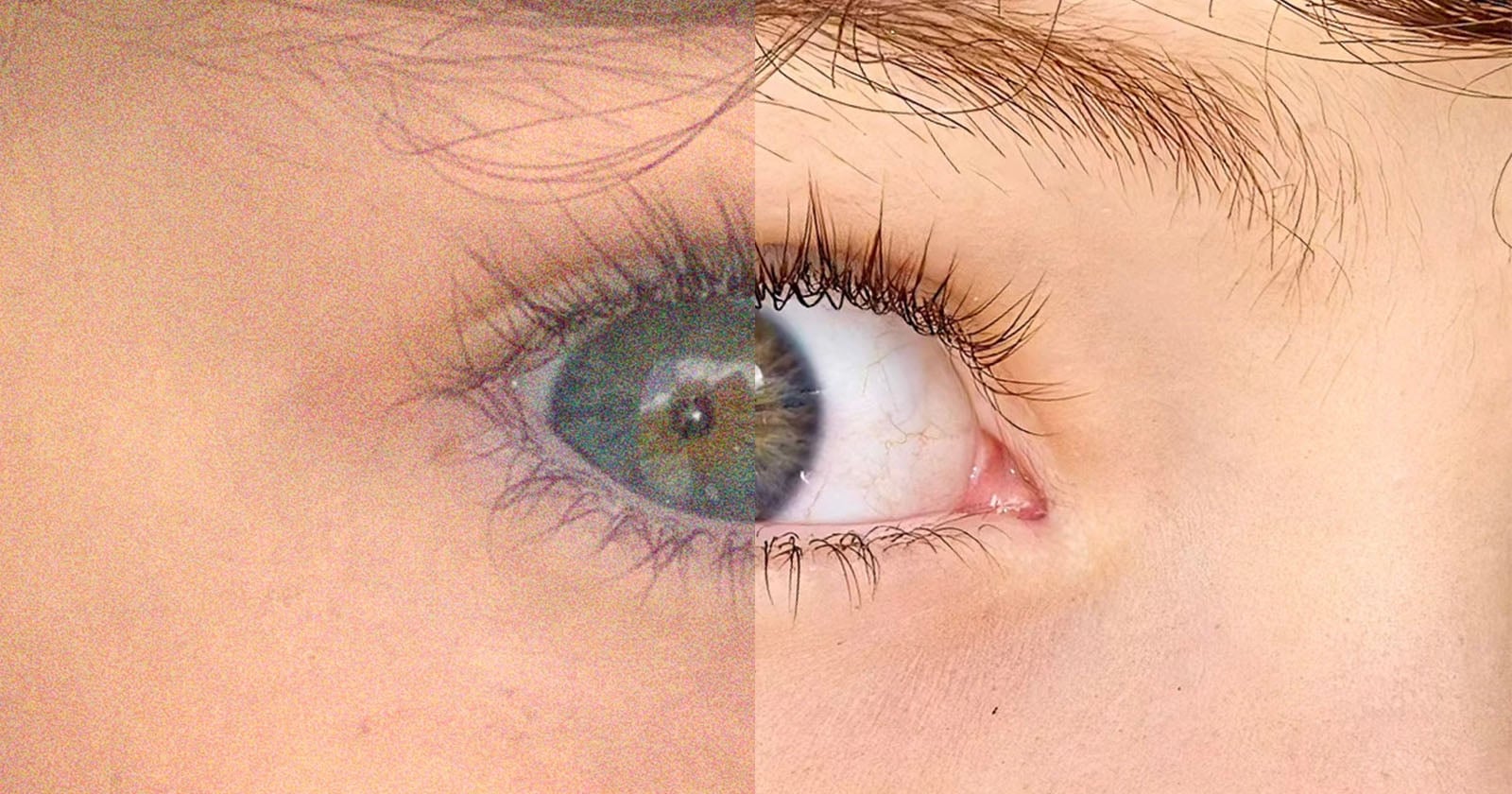
Following these successful technical showcases, the company transitioned from proof-of-concept demonstrations to commercial reality. In mid-2026, the technology reached consumers on a global scale when Glass Imaging’s proprietary GlassAI Neural image signal processing (ISP) system was officially incorporated into the Honor 600 smartphone. The implementation proved particularly transformative for high-zoom photography, dramatically mitigating the traditional artifacts and pixelation typically associated with mobile telephoto lenses.
These achievements fueled substantial investor confidence. Just last year, Glass Imaging secured a valuation of $100 million during a private funding round. The jump to a $300 million acquisition price tag by OpenAI underscores how rapidly the market for specialized computational photography solutions has accelerated.
Understanding the Technology: How GlassAI Works
To fully appreciate the strategic rationale behind OpenAI’s investment, it is essential to examine the mechanics of Glass Imaging’s core intellectual property. Traditional digital cameras rely heavily on massive physical glass elements and large sensors to capture light and detail. Smartphones, constrained by thickness and weight, must rely on heavy algorithmic processing to salvage details from limited optical inputs.
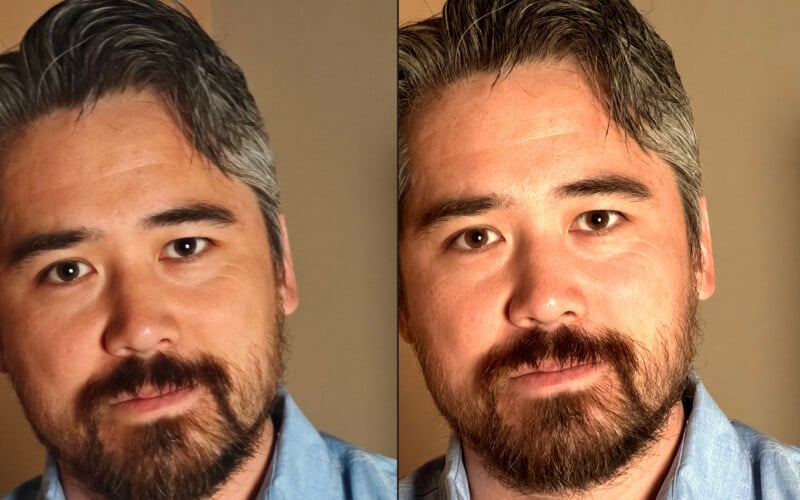
Glass Imaging differentiated itself by moving far beyond standard smartphone image processing filters. The company’s GlassAI Neural ISP operates directly on raw image data captured at the sensor level, combined with a precise mathematical understanding of physical lens characteristics. Because the software understands the optical quirks and limitations of the specific hardware module capturing the image, it can accurately reconstruct lost high-frequency details, eliminate noise, and enhance texture.
While the technology is mathematically versatile enough to operate on virtually any device capable of capturing raw sensor data, Glass Imaging strategically focused its commercial efforts on smartphones. As the largest digital camera market in the world by an overwhelming margin, the mobile sector has always been the primary battleground for computational photography innovation.
Connecting the Dots: OpenAI’s Hardware Ambitions
The acquisition of a computational photography startup by an artificial intelligence research laboratory known primarily for large language models and generative text-and-video tools initially raised eyebrows across the tech sector. On its surface, OpenAI’s core business model revolves around conversational agents, reasoning engines, and foundational AI models rather than consumer camera hardware or real-world optical rendering.
However, industry analysts point to a broader pattern in OpenAI’s corporate strategy. Last year, OpenAI made headlines by acquiring the high-profile AI hardware startup founded by former Apple design chief Jony Ive for an estimated $6.5 billion. That purchase signaled OpenAI’s serious intention to move beyond software-as-a-service and develop dedicated, purpose-built consumer hardware devices designed to interact with advanced artificial intelligence natively.
The integration of Glass Imaging into OpenAI’s ecosystem suggests that any future hardware devices developed by the company will likely feature sophisticated image-capture capabilities. Whether those capabilities are intended for traditional personal photography, advanced computer vision, spatial computing, or real-time visual intelligence and environmental data analysis, high-fidelity image capture is a foundational requirement. By owning proprietary neural ISP technology, OpenAI ensures it is not reliant on third-party silicon manufacturers or traditional camera software stacks for its hardware ventures.
Industry Implications and the Future of Mobile Imaging
While the financial windfall for Glass Imaging’s founders and investors is substantial, the acquisition brings immediate uncertainty to the mobile photography ecosystem.
For the past several years, Glass Imaging served as an independent disruptor capable of licensing its transformative neural ISP technology to various hardware manufacturers eager to compete with industry giants like Apple, Samsung, and Google. With OpenAI now steering the company’s trajectory, it is widely anticipated that Glass Imaging’s ongoing external collaborations—and its efforts to democratize DSLR-quality imaging for mainstream smartphones—will be put on hold or completely redirected inward to support OpenAI’s proprietary product roadmap.
This potential pivot represents a bittersweet moment for mobile photography enthusiasts and industry observers. On one hand, the buyout validates the extraordinary caliber of engineering and scientific research achieved by the startup. On the other hand, it removes a key independent player from the smartphone camera vendor landscape, potentially slowing down the widespread adoption of open-market computational photography advancements that could have benefited consumers across all brands.
As OpenAI continues to transition from an exclusive software laboratory into an integrated hardware and AI ecosystem giant, the true strategic value of the Glass Imaging acquisition will likely become apparent with the rollout of future physical devices. For now, the multi-million-dollar deal serves as a definitive statement that the future of digital imaging will be dictated not by the physical dimensions of glass lenses, but by the sophistication of the neural networks interpreting the light behind them.