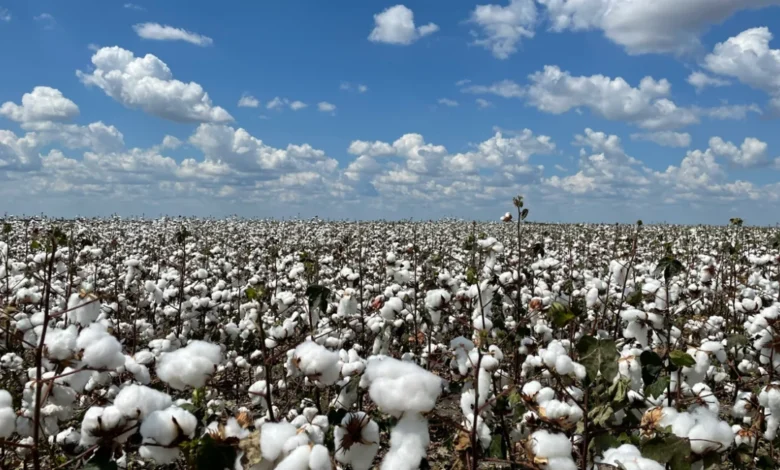
The global fashion industry stands at a critical juncture, facing increasing scrutiny over its environmental footprint, labor practices, and the relentless speed of production cycles that define the fast fashion era. As consumers become more conscious of the provenance of their clothing, a revolutionary movement known as “farm-to-closet” is emerging as a credible alternative. This model, which emphasizes total transparency from the soil to the shelf, seeks to dismantle the opaque supply chains that have characterized the garment industry for decades, replacing them with a circular, regenerative, and community-focused approach.
The Anatomy of the Farm-to-Closet Movement
At its core, the farm-to-closet movement is a radical commitment to traceability. In a standard fast fashion supply chain, a garment may travel across several continents, passing through numerous intermediaries—ginners, spinners, weavers, dyers, and garment assemblers—before reaching the consumer. This fragmentation makes it nearly impossible for a buyer to understand the true cost of their purchase, both in environmental and human terms.
The farm-to-closet philosophy reverses this complexity. It asserts that the journey of a garment should be a coherent narrative that begins with regenerative agriculture. By shortening the distance between the raw material producer and the final consumer, brands can ensure that farming practices are soil-positive, water consumption is minimized, and workers are treated with dignity. This is not merely an aesthetic choice; it is a fundamental restructuring of how textile production interacts with the ecosystem.
Chronology of the Shift Toward Sustainability
The modern shift toward sustainable fashion did not occur in a vacuum. It was catalyzed by a series of global events that exposed the fragility of the conventional model:
- 2013: The Rana Plaza Tragedy: The collapse of the Rana Plaza factory in Bangladesh, which claimed over 1,100 lives, served as a global wake-up call. It forced the industry to confront the reality of its opaque supply chains and the hazardous conditions under which millions of garments are produced.
- 2015-2018: Rise of Transparency Standards: Organizations such as Fashion Revolution began the “Who Made My Clothes?” campaign, pushing brands to disclose their tier-one, tier-two, and tier-three suppliers.
- 2020-2022: Pandemic-Induced Supply Chain Disruptions: The global health crisis revealed the dangers of over-reliance on centralized, long-distance production, leading designers and smaller brands to explore localized production loops.
- 2024-2026: The Emergence of Regenerative Fashion: The current period marks the transition from merely "doing less harm" to "doing good." Brands like Indonesia’s SukkhaCitta have become international flagbearers for this transition, moving beyond simple organic labels to actively restoring the land through regenerative farming.
Supporting Data: The Cost of Fast Fashion
The necessity for this transition is underscored by stark industry data. According to recent reports from the United Nations Environment Programme (UNEP), the fashion industry is responsible for approximately 2-8% of global carbon emissions. Furthermore, the industry consumes roughly 93 billion cubic meters of water annually, placing immense strain on regions already experiencing water scarcity.
A critical issue is the rate of waste. Research indicates that the equivalent of one garbage truck full of textiles is landfilled or burned every second. The "farm-to-closet" model addresses this by emphasizing durability and slow production. By moving away from the 52-micro-season cycle of fast fashion, these producers encourage a shift toward "fewer, better things," which inherently reduces the volume of post-consumer textile waste.
Case Study: SukkhaCitta and the Power of Local Expertise
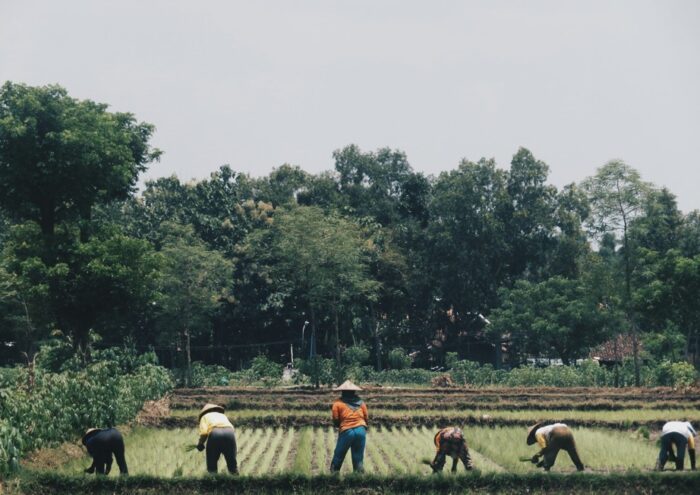
The SukkhaCitta brand serves as a primary example of how the farm-to-closet model functions in practice. By integrating local farming communities into the value chain, the brand ensures that the environmental impact is minimized from the outset.
One of the brand’s hallmarks is the use of traditional indigo dyeing. Unlike synthetic dyes, which are a major source of water pollution in the textile industry, the natural indigo process is non-toxic and biodegradable. The process is labor-intensive, requiring multiple immersions and oxidation periods to achieve the desired depth of color. This complexity, however, is the point: it preserves indigenous knowledge and provides consistent, fair-wage employment for local weavers and dyers. Every garment produced under this model carries the history of the soil it grew in and the hands that crafted it.
The Socio-Economic Implications
The implications of the farm-to-closet model extend far beyond the environment. By bypassing large-scale industrial middlemen, the model ensures a greater portion of the final retail price stays within the hands of the original producers. This promotes economic resilience in rural areas, where farming and traditional crafts are often under-compensated.
Furthermore, the focus on regenerative agriculture—practices such as cover cropping, no-till farming, and the elimination of chemical pesticides—helps sequester carbon in the soil. This positions fashion brands as potential partners in climate mitigation rather than merely contributors to climate change.
Official Perspectives and Industry Reactions
Advocates for the farm-to-closet movement argue that the future of fashion must be "de-industrialized" in its philosophy. Industry analysts suggest that while this model may currently occupy a niche, it is setting the standard for incoming environmental regulations in the European Union and North America. As "greenwashing" becomes legally actionable, companies are being forced to substantiate their sustainability claims with verifiable, step-by-step supply chain data.

Critics of the model often point to the issue of scalability. Scaling a farm-to-closet approach to meet the demands of a global population of eight billion is a significant logistical challenge. However, proponents argue that the goal is not to replicate the current volume of the fashion industry, but to shrink the industry’s total footprint while increasing the value per garment.
Broader Impact and Future Outlook
The evolution of the fashion industry toward a more transparent, farm-to-closet future represents a cultural shift as much as a commercial one. It asks the consumer to move from a role of passive buyer to an active participant in an ecological and social ecosystem.
When a consumer chooses a garment produced through this model, they are participating in the revitalization of local economies and the restoration of natural landscapes. The transition toward a "slower" fashion cycle does not mean a lack of innovation or style; rather, it suggests a more thoughtful, curated, and responsible approach to personal expression.
Looking ahead, the success of the farm-to-closet movement will likely depend on three pillars: technological integration for better tracking, policy support to incentivize regenerative agriculture, and a sustained shift in consumer values. The "farm-to-closet" approach proves that the fashion industry can indeed be a catalyst for positive change. It demonstrates that when we strip away the layers of abstraction between the field and the wardrobe, we find a path to a more sustainable, equitable, and meaningful future for global design. The challenge for the coming decade will be whether this model can move from a boutique experiment to a mainstream standard, effectively ending the era of disposable fashion in favor of a legacy of longevity and respect for the earth.