Manchester Made & Regions Set to Tackle the Commercial Realities and Future of UK Textile Manufacturing

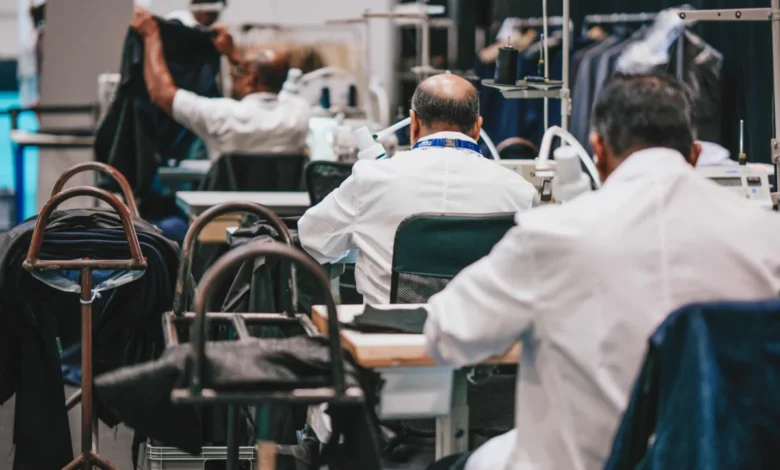
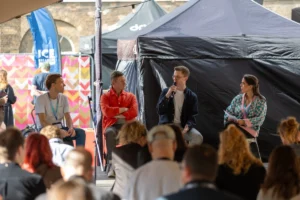
The British fashion and textile landscape is at a critical juncture, balancing the allure of domestic production against the stark realities of globalized supply chains, rising operational costs, and shifting consumer expectations. To address these complex challenges head-on, industry stakeholders are preparing to converge at the historic Manchester Hall on Wednesday, November 4, for the upcoming Manchester Made & Regions summit. This high-profile event—born from the foundational success of the Leicester Made & Regions initiative and the broader promotional efforts of Source Fashion—seeks to move the national conversation past mere rhetoric and into actionable commercial strategies.
Organized through a collaborative effort involving Source Fashion, Fashion-Enter Ltd, and the Association of Textiles Manufacturers and Fashion (ATMF), the day-long conference is designed to unite manufacturers, high-street brands, independent retailers, sourcing professionals, and key policy influencers. At the core of the agenda is a single, pressing inquiry: What will it take to make UK production commercially viable and attractive for a broader spectrum of brands and retailers?
Background Context and the Evolution of Regional Summits
The genesis of Manchester Made & Regions is deeply rooted in a broader movement to revitalize the United Kingdom’s once-dominant textile manufacturing sector. For decades, the UK apparel industry experienced a steady exodus of production facilities overseas in pursuit of lower unit labor costs. However, recent global disruptions—including pandemic-era supply chain bottlenecks, geopolitical instability, rising freight expenses, and an increasing corporate focus on environmental sustainability—have exposed the vulnerabilities of distant sourcing models.
In response, industry advocates and regional leaders began pushing for a renaissance in domestic manufacturing, commonly referred to as reshoring or nearshoring. The precursor to the Manchester event, Leicester Made & Regions, proved instrumental in highlighting the untapped potential of regional manufacturing clusters. Leicester, historically a powerhouse for knitwear and garment assembly, demonstrated that localized networks could offer agility that distant hubs simply cannot match. Building upon that momentum, the organizers expanded the mandate to Manchester—a city with an illustrious industrial heritage in cotton and textiles—to examine how regional ecosystems across the UK can modernize, scale, and compete effectively in the modern marketplace.
The Morning Agenda: Reindustrialisation, Policy, and the Commercial Case
The summit opens with a plenary session titled "What Will It Take? Reindustrialisation of the UK." Moderated by Jenny Holloway, Chief Executive Officer of Fashion-Enter Ltd, the panel tackles the macroeconomic and structural hurdles that prevent ambition from translating into actual purchase orders. Holloway is joined by an expert panel featuring Snahal Patel, CEO of 23 Foxes; Cheryl Chung of The Garment Workers Trust; and Professor Jess Power, Chair of The Textile Institute. Together, these leaders will dissect the policy frameworks, educational investments, and industry solidarity required to build a resilient domestic manufacturing base. Discussions are expected to touch upon public procurement policies, exploring how government contracts could serve as a vital anchor for local factories.
Following this high-level policy discussion, the morning features a much-anticipated fireside chat with Patrick Grant, CEO of Community Clothing and a prominent advocate for British manufacturing. Grant is slated to challenge conventional industry wisdom by discussing the operational frameworks required to build a profitable, sustainable British apparel brand. His insights will focus heavily on pricing structures, demonstrating that consumers are increasingly willing to pay a fair price when transparency, superior craftsmanship, and ethical production are clearly communicated.
Subsequent morning sessions shift the focus to regional ecosystem survival. Rather than attempting to compete purely on unit costs with ultra-fast-fashion powerhouses operating in low-wage jurisdictions, the panels will emphasize how British factories can leverage their inherent geographic advantages: unmatched speed-to-market, production flexibility, stringent quality control, and deep, collaborative supplier-retailer relationships.
Tackling Pressing Commercial Realities
As the morning transitions into afternoon programming, the dialogue drills down into the day-to-day commercial pressures experienced by domestic producers. Isatou Ndure, Senior News Editor at Just Style, will lead a panel featuring Michael Conway, CEO of CLOTHES2ORDER; Sajid Esa, Director of 5th Avenue Clothing; and Simon Platts, Founder of Simon Platts Consulting and former Sourcing and ESG Director at ASOS.
This panel is expected to provide a transparent look at the friction points between retailers and local manufacturers. Key topics will include escalating energy and labor costs, squeezed retail margins, minimum order quantities (MOQs), compressed lead times, and the long-term financial viability of tier-1 and tier-2 suppliers. By bringing both buyers and manufacturers to the same table, the session aims to foster mutual understanding and forge fairer, more sustainable trading terms that protect suppliers while meeting retail demands.
Shifting European Trends and Consumer Demographics
The afternoon sessions broaden the geographic and conceptual scope, placing the UK manufacturing opportunity within the wider European market. Marguerite Le Rolland, Global Insight Manager for Fashion at Euromonitor International, will present findings from her research titled "Fewer, Better, Closer: What’s Driving Fashion Demand in Europe in 2026." Drawing upon extensive market data and consumer research, Le Rolland will outline the macro-trends reshaping consumer behavior across the continent, highlighting a decisive pivot toward intentional purchasing and regional supply chains.
Complementing this data-driven presentation, Jack Stratten, Head of Trends at Insider Trends, will take the stage to explore the rising commercial value of product durability, brand trust, and longevity. Stratten’s session will examine how younger consumer demographics—Gen Z and Millennials—are fundamentally altering luxury and mainstream fashion markets. Driven by environmental consciousness and a skepticism toward disposable fashion, these consumers are prompting brands to reevaluate their product strategies, placing a premium on items designed to last.
The final panel discussion of the day, led by Source Fashion’s Suzanne Ellingham, will challenge delegates to recalibrate how they calculate value. Ellingham’s discussion urges sourcing professionals to look past the superficial metric of unit price and instead evaluate domestic sourcing through a holistic lens that encompasses risk mitigation, margin protection, brand reputation, and long-term business growth.
Official Perspectives and Strategic Objectives
Articulating the core mission of the event, Suzanne Ellingham emphasized the urgency of moving past theoretical discussions.
"There is a lot of conversation about reshoring and buying British, but if we genuinely want to see more production taking place here, we have to move beyond ambition and build the commercial case for it," Ellingham stated. "That means addressing the realities of cost, capacity, and lead times, while recognizing the value UK manufacturing can offer through speed, flexibility, quality, and resilience."
Ellingham further noted that the summit is deliberately structured to produce tangible outcomes. "Manchester Made & Regions brings manufacturers, brands, retailers, and industry leaders together to examine what is standing in the way and what needs to change. From reindustrialisation and public procurement to changing consumer demand and the business case for sourcing closer to home, our focus is on practical solutions that can turn growing interest in British manufacturing into meaningful commercial action."
Broader Impact and Industry Implications
The implications of the Manchester Made & Regions summit extend far beyond a single day of networking and debate. For the UK economy, a revitalized textile and apparel sector holds the potential to create thousands of skilled manufacturing jobs, revitalize post-industrial regional economies, and significantly reduce the carbon footprint associated with long-haul international shipping.
However, analysts point out that achieving a renaissance in British manufacturing requires systemic alignment across the entire supply chain. Retailers must be willing to commit to predictable, long-term order volumes rather than treating local factories as mere stopgaps for emergency inventory replenishment. Simultaneously, manufacturers must continue to invest in advanced technologies, automation, and workforce training to bridge the skills gap and enhance operational efficiency.
As the industry gathers at Manchester Hall on November 4, the collective expectation is that the dialogues initiated on the stage will translate into concrete partnerships. By bridging the gap between idealistic sustainability goals and hard-nosed commercial execution, events like Manchester Made & Regions are playing a pivotal role in charting a sustainable, resilient, and prosperous future for British fashion and textile manufacturing.