Six seasons, four summers: Inside fashion’s high heat problem and how to solve it

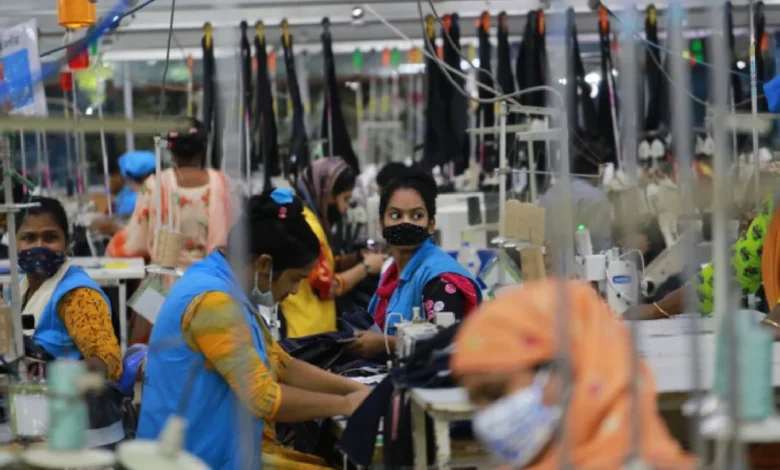
As climate change accelerates globally, the manufacturing hubs of South Asia are facing an escalating environmental crisis that directly threatens both the workforce and the economic backbone of the region. A comprehensive new university research report has revealed that strategic investments aimed at mitigating extreme heat inside Bangladesh’s vital garment factories could fully recover their initial capital costs within one to four years. Furthermore, these targeted cooling and ventilation interventions would significantly limit worker exposure to dangerous thermal environments while simultaneously boosting overall labor productivity.
The study, titled Six seasons, four summers: Inside fashion’s high heat problem and how to solve it, was conducted by Cornell University in collaboration with BRAC University, YGEN Engineering, and the Bangladesh Centre for Worker Solidarity. By combining rigorous indoor temperature and humidity monitoring across eight distinct garment manufacturing facilities in Dhaka with detailed engineering assessments, worker surveys, and microclimate tracking inside 37 workers’ homes over the course of a full year, the research paints a stark picture of the realities facing the modern apparel supply chain.
The findings arrive at a critical juncture for Bangladesh, the world’s second-largest apparel exporter behind China. With international fashion brands facing mounting pressure under environmental, social, and governance (ESG) mandates, the intersection of worker welfare, climate resilience, and economic viability has never been more prominent.
A New Climatic Norm: Seven Months of Heat Stress
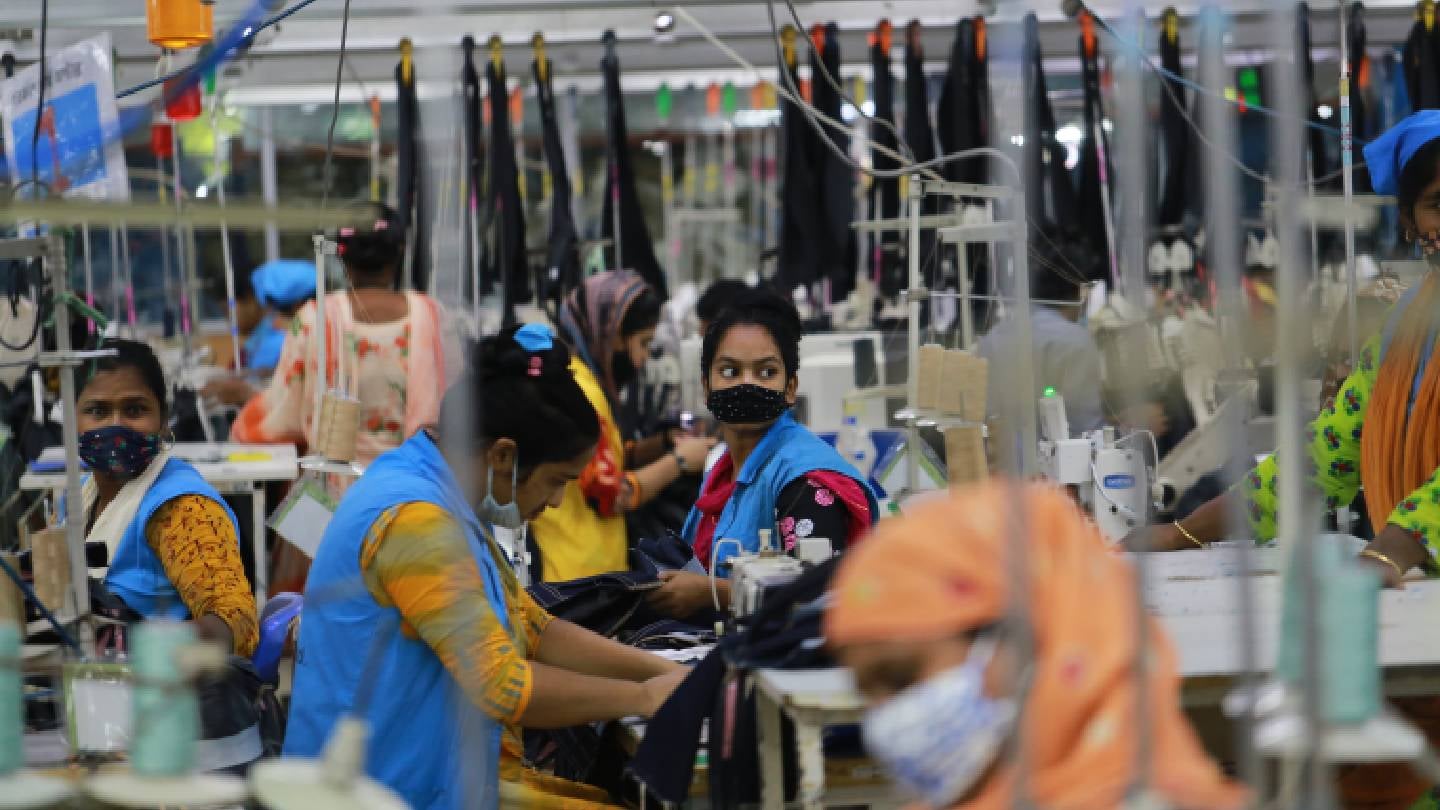
According to the research findings, Dhaka experienced an unprecedented seven-month heat-stress season in 2025—a phenomenon the study’s authors explicitly describe as “the new norm” rather than a temporary anomaly. Within the evaluated manufacturing facilities, internal temperatures and humidity levels consistently outstripped outdoor conditions. The problem was acutely severe in specific operational zones, with ironing and finishing departments recording the highest levels of thermal exposure.
During the peak heat months, workers stationed in these high-exposure sections spent substantial portions of their shifts trapped within caution, high, or severe heat-stress zones. Despite these hazardous and physically punishing conditions, survey data revealed that employees frequently continued working, driven by strict production quotas, piece-rate wages, and the economic necessity to secure their daily earnings.
The study calculated that extreme heat exposure directly correlated with an average 4.1% loss in working-time productivity across all assessed production sites. This loss manifests through slower operational speeds, increased frequency of mandatory rest breaks, fatigue-induced errors, and higher rates of absenteeism due to heat-related illnesses such as dehydration, exhaustion, and heat cramps.
The Broader Domestic Toll: Sleepless Nights and Financial Strain
Crucially, the Cornell-led research expanded its scope beyond the factory gates to examine the off-hours domestic realities of garment workers. The data revealed that rising nighttime temperatures severely disrupt restorative sleep, leaving employees physically depleted before their shifts even begin.
This lack of recovery time is compounded by heavy financial pressures. As ambient temperatures rise, workers reported having to increase their household spending on electricity for electric fans, medical treatments for heat-induced ailments, and additional dietary needs. To cover these inflated summer expenses, many vulnerable households resort to high-interest borrowing, pawning personal belongings, or cutting back on essential household expenditures, including food and education.
Engineering Solutions and Financial Viability
To combat factory-level heat stress, the research team conducted comprehensive engineering assessments. Their evaluations identified a combination of practical, high-impact technical interventions that could drastically lower indoor thermal exposure. These measures include comprehensive roof insulation to block solar radiation gain, enhanced natural and forced ventilation systems, and targeted mechanical cooling solutions directed at high-heat zones like ironing and boiler rooms.
Crucially, the report dispels the notion that factory cooling is an unrecoverable operational cost. By analyzing the financial trade-offs between capital expenditure and productivity losses, the researchers found that these upgrades present a highly compelling business case.
Under a conservative “headwinds” economic scenario—which factored in higher-than-average capital costs, inflated energy prices, and modest productivity gains—the average payback period across the surveyed factories was calculated at 2.9 years. Even under the worst-case analytical scenario examined by the researchers, the payback period extended only slightly beyond four years. The report emphasizes that the financial returns remain positive, generating sustained value through reduced error rates, lower absenteeism, extended equipment efficiency, and protected worker health.
Scaling the Transition: Industry-Wide Cost and Investment
Expanding these heat-mitigation measures across the entirety of Bangladesh’s expansive apparel export sector would require a coordinated capital expenditure estimated at $239 million. While substantial on paper, the report contextualizes this figure by noting that if spread evenly over a three-year implementation period, the total investment would equal just 0.2% of the sector’s projected 2025 apparel export revenue.
Tareq Ahmed Robin, managing director of YGEN Engineering Dhaka, emphasized that individualized strategies are essential for success. "There is no one-size-fits-all solution to heat stress. Every factory is different, so measures need to reflect the factory’s design and production processes," Robin stated. "The important thing is to start now, with practical steps—insulation, improved airflow, active cooling for the hottest areas—and to build on these measures as heat stress rates go higher."
Stakeholder Collaboration and the Call for Shared Responsibility
Addressing a structural crisis of this magnitude cannot fall solely on the shoulders of local factory owners operating on thin profit margins, according to labor experts and industry advocates.
Jason Judd, executive director of Cornell University’s Global Labor Institute, underscored the urgency of collaborative action. "The problem is urgent and we already know what can be done to reduce heat stress. There are practical solutions available to manufacturers. Addressing heat stress makes sense from both business and worker health and safety perspectives," Judd remarked.
Judd added that the central challenge moving forward lies in determining how to distribute financial responsibilities fairly and scaling proven interventions across the global supply chain. "This means acting together—employers, buyers, workers, government—including through mandatory programmes such as the International Accord, which provide a framework for putting solutions into practice and spell out how responsibility is shared."
The report explicitly argues that heat adaptation must be treated as a shared systemic responsibility rather than a localized factory overhead expense. Coordination between international fashion brands and retailers, local manufacturers, labor unions, government ministries, and financial institutions will be vital to securing the necessary capital and ensuring compliance with worker protection standards.
Background Context: The Macroeconomic Stakes
These latest findings build directly upon foundational research published in 2023. Cornell University’s earlier Higher Ground report, conducted in partnership with asset management firm Schroders, sounded an international alarm by estimating that extreme heat and climate-induced flooding could put up to $65 billion in cumulative apparel exports at risk across Bangladesh, Cambodia, Pakistan, and Vietnam by the year 2030.
For Bangladesh alone, that preliminary macroeconomic analysis warned that unmitigated climate hazards could jeopardize $27 billion in export value and threaten approximately 250,000 potential jobs. As global temperatures continue to break historical records, the manufacturing hubs of South Asia find themselves at the sharp edge of the climate crisis.
Ultimately, the new research indicates that while the environmental challenges facing Bangladesh’s garment sector are intensifying, practical and economically viable solutions are well within reach. By bridging the gap between engineering interventions and shared financial models, the apparel industry has a narrow window to safeguard its most valuable asset: its workforce.