Faux fur coats under £150 and the critical art of decoding recycled fibre composition labels

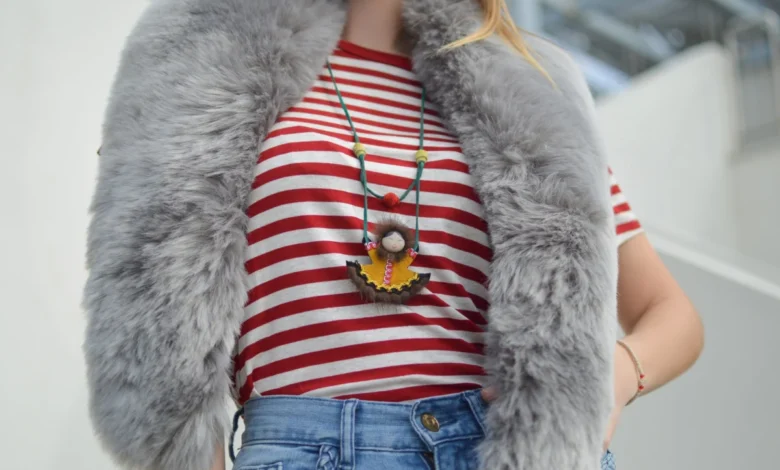
As winter descends upon the United Kingdom, high-street retailers have populated their digital storefronts with a wide array of synthetic outerwear options. Among the most popular choices are faux fur coats, which provide a cruelty-free alternative to traditional animal pelts. However, for the eco-conscious consumer, the distinction between a garment made from recycled materials and one derived from virgin synthetics is often obscured by complex, fragmented product descriptions. A recent analysis of two prominent UK high-street offerings—the & Other Stories Faux Fur Jacket and the Hobbs Florence Faux Fur Coat—reveals that while both items are priced under £150, their environmental claims are fundamentally different, necessitating a rigorous approach to reading garment composition panels.
The Landscape of Synthetic Outerwear in 2026
The market for synthetic fashion has undergone significant scrutiny as global sustainability mandates tighten. Synthetic fibres, primarily polyester, are derived from petroleum-based feedstocks. When produced as "virgin" polyester, the environmental footprint is substantial, involving energy-intensive extraction and refining processes. In response to consumer demand for circularity, many brands have pivoted toward recycled polyester (rPET), which is manufactured from post-consumer waste such as plastic bottles or discarded textile scraps.
As of November 18, 2026, the retail landscape highlights this divergence in manufacturing ethics. The & Other Stories Faux Fur Jacket, currently retailing at £139, explicitly outlines its use of recycled materials in both the shell and the lining. Conversely, the Hobbs Florence Faux Fur Coat, which has been marked down to £109 from its original price of £189, presents a more ambiguous profile. While the brand mentions a recycled lining in its promotional copy, the primary material—the faux fur pile itself—lacks any such designation, suggesting the use of virgin synthetic fibres.
Dissecting Product Transparency: A Comparative Chronology
To understand why these labels differ, one must look at how retailers present technical data. On November 18, 2026, a price and composition audit was conducted on both platforms.
The & Other Stories product page provides a transparent breakdown. Their composition panel lists 100% recycled polyester for the shell and 52% recycled polyester for the lining. Crucially, the brand includes an additional information panel that defines their process, noting that the material is derived from PET bottles and end-of-life textile waste, processed mechanically into new yarn. By providing both the composition percentages and a clear definition, the retailer empowers the consumer to make an informed decision based on the entire garment’s lifecycle.
In contrast, the Hobbs Florence coat adopts a different reporting structure. Its primary composition panel lists 100% polyester for the fur and 100% polyester for the lining, without specifying the origin of these fibres. While a product bullet point mentions that the lining is recycled, there is a conspicuous silence regarding the composition of the outer pile. Because the pile constitutes the bulk of the garment’s mass and surface area, the omission of a "recycled" claim for this section is a significant indicator of the material’s likely virgin, petroleum-based origin.
Supporting Data: The Polyester Dilemma
Polyester remains the most widely used synthetic fibre in the fashion industry, accounting for approximately 52% of the total global fibre market. The transition from virgin to recycled polyester is a cornerstone of the industry’s net-zero strategy, yet the "green premium" associated with these materials often fluctuates based on market demand and collection infrastructure.
According to industry data, mechanically recycled polyester can reduce carbon emissions by up to 30% compared to virgin polyester. However, the limitation of mechanical recycling is that it does not fundamentally alter the nature of the plastic. It remains a synthetic material that is prone to shedding microplastics during washing. Furthermore, because "polyester" is a generic term, the label on a garment does not legally distinguish between recycled and virgin sources unless the brand chooses to specify it. This lack of standardized reporting creates a "transparency gap" that leaves shoppers to navigate a minefield of marketing terminology versus technical data.
Analysis of Retailer Disclosure Standards
The variance in how these two brands present their data reflects a lack of industry-wide regulation regarding the labeling of recycled synthetic content. While some jurisdictions are moving toward mandatory transparency in environmental claims, UK high-street retailers currently operate under a self-regulatory framework.
When a brand lists a "recycled lining" but remains silent on the "recycled fur," it is often a strategic choice. From a manufacturing perspective, the faux fur pile is the most difficult component to produce using recycled fibres while maintaining the aesthetic, soft-touch quality expected by consumers. Achieving the necessary texture requires high-quality, long-staple synthetic fibres that are often easier to source in virgin form. Therefore, a brand might use recycled polyester for the lining—a hidden, low-friction component—while relying on virgin materials for the visible pile to ensure the garment meets the required aesthetic standard at a lower price point.
Implications for the Conscious Consumer
For those attempting to shop sustainably, the implications of these findings are clear: one cannot rely solely on the headline price or a single "recycled" tag. The following checklist has been established for consumers evaluating high-street faux fur:
- Examine the Composition Panel: Does it specifically mention "recycled" next to the primary material (the shell or pile)?
- Verify the Scope: Does the recycled claim apply to the entire garment, or is it limited to the lining or trim?
- Seek Definitions: Does the retailer provide a clear definition of what they mean by "recycled"? Transparency in process—such as noting the use of PET bottles versus industrial waste—is a strong indicator of a brand’s commitment to genuine sustainability.
- Consider the Source: Be wary of broad "eco-friendly" claims that are not backed by specific percentage breakdowns in the technical composition section.
Broader Impact and Industry Shifts
The movement toward "fur-free" fashion has been a resounding success in the UK, with nearly all major high-street retailers pledging to exclude real animal fur from their collections. However, the environmental trade-off of this shift is the reliance on plastic-based alternatives. As the industry grapples with the climate crisis, the focus is shifting from "animal-free" to "plastic-free" or "circular-synthetic."
Retailers that lead with transparency, such as & Other Stories, are setting a standard that competitors will eventually be forced to meet as consumer literacy increases. The current environment—where a shopper must cross-reference product bullets with composition panels—is likely a temporary phase. As the EU and UK regulators move toward "Digital Product Passports," we can expect more granular data to be available at the point of sale. Until then, the onus remains on the consumer to perform the due diligence required to distinguish between genuine circularity and "green-lighted" marketing.
Conclusion
The £109 and £139 price points for the Hobbs and & Other Stories coats respectively demonstrate that sustainable options are becoming increasingly accessible. However, the difference in their material claims serves as a potent reminder that "faux fur" is a broad category encompassing various levels of environmental impact. By scrutinizing labels, demanding definitions, and understanding the difference between a recycled lining and a recycled shell, consumers can push the retail industry toward higher levels of honesty and accountability. As we navigate the winter season, the most fashionable choice remains an informed one—where the garment’s provenance is as clearly stated as its price.