Kelli Donovan: Pioneering Sustainable Fashion from Australian Landscapes to Global Ocean Conservation

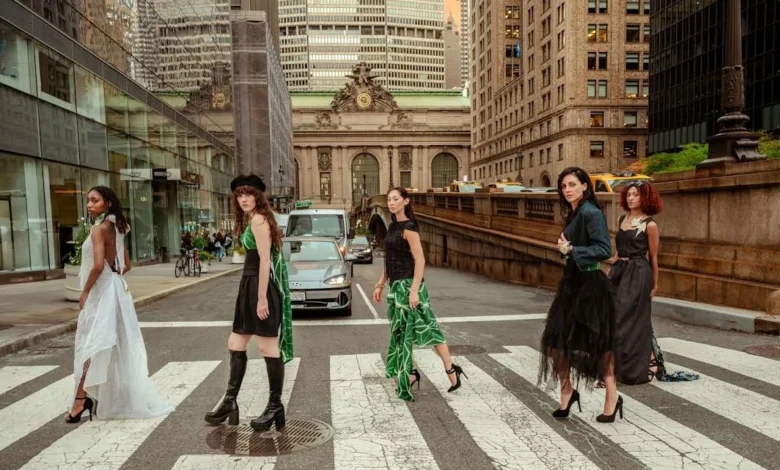
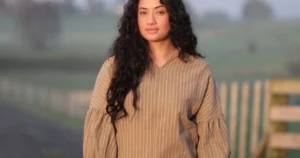
Australian designer Kelli Donovan has emerged as a prominent voice and practitioner in the global sustainable fashion movement, dedicating her three-decade career to challenging the industry’s destructive practices. Growing up amidst the pristine natural beauty of Australia’s countryside, Donovan developed an early and profound appreciation for the environment, an ethos that would later define her professional trajectory. Her journey from observing unsustainable manufacturing to establishing an ethical fashion brand underscores a commitment to timeless design, high-quality sustainable materials, and an unwavering ethical approach to production. This extensive interview explores the formative influences on her design aesthetic, the philosophical underpinnings of her brand, and her impactful contributions to raising awareness about critical environmental issues, from textile waste to ocean pollution.
The Genesis of a Vision: Australian Roots and Environmental Awakening
Kelli Donovan’s design philosophy is deeply rooted in her Australian upbringing. Raised in Canberra, often referred to as the "bush capital," she forged an intimate connection with the natural world. Canberra, a meticulously planned city, is distinctive for its seamless integration with expansive bush landscapes, offering residents immediate access to mountains, walking trails, and a vibrant outdoor culture. This unique environment fostered in Donovan a profound reverence for nature. Her childhood was characterized by extensive bushwalking, camping, and immersion in the outdoors, activities that cultivated a keen eye for the beauty surrounding her.
Beyond the geographical influences, Donovan’s family environment also played a crucial role. Hailing from a creative and artistic lineage, she was encouraged to perceive the world through an appreciative lens, particularly recognizing the inherent beauty in nature. This early exposure to both artistic expression and natural splendor instilled in her an aesthetic sensibility that prioritizes organic forms, natural textures, and an understated elegance. This connection to the Australian landscape is not merely superficial; it informs the very essence of her work, manifesting in designs that echo the tranquility and resilience of the natural world, while simultaneously advocating for its protection. The Australian fashion industry, while smaller than global giants, has a growing segment of designers who, like Donovan, draw heavily on the continent’s unique biodiversity and cultural heritage, often leading to a focus on natural fibers and sustainable practices.
From Concern to Creation: Establishing an Ethical Brand
Donovan’s environmental concerns intensified as she witnessed the unsustainable processes pervasive within the mainstream fashion industry. The rapid production cycles, reliance on synthetic materials, and the sheer volume of waste generated by fast fashion stood in stark contrast to her appreciation for natural harmony. This dissonance propelled her to establish a fashion brand explicitly focused on rectifying these issues. Her brand ethos is built on several foundational pillars:
Firstly, timeless and chic designs. Donovan consciously eschews fleeting trends, instead focusing on creating garments that possess enduring appeal. This approach directly counters the fast fashion model, which thrives on rapid consumption and disposability. By designing pieces that remain relevant across seasons and years, she encourages longevity in wardrobes, thereby reducing the frequency of purchases and ultimately, textile waste.
Secondly, the exclusive use of high-quality, sustainable materials. This commitment involves meticulous sourcing of fabrics that are not only durable but also environmentally benign. This often includes organic cotton, linen, hemp, recycled materials, and innovative eco-friendly textiles. The choice of material is critical in reducing the environmental footprint of clothing, from cultivation and processing to disposal. For instance, organic cotton cultivation significantly reduces water usage and eliminates harmful pesticides, while recycled materials divert waste from landfills and conserve resources.
Thirdly, an ethical approach to fashion production. This extends beyond material selection to encompass fair labor practices, safe working conditions, and transparent supply chains. Donovan’s brand aims to ensure that every stage of garment creation, from fiber to finished product, adheres to rigorous ethical standards. This commitment aligns with a broader movement within the industry to address the social injustices often associated with globalized manufacturing. The human cost of fast fashion, frequently borne by garment workers in developing nations, is a critical component of the sustainability dialogue, and Donovan’s brand actively seeks to mitigate such exploitation.
The Enduring Legacy of Nan Annie Muir: Craftsmanship and Purpose
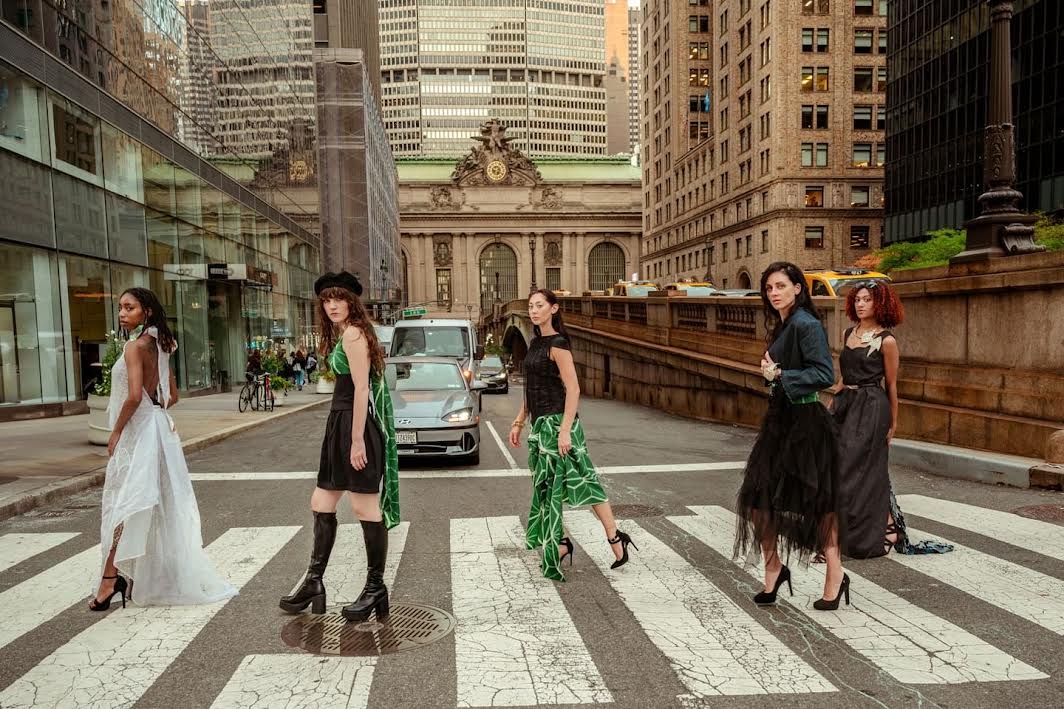
A profound and formative influence on Kelli Donovan’s career was her grandmother, Annie Muir, a Scottish tailor from Glasgow. Though Annie passed away when Donovan was only 11, her grandmother’s teachings and artisanal spirit left an indelible mark. Annie Muir embodied an older paradigm of craftsmanship, where every stitch was imbued with meaning and purpose. Her philosophy was clear: "There is no point wasting her time and skills on a piece of cheap cloth and making something beautiful." This guiding principle meant Annie would only work with the finest textiles, creating tailored pieces designed to last a lifetime.
This emphasis on quality over quantity, on purpose-driven creation, and on the inherent value of materials stands in stark contrast to the modern fast fashion industry. In the mid-20th century, bespoke tailoring and high-quality garment construction were the norm, reflecting an era where clothing was seen as an investment rather than a disposable commodity. Annie Muir’s approach predated the advent of mass-market, inexpensive clothing, and her values resonate deeply with the tenets of sustainable fashion today. Her legacy serves as a powerful reminder that true value in clothing lies in its durability, the integrity of its materials, and the skill of its creation, rather than its fleeting trendiness or low price point. Donovan often feels her Nan’s spirit guiding her, reinforcing the belief that quality and ethical practice are not just preferences but fundamental principles.
"Sleeping Beauties" and the Discourse on Oversupply
One of Kelli Donovan’s notable collections, "Sleeping Beauties," garnered attention for its evocative name, coincidentally sharing a title with a significant 2024 Met Museum costume exhibit. However, Donovan clarifies that her inspiration was purely environmental, designed to make a potent statement about clothing production and the staggering issue of oversupply. Her "Sleeping Beauties" Collection speaks "quietly – but strongly – about this situation."
The global fashion industry is a major contributor to environmental degradation, with overproduction being a critical factor. Annually, an estimated 92 million tons of textile waste are generated globally, much of which ends up in landfills or is incinerated. This colossal volume is fueled by the fast fashion model, which encourages consumers to buy more frequently and discard rapidly. Brands often produce far more garments than they sell, leading to vast quantities of unsold inventory that are frequently destroyed, contributing to pollution and resource depletion.
Donovan’s "Sleeping Beauties" collection serves as a poignant commentary on this silent crisis. The garments in the collection, while beautiful, carry an implicit message about the untold number of "sleeping" garments – those unworn, unsold, or discarded – that lie dormant in warehouses or landfills, awaiting their inevitable environmental impact. This collection encourages viewers and consumers to reflect on the lifecycle of their clothing, fostering a deeper understanding of the ecological footprint associated with each purchase. By drawing attention to the sheer volume of textile waste, Donovan advocates for a more conscious consumption model, where clothing is valued for its longevity and ethical provenance, rather than its transient trendiness. This theme resonates with global movements pushing for circular fashion, where products are designed for durability, repair, reuse, and recycling, minimizing waste and maximizing resource efficiency.
Navigating the Sustainable Fashion Landscape: Advice for Emerging Designers
With three decades of experience in an industry undergoing seismic shifts, Kelli Donovan offers invaluable advice to young designers aspiring to enter the sustainable fashion arena. Her primary counsel is to embrace creativity and inventiveness in their formative years. She emphasizes that extensive experimentation with design, textiles, and waste management during this period will ultimately strengthen their unique design aesthetic. Rather than chasing fleeting trends, Donovan encourages young designers to identify and cultivate their "unique superpower" – their distinctive vision and contribution to the industry.
The sustainable fashion landscape, while growing, presents both significant challenges and immense opportunities. Emerging designers must contend with the complexities of sourcing eco-friendly materials, establishing ethical supply chains, and educating consumers. However, they also have the advantage of entering a market increasingly receptive to conscious consumption. The global sustainable fashion market was valued at approximately $8.27 billion in 2023 and is projected to grow significantly, indicating a strong consumer demand for ethical products.
Donovan’s advice highlights the importance of innovation in material science, design for longevity, and waste reduction. Young designers are at the forefront of exploring new biodegradable fabrics, upcycling techniques, and designing garments with modularity for repair and adaptation. Furthermore, understanding the full lifecycle assessment of a garment – from raw material extraction to end-of-life disposal – is crucial. This holistic perspective enables designers to make informed choices that minimize environmental harm at every stage. Her encouragement to "find their unique superpower" underscores the idea that authenticity and a strong personal ethos are vital for standing out in a crowded market and for driving genuine change within the industry.
The Manta Ray Collection: A Call for Ocean Conservation
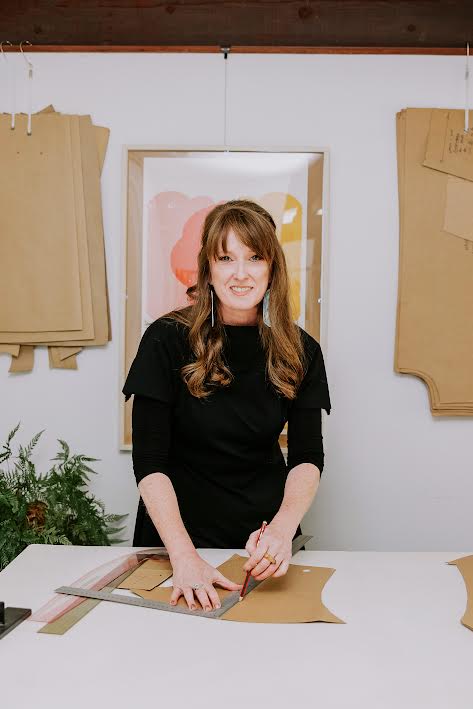
Many of Kelli Donovan’s collections are inspired by specific sustainable movements, with ocean conservation being a particularly passionate cause for her. Her Manta Ray Collection is a powerful testament to this commitment, directly linking her design narrative to the plight of marine ecosystems and the majestic creatures that inhabit them. The collection draws inspiration from two key sources: the dedicated individuals and organizations working tirelessly to save our oceans and reduce textile and plastic waste, and the Giant Manta Ray itself.
The Giant Manta Ray, found in Australian oceans and worldwide, symbolizes grace, resilience, and ecological harmony. Donovan describes it as a creature that "does not harm its environment or people," purely eating plankton and gliding gently through the oceans. This image of serene coexistence stands in stark contrast to the destructive impact of human activity, particularly the fashion industry, on marine environments.
Ultra-fast fashion, characterized by rapid production cycles, low prices, and disposable garments, has created a monumental issue of ocean pollution. The mass production of clothing, especially those made from synthetic fabrics like polyester and nylon, leads to significant textile waste. A substantial portion of this waste, along with microfibers shed during washing, ends up in waterways and eventually in the oceans. Microplastics, tiny plastic particles often originating from synthetic clothing, are now ubiquitous in marine environments, ingested by marine life, and entering the food chain, posing risks to ecosystems and human health. Studies estimate that up to 35% of primary microplastics in the ocean come from textiles.
The Manta Ray Collection serves as an educational tool, designed to raise awareness about this larger issue. By connecting the beauty and vulnerability of the manta ray to the pervasive problem of ocean pollution, Donovan aims to educate consumers about the impacts of their clothing purchases. She underscores the message that collective small differences in consumer choices – opting for natural fibers, buying less, choosing durable garments – can collectively lead to significant positive change. This collection is a visual plea for mindful consumption and a reminder of the interconnectedness of human actions and ecological well-being.
The Broader Impact: Shifting Consumer Mindsets and Industry Standards
Kelli Donovan’s work transcends mere fashion design; it serves as a blueprint for responsible business practices and a catalyst for change within the broader industry. Her career highlights the destructive potential of thoughtless consumption and production, urging both consumers and aspiring designers to reconsider their roles.
For consumers, Donovan’s approach encourages a paradigm shift from quantity to quality, from trend-driven purchases to investment pieces. It champions the idea of a conscious wardrobe, where each item is chosen for its ethical provenance, environmental footprint, and longevity. This shift is crucial in a global market where consumer demand dictates production practices. By actively seeking out brands committed to sustainability, consumers can exert pressure on the industry to adopt more responsible methods. Educational initiatives, like those embedded in Donovan’s collections, play a vital role in empowering consumers with the knowledge to make informed decisions.
For young designers and emerging labels, Donovan’s work provides a pioneering example. Her brand demonstrates that it is possible to achieve both aesthetic excellence and ethical integrity. Her call to embrace zero-waste design, utilize sustainable materials, and prioritize longevity in design offers concrete pathways for innovation. Zero-waste design involves maximizing fabric utilization to minimize offcuts, often through creative pattern-making. Sustainable materials, as discussed, encompass a range of eco-friendly options. Designing for longevity means creating durable, repairable, and timeless garments that resist obsolescence. These practices are not just environmentally sound; they are increasingly becoming market differentiators, appealing to a growing demographic of ethically conscious consumers.
The implications of designers like Kelli Donovan extending beyond individual brands. They contribute to a larger movement pushing for systemic change in the fashion industry. This includes advocating for greater transparency in supply chains, stricter environmental regulations, and the development of circular economy models. Industry bodies and governmental organizations are increasingly recognizing the need for these changes, with initiatives like the EU Strategy for Sustainable and Circular Textiles aiming to make textile products more durable, repairable, and recyclable. Certifications such as GOTS (Global Organic Textile Standard) and Fair Trade are becoming more recognized, offering consumers verifiable assurance of sustainable and ethical practices.
Kelli Donovan stands as a vanguard in the sustainable fashion revolution. Her blend of Australian natural inspiration, adherence to ancestral craftsmanship, and unwavering commitment to environmental advocacy provides a powerful narrative for the future of fashion. As the industry grapples with its significant environmental and social impacts, pioneers like Donovan illuminate a path forward – one where creativity, ethics, and ecological responsibility are not mutually exclusive but are, in fact, inextricably linked. Her journey is a compelling testament to the power of individual vision in driving collective transformation, proving that fashion can indeed be a force for good.