Kelli Donovan: Pioneering a Sustainable Revolution in the Modern Fashion Industry

The global fashion industry is currently responsible for approximately 8% to 10% of total global carbon emissions, a figure that exceeds the combined annual impact of all international flights and maritime shipping. Within this context of environmental crisis, designer Kelli Donovan has emerged as a significant voice advocating for a fundamental shift in how garments are conceived, produced, and consumed. Raised amidst the pristine landscapes of Canberra, Australia, Donovan’s professional journey spans three decades—a period that has seen the rise of "ultra-fast fashion" and the subsequent degradation of global ecosystems. Today, her work serves as a critical case study in how heritage craftsmanship can be reconciled with modern environmental imperatives.
The Foundations of a Design Philosophy
Kelli Donovan’s aesthetic sensibility is inextricably linked to her upbringing in the Australian "bush capital." Canberra, defined by its proximity to rugged mountains and extensive natural reserves, instilled in the designer a profound respect for biodiversity. Unlike many contemporary designers who look to urban centers for inspiration, Donovan’s early formative experiences were rooted in bushwalking and camping. This connection to the natural world evolved into a professional mission after she witnessed the systemic disregard for environmental health within the commercial garment sector.
The transition from a traditional designer to an advocate for circular fashion was not instantaneous. It was the result of a long-term observation of the industry’s trajectory. By the early 2000s, the acceleration of the fast-fashion model—characterized by low-cost, disposable garments manufactured in rapid cycles—began to place unprecedented pressure on natural resources. Donovan’s response was to reject the paradigm of planned obsolescence in favor of a model that prioritizes material longevity, ethical labor practices, and timeless design.
The Influence of Heritage and Craft
A defining element of Donovan’s approach is the legacy of her grandmother, Annie Muir, a Scottish tailor from Glasgow. This lineage provides a historical anchor for her work. In an era dominated by synthetic fibers and automated production, Muir’s philosophy—that craftsmanship is defined by the quality of the textile and the intention behind every stitch—serves as the bedrock of Donovan’s current operations.
Historical analysis of the textile industry shows that the mid-20th century shift toward mass-market manufacturing led to the loss of traditional tailoring skills. By integrating these "lost" techniques, Donovan is not merely designing clothing; she is preserving a methodology that inherently resists the "wear-it-once" culture of the present day. Her insistence on using only premium, sustainable textiles is a direct critique of the industry’s reliance on cheap, chemically intensive fabrics like virgin polyester, which are a primary contributor to microplastic pollution in global waterways.
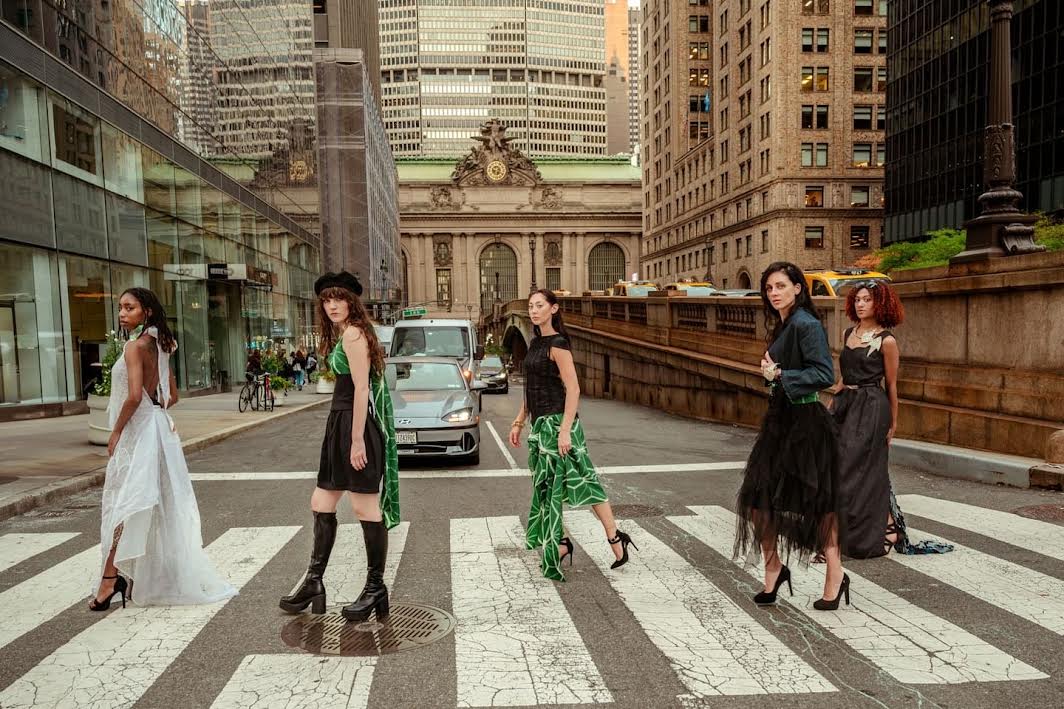
The Manta Ray Collection and Environmental Advocacy
Perhaps the most explicit example of Donovan’s intersectional approach to design is her "Manta Ray" collection. This project was conceived as a narrative-driven response to the crisis of ocean pollution. The Giant Manta Ray, a creature that feeds on plankton and plays a vital role in marine ecosystem health, serves as a poignant metaphor for the designer’s philosophy: grace, environmental harmony, and a low-impact existence.
The collection serves as a medium for public education. Through the use of sustainable fabrics and zero-waste cutting techniques, Donovan highlights the catastrophic link between textile overproduction and marine degradation. Research from the International Union for Conservation of Nature (IUCN) suggests that synthetic textiles are a major source of primary microplastics in the oceans, with washing machines releasing thousands of fibers per cycle. By creating a collection that explicitly references these issues, Donovan aligns her brand with the broader conservation movement, challenging consumers to view their clothing purchases through the lens of ecological consequence.
The Sleeping Beauties Concept and Industry Oversupply
In 2024, the Metropolitan Museum of Art’s Costume Institute launched the "Sleeping Beauties: Reawakening Fashion" exhibition, a show dedicated to fragile garments that are no longer able to be worn. While Donovan’s own "Sleeping Beauties" collection shares a name with the exhibit, her interpretation is rooted in the economics of oversupply.
The global fashion industry currently produces approximately 100 billion garments annually, a significant portion of which remains unsold or is discarded shortly after purchase. Donovan’s collection acts as a silent protest against this inventory surplus. By creating pieces that are designed to be "timeless" rather than trend-driven, she addresses the issue of the "hidden cost" of fashion. Her designs are intended to remain relevant for decades, effectively decoupling style from the artificial urgency created by seasonal fashion cycles.
Strategic Advice for the Next Generation of Designers
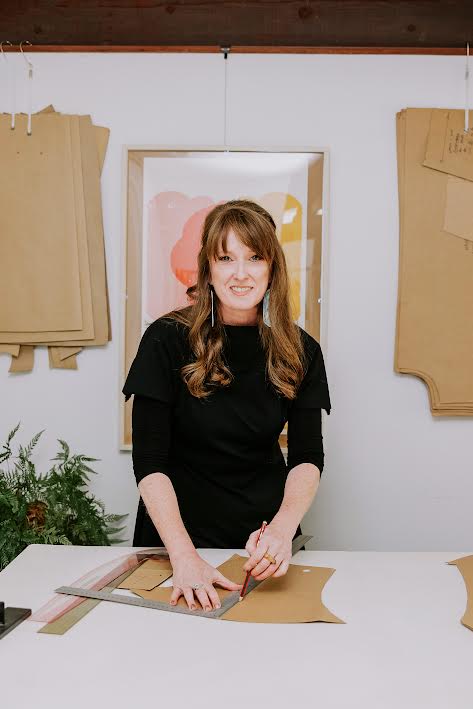
With 30 years of industry experience, Donovan occupies a position of authority regarding the future of fashion. Her advice to emerging designers is markedly different from the traditional emphasis on marketing and rapid scaling. She advocates for a "deep dive" into material experimentation and design innovation.
Key pillars of her recommendation for the next generation include:
- Material Literacy: Designers must understand the full lifecycle of a textile, from the raw material extraction to the potential for post-consumer recycling.
- Rejection of Trend-Dependency: True design longevity requires a focus on individual "superpowers"—unique creative signatures that allow a brand to transcend the volatility of current fashion trends.
- Zero-Waste Integration: Adopting pattern-making techniques that minimize fabric off-cuts is no longer an optional luxury but a necessity for sustainable manufacturing.
Broader Implications and Future Outlook
The trajectory of Kelli Donovan’s work reflects a larger, necessary shift in the global fashion narrative. As regulatory bodies in the European Union and North America begin to implement stricter guidelines regarding textile waste and supply chain transparency—such as the EU Strategy for Sustainable and Circular Textiles—the practices that Donovan has championed for years are moving from the periphery to the center of the industry.
The implications for consumers are equally significant. Her work forces an examination of the "cost-per-wear" metric. When a garment is designed with quality materials and ethical intent, its environmental impact is distributed over a much longer lifecycle. This shift in consumer behavior is essential to curbing the 92 million tons of textile waste that reach landfills annually.
As the industry faces increasing pressure to decarbonize, the "Donovan model" offers a viable path forward. It is a path that favors the slow, the deliberate, and the respectful. By merging the precision of Scottish tailoring with an Australian sensibility for the natural environment, she provides a blueprint for how a creative business can function as a force for positive environmental change.
In conclusion, the work of Kelli Donovan is a testament to the idea that design is not just an aesthetic endeavor, but a political and ecological one. Through her commitment to education, conservation-led collections, and a reverence for the history of the craft, she is defining what it means to be a modern designer in an age of climate uncertainty. For young designers and conscious consumers alike, her career serves as a roadmap, demonstrating that the future of fashion lies not in the speed of its production, but in the enduring quality of its impact.