The Ultimate 2026 Wedding Guest Dress Guide: Navigating Seasons, Trends, and Dress Codes with Confidence

Navigating the landscape of wedding guest attire has evolved into a sophisticated exercise in balancing personal style, seasonal climate, and strict adherence to couple-specified dress codes. Whether facing a sun-drenched coastal ceremony in July or a black-tie ballroom reception in the dead of winter, guests today are expected to master a complex matrix of fabric selection, silhouette appropriateness, and rewearability. Industry analysts note a growing shift toward conscious consumerism in fashion, prompting attendees to seek versatile gowns that transcend a single afternoon event. With the 2026 wedding season introducing distinct trends—ranging from rich jewel-toned velvets to breezy, sustainable linen blends—understanding the nuances of wedding fashion has never been more critical for the modern attendee.
Decoding Dress Codes: From Black-Tie to Casual
The foundational rule of wedding attendance is respecting the dress code outlined on the invitation. Misinterpreting these parameters can lead to social discomfort or perceived disrespect toward the hosts. According to event planning experts, understanding the precise graduation of formality ensures seamless integration into the wedding’s aesthetic.
Black-Tie and Formal Attire
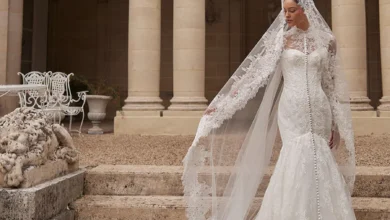
Black-tie remains the pinnacle of wedding formality. Industry standards dictate floor-length evening gowns crafted from luxurious materials such as silk, satin, or structured velvet. In 2026, trends lean heavily toward dramatic silhouettes featuring off-the-shoulder cuts, subtle architectural embellishments, and classic color palettes dominated by deep blacks, midnight blues, and emerald greens.
Formal attire, while slightly less restrictive than black-tie, still demands an elevated standard of elegance. While floor-length gowns are entirely appropriate, sophisticated midi-length dresses, tailored jumpsuits, and elegant pantsuits also find a welcome place. Experts recommend steering clear of overly casual fabrics, opting instead for crepe, chiffon, or high-end satin paired with polished footwear like stilettos or refined block heels.
Cocktail and Semi-Formal Attire
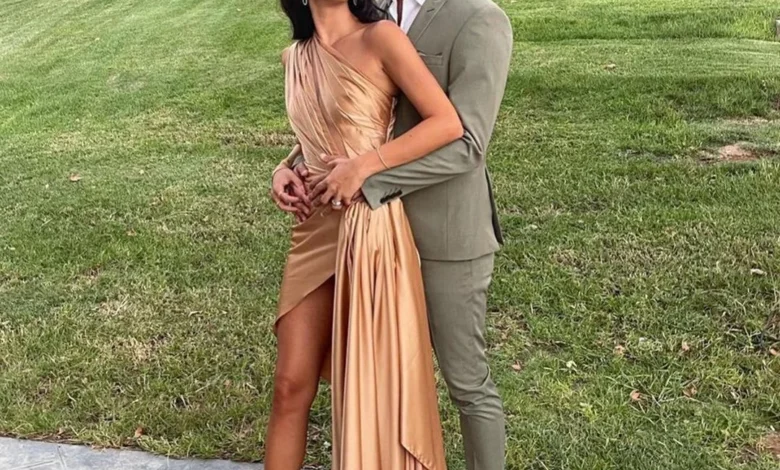
Striking the delicate balance between festive and polished, cocktail attire calls for knee-length, tea-length, or midi dresses. Popularized by fabrics such as silk crepe and structured jacquard, cocktail wear allows for bolder color expressions and playful patterns without crossing into casual territory.
Semi-formal attire offers a slightly more relaxed interpretation, often suited for garden ceremonies or intimate afternoon celebrations. Here, soft chiffon and airy cotton blends take center stage. The 2026 forecast highlights A-line cuts, wrap dresses, and subtle ruffles as go-to choices for achieving an effortless yet respectful aesthetic.
Casual and Outdoor Dress Codes
For casual or backyard weddings, comfort takes precedence without sacrificing style. Lightweight materials like linen and cotton-blend sundresses dominate this category. However, industry stylists caution against overly relaxed garments, reminding guests that avoiding excessively short hemlines or overly loud, distracting prints remains essential for maintaining an air of occasion-appropriate elegance.
Seasonal Considerations and Weather Adaptability
Choosing a dress without factoring in the calendar month often leads to severe wardrobe miscalculations. A comprehensive approach requires matching fabric weight and color theory to the ambient temperature.
Spring Weddings
Spring celebrations invite a palette of pastel shades, soft florals, and breathable fabrics like chiffon and lightweight crepe. As the season bridges the gap between lingering winter chills and early summer warmth, styling with a light shawl, bolero, or tailored blazer provides necessary versatility. Trend forecasting for 2026 highlights romantic puff sleeves, delicate lace detailing, and flowing A-line silhouettes.
Summer Weddings
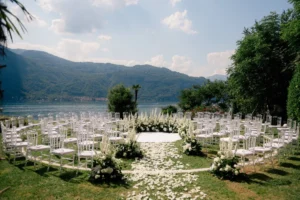
High temperatures demand breathable, loose-fitting garments that prevent heat entrapment. Beach, park, and garden venues call for vibrant colors, tropical prints, and silhouettes such as halter necks or off-the-shoulder maxi dresses. Footwear transitions to strappy sandals or sophisticated flats, ensuring comfort during outdoor receptions on grass or sand.
Fall Weddings
As temperatures drop, the color palette shifts dramatically toward richer hues. Burgundy, plum, emerald, and cobalt blue become dominant, while heavier textures like velvet, jacquard, and satin provide both aesthetic depth and physical warmth. September serves as a transition month where lighter fabrics can still be utilized with proper layering, whereas October and November necessitate full sleeves, heavier layering, and closed-toe footwear or boots.
Winter Weddings
Winter guest attire focuses heavily on thermal comfort paired with high-end style. Long-sleeve gowns, high necklines, and jewel tones dominate the winter circuit. To combat freezing temperatures without compromising formal aesthetics, fashion experts recommend incorporating faux fur wraps, statement tailored coats, and sophisticated layering techniques.
Body Inclusivity and Specialized Sizing
The modern fashion market has made significant strides in accommodating diverse body types, particularly within the plus-size wedding guest sector. Industry data emphasizes that contemporary plus-size design moves away from concealing cuts toward structured, flowing silhouettes that celebrate natural curves. Empire-waist designs, wrap dresses, and strategically tailored A-line gowns crafted from soft, draping materials like satin and chiffon ensure both confidence and comfort throughout long celebration days. Similarly, the availability of petite and tall specialized sizing guarantees that proportions align correctly with hemlines and waist placement, eliminating the need for extensive tailoring.
The Economics of Event Dressing: Rewearability and Investment
With the average cost of attending a wedding steadily climbing, consumers increasingly prioritize rewearability. Market analysts report a significant consumer preference for multi-use garments—pieces that can transition from a formal wedding to a corporate gala or upscale dinner party simply through the alteration of accessories and footwear. Investing in a timeless midi dress or a versatile tailored jumpsuit made from durable, high-quality fabric offers long-term economic value compared to fast-fashion purchases designed for a single wear.
Styling and Accessorizing for Maximum Impact
The completion of any wedding guest ensemble relies heavily on thoughtful accessorizing. Stylists recommend a balanced approach: if the dress features heavy embellishments, prints, or vibrant hues, keep jewelry and accessories minimal and understated. Conversely, a minimalist monochrome gown serves as a blank canvas for statement jewelry, bold clutches, and architectural heels. Hair styling—ranging from sleek modern buns to soft, natural waves—should complement the neckline of the chosen dress, reinforcing the cohesive vision of the overall look.
Ultimately, navigating the world of wedding guest attire in 2026 requires a harmonious blend of etiquette awareness, seasonal practicality, and personal expression. By carefully evaluating the venue, respecting the specified dress code, and selecting versatile, high-quality garments, attendees can ensure they honor the couple’s special day while stepping out in style and absolute comfort.