Sigma 20-60mm f/2.8-4 DG Contemporary Review: A Lightweight Ultra-Wide Zoom for Sony and L-Mount

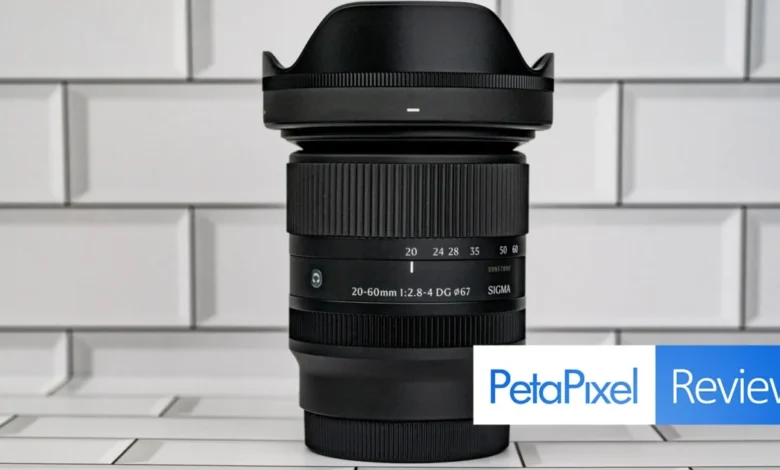
The modern photography and videography landscape has increasingly gravitated toward gear that prioritizes mobility and adaptability over strictly clinical, uncompromising optical performance. Creators frequently find that carrying a compact, highly versatile lens capable of capturing an ultra-wide field of view eliminates the need to pack secondary glass, thereby streamlining workflows in the field. Addressing this rising demand for lightweight, multi-purpose travel gear, Sigma has officially introduced the Sigma 20-60mm f/2.8-4 DG Contemporary lens. Priced competitively at $849, this new optic aims to carve out a dominant space within the Sony E-mount and Leica/Panasonic/Sigma L-mount ecosystems, challenging established alternatives with a brighter aperture profile at the wide end.

Product Architecture and Physical Handling
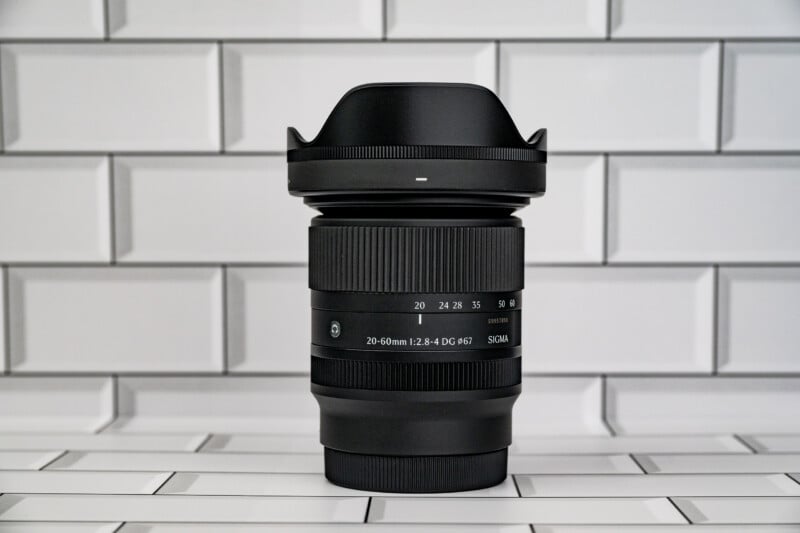
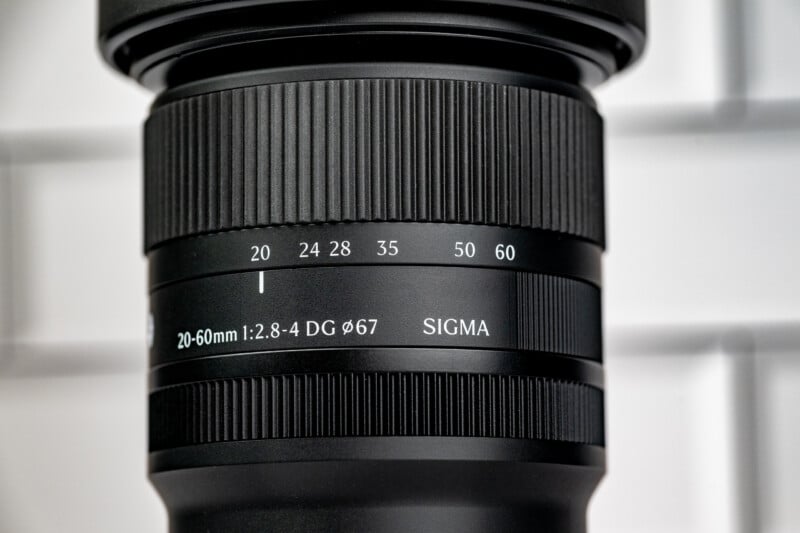
Weighing in at a remarkably featherlight 13.2 ounces (375 grams) and utilizing a manageable 67mm front filter thread, the Sigma 20-60mm f/2.8-4 DG Contemporary is engineered for minimal physical fatigue. Its physical footprint is slightly lighter than competing ultra-wide zooms on the market, making it an ideal companion for long shooting days, travel excursions, and dynamic stabilization setups.
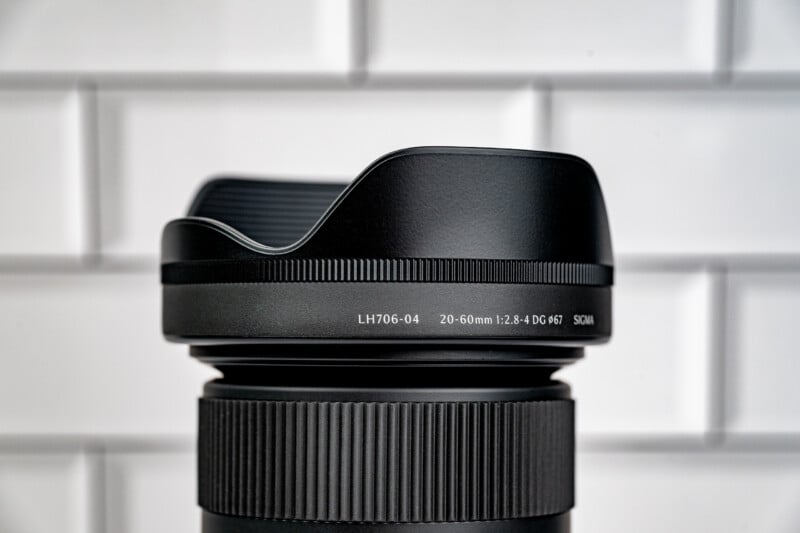
While the lens chassis omits built-in optical stabilization—a common omission shared by its closest market rivals—it incorporates robust weather sealing and dust resistance characteristic of Sigma’s Contemporary product line. Out of the box, the package includes a standard, no-frills lens hood designed to mitigate stray light.

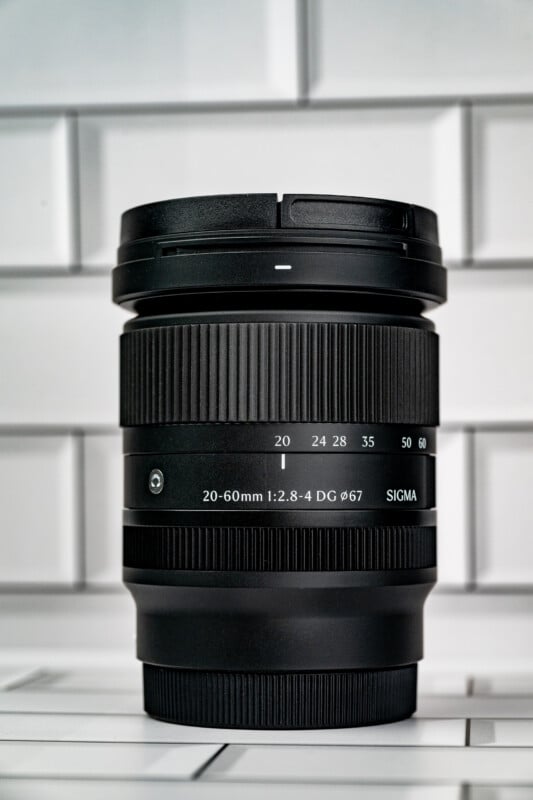
To maintain its slender profile and weight restrictions, the lens controls have been intentionally streamlined. Photographers will find a tactile zoom ring and a manual focus ring, though the physical body lacks a dedicated autofocus/manual focus (AF/MF) toggle switch. The manual focus ring offers a slightly loose tactile sensation during rotation, but remains fully functional. Internally, Sigma has integrated a high-speed linear stepping motor, ensuring that autofocus acquisition remains rapid and reliable across various shooting scenarios.
Optical Performance and Field Testing
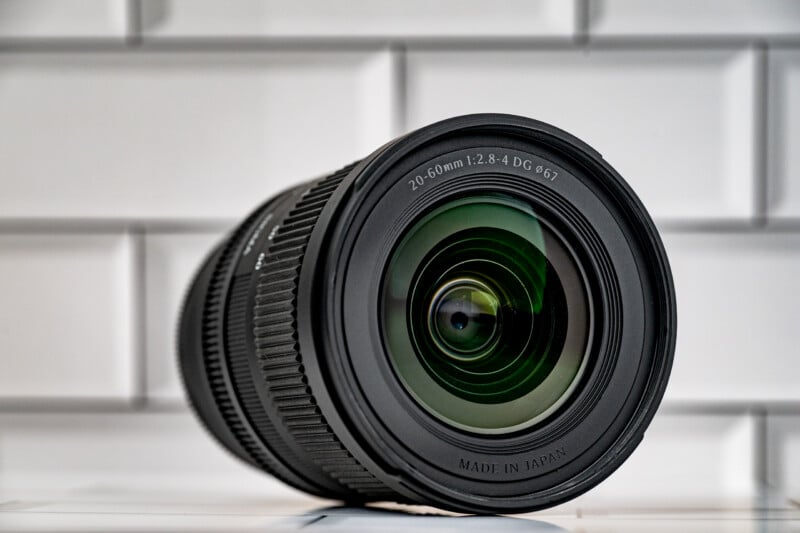
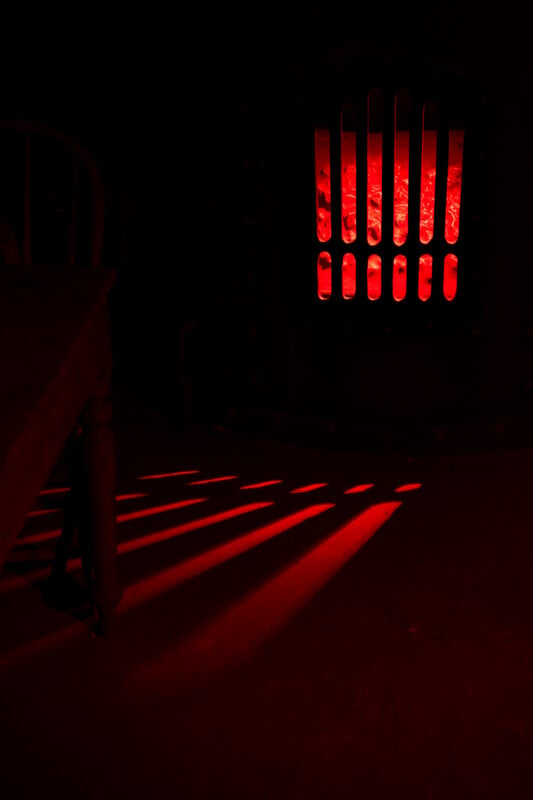
Assessing the optical capabilities of the Sigma 20-60mm f/2.8-4 DG Contemporary reveals a mixed yet generally favorable performance profile. At the 20mm focal length and wide-open aperture of f/2.8—where ultra-wide lenses traditionally encounter the most severe optical aberrations—Sigma’s proprietary lens coatings demonstrate exceptional efficacy. Flare suppression is remarkably robust, with only minor purple ghosting visible across the frame diagonal when stopping down the aperture. However, sunstars produced by the lens are thoroughly average, lacking the distinct aesthetic geometry that landscape photographers often seek.
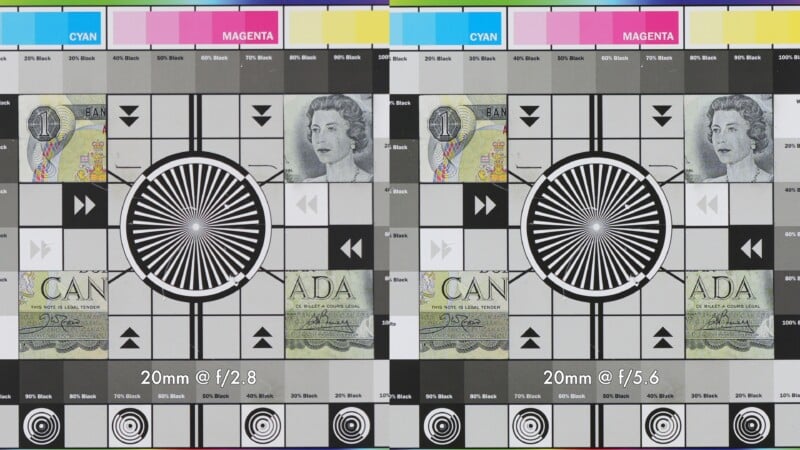
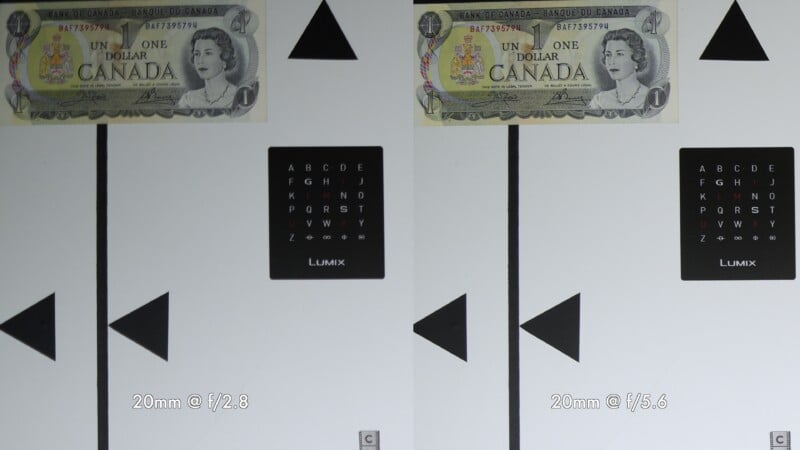
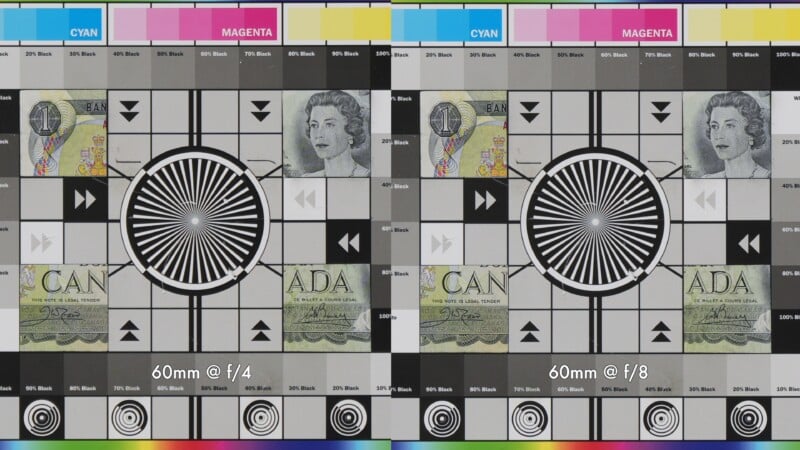
Sharpness metrics present a strong case for the optic. At 20mm wide-open, center contrast and detail reproduction are satisfying, with contrast visibly improving as the aperture is stopped down. While extreme corners exhibit some initial softness at f/2.8, this characteristic rapidly improves with minor aperture adjustments. At the opposite end of the zoom range, the 60mm focal length delivers impressive, highly consistent central and corner detail when shot at f/4, establishing this zoom as a reliably sharp instrument throughout its range.

Chromatic aberration is remarkably well-controlled, with only minor longitudinal chromatic aberration (LoCA) presenting itself exclusively at the 20mm setting when wide open at f/2.8. Bokeh characteristics, however, tend toward a more utilitarian look. Background blur can appear slightly harsh, and specular highlights exhibit visible onion-ring patterns, placing the overall bokeh quality in a solidly average tier.

Macro Capabilities and Close-Up Utility

A critical dimension of any versatile zoom lens is its ability to transition from wide environmental scenes to tight, detailed close-ups. The Sigma 20-60mm f/2.8-4 DG Contemporary achieves its highest macro performance near the 35mm focal length, delivering an impressive maximum reproduction ratio of 1:2.3. This functional capability allows photographers to capture intricate details, such as flora and macro subjects, adding substantial practical utility to an already flexible optical package.

Video Production and Gimbal Integration

Videographers and content creators represent a primary target demographic for this lens, particularly those utilizing motorized gimbals or vlogging setups. The variable maximum aperture of f/2.8 at the ultra-wide 20mm position provides a distinct advantage for low-light stabilization work. Furthermore, zooming through the focal range does not cause significant shifts in the physical center of balance, allowing gimbal operators to maintain equilibrium without constant recalibration.

The primary drawback for video use is noticeable focus breathing, wherein the effective field of view shifts noticeably during focus pulls. Despite this optical quirk, budding cinematographers and solo operators will likely find the weight savings, aperture advantages, and focal range combination to be exceptionally useful for run-and-gun video production.
Comparative Market Analysis: Sony and Panasonic Ecosystems

The introduction of the Sigma 20-60mm f/2.8-4 DG Contemporary directly disrupts the existing hierarchy of ultra-wide zoom lenses available for full-frame mirrorless camera users.

For Sony E-mount shooters, the primary point of comparison is the Sony FE 20-70mm f/4 G lens. While the Sony option provides a slightly extended reach up to 70mm and a constant f/4 aperture, it commands a significantly higher retail price point of approximately $1,200, compared to Sigma’s aggressive $849 MSRP. The Sigma lens trades ten millimeters of telephoto reach for a faster f/2.8 maximum aperture at the crucial ultra-wide end, offering a compelling value proposition for users who prioritize low-light light-gathering capability and budget efficiency.

Panasonic L-mount users face a similarly interesting market dynamic. Panasonic’s own Lumix S 20-60mm f/3.5-5.6 has long reigned as a popular, budget-friendly kit lens. However, the Sigma alternative outperforms Panasonic’s offering across almost every technical metric, most notably providing a significantly brighter maximum aperture throughout the zoom range. While the Panasonic optic remains more affordable—particularly when purchased as part of a camera body bundle—the Sigma lens justifies its higher cost through enhanced optical brightness, sturdier construction, and professional-grade maximum apertures.

Market Implications and Industry Context

The release of the Sigma 20-60mm f/2.8-4 DG Contemporary reflects a broader strategic shift within the third-party optics industry. As camera sensors continue to grow in resolution and computational photography software becomes more adept at correcting geometric distortion and vignetting in post-processing, lens manufacturers are increasingly focusing on physical ergonomics, weight reduction, and hybrid photo-video capability.
By targeting the 20mm ultra-wide starting point—a focal length increasingly favored by landscape, travel, architectural, and vlogging creators—Sigma has identified a distinct gap in the market between bulky, expensive f/2.8 professional zooms and sluggish variable-aperture kit lenses. The pricing strategy at $849 positions the lens comfortably below tier-one brand flagships while offering performance specs that satisfy the demands of semi-professional and professional creators alike.
Final Verdict and Recommendations
The Sigma 20-60mm f/2.8-4 DG Contemporary successfully achieves its design objective: providing an accessible, highly portable, and optically competent ultra-wide zoom lens that reduces the burden of carrying multiple lenses in the field.

For photographers and videographers utilizing Sony E-mount or L-mount systems, the lens represents an outstanding balance of light-gathering power, sharpness, and physical agility. While minor compromises exist—such as ordinary sunstars, average bokeh quality, and visible focus breathing for videographers—the overall package offers immense value. For creators seeking to expand their ultra-wide capabilities without inflating their camera bag’s weight or emptying their wallets, the Sigma 20-60mm f/2.8-4 DG Contemporary stands out as a highly recommended addition to the current optics market.