How Rodan + Fields Shed Its MLM Roots to Embrace Amazon, Ulta, and Omnichannel Retail

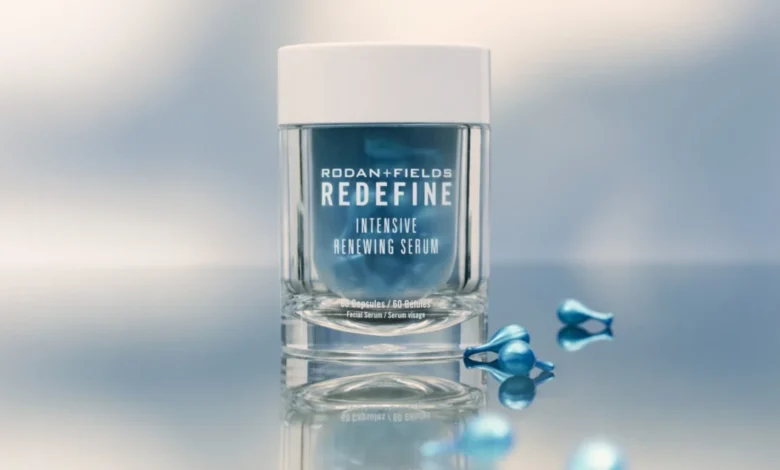
The modern beauty landscape is undergoing a profound structural evolution, driven by shifting consumer habits, digital ubiquity, and the absolute necessity of an omnichannel footprint. For legacy brands that built their empires on non-traditional distribution models, adapting to this new reality is no longer optional—it is a matter of survival. This week, skin-care brand Rodan + Fields made headlines by formally stepping onto Amazon’s Premium Beauty Store, a move that marks another decisive phase in the company’s ongoing transition away from its multi-level marketing (MLM) origins. Under the leadership of CEO Dimitri Haloulos, the dermatologist-founded brand is systematically dismantling its old operational playbook in favor of a modern, multi-pronged retail strategy that blends direct affiliate networks with mainstream prestige retail and e-commerce giants.
The launch on Amazon, executed in August, represents just one pillar of a broader distribution overhaul. Simultaneously, Rodan + Fields is scaling up its physical retail footprint through an expanded partnership with Ulta Beauty. Having initially entered 150 Ulta stores, the brand is aggressively scaling that presence to 400 locations. These retail integrations do not operate in a vacuum; they function alongside a thriving network of 70,000 affiliate sellers, a robust direct-to-consumer digital infrastructure, and a targeted presence on emerging social commerce platforms like TikTok Shop.
According to Haloulos, the brand’s monumental pivot was born out of an undeniable market truth. The ways in which modern consumers discover, evaluate, and purchase beauty products have fundamentally changed. By embracing what leadership calls an "affiliate-fueled modern omnichannel business," Rodan + Fields is attempting to bridge the gap between personal selling and mass digital accessibility. The strategic imperative behind the transformation is clear: to lift brand awareness and unlock pockets of consumer demand that were previously unreachable under a closed direct-sales ecosystem.
A Chronology of Transformation: From Direct Sales to Prestige Omnichannel
The journey of Rodan + Fields from a physician-founded, direct-selling powerhouse to a mainstream retail contender is a defining case study in corporate restructuring. Founded by dermatologists Dr. Katie Rodan and Dr. Kathy Fields—the same minds behind Proactiv—the brand initially scaled rapidly through a consultant-led, multi-level marketing model. For years, independent consultants served as the primary engine for sales, marketing, and customer acquisition, leveraging personal networks to build loyal consumer communities.
However, the retail environment of the late 2010s and early 2020s proved increasingly hostile to traditional direct-sales models, which faced mounting pressures from digitally native brands, social media marketing, and changing consumer preferences regarding transparency and convenience. Recognizing the need for a radical shift, Rodan + Fields initiated a multi-year restructuring blueprint.
In 2024, the company announced a significant internal reorganization, which included shedding approximately 100 corporate roles to streamline operations and pivot away from its legacy direct-selling framework. To steer this complex transition, the brand enlisted industry talent, hiring L’Oréal veteran Anncy Rowe as its chief commercial officer. Reflecting on the monumental undertaking, Haloulos noted that two years prior, the company lacked the dedicated marketing infrastructure necessary to compete in the broader prestige market. By completely rebuilding its corporate foundation and commercial strategy, Rodan + Fields successfully altered its trajectory, culminating in its current push toward widespread retail accessibility.
Hard Data and the Economics of Omnichannel Expansion
The decision by Rodan + Fields to diversify its sales channels aligns neatly with broader macroeconomic trends within the beauty and personal care sectors. Prestige retail and e-commerce platforms are currently experiencing robust, sustained growth, offering lucrative avenues for brands willing to meet consumers where they shop.
Consider the performance metrics of the brand’s new retail partners. According to its most recent earnings report, Ulta Beauty posted an 8.9% increase in net sales during the second quarter of the fiscal year, reaching $3 billion. This steady brick-and-mortar and digital momentum underscores why prestige brands are eager to secure shelf space within the retailer’s footprint.
Simultaneously, e-commerce dominance continues to accelerate. Data compiled by e-market analytics firm Front Row reveals that Amazon’s beauty sales surged by 27% during the same quarter, hitting a staggering $9.8 billion. Skin-care products performed particularly well within the Amazon ecosystem, registering a 33% year-over-year increase. For Rodan + Fields, capturing a share of this massive digital traffic is essential for maintaining competitive relevance.
Rodan + Fields is far from alone in making this strategic pilgrimage. The convergence of prestige brands into mainstream physical and digital marketplaces has become table stakes for survival and growth in the modern economy. In September, fragrance house Byredo expanded its U.S. presence into Sephora stores. Similarly, Bath & Body Works—a titan boasting 1,900 brick-and-mortar stores across North America—launched on Amazon in February and expanded to Ulta Beauty in July, reporting that its Amazon sales subsequently tripled as it engineered a return to financial growth.
Navigating Channel Conflict: Protecting the Affiliate Ecosystem
One of the most delicate challenges companies face when transitioning from a closed or direct-sales model to an open omnichannel strategy is the risk of channel conflict. Specifically, executives must manage the tension between introducing products into major retail stores and preserving the livelihoods and motivations of their existing independent sales networks.
When a brand moves into Amazon or national retail chains like Ulta, critics often warn of cannibalization—the fear that consumers will simply buy products at a nearby retail counter or through digital e-commerce giants rather than from independent consultants. However, Haloulos firmly rejects this narrative, pointing to empirical data gathered from the brand’s initial rollout into 150 Ulta stores. According to internal metrics, overall affiliate sales in those designated test markets remained flat rather than declining.
Haloulos argues that expanding into recognized retail giants actually validates and enhances the credibility of the brand’s independent consultants. When a consumer sees a product featured prominently on the shelves of Ulta Beauty or verified within Amazon’s Premium Beauty Store, it builds foundational brand trust. Consultants can leverage that established retail credibility when pitching products to prospective buyers. In essence, the mainstream retail presence acts as a powerful top-of-funnel marketing engine, generating widespread awareness that ultimately benefits the consultants on the ground. Haloulos anticipates that this synergistic halo effect will replicate itself seamlessly as the brand scales its Amazon storefront.
Broader Implications for the Beauty Industry
The strategic maneuvers executed by Rodan + Fields offer a clear window into the future of beauty retail. The traditional boundaries separating direct-to-consumer (DTC) brands, multi-level marketing operations, prestige brick-and-mortar retailers, and mass e-commerce giants are dissolving. Consumers no longer distinguish between channels; they demand frictionless access to their preferred products regardless of where they happen to be shopping.
For legacy brands locked into singular distribution models, the lesson is stark. Agility, diversification, and a willingness to cannibalize outdated operational structures in favor of consumer-centric accessibility are prerequisites for long-term viability. As Rodan + Fields continues its ascent across 400 Ulta stores, deepens its integration into Amazon, and simultaneously maintains its 70,000-strong affiliate network, it stands as a prominent test case for how legacy beauty enterprises can successfully reinvent themselves for the digital age.