The launch of the IKEA Pre-owned marketplace in the United Kingdom represents a strategic shift for the world’s largest furniture retailer, signaling an intent to capture value within its existing customer base while addressing growing consumer demand for sustainable, affordable home furnishings. By enabling IKEA Family members to list, sell, and purchase used items directly, the retailer is attempting to formalize the secondary market that has long existed on platforms like Facebook Marketplace or eBay. However, as industry experts point out, this transition from a traditional linear retail model to a circular ecosystem introduces complex logistical hurdles that could define the success or failure of the initiative.
The Strategic Context of Circularity
The rise of the circular economy is no longer a niche preference but a dominant trend in global retail. According to industry analysis, the second-hand market is projected to grow significantly, driven by inflationary pressures and a heightened focus on environmental sustainability. For retailers, the challenge lies in the fact that furniture, unlike apparel or electronics, is inherently "bulky" and difficult to move.
The traditional IKEA business model relies on the flat-pack concept, which optimizes supply chain efficiency by minimizing the volume of goods during shipping. When an item is sold second-hand, however, it is often fully assembled, rendering the original logistical advantages obsolete. This creates a friction point: the cost of professional transport can often exceed the value of the furniture itself, potentially discouraging users from utilizing the official marketplace.
A Chronology of IKEA’s Digital Pivot
IKEA’s entry into resale is the culmination of a multi-year effort to digitize its operations and adapt to changing shopping habits.
- 2019-2020: IKEA began experimenting with "Buy Back & Resell" schemes in various European markets, allowing customers to return gently used furniture in exchange for store credit.
- 2021: The company intensified its focus on the "Circular IKEA" strategy, pledging to become a fully circular business by 2030.
- 2023: Pilot testing of the peer-to-peer marketplace began in specific regions, such as Oslo and Madrid, to refine the user interface and logistics integration.
- 2024: The UK market was selected as a primary testing ground for the refined platform, reflecting the high density of IKEA Family members and the established culture of second-hand furniture consumption in Britain.
The Logistics Conundrum: Beyond the Sale
Nishith Rastogi, Founder and CEO of Locus, a logistics technology firm, notes that the success of these platforms depends entirely on the underlying infrastructure. For a peer-to-peer marketplace, the transaction does not conclude when the buyer and seller agree on a price; it concludes only when the item is successfully relocated.
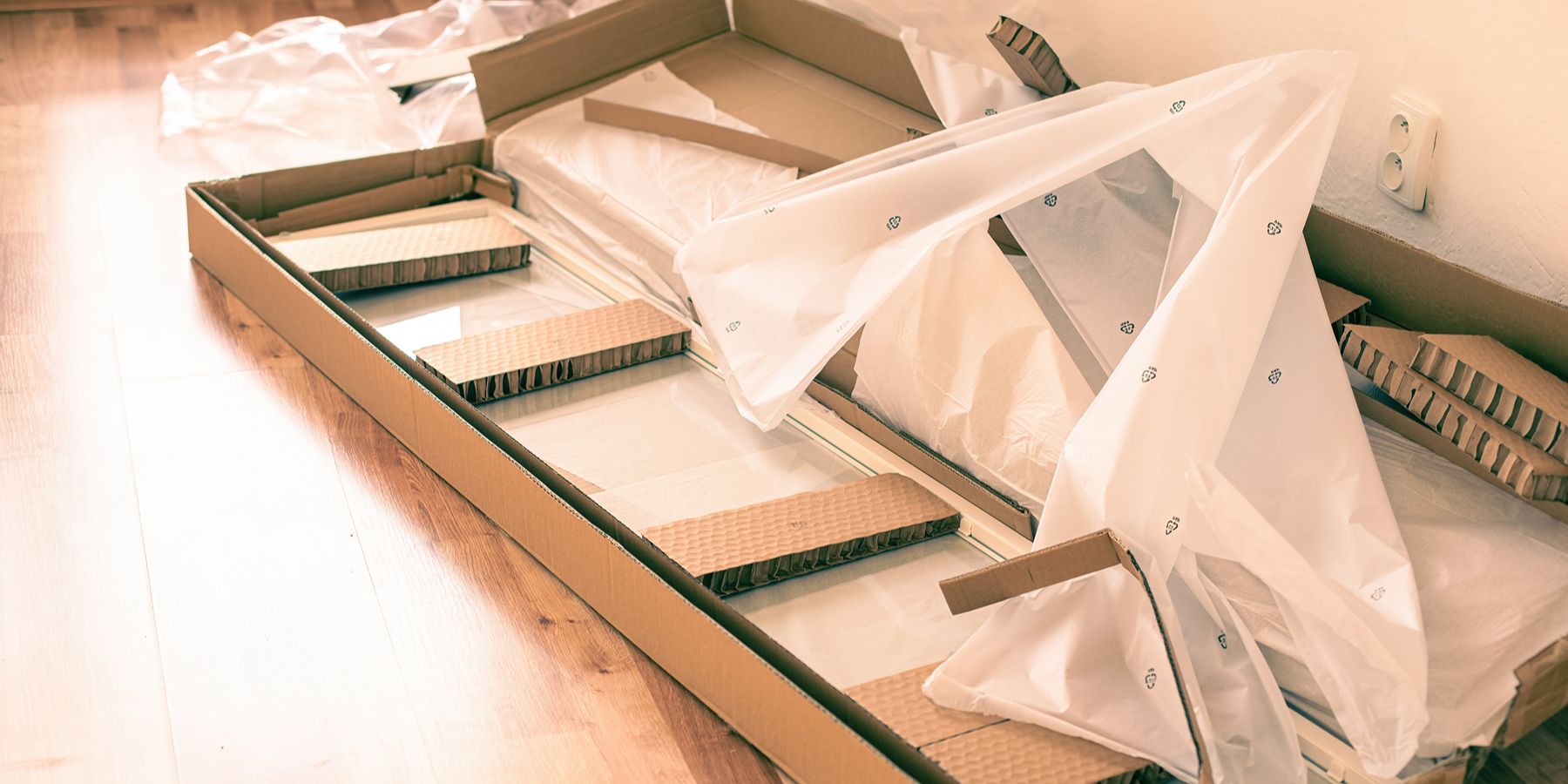
The "hidden cost of collection" is a critical factor. Unlike a standard delivery from a warehouse, a peer-to-peer collection involves an unpredictable environment. A wardrobe that was once a flat-packed, uniform box is now a heavy, potentially fragile, and uniquely sized object residing in a private home. Narrow stairwells, restricted parking, and the absence of loading docks mean that standard courier services often fail.
Data suggests that failed collections are one of the highest cost-drivers in furniture logistics. Each failed attempt incurs fuel costs, labor wages, and, crucially, customer dissatisfaction. For a retail giant, the reputational risk of a failed pick-up is significant, as it reflects poorly on the brand’s ecosystem, regardless of whether the fault lies with the seller or the carrier.
Technical Integration and AI Optimization
To mitigate these risks, industry leaders are turning to advanced route-planning software. The goal is to move away from reactive logistics—where a driver is sent to a location with limited information—to a proactive, data-driven model.
This involves integrating the marketplace’s listing engine with transport management systems (TMS). When a seller lists a piece of furniture, the system must prompt for specific logistical data: dimensions, current assembly status, and building access requirements (e.g., "no elevator," "third floor").
Artificial Intelligence plays a vital role here. By analyzing historical data on similar furniture categories, AI can accurately estimate the time required for a collection, the necessary crew size, and the optimal route to maximize vehicle density. By consolidating collections and deliveries into single journeys, retailers can significantly lower the carbon footprint per item and reduce the per-unit logistics cost.
The Economics of Peer-to-Peer Retail
For the marketplace to be economically viable at scale, the pricing of delivery must be dynamic. The current model often treats delivery as an afterthought, with flat fees that fail to account for the actual complexity of the task.
Economically, a successful resale strategy must track several key performance indicators (KPIs):
- Cost per Completed Order (CPCO): Measuring the total expense of the logistics chain against the resale value.
- Route Density: The number of pickups and drops within a single vehicle cycle.
- Failed-Collection Rate: A primary indicator of listing accuracy and scheduling precision.
- Customer Lifetime Value (CLV): Assessing whether the resale platform keeps the user within the ecosystem for future primary retail purchases.
If the costs are too high, the marketplace will fail to attract users; if the costs are too low, the retailer will bleed margin. The "sweet spot" lies in offering flexible delivery windows that allow for route optimization. By incentivizing customers to accept non-urgent delivery times, the retailer can group orders more efficiently, effectively lowering the cost for everyone involved.
Implications for the Future of Retail
The IKEA UK initiative serves as a litmus test for the wider retail sector. If a company with IKEA’s scale can standardize the movement of pre-owned, bulky goods, it sets a blueprint for other home furnishing brands to follow.
However, the implications go beyond mere profitability. The move signals a broader shift in corporate responsibility. By facilitating the lifecycle extension of their products, retailers are taking partial accountability for the waste their products generate. This aligns with stricter environmental regulations emerging across the EU and UK, which increasingly mandate that companies take responsibility for the "end-of-life" phase of their goods.
Moreover, the reliance on digital platforms to manage these physical assets highlights the growing necessity of "Phygital" strategies—where the physical movement of goods is entirely synchronized with digital data streams. Retailers that fail to invest in the software layer of their logistics will likely find themselves unable to compete with those who have integrated their marketplace and delivery operations.
Conclusion
The entry of IKEA into the UK second-hand market is a testament to the fact that logistics is no longer a back-end utility; it is the product itself. For consumers, the value proposition of a resale marketplace is only as good as the reliability of the delivery service. As Nishith Rastogi emphasizes, furniture resale will not reach its full potential simply through consumer enthusiasm; it will scale when retailers treat the movement of used goods with the same rigor and technological precision as the delivery of new inventory.
As the project progresses, industry observers will be watching the metrics of success closely: specifically, how the retailer manages the inevitable disruptions of real-world home collections. If successful, IKEA may well define the next decade of retail, proving that the most sustainable product is the one that is already in a customer’s home—provided it can be moved efficiently from one room to the next.