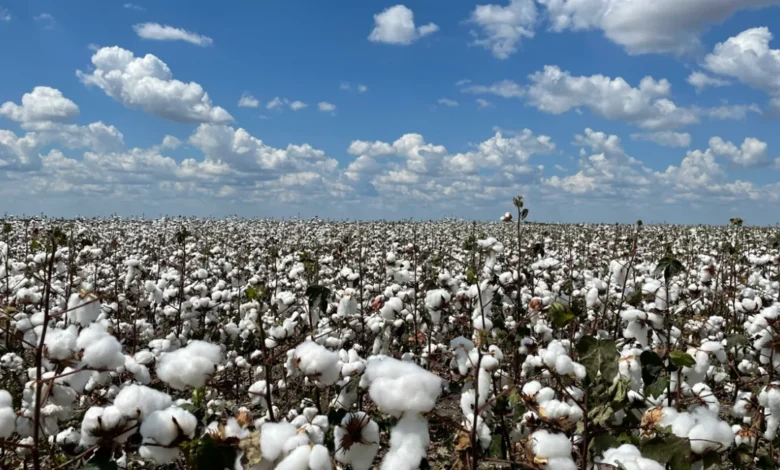
The global fashion industry is currently undergoing a paradigm shift, transitioning from the rapid, opaque cycles of fast fashion toward a model rooted in traceability and ecological responsibility. Central to this transformation is the "farm-to-closet" movement—a holistic supply chain philosophy that prioritizes the origin of raw materials, the ethical treatment of workers, and the health of the soil from which textile fibers emerge. As consumers grow increasingly skeptical of corporate greenwashing, the demand for radical transparency has evolved from a niche preference into a core operational requirement for sustainable brands, exemplified by the Indonesian enterprise SukkhaCitta.
The Anatomy of the Farm-to-Closet Movement
The traditional fast fashion model relies on a decentralized, fragmented supply chain designed to minimize costs and maximize throughput. In this system, fibers are grown in one country, spun in another, woven in a third, and assembled in a fourth, often obscuring the environmental and social costs associated with each step. By contrast, the farm-to-closet approach seeks to bridge the gap between the agricultural source and the final consumer. It is a vertical integration strategy that mandates visibility at every stage: regenerative farming, chemical-free processing, fair-wage craftsmanship, and long-term product lifecycle management.
The shift is not merely aesthetic; it is a response to the staggering environmental toll of the garment industry. According to reports from the United Nations Environment Programme (UNEP), the fashion sector is responsible for roughly 2 to 8 percent of global carbon emissions and consumes nearly 93 billion cubic meters of water annually. Furthermore, approximately 85 percent of all textiles produced by the industry end up in landfills each year. The farm-to-closet philosophy challenges this linear "take-make-waste" model by advocating for a circular economy where materials are treated as finite resources that must be managed with precision and respect.
Chronology of a Sustainable Transition
The trajectory of this movement can be traced through a series of critical milestones in global environmental activism and consumer awareness:
- 2013 (The Rana Plaza Collapse): A watershed moment that exposed the lethal consequences of opaque supply chains. The disaster galvanized the global "Fashion Revolution" movement, which began demanding to know "who made my clothes."
- 2015–2018 (The Rise of Regenerative Awareness): Sustainable pioneers began shifting focus from merely "reducing harm" to "restoring ecosystems." This era marked the formal introduction of regenerative agriculture into textile production, emphasizing soil health as the primary driver of fiber quality.
- 2020–2023 (Digital Transparency Integration): With the acceleration of blockchain and QR-code technology, brands began implementing digital product passports. This allowed consumers to scan a label and view the specific farm where the cotton or linen was harvested.
- 2024–Present: The formalization of legislative frameworks, such as the EU Strategy for Sustainable and Circular Textiles, has pushed the "farm-to-closet" concept from a voluntary initiative to a regulatory expectation.
SukkhaCitta: A Case Study in Ethical Integration
The Indonesian brand SukkhaCitta has emerged as a global benchmark for this operational model. Unlike conventional retailers that purchase commodity fibers from anonymous wholesalers, SukkhaCitta operates as a direct partner to rural communities. By working directly with smallholder farmers, the company ensures that regenerative agricultural practices—such as crop rotation and the elimination of synthetic pesticides—are maintained from the very first seed.
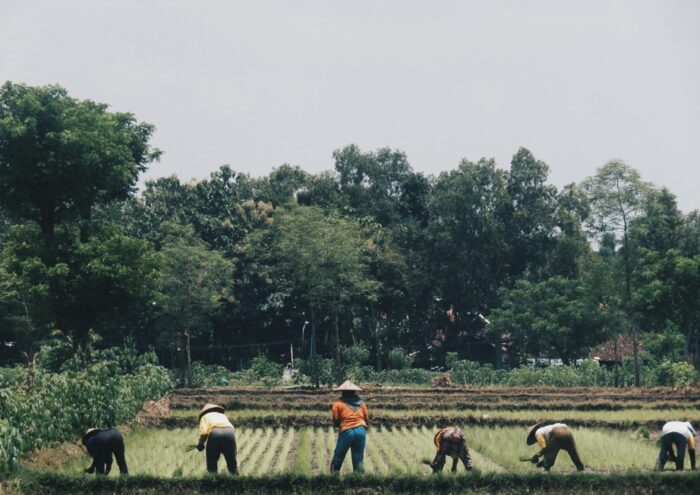
A key component of their success is the revitalization of indigenous knowledge. For instance, the brand utilizes natural indigo dyes, a traditional craft that requires immense skill and time. Unlike synthetic dyes, which are primary contributors to water pollution in textile manufacturing hubs, natural indigo requires a fermentation process that is ecologically neutral. This traditional approach does more than reduce toxicity; it preserves cultural heritage and provides a stable, dignified income for artisans who might otherwise be forced into low-wage factory labor.
Supporting Data and Market Implications
The economic viability of the farm-to-closet model is supported by shifting consumer demographics. Market analysis from McKinsey & Company indicates that over 60 percent of Gen Z and Millennial consumers are willing to pay a premium for products with verified ethical and sustainable credentials. This shift in spending power is forcing large-scale retailers to reconsider their reliance on cheap, synthetic fibers like polyester, which are essentially plastics derived from fossil fuels.
Furthermore, the environmental impact of shifting to regenerative fibers is measurable. Organic and regenerative cotton cultivation can reduce water consumption by up to 91 percent compared to conventional cotton, according to the Textile Exchange. By shortening the distance between the farm and the factory, companies can also significantly lower their Scope 3 emissions—the indirect emissions that occur in the value chain, which typically account for the vast majority of a fashion brand’s carbon footprint.
Official Perspectives and Expert Analysis
Industry analysts argue that the primary hurdle for the farm-to-closet movement remains scalability. While small, craft-based brands can effectively manage direct relationships with farmers, the "fast fashion" giants face massive logistical barriers to such granular oversight. However, industry experts suggest that the future of the sector lies in a hybrid model.
"Transparency is no longer optional; it is becoming a matter of risk management," says an industry consultant specializing in supply chain ethics. "Companies that cannot account for their raw materials will find themselves excluded from markets with strict environmental standards. The farm-to-closet model is effectively a blueprint for future-proofing a business against regulatory and consumer backlash."
From a socio-economic standpoint, the model also serves as a tool for poverty alleviation. By empowering women in rural agricultural settings through fair wages and guaranteed purchase agreements, the movement acts as a catalyst for community development. The empowerment of female farmers, who make up a significant portion of the agricultural workforce in developing nations, has a documented ripple effect on education and health outcomes within those communities.

Broader Impact: Redefining Value
The broader implication of the farm-to-closet movement is a fundamental revaluation of the garment itself. For decades, the industry has trained consumers to view clothing as a disposable commodity. By highlighting the human labor and natural resources required to produce a single shirt—the months of farming, the days of natural dyeing, the hours of skilled weaving—the farm-to-closet approach restores the "true cost" to the product.
This philosophy encourages a "quality over quantity" mindset. When a consumer understands the provenance of their garment, the item ceases to be a trend-driven impulse buy and becomes an investment piece. This psychological shift is essential for curbing the global overproduction of textiles.
Conclusion
The "farm-to-closet" movement represents a profound maturation of the fashion industry. It moves beyond the simplistic goal of sustainability—which often focuses on mere harm reduction—and embraces a regenerative future that is inherently linked to human rights, cultural preservation, and environmental stewardship. While the transition from a globalized, anonymous supply chain to a transparent, localized one is complex and labor-intensive, the evidence suggests it is the only path forward.
As regulatory pressures mount and consumer awareness continues to sharpen, the industry is reaching a tipping point. The future of fashion will not be defined by the speed at which a new design can be replicated and sold, but by the integrity of the supply chain that brings it to life. The efforts of innovators like SukkhaCitta demonstrate that it is indeed possible to marry commercial viability with ethical responsibility, proving that the most sustainable garment is one whose entire history is known, valued, and respected.