Eurojersey and Petratex Join Forces to Redefine Technical Sportswear Production through Integrated Design

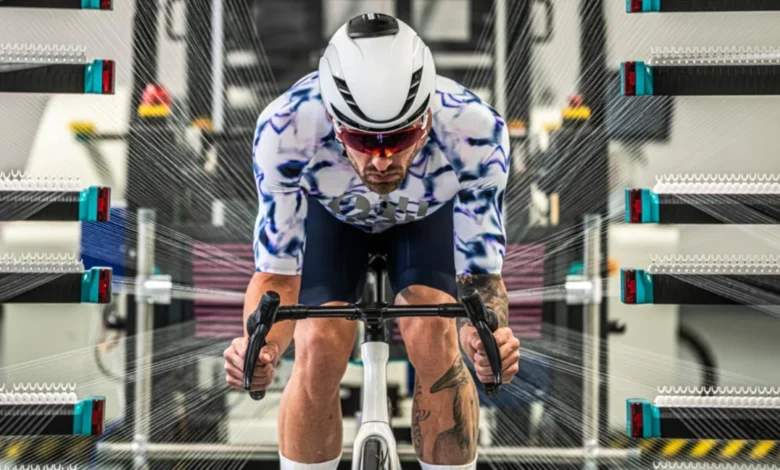
In a significant move for the high-performance textile industry, Italian fabric manufacturer Eurojersey and Portuguese technical garment specialist Petratex have announced a strategic collaboration that aims to fundamentally alter the product development lifecycle for performance apparel. The partnership, unveiled on October 21, 2026, centers on a pilot project titled Optical Motion, a cycling apparel capsule collection that serves as a proof-of-concept for a new, holistic approach to garment engineering. By merging textile science with advanced manufacturing at the conceptual stage, the two companies intend to offer a seamless, end-to-end service for sportswear brands, moving away from the traditional, siloed model of product creation.
A Paradigm Shift in Apparel Development
Traditionally, the manufacturing of high-performance technical apparel has been a fragmented process. Textile mills typically develop fabrics based on general market trends, which are then sold to garment manufacturers who must subsequently engineer patterns and construction techniques to suit the material. This often leads to inefficiencies, as the physical properties of the fabric—such as stretch, moisture management, and recovery—may not be perfectly optimized for the specific anatomical demands of the finished garment.
The Optical Motion project seeks to dismantle this compartmentalized workflow. By integrating Eurojersey’s expertise in warp-knitted Sensitive Fabrics with Petratex’s 37 years of experience in 3D prototyping and technical assembly, the companies have created a system where material characteristics and structural design are refined simultaneously. This "co-design" philosophy ensures that the final garment is not merely "cut and sew" but rather "engineered" from the yarn level to the final aesthetic finish.
Chronology of the Collaboration
The collaboration between the two firms follows a period of rapid evolution in the global sportswear market, characterized by a heightened demand for sustainable, high-performance, and aesthetically distinct gear.
- Q1 2026: Initial discussions between Eurojersey and Petratex regarding the integration of textile R&D and garment engineering.
- Q2 2026: Selection of cycling as the primary application, given the sport’s extreme requirements for aerodynamics, compression, and thermal regulation.
- Q3 2026: Commencement of the Optical Motion project, involving body mapping, digital 3D prototyping, and performance testing.
- October 21, 2026: Official unveiling of the joint service model and the resulting Optical Motion capsule collection at the respective headquarters in Italy and Portugal.
The Technical Demands of Cycling Apparel
Cycling represents one of the most challenging sectors for apparel manufacturers. Athletes require garments that function as a "second skin," providing optimal muscle compression to reduce fatigue while maintaining breathability and minimal aerodynamic drag.
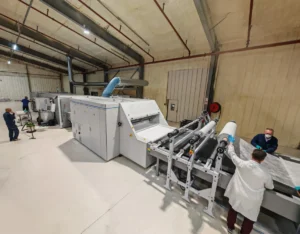
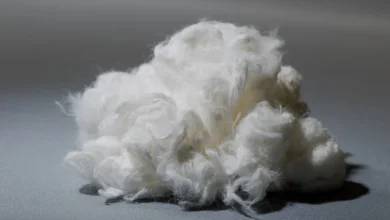
Eurojersey’s contribution, the Sensitive Fabrics line, is produced in Italy through a highly integrated, sustainable manufacturing process. These warp-knitted textiles are renowned for their high percentage of recycled content and their ability to provide consistent compression without restricting movement. When paired with Petratex’s advanced manufacturing capabilities—which include laser cutting, seamless bonding, and sophisticated 3D body mapping—the result is a garment that performs at the professional level.

The Optical Motion collection highlights the intersection of this technology and visual art. The collection utilizes 3D structures and reflective finishes to create an optical effect that emphasizes the speed and fluidity of the rider. By embedding these visual elements directly into the textile structure rather than applying them as secondary prints, the partners have maintained the integrity and performance of the fabric, ensuring that the aesthetic features do not compromise the technical utility of the garment.
Market Context and Supporting Data
The global performance sportswear market continues to experience steady growth. According to current industry projections, the technical apparel sector is expected to maintain a compound annual growth rate (CAGR) of approximately 5–7% through 2030, driven largely by the proliferation of specialized sports and the increasing consumer preference for "athleisure" that functions in both professional and recreational settings.
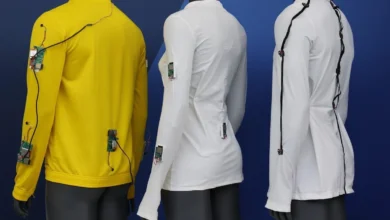
However, brands are facing increasing pressure to shorten lead times and reduce waste. Traditional prototyping—which often involves multiple rounds of physical sampling—is time-consuming and resource-intensive. The integrated service proposed by Eurojersey and Petratex addresses these pain points by utilizing digital twin technology and 3D prototyping. By simulating how a fabric will behave on a 3D body model, companies can reduce the number of physical prototypes required by an estimated 30–40%, significantly lowering the carbon footprint and material waste associated with the development phase.
Industry Implications and Strategic Outlook
For major sportswear brands, the value proposition offered by this partnership is clear: speed-to-market. In an industry where trends can shift rapidly, the ability to iterate designs digitally and manufacture them using pre-vetted, high-performance material combinations provides a significant competitive advantage.
Industry analysts suggest that this "joint service" model could represent the future of manufacturing in the European textile corridor. By keeping production and R&D within Europe, Eurojersey and Petratex are capitalizing on the "nearshoring" trend, which prioritizes supply chain stability, ethical labor practices, and lower shipping emissions over the low-cost, high-volume production models often found in other parts of the world.
While the current pilot focuses on cycling, the framework is designed to be highly scalable. The partners have already identified potential applications in other high-intensity sports, such as running, swimming, and winter sports, where specialized fabric-to-garment optimization is equally critical.
Official Perspectives and Long-Term Objectives
While both Eurojersey and Petratex have maintained a focus on the technical execution of the project, the underlying message is one of collaborative innovation. The partnership is framed not as a temporary marketing alliance, but as a long-term strategic shift.

Representatives from the firms have indicated that the Optical Motion collection is intended to demonstrate that when textile manufacturers and garment engineers stop working in silos, the resulting product is inherently superior. By aligning their R&D departments, they are effectively creating a "one-stop shop" that bridges the gap between raw fiber innovation and finished consumer goods.
This integrated approach also allows for greater customization. As brands look to differentiate themselves through unique fabric textures and personalized garment silhouettes, the ability to modify the textile at the knitting stage—rather than simply choosing from a catalog of off-the-shelf fabrics—becomes a powerful tool for brand identity.
Conclusion
The partnership between Eurojersey and Petratex underscores a broader evolution in the textile and apparel landscape. As technology enables more precise control over the properties of performance materials and the architecture of garments, the traditional barriers between the mill and the factory floor are dissolving.
The Optical Motion project serves as a compelling case study for this integrated model. By addressing the technical complexities of cycling apparel through a unified, collaborative lens, the two companies have set a new benchmark for excellence in the sector. As they look to expand this service to other categories, their success will likely depend on their ability to scale this bespoke, high-touch process while maintaining the rigorous quality standards that have defined their individual operations for decades.
In an era where consumers are increasingly demanding both high-performance functionality and a clear, sustainable production narrative, the synergy between Eurojersey and Petratex offers a blueprint for how European textile manufacturers can maintain their global leadership. The focus on integrated, digitized, and efficient production is not merely a technical refinement; it is a strategic necessity for the future of the sportswear industry.
Related posts: