The Evolution of the Modern Bride: A Historical Analysis of Wedding Non-Conformity and the Dismantling of Tradition

For centuries, the institution of marriage functioned primarily as a socio-political instrument, designed to secure alliances, consolidate wealth, and preserve lineage. Within this framework, bridal attire and customs were rarely expressions of individual agency; they were uniform requirements dictated by societal status and patriarchal norms. However, the last two centuries have witnessed a gradual but profound shift toward the "alternative bride"—a figure who treats the wedding ceremony not as a performative duty, but as an assertion of personal identity. By examining the chronology of these departures from tradition, it becomes evident that what modern society often identifies as "timeless" wedding customs are, in reality, fluid trends that have been consistently redefined by women seeking autonomy.
The Victorian Pivot: The Invention of the White Wedding
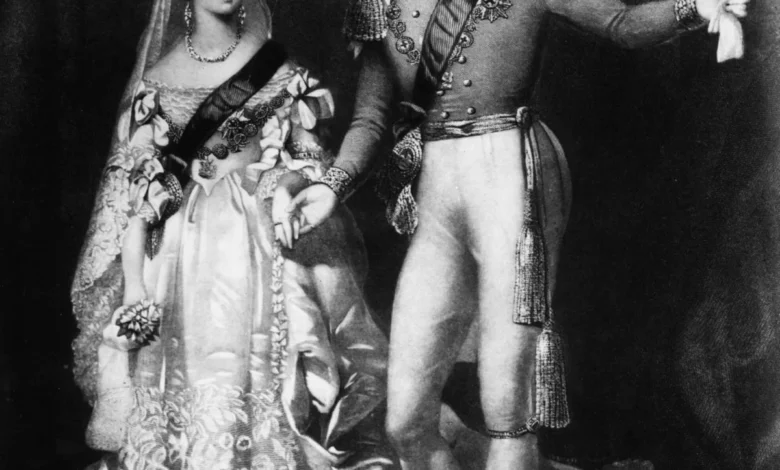
The prevailing belief that the white wedding dress is an ancient, moralistic mandate is a historical misconception. Prior to 1840, Western royal and aristocratic brides traditionally wore elaborate, colorful court gowns. Fabrics such as heavy velvets and silks in deep blues—a color historically associated with purity and fidelity—or vibrant reds were the standard for European nobility.
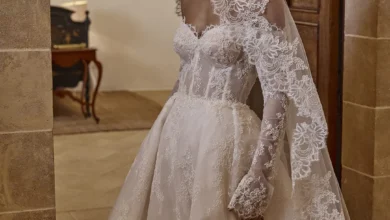
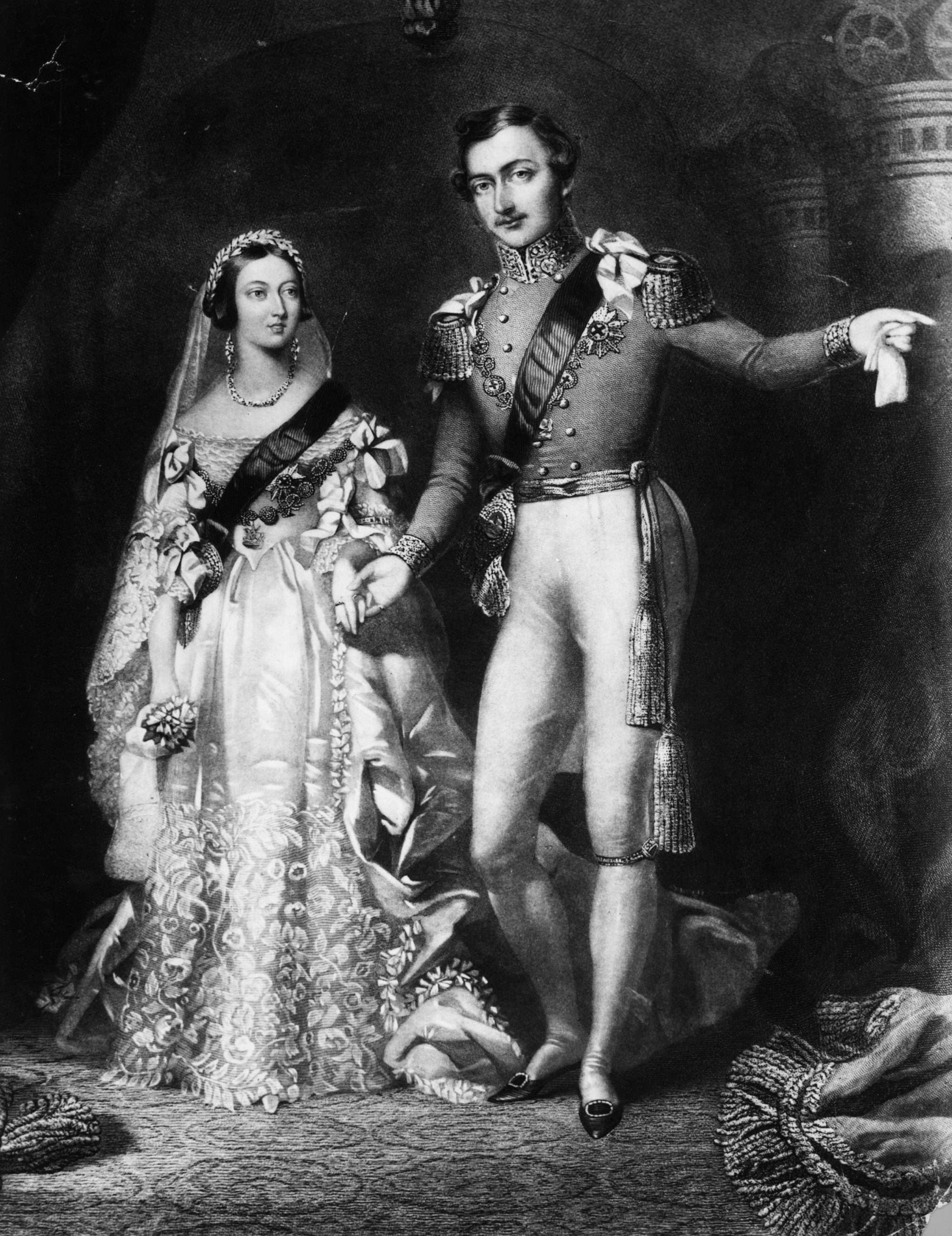
The paradigm shift occurred on February 10, 1840, during the wedding of Queen Victoria to Prince Albert of Saxe-Coburg and Gotha. Eschewing the traditional heavy robes of state, the 21-year-old monarch chose a white silk gown accented with Honiton lace. At the time, white was an expensive, impractical color that signaled extreme wealth, as it was difficult to maintain and typically worn only once.
Victoria’s decision to patronize the struggling British cottage lace industry by incorporating Devon-made lace into her gown had immediate economic implications. The move served as a subtle "flex" of monarchical influence and a boost to local manufacturing. The transformation of this aesthetic choice into a global mandate was facilitated by the emerging media of the era. By the late 1840s, publications like Godey’s Lady’s Book began to retroactively frame white as a long-standing symbol of virginal purity. This historical revisionism solidified white as the default, effectively masking its origins as a personal fashion statement by a powerful woman into a mandatory social expectation.
Breaking the Binary: The Rise of Non-Traditional Silhouettes
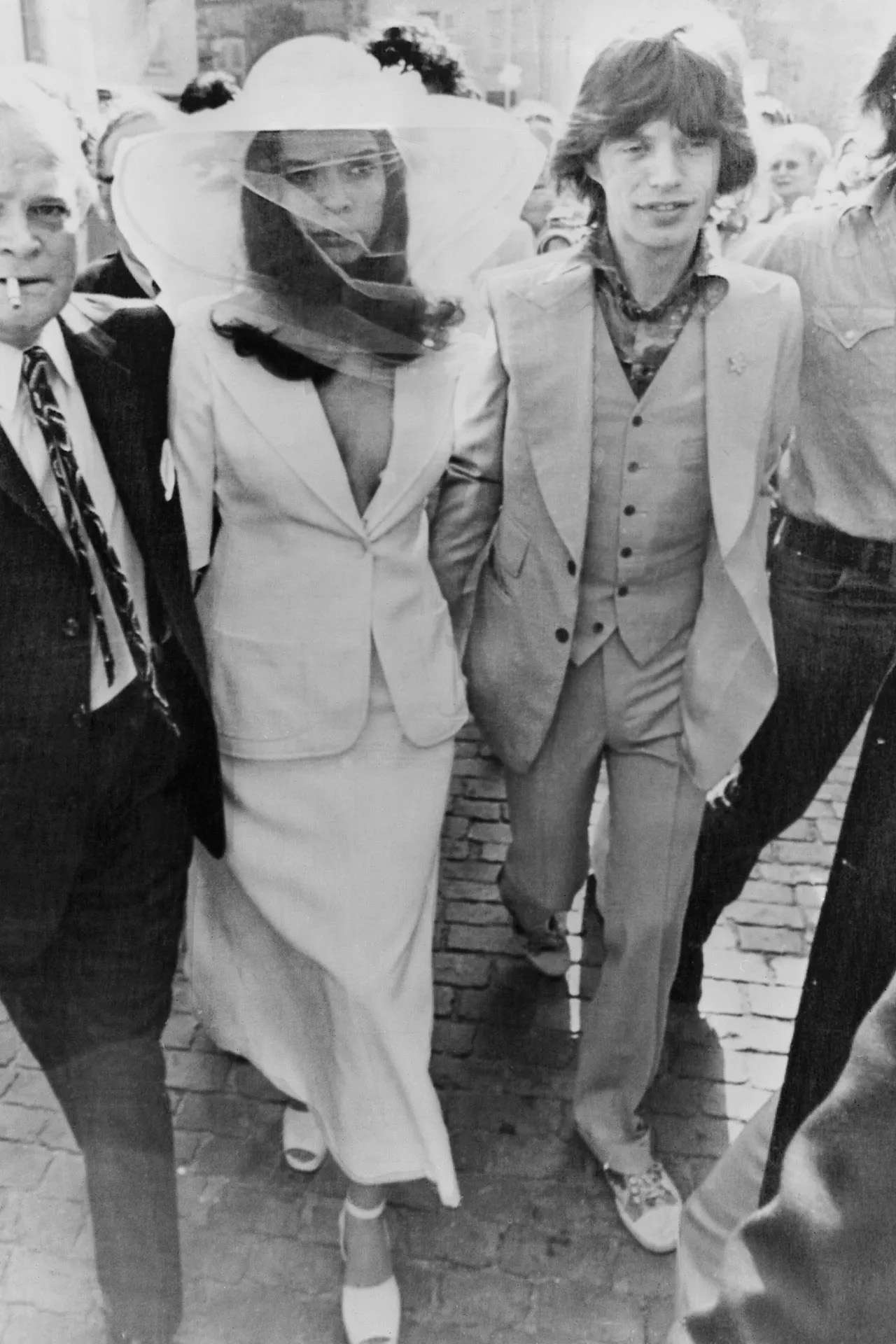
As the 20th century progressed, the rigid expectations surrounding bridal fashion began to erode under the influence of global icons who challenged the necessity of the gown. In 1954, Marilyn Monroe’s choice of a brown skirt-suit for her civil ceremony with Joe DiMaggio signaled a pragmatic shift, yet it was the 1971 wedding of Bianca Jagger that truly revolutionized the bridal aesthetic.
Jagger’s decision to wear a tailored white Yves Saint Laurent Le Smoking jacket and a wide-brimmed hat to her civil ceremony in St. Tropez remains one of the most cited moments in fashion history. Her departure from the gown format provided a blueprint for modern brides to prioritize comfort and personal style over archaic sartorial requirements. This influence has persisted into the 21st century, as seen in the 2024 wedding of Dua Lipa, who opted for a sophisticated suit ensemble, signaling a continued interest in minimalist, gender-neutral, or professional-adjacent bridal wear.
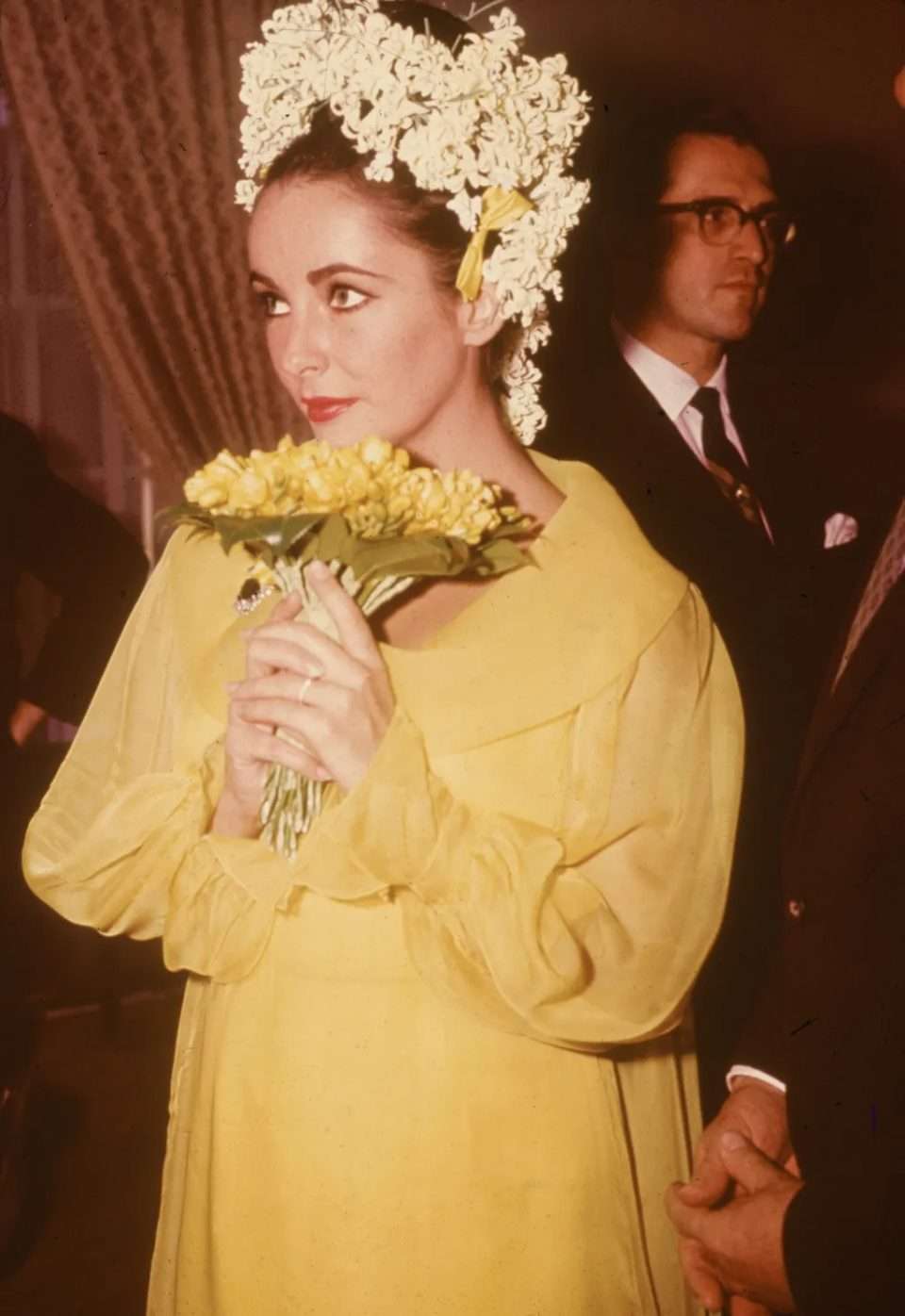
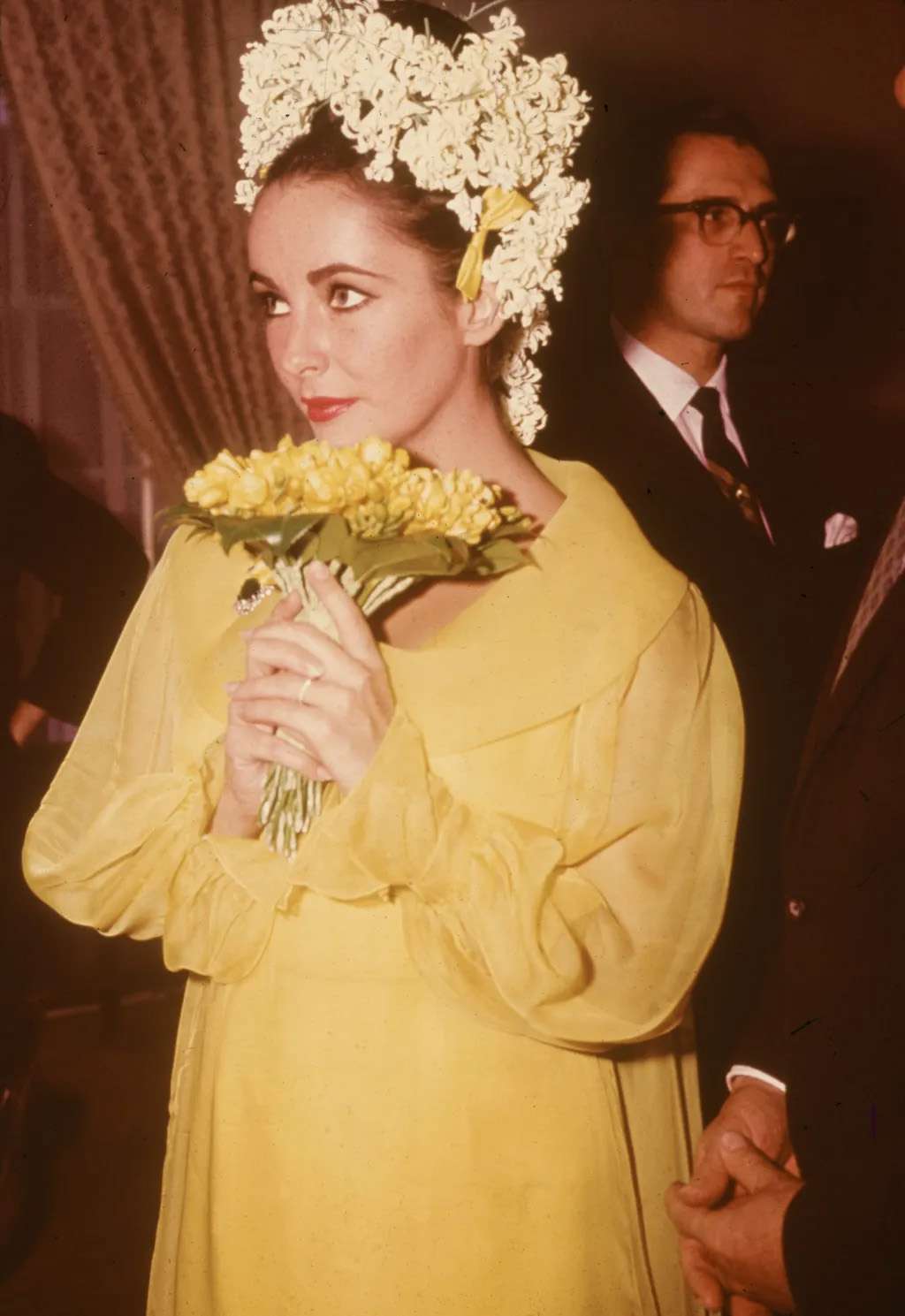
The legacy of these choices is underscored by figures such as Elizabeth Taylor, who, despite her multiple marriages, used her platform to experiment with non-white color palettes—most notably her 1991 pale yellow Valentino gown. These choices moved the conversation away from the "purity" narrative and toward the concept of the bride as a fashion-forward individual.
The 1981 Turning Point: The Verbal Rebellion
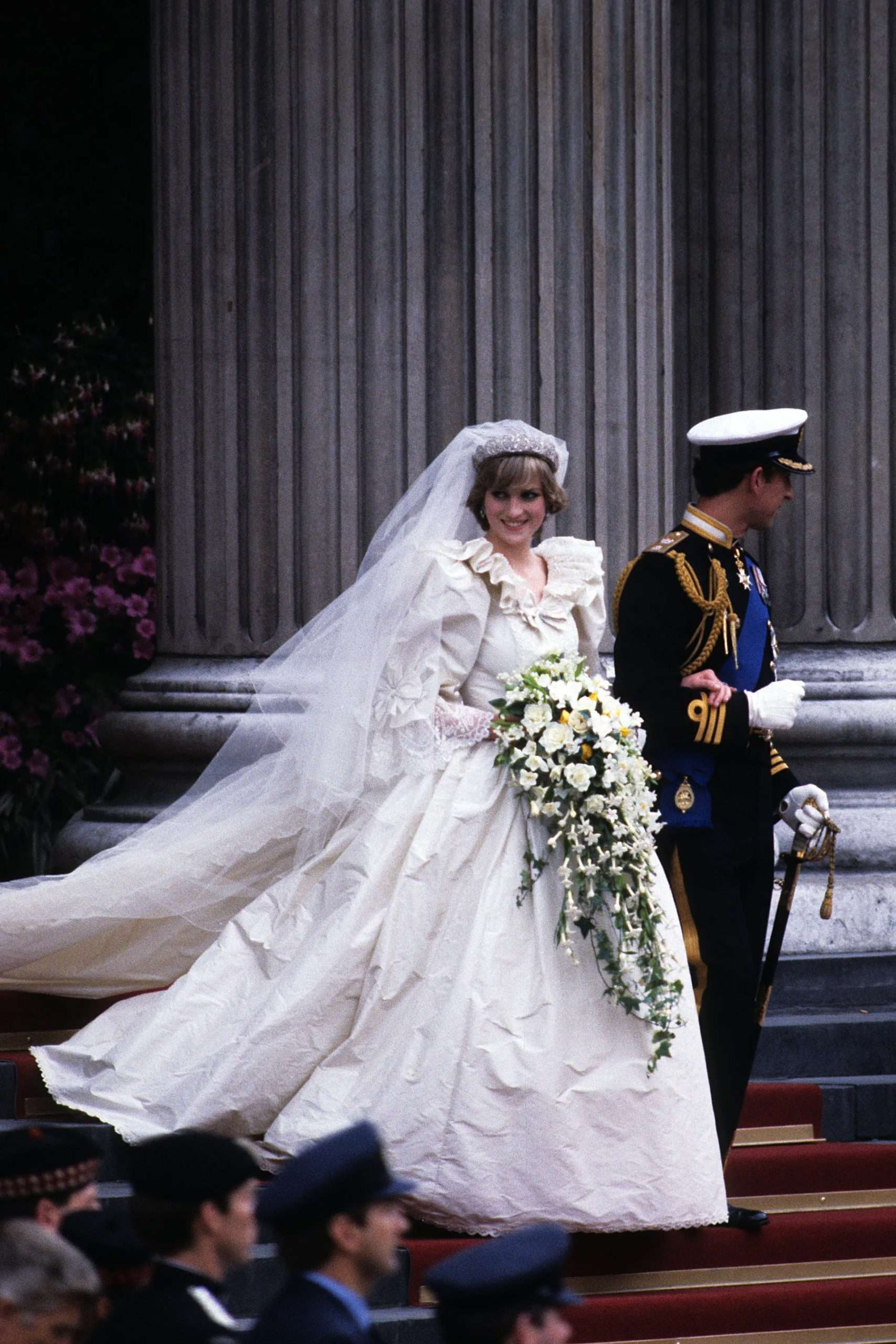
The scrutiny of the Royal Wedding in 1981, featuring the marriage of Lady Diana Spencer and the Prince of Wales, provided a platform for a subtle but seismic shift in marital law and gender dynamics. During the ceremony at St. Paul’s Cathedral, Diana consciously omitted the word "obey" from her vows—a phrase that had been standard in the Anglican Book of Common Prayer for centuries.
This omission was not merely a ceremonial quirk; it was a deliberate, televised statement on the nature of the partnership. The implications were significant, as it challenged the centuries-old hierarchy embedded in religious marriage rites. By removing a word that signified subordination, Diana set a precedent for the modern secularization of vows, enabling millions of couples to renegotiate the power dynamics of their own unions. This act of public defiance remains a benchmark for contemporary feminist critiques of the institution of marriage.
Contemporary Trends: Sustainability and Personal Agency
In the last three decades, the motivation for "alternative" weddings has shifted from purely aesthetic choices to considerations of environmental impact and the desire for privacy. The 1997 wedding of Sarah Jessica Parker and Matthew Broderick serves as a prime example of the "surprise" ceremony, designed to circumvent the intense media scrutiny that often dehumanizes public figures on their wedding days. By opting for a black, off-the-rack garment, Parker signaled that the event was an intimate affair between partners rather than a public spectacle.
Furthermore, the 2013 wedding of Keira Knightley highlighted the growing movement toward sustainable bridal fashion. By choosing to wear a dress she had previously worn in a public setting, Knightley challenged the "once-only" consumption model that drives the multi-billion-dollar bridal industry. This decision resonated with a growing demographic of consumers concerned with the environmental footprint of fast fashion.
Simultaneously, the gothic-punk aesthetic popularized by figures like Avril Lavigne—who chose an all-black ensemble for her 2013 wedding—demonstrated that the "alternative" bride is no longer an anomaly but a category of self-expression. Subsequent trends, such as those seen in the weddings of Kat Von D or the collaborative, woman-led vendor models utilized by Beanie Feldstein and Bonnie-Chance, suggest that the modern wedding is increasingly viewed as a blank canvas for personal branding, creative collaboration, and community-building.
Analysis: The Illusion of Tradition
The history of bridal tradition is characterized by a paradox: the most "sacred" customs are often the most recent inventions. The transition from colorful court attire to white silk, the shifting of vow structures, and the emergence of non-gown silhouettes are all evidence that bridal customs are highly susceptible to cultural and celebrity influence.
Data from the modern wedding industry suggests that the "alternative" movement is now a dominant market force. Couples are increasingly opting for destination weddings, non-religious officiants, and curated, bespoke aesthetics that prioritize their unique history over the "traditional" script. This evolution has democratized the wedding process, allowing individuals to reclaim the ceremony as a celebration of personal partnership rather than a fulfillment of societal debt.
As the industry continues to move away from rigid archetypes, the "rebel bride" of the past is being replaced by the "autonomous bride" of the present. Whether through the rejection of specific color palettes, the omission of outdated vows, or the prioritization of sustainable consumption, the modern bride continues to prove that tradition is not a static set of rules, but a living, breathing evolution of individual choice. Ultimately, the history of the wedding dress is not a history of purity or submission; it is a history of women—from Queens to celebrities—consistently choosing to define their own legacy on their own terms.