Mastering the Curves: How Gigi Fields Built Scarlett & Jo into a Plus-Size Powerhouse

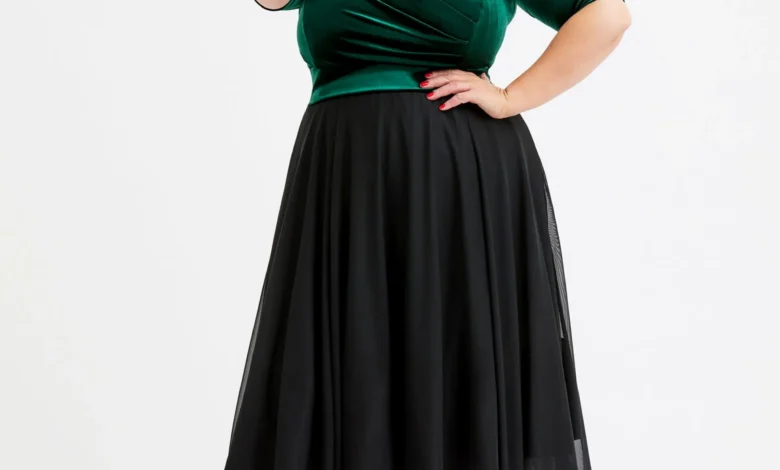
The contemporary womenswear market has undergone a dramatic cultural and commercial evolution over the past decade, yet few brands have navigated the specific technical demands of curve fashion quite as successfully as Scarlett & Jo. Operating out of London, this specialized plus-size occasionwear brand has established a formidable reputation for bridging the historical gap between inclusive sizing, high-end aesthetics, and sophisticated garment construction. Spanning sizes 12 through 32, the label has cultivated a fiercely loyal consumer base through its signature use of vibrant prints, flattering silhouettes, and proprietary fabric engineering. As the broader fashion industry grapples with changing consumer demographics, supply chain pressures, and the rising prevalence of weight-management medications, the journey of Scarlett & Jo offers a masterclass in how to service an underserved market segment with uncompromising design integrity.
The Origins and Evolution of Scarlett & Jo
The roots of Scarlett & Jo trace back to a transformative period in British high street retail. In 2013, veteran fashion designer Gigi Fields conceptualized the brand exclusively for Evans, a historic British retailer long recognized as a staple for fuller-figure shopping. Fields brought decades of industry expertise to the project, having built an extensive resume since the 1970s that included designing for premier department stores and international brands such as Harrods, Harvey Nichols, Bloomingdale’s, Saks, Nordstrom, Topshop, and French Connection.
Having spent the early 2010s developing successful commercial brands for high street giants—starting with Billie & Blossom for Dorothy Perkins in 2010—Fields identified a glaring structural deficiency in how mainstream fashion approached larger sizes. Historically, the industry treated plus-size clothing as an afterthought. Mainstream brands simply graded up smaller pattern blocks based on standard straight-size templates, resulting in garments that hung like tents, failed to accommodate anatomical weight distribution, and ignored the basic principles of drape and proportion.
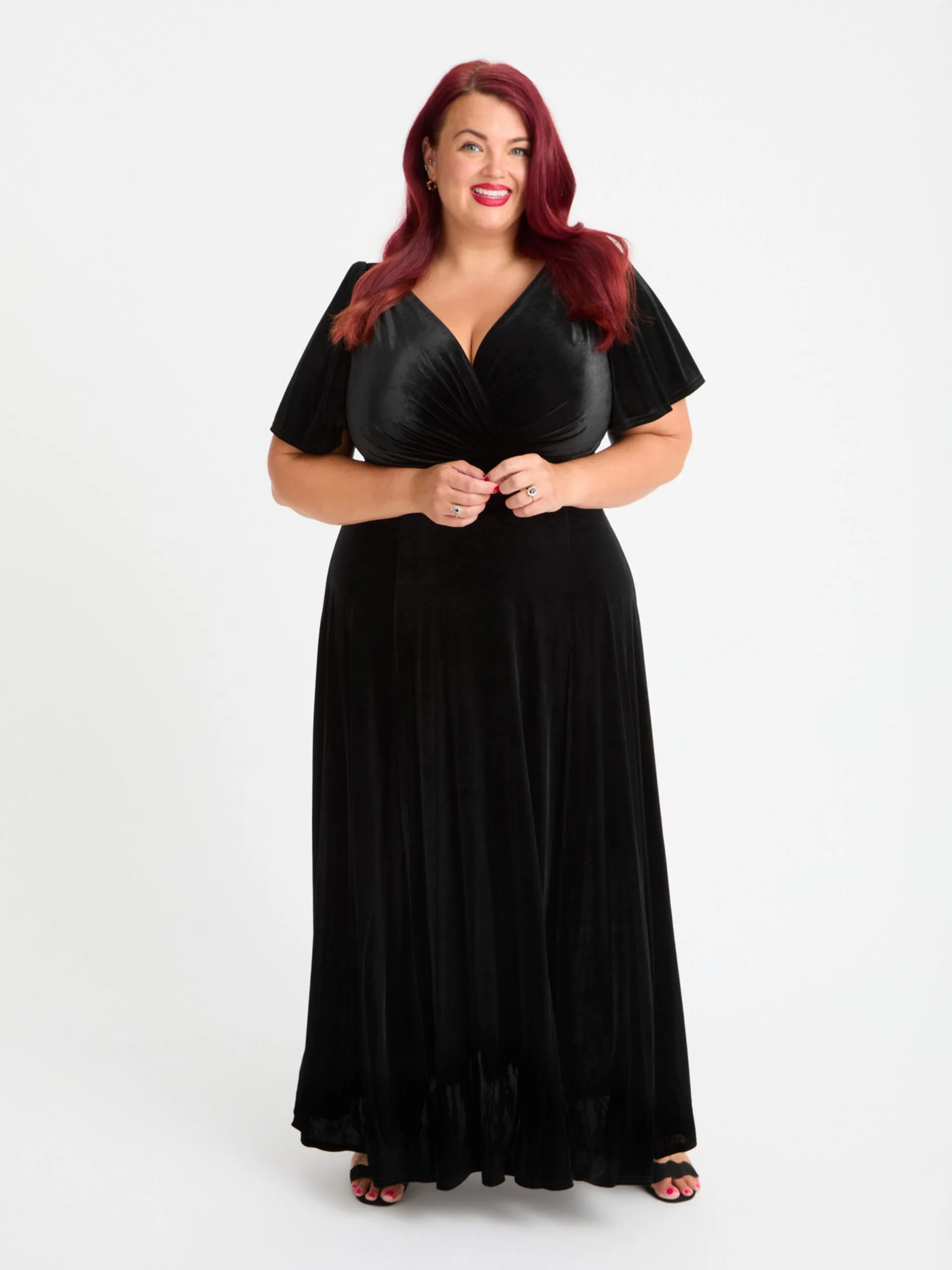
Recognizing an opportunity to disrupt this standard practice, Fields spearheaded the independent relaunch of Scarlett & Jo in 2015. Freed from the constraints of traditional retail conglomerates, the brand adopted a direct-to-consumer (DTC) model via its proprietary e-commerce platform. This pivot allowed the company to control its creative vision entirely, focusing on soft tailoring, structured occasionwear, and casual collections designed specifically to enhance the wearer’s natural silhouette rather than merely concealing it. Today, retail prices span from £50 for casual jersey cotton dresses up to £145 for luxurious soft-stretch velvet kimono-style maxi dresses, positioning the label as an accessible luxury alternative in the broader plus-size landscape.
Technical Mastery and Pattern Engineering: The Anatomy of a Plus-Size Dress
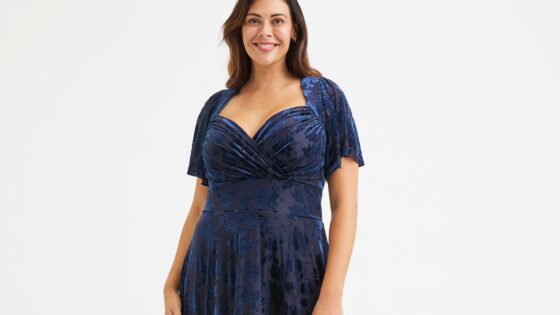
Designing for fuller figures requires a specialized skill set that transcends traditional fashion design. According to industry experts and design veterans like Fields, the primary technical hurdle in plus-size apparel is holistic proportion. The human body does not scale uniformly; consequently, a garment engineered for a UK size 12 cannot simply be multiplied across grading rules to fit a size 24 without catastrophic failures in balance, comfort, and drape.
Scarlett & Jo tackled this engineering challenge by developing patented, stretchy yet firm fabrics built directly into the core structure of their dresses. These integrated compression and support bands provide an hourglass silhouette without sacrificing the comfort required for all-day wear. Furthermore, the manufacturing process demands meticulous attention to structural integrity. Because most Scarlett & Jo garments are fully lined, production typically involves specialized teamwork on the factory floor: one machinist focuses exclusively on the lining, another constructs the outer shell, a third fabricates the waist-compression bands, and a final specialist assembles the components.
Operating a dedicated plus-size line also introduces distinct financial and operational realities. Industry data indicates that manufacturing plus-size apparel consumes approximately 30% more fabric on average compared to standard straight-size production. For example, crafting a velvet gown for a size 10 utilizes at least one meter less material than crafting the equivalent silhouette for a size 24. Furthermore, wider grading spans result in longer seams, compounding labor and material costs. To counter these overhead pressures, brands must prioritize operational efficiency, robust factory partnerships, and strict quality control protocols from the outset to prevent costly batch defects.
The Commercial Imperative and Consumer Psychology
While operational overhead presents legitimate challenges, the commercial incentives for capturing the plus-size market are immense. Historically marginalized by mainstream luxury and high street brands alike, fuller-figure consumers represent a massive, highly engaged demographic characterized by extraordinary brand loyalty and high retention rates. When a brand successfully delivers garments that combine aesthetic appeal with flawless fit, customers respond with powerful word-of-mouth advocacy.
Fashion functions as a fundamental vehicle for self-expression and psychological well-being. When consumers are systematically excluded from contemporary trends or forced to settle for poorly constructed, ill-fitting apparel, the negative impact extends far beyond wardrobe dissatisfaction, directly affecting personal confidence and self-worth. Conversely, a thoughtfully executed plus-size offering restores dignity, joy, and autonomy to the shopping experience, ensuring that fashion remains genuinely inclusive.
However, this high level of consumer engagement carries inherent risks, particularly in the digital sphere. In an interconnected online marketplace functioning as a global village, digital reputation is paramount. E-commerce success relies on an airtight end-to-end consumer journey, encompassing everything from initial digital browsing and checkout to delivery, wearability, and wash care instructions. Industry veterans note that while delighting a single customer can organically generate advocacy that attracts up to ten new buyers, a single service failure or product defect can alienate hundreds of potential customers through viral digital word-of-mouth. Consequently, communication and quality assurance must remain flawless at every touchpoint.
Navigating Market Shifts: The Impact of GLP-1 Medications
As the global wellness and pharmaceutical landscape evolves, retail analysts have increasingly scrutinized the potential macroeconomic impacts of GLP-1 weight-loss medications on the plus-size apparel sector. Headlines across financial and lifestyle media have debated whether widespread adoption of these treatments might permanently contract the market for fuller-figure fashion.
Industry leaders, however, view these demographic shifts through a pragmatic and opportunistic lens. Body diversity remains a permanent, foundational facet of society, ensuring that the fundamental demand for comfortable, stylish, and inclusive fashion will remain unwavering. Moreover, transitional weight loss creates an immediate and sustained consumer need for new wardrobes across multiple sizing brackets. A consumer transitioning from a size 24 down to a size 16 or 18 over a period of months will inevitably require entirely new collections of clothing to match their changing silhouette, thereby driving sustained retail demand.
Future Outlook and Strategic Expansion
Looking ahead, the trajectory of Scarlett & Jo underscores the enduring viability of niche-focused, technically disciplined fashion brands. By resisting the temptation to treat fuller-figure design as a secondary revenue stream and instead treating it as an exacting engineering discipline, the label has carved out a resilient market position.
The brand’s ongoing strategy relies on maintaining hyper-focus on its core consumer lifestyle, continuously refining proprietary fit technologies, and expanding its footprint into global digital marketplaces where demand for unashamedly inclusive, beautifully crafted fashion continues to accelerate. As consumer expectations for representation and quality rise, the foundational principles established by pioneers like Gigi Fields—prioritizing proportion, structural integrity, and emotional connection—will likely serve as the benchmark for the next generation of inclusive apparel brands.