In Conversation with: Dr. Julia English. Beyond functionality: How repair forces us to slow down and cherish our clothing.

As the global fashion industry faces mounting pressure to address its environmental footprint, the narrative surrounding the lifecycle of a garment is shifting from one of disposability to one of longevity. Dr. Julia English, an award-winning researcher and creative practitioner, stands at the forefront of this transition, advocating for a fundamental change in how consumers interact with their wardrobes. Her work, which integrates written, audio, and textile media, challenges the pervasive "take-make-waste" model, proposing instead a "remake" economy that prioritizes repair, upcycling, and structural transformation.
The Macro Crisis: Fashion’s Disposability Problem
The environmental impact of the fashion industry is well-documented. According to recent data from the Ellen MacArthur Foundation, the equivalent of one garbage truck of textiles is landfilled or burned every second. This crisis is fueled by a rapid production cycle that prioritizes low-cost, high-volume output. In Australia, the domestic fashion landscape mirrors these global trends, with the average household disposing of significant quantities of textiles annually, often due to minor damages—such as a missing button or a split seam—that the owner feels ill-equipped to repair.
Dr. English’s research, particularly her work on "Designing Collaborations to Remake Waste," highlights that the barrier to a circular fashion economy is not just infrastructure, but a profound loss of technical literacy. As domestic sewing skills have declined over the past three decades, the emotional connection between the wearer and the garment has weakened. By reintroducing repair into the everyday lexicon of the consumer, English suggests we can curb the influx of waste while fostering a more sustainable relationship with material culture.
A Chronology of the Repair Renaissance
The movement toward a "repair-first" culture has gained momentum over the last five years, accelerated by a post-pandemic shift toward slow living and self-sufficiency.
- 2019-2021: The emergence of "Repair Cafés" across Australia provided localized hubs for skill sharing, bridging the gap between aging generations of crafters and younger, environmentally conscious consumers.
- 2022: RMIT University’s PlaceLab launched the Wear & Care Project. This initiative provided critical research into how secondhand retailers handle inventory, revealing that thousands of high-quality garments were being sent to landfill simply due to minor defects like missing fasteners.
- 2023-2024: Academic and industry focus shifted toward "Remake Fashion," a term coined to distinguish between functional restoration and creative, value-added transformation.
- 2025-Present: Current discourse, led by figures like Dr. English, focuses on policy shifts and the normalization of repair as a standard expectation for garment longevity.
The Mechanics of Mending: Function vs. Creativity
Dr. English identifies two distinct pathways for individuals looking to engage with their clothing: the functional and the creative.
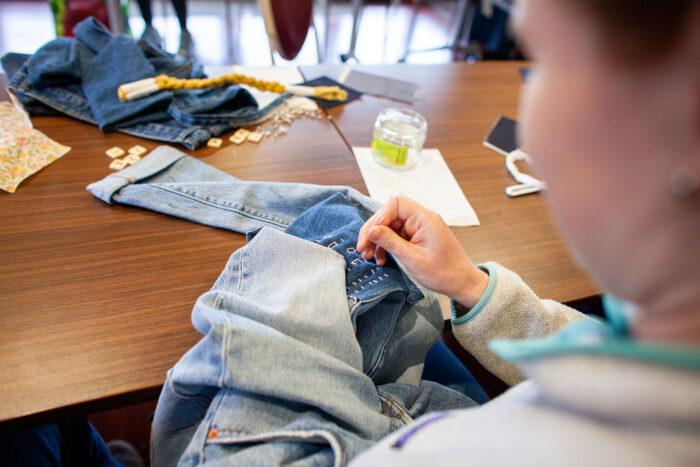
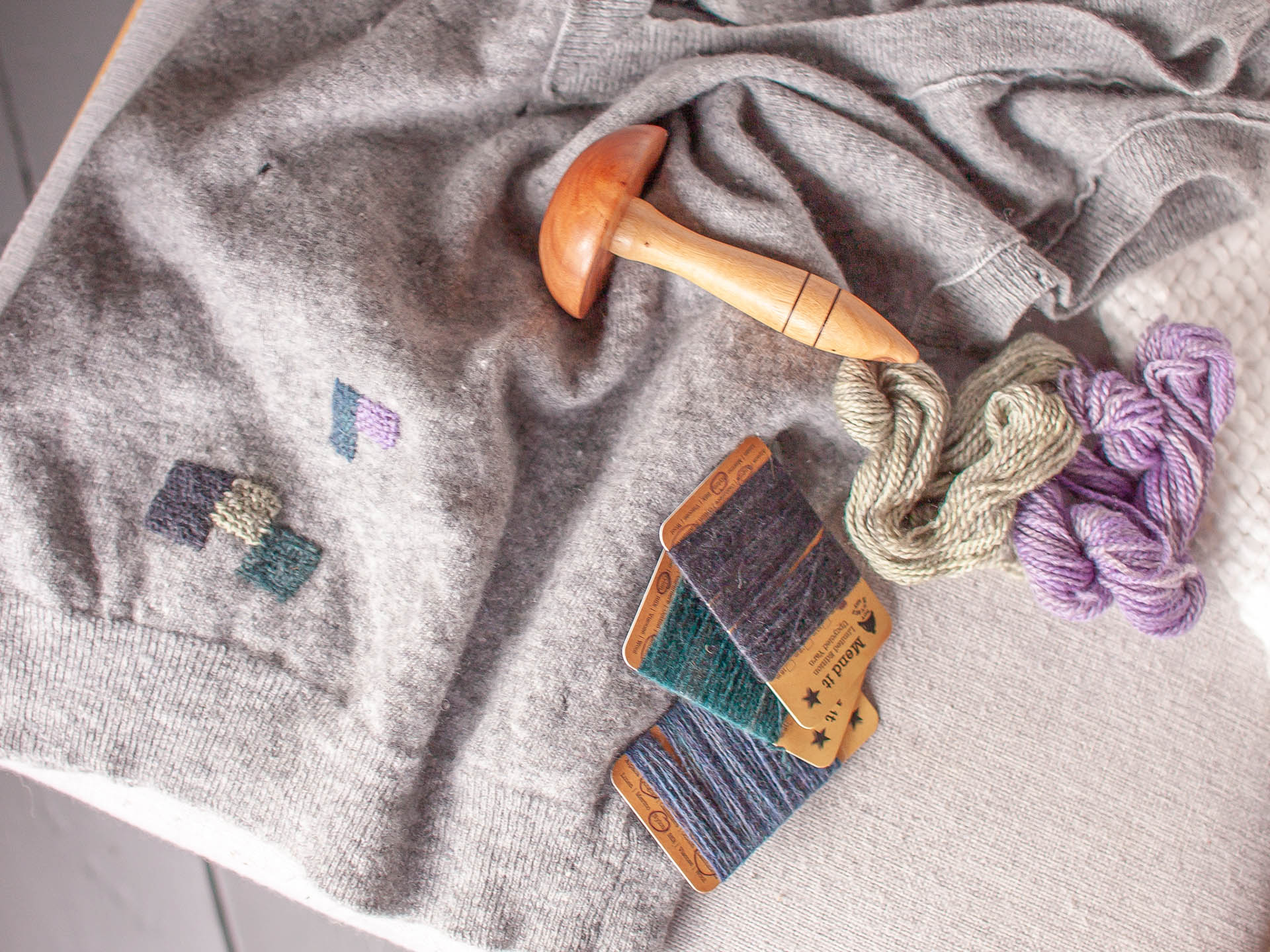
Functional repair—such as replacing a button or closing a seam—is presented as the "entry-level" intervention. English notes that the intimidation factor often prevents individuals from starting, yet the technical requirements are minimal. "If the button is on, the button is on," she asserts. The Wear & Care findings support this, suggesting that if consumers mastered basic repairs, they would not only extend the life of their own items but also improve the quality of donations provided to charity shops, which are currently overwhelmed by garments deemed "unsaleable" due to minor faults.
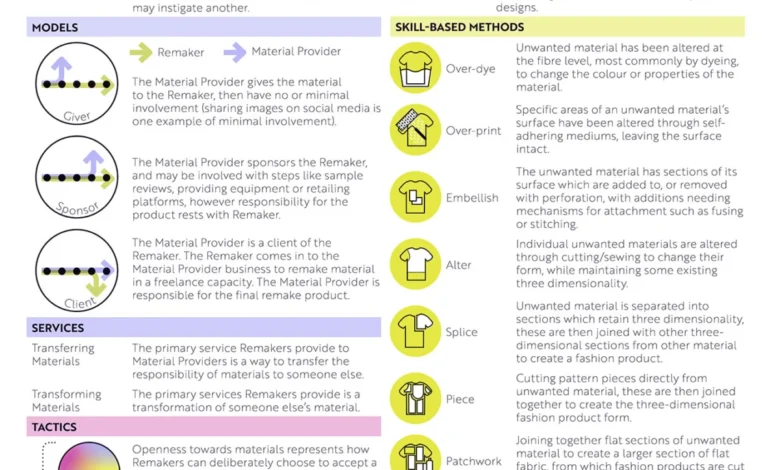
Conversely, the creative approach to repair, or "remake," treats the damaged area as a design opportunity. This involves methods such as overprinting, dyeing, embellishing, or "splicing"—the practice of combining multiple garments to form a new piece. By reframing a hole or a stain as an invitation for creative expression, the garment ceases to be a static object and becomes a dynamic project, deepening the user’s emotional attachment to the item.
Socio-Economic Implications and the Cost of Repair
A central tension in the current discourse is the disparity between the cost of new, mass-produced clothing and the cost of labor required to repair it. Because modern garments are produced offshore at extreme scale, their retail price rarely reflects the true cost of production or the value of the labor involved. Consequently, professional repair services often seem prohibitively expensive to the average consumer.
"You’re always going to run into the problem of cost," Dr. English explains. "When garments are produced offshore, the cost to repair them locally is always going to feel high in comparison."
This economic reality necessitates a dual-track strategy: government support for local, circular manufacturing and, more importantly, the democratization of repair skills through community education. By treating repair as a social activity—asking friends for advice or attending community workshops—the process becomes less about the financial transaction and more about the cultivation of a "repair culture." This shift is essential, as it creates a buffer against the cycle of disposability.
The Future of Sustainable Fashion
The implications of Dr. English’s research extend beyond individual habits; they suggest a fundamental reconfiguration of the fashion business model. For brands, this means moving toward "circular design," where garments are built to be easily disassembled, repaired, and remade. For the consumer, it requires a shift in the definition of "value."
According to the Blueprint for Fashion Businesses developed by Dr. English, designers and retailers must take responsibility for the entire life cycle of their products. This includes providing repair guides to customers, offering in-store mending services, or creating take-back programs that focus on remanufacturing rather than just recycling.
Furthermore, the act of repair is identified as a remedy for the alienation that characterizes modern consumption. In a world where we are increasingly disconnected from the origins of our goods, the time taken to mend a piece of clothing serves as a "nourishing" act of reflection. By choosing to fix what is broken, the consumer asserts agency over their environment, moving from a passive user of products to an active steward of their own wardrobe.
Expert Insights: The Path Forward
In her recent collaborations, Dr. English has emphasized that the most sustainable garment is the one already in the closet. The "remake" framework provides a clear path for this:
- Surface Transformation: Addressing stains or small tears through dyeing or embellishment.
- Structural Transformation: Using alterations or "splicing" to update fit and form.
- Textile Extraction: Treating old or unusable garments as raw material to create something entirely new.
As the industry faces the legislative reality of extended producer responsibility—where brands may soon be held accountable for the end-of-life impact of their products—the expertise of practitioners like Dr. English becomes increasingly vital. Her work confirms that while technology and policy are necessary for large-scale change, the cultural shift toward "cherishing" clothing begins with the simplest of tools: a needle, a thread, and a willingness to slow down.
For those seeking to engage with this movement, the consensus is clear: start small, prioritize items that hold personal value, and seek out community networks. The goal is not perfection, but participation in a system that respects the labor, materials, and time embedded in every thread. As the fashion industry continues to navigate a turbulent future, the quiet, deliberate act of repair stands out as a powerful, necessary, and accessible form of resistance against the culture of excess.