Ring Concierge Pivots Away From Social Commerce to Launch The Diamond Safe Amid Rising Demand for Unique Lab-Grown Gems

The modern fine jewelry landscape is undergoing a significant transformation, driven by shifting consumer preferences, the proliferation of lab-grown diamonds, and the rapid expansion of social media commerce. In response to the growing popularity of viral, live-streamed loose diamond auctions on platforms like TikTok and eBay—which have frequently faced scrutiny regarding authenticity and low-tier gemstone quality—online fine jewelry brand Ring Concierge has introduced an alternative retail concept. Titled "The Diamond Safe," the brand’s major holiday sales event aims to capture the surging consumer interest in discounted, one-of-a-kind gemstones while maintaining the stringent quality control, customer trust, and elevated buying experience traditionally associated with luxury retail.
Running from November 15 through December 2 on the brand’s proprietary e-commerce platform, The Diamond Safe offers a curated inventory of loose diamonds featuring unique cuts, distinctive color profiles, and substantial price reductions. With stones priced approximately 50 percent lower than Ring Concierge’s standard retail valuations, the collection ranges widely from under $800 to nearly $20,000. Each piece is entirely unique, operating on a strictly limited-availability model designed to appeal to modern buyers seeking personalization and distinctiveness in their jewelry investments.
The Evolution of the Loose Diamond Market and Changing Consumer Tastes
The launch of Ring Concierge’s curated sale directly reflects broader macroeconomic and cultural trends within the jewelry sector. According to Nicole Wegman, founder and CEO of Ring Concierge, the widespread availability and affordability of lab-grown diamonds have fundamentally altered consumer purchasing habits. Standard, large-carat white diamonds, once considered the ultimate benchmark of luxury and rarity, have become far more accessible to the general public. Consequently, contemporary fine jewelry buyers are increasingly pivoting away from traditional, uniform stones in favor of highly individualized aesthetics, unusual cuts, and bespoke settings.
This shift has created a massive opening for alternative diamond sales, a phenomenon recently popularized by independent sellers utilizing live-stream platforms. However, these unregulated digital auctions often introduce severe consumer risks. Shoppers frequently encounter mislabeled goods, low-grade stones, or even synthetic simulants such as moissanite. Recognizing these pitfalls, platforms have begun enacting stricter regulatory measures; notably, TikTok implemented policy restrictions in October to limit diamond and jewelry sales exclusively to authorized, verified sellers in an effort to curb fraudulent transactions.
Despite these risks, the psychological appeal of acquiring a diamond at a fraction of its estimated market value remains exceptionally high. Ring Concierge identified this tension in the marketplace and sought to deliver the high-stakes excitement of a treasure-hunt discount model without compromising on legitimacy, consumer protection, or brand equity.
Curated Inventory and the Surge in Bespoke Design
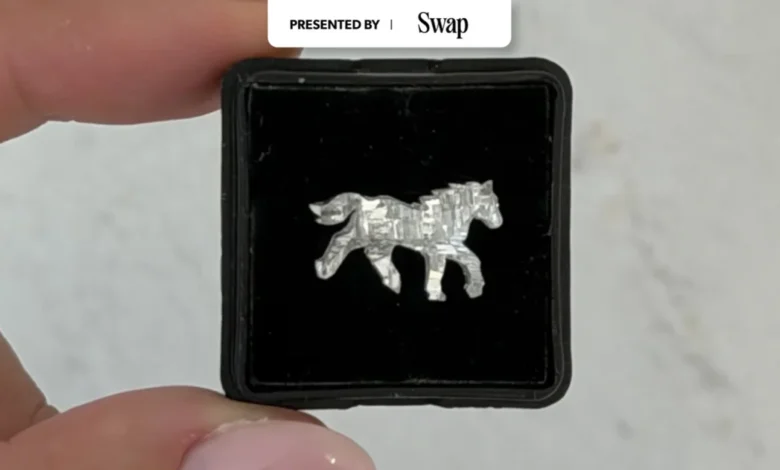
The Diamond Safe features several dozen carefully selected stones designed to appeal to buyers looking for unconventional luxury. The collection includes rare color variations—such as vibrant yellow, soft champagne, and delicate pink—alongside whimsical and unorthodox shapes, including a horse-shaped diamond and an initial "R" cut. The market appetite for these rarities proved immediate; a pink heart-shaped diamond listed in the collection sold out almost instantly, prompting a wave of inquiries from disappointed shoppers who missed the opportunity to secure the stone.
Beyond the acquisition of loose stones, the sale capitalizes on an equally powerful trend: the demand for fully custom-designed jewelry settings. To incentivize bespoke creation, Ring Concierge offered an accompanying promotion granting buyers a 50 percent discount on a custom setting specifically tailored to house their newly purchased diamond.
The response to this pairing has been overwhelming. According to company metrics, virtually every single buyer of the initial 40 diamonds sold has initiated a consultation for a custom setting. Wegman notes that acquiring a primary gemstone at a substantially reduced rate frequently liberates capital within the consumer’s overall budget, allowing them to allocate significantly more funds toward intricate, high-end craftsmanship for the setting itself. In one notable instance cited by the CEO, a customer purchased a loose diamond valued at $1,000 and subsequently allocated $6,000 toward a bespoke setting to display it.
Strategic Separation From Social Commerce Platforms
While digital live-shopping and social marketplace integrations have become dominant retail strategies for fast fashion and mass-market consumer goods, luxury brands continue to navigate a complex relationship with these platforms. Ring Concierge utilized a hybrid promotional strategy for The Diamond Safe, hosting a targeted TikTok Live event in the days leading up to the launch to preview select inventory and educate consumers on the unique qualities of the available diamonds. However, the brand deliberately chose to restrict all actual financial transactions to its owned and operated website.
Ahead of the November 15 launch, Ring Concierge leveraged its internal digital ecosystem—including targeted email marketing and SMS campaigns—to drive traffic and offer early access to loyal subscribers. This deliberate funneling of consumers away from third-party social shopping applications and toward the brand’s proprietary site underscores a broader strategic philosophy regarding luxury e-commerce and average order value (AOV).
Wegman points out that the fundamental architecture of platforms like TikTok Shop does not align with the consumer journey required for high-consideration luxury purchases. Internal company analysis indicates that the average order value on mass social commerce platforms remains relatively low, whereas Ring Concierge maintains an average order value hovering around $1,000, contributing to overall annual revenues exceeding $100 million. While select secondhand luxury operators—such as luxury handbag reseller Fashionphile—have found viable pathways selling thousand-dollar items via social shopping tools, fine jewelry remains an asset class requiring extensive visual aids, detailed technical specifications, and transparent customer service frameworks.
Although Ring Concierge maintains a minor storefront presence on Instagram, the brand views social media primarily as a top-of-funnel marketing vehicle rather than a point-of-sale destination. The company’s digital infrastructure has been meticulously optimized to guide high-intent buyers through a deliberate educational funnel, featuring comprehensive frequently asked questions, high-definition macro photography, and seamless customer support channels.
Broader Implications for the Luxury Retail Sector
The introduction of The Diamond Safe highlights an ongoing structural debate within the modern retail economy: the tension between broad-reach social commerce and controlled, brand-owned digital experiences. As platforms vie for dominance in social selling, luxury brands face the ongoing challenge of maintaining exclusivity, product integrity, and brand narrative control in digital environments designed for rapid, impulse-driven consumption.
For Ring Concierge, the success of The Diamond Safe demonstrates that consumers are deeply responsive to curated scarcity, substantial value propositions, and custom personalization, provided those offerings are backed by institutional trust and transparent provenance. By bypassing the pitfalls of unregulated live-stream auctions while harnessing the underlying consumer desire for unique, accessible luxury, the brand has established a blueprint for how independent fine jewelers can navigate the evolving intersection of digital marketing, changing consumer demographics, and high-value e-commerce.
Related posts: