The High Cost of Cheap Pixels: How Generative AI is Fracturing the Digital Fashion Marketplace


In the contemporary retail landscape, the foundational premise of e-commerce—that a product image serves as a reliable, truthful proxy for a physical item—is currently undergoing a period of unprecedented destabilization. As approximately 30% of all retail transactions in the United Kingdom now occur online, the integrity of visual representation has never been more critical to consumer trust. However, a growing reliance on generative artificial intelligence to replace traditional studio photography is eroding the implicit contract between retailers, designers, and shoppers. While cost-cutting is the primary driver behind this technological pivot, the resulting "synthetic" product imagery often fails to capture the essential details of garments, leading to a surge in consumer dissatisfaction and a fraying of relationships between luxury platforms and the designers they represent.
The Evolution of the Digital Product Promise
Historically, there has existed a tacit understanding between retailers and consumers regarding the limitations of digital imagery. Both parties have long acknowledged that professional lighting, subtle retouching, and the use of pins to improve the fit of a garment are standard industry practices. Consumers have historically factored these "enhancements" into their purchasing decisions, often utilizing the ease of returns to mitigate the risks associated with buying items they cannot touch or try on in person.
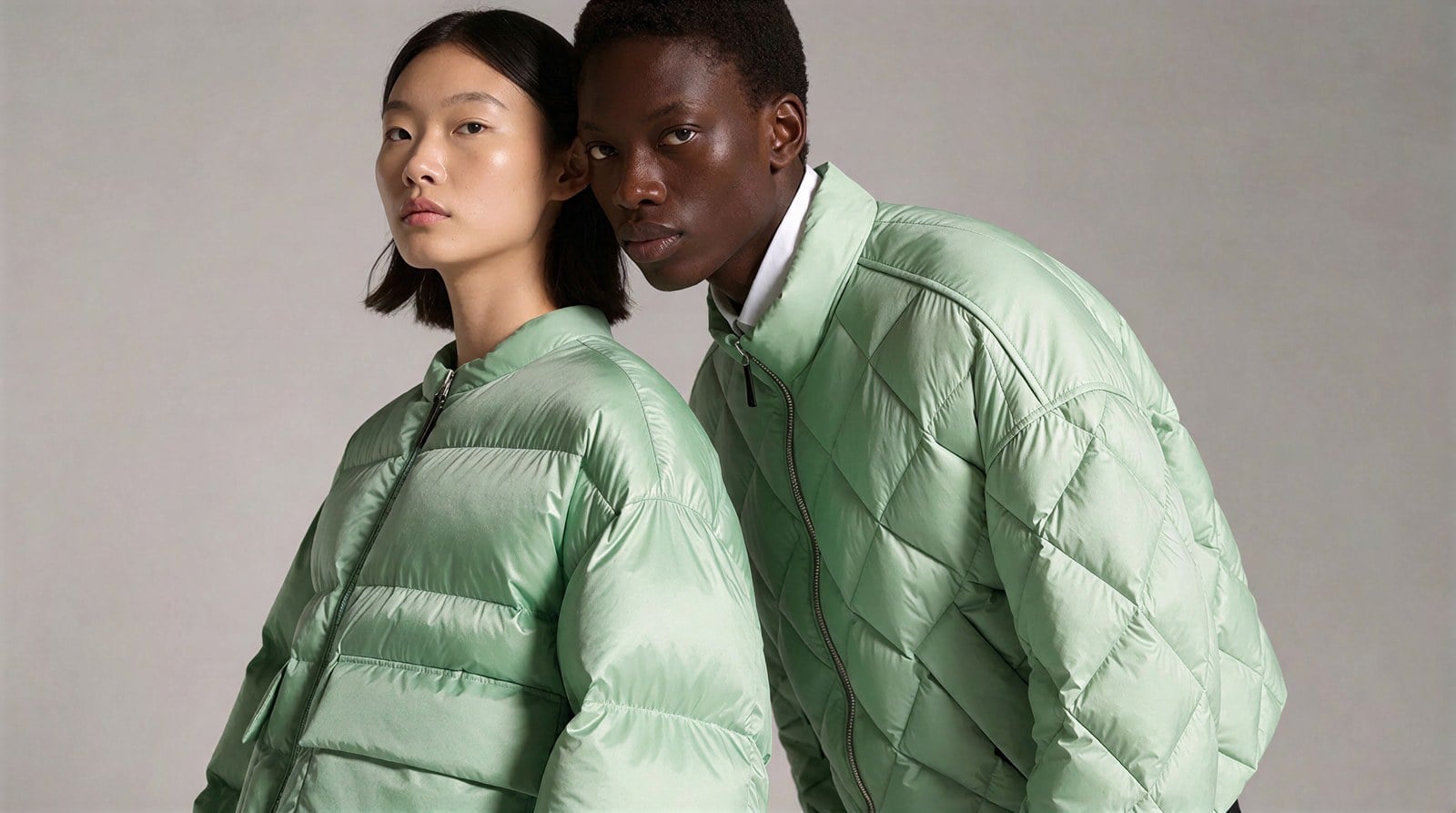
However, the introduction of generative AI has fundamentally altered this landscape. Unlike traditional photography, which captures a real object through a lens, synthetic photography creates a visual approximation based on data. This shift has moved the industry from "polishing the truth" to "creating a fabrication." When a retailer presents an AI-generated image that captures the general silhouette of a garment but fails to render its texture, construction, or specific details accurately, the "product promise" is broken. This is not merely a technical glitch; it is a business strategy that prioritizes immediate overhead reduction over long-term brand equity and customer retention.
Chronology of the SSENSE Controversy
The current industry introspection was ignited by a series of events involving the Canadian luxury retailer SSENSE. Once celebrated for its high-quality, consistent, and meticulously art-directed studio photography—a cornerstone of its reputation as a premier fashion destination—the company recently pivoted toward AI-generated imagery.
The friction became public in mid-November 2026, when independent designer Reese Cooper, whose collections are carried by SSENSE, took to Instagram to voice his frustration. Cooper noted that the product detail pages for his designs were being populated with AI-generated images that misrepresented the material, cut, and finishing of his garments. The concern was twofold: first, that customers would receive products that did not match the images they purchased from, and second, that the blame for these discrepancies would fall on the designer rather than the retailer.

Following Cooper’s intervention, the issue gained broader scrutiny. Publications such as The Fader and The New York Times conducted independent audits of SSENSE’s product pages. They identified significant anomalies, including "smeary" textures, impossible garment seams, and instances where clothing appeared to merge with footwear. Sage Toda-Nation, another designer affected by these changes, highlighted how the AI-generated imagery fundamentally altered the silhouette and design intent of their work.
By late November 2026, it became clear that this was not a temporary testing phase but a strategic shift. Reports from outlets such as The Logic had already suggested as early as July 2025 that SSENSE was undergoing significant internal restructuring, including the termination of professional photography and makeup staff, in favor of what the company termed "virtual try-on"—a label that industry analysts noted was being used as a euphemism for synthetic, AI-generated imagery.
Data and Industry Implications
The reliance on synthetic media has sparked a broader debate about the "iron triangle" of business operations: speed, quality, and cost. In the pursuit of cost-efficiency, retailers often find that they cannot maintain all three. While generative AI can produce thousands of images in a fraction of the time required by a physical shoot, the lack of human oversight often leads to a failure in quality control that can be financially devastating.
The financial impact of return rates remains one of the most significant metrics in e-commerce. According to industry benchmarks, the cost of processing a return—including shipping, restocking, and potential inventory devaluation—can exceed 20% of the original item’s price. When product imagery is misleading, return rates typically climb, effectively neutralizing any cost savings gained from replacing human photographers with AI software.
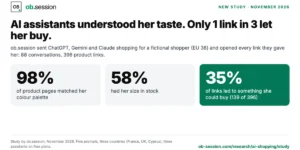
Furthermore, consumer sentiment is increasingly turning against opaque AI usage. A recent report by Etsy’s leadership highlighted that the inability to distinguish between authentic and AI-generated content has become a top-three barrier for shoppers, creating a "trust gap" that is difficult to bridge. In other instances, such as the widely publicized cancellation of a UK Christmas market due to misleading AI promotional posters, the discrepancy between digital expectation and physical reality led to total event failure.
The Need for Strategic Integration
It is important to note that the failure of synthetic photography is not an inherent flaw of the technology itself, but rather a result of poor implementation. Many global retailers are successfully integrating generative AI into their workflows, but they do so through a framework of human-in-the-loop (HITL) processes.
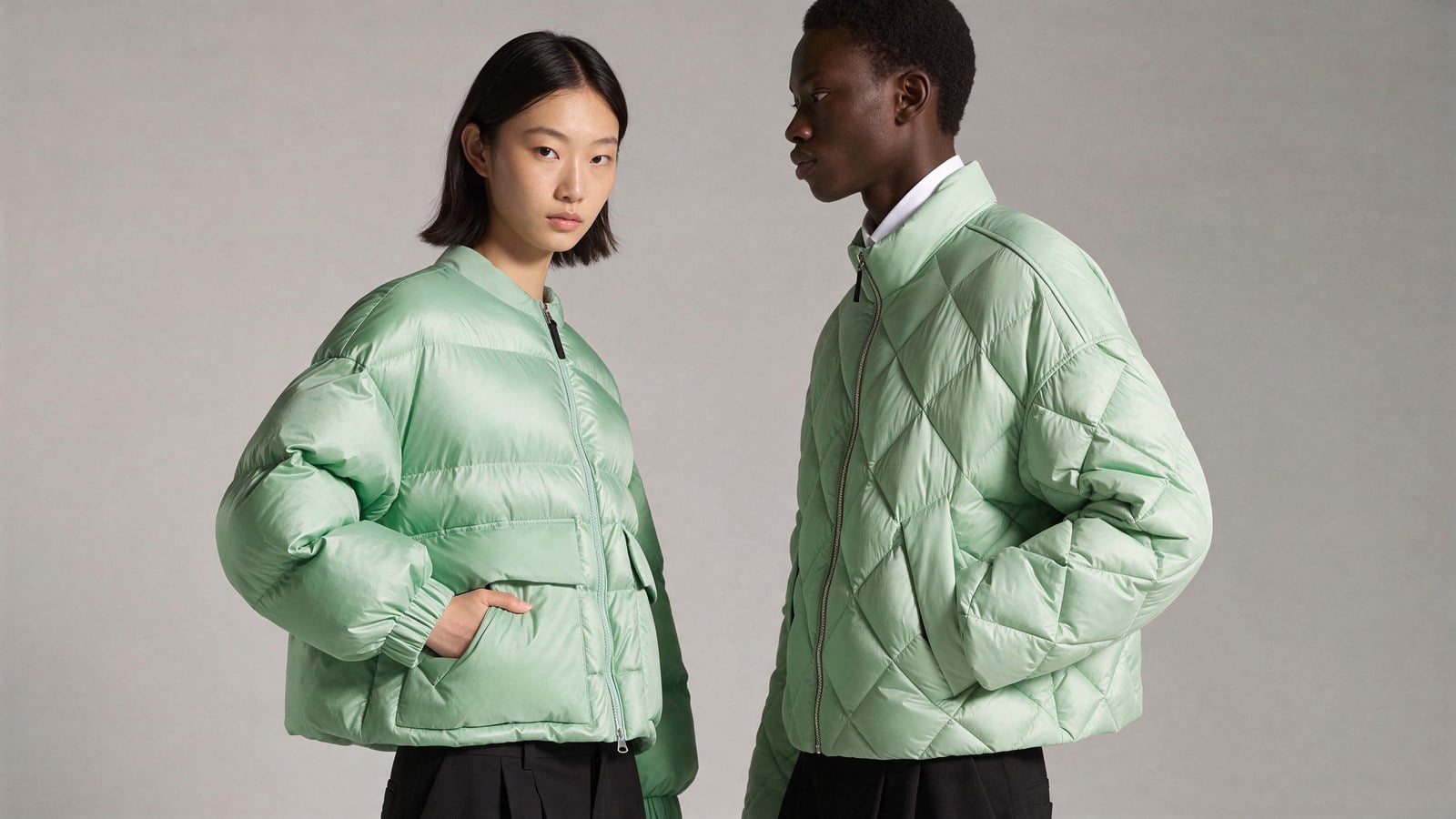
Successful adoption, as observed in firms that utilize sophisticated AI-enabled studios, requires:
- Rigorous Quality Assurance: Every AI-generated output must be reviewed by a human professional to ensure it matches the physical garment’s technical specifications.
- Artistic Direction: AI is treated as a tool for efficiency, not a replacement for creative vision, ensuring the "spirit" of the brand remains intact.
- Transparency: Consumers are increasingly demanding, and in some jurisdictions, legally entitled to, clear disclosure when an image has been synthetically generated.
The current trend of viewing AI as a "release valve" for production costs is a short-term strategy that risks alienating the very audience it intends to capture. As the market matures, the competitive advantage will likely shift toward retailers who treat generative AI as a tool for augmenting professional production rather than a means of circumventing it.
The Broader Future of Digital Retail
The events of the past few weeks serve as a bellwether for the retail sector. As companies continue to explore the limits of automation, the fundamental necessity of "the truth" in advertising remains unchanged. The digital storefront is the primary point of contact for the modern consumer; when that contact is mediated by deceptive or low-quality synthetic media, the entire ecosystem of trust begins to dissolve.

The path forward for luxury and mainstream retailers alike involves a recalibration of their AI strategies. Reducing overhead is a valid corporate objective, but it cannot come at the expense of product accuracy. As designers and retailers grapple with these new technological realities, the industry will likely see a push toward stricter standards for digital representation, potentially leading to new certifications for "authentically photographed" products or more stringent labeling requirements for AI-assisted imagery.
Ultimately, the SSENSE episode should serve as a cautionary tale: technology is a powerful accelerant, but it cannot replace the essential human elements of quality, integrity, and brand stewardship. Retailers that continue to prioritize the rapid, low-cost generation of content over the accurate representation of their inventory are likely to find that in the world of fashion, the "pixel-perfect" image is worthless if it leads to a dissatisfied customer and a damaged reputation. The transition to a digital-first economy is inevitable, but its success depends on the industry’s ability to remain tethered to the physical reality of the products it sells.