
The summer fashion landscape is currently undergoing a significant transition toward sustainable luxury, with the Los Angeles-based label Reformation standing at the forefront of this shift. As consumers increasingly prioritize environmental accountability alongside aesthetic appeal, the demand for high-quality, responsibly manufactured warm-weather apparel has surged. Reformation, established in 2009 by Yael Aflalo, has evolved from a boutique vintage re-purposing project into a global leader in circular fashion. By integrating transparent supply chain practices with a design philosophy that prioritizes longevity over fast-fashion trends, the brand has successfully captured a demographic ranging from high-profile celebrities, such as Meghan Markle and Hailey Bieber, to the environmentally conscious professional.

The Evolution of Sustainable Manufacturing
Reformation’s operational model is built upon a foundation of carbon neutrality and circularity. According to the company’s 2023 sustainability reports, the brand has committed to becoming fully circular by 2030. This objective involves a multi-faceted approach: the sourcing of regenerative fibers, the utilization of deadstock fabrics—which are surplus materials from other fashion houses—and the implementation of rigorous water-reduction techniques.
The brand’s reliance on TENCEL Lyocell, a fiber derived from sustainably managed forests, serves as a primary example of its commitment to reducing the fashion industry’s reliance on high-impact synthetic materials. Data from the Textile Exchange indicates that conventional cotton and polyester production often require significantly higher water consumption and chemical inputs compared to the closed-loop systems used for TENCEL production. By providing "RefScale" data on each product page, Reformation offers consumers a quantifiable metric of the CO2 emissions and water usage saved compared to conventional manufacturing processes.

Chronology of Reformation’s Expansion
The rise of the brand follows a clear timeline of strategic growth. Founded in 2009, the label gained initial traction by upcycling vintage garments. By 2013, the company opened its first factory in Los Angeles, allowing for localized production that reduced the carbon footprint associated with shipping and logistics. Throughout the late 2010s, Reformation expanded its international footprint, opening flagship stores in major fashion hubs including London and Paris.
In 2020, the company reached a milestone by achieving its goal of becoming carbon neutral. This was achieved through a combination of aggressive internal efficiency measures and the procurement of high-quality carbon offsets. The current 2025 collection represents the culmination of over a decade of research into bio-based materials and supply chain ethics, solidifying the label’s reputation as a pioneer in the "slow fashion" movement.

Curated Selection for the 2025 Summer Season
The 2025 summer lineup features a range of silhouettes engineered for both aesthetic versatility and environmental performance.
The Tagliatelle Linen Dress
Constructed from 100% linen, the Tagliatelle dress utilizes one of the most sustainable fibers available. Linen is known for its low water requirements and the ability to be grown without pesticides. The midi-length design, characterized by a tiered skirt and a scooped neckline, reflects a design focus on timelessness, which serves as a deterrent to the "throwaway" culture prevalent in the industry.

The Citron Linen Dress
The Citron dress emphasizes a minimalist aesthetic, utilizing a neutral oatmeal hue to ensure longevity in a consumer’s wardrobe. By opting for high-quality linen, the garment provides natural thermoregulation, which is essential for warmer climates. This focus on material performance is a key aspect of the brand’s design strategy to minimize the need for seasonal replacement.
The Jonelle Silk Dress
Silk production has historically been scrutinized for its environmental impact. Reformation’s approach involves working with certified suppliers to ensure that the silk is produced under conditions that prioritize animal welfare and chemical management. The Jonelle dress, featuring a 60s-inspired scarf neckline, highlights the brand’s ability to merge vintage design elements with modern production standards.
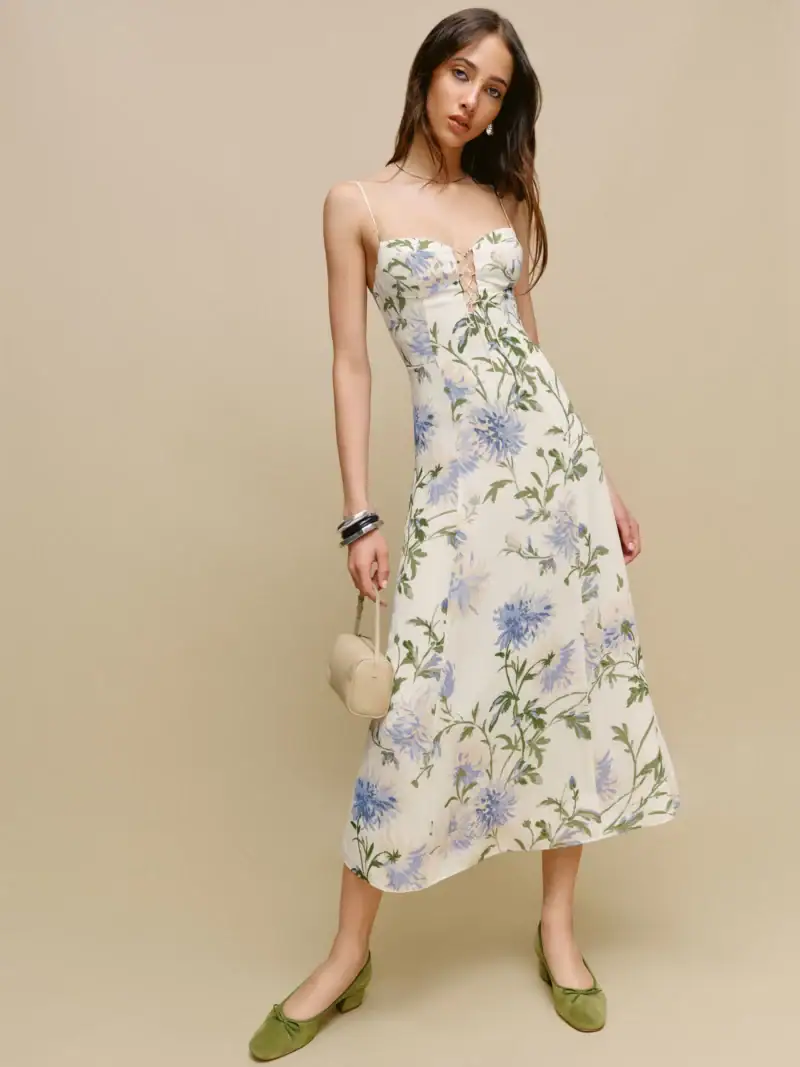
The Emely Floral Dress
This garment utilizes viscose, a material that, when sourced correctly, is a low-impact cellulose fiber. Reformation’s partnership with the non-profit organization Canopy is critical here; the organization ensures that the pulp used for viscose does not originate from ancient or endangered forests. This level of institutional oversight is indicative of the broader trend toward corporate transparency in the fashion sector.
The Gabriella Denim Midi
Denim is often cited as one of the most environmentally taxing fabrics to produce. The Gabriella midi dress uses 100% regenerative cotton, which supports soil health and carbon sequestration. This transition to regenerative agriculture is viewed by many experts as the next frontier for sustainable fashion, as it shifts the focus from simply reducing harm to actively restoring the environment.

Institutional Response and Industry Implications
The fashion industry has faced mounting pressure from regulatory bodies, particularly in the European Union and the United States, to address the issue of textile waste. Reformation’s public commitment to circularity by 2030 positions it favorably in the face of impending legislation such as the EU Strategy for Sustainable and Circular Textiles.
Industry analysts suggest that the "Reformation model"—which emphasizes small-batch production and a "made-to-order" sensibility—serves as a template for other mid-market brands. By maintaining a factory in Los Angeles, the company ensures that it can maintain strict oversight of labor conditions, contrasting with the often opaque supply chains of traditional mass-market retailers.
Broader Impact on Consumer Behavior
The shift toward brands like Reformation reflects a broader evolution in consumer sentiment. Recent studies by McKinsey & Company on the state of fashion suggest that "conscious consumers" are increasingly willing to pay a premium for garments that offer transparent provenance and a verifiable commitment to ethical production.
Reformation’s strategy of including "how to care for the fabric" instructions and CO2 savings data on its website serves an educational purpose. By empowering the consumer with information, the brand fosters a sense of stewardship, encouraging users to treat their garments as long-term investments rather than disposable commodities.
Future Outlook
As the 2025 season progresses, the integration of technology into the design process—such as AI-driven inventory management to prevent overproduction—is expected to further solidify Reformation’s position. The company’s expansion into new markets and its continued investment in material science research indicate that sustainable fashion is moving from a niche category to a mainstream expectation.
In conclusion, the popularity of Reformation’s summer dresses is not merely a result of their celebrity endorsements or aesthetic appeal, but rather a reflection of the brand’s alignment with contemporary values regarding the environment and corporate responsibility. Through a synthesis of traditional craftsmanship, advanced material science, and a transparent communication strategy, the brand continues to influence the trajectory of the global apparel industry, proving that style and sustainability are not mutually exclusive, but rather essential components of a modern, forward-thinking wardrobe. As the industry approaches the 2030 mark, the success of such models will likely be measured by their ability to scale these practices without compromising the integrity of their environmental commitments.