The Ultimate 2027 Wedding Guest Dress Guide: Trends, Dress Codes, and Seasonal Styling Strategies

Navigating the landscape of wedding guest attire has evolved far beyond the traditional constraints of basic evening wear, expanding into a sophisticated exercise in seasonal forecasting, venue analysis, and strict adherence to modern dress codes. As the wedding industry continues to adapt to post-pandemic celebration surges, fashion forecasters and event planners note a definitive shift toward rewearability, comfort, and sustainable sartorial choices. Whether attending a high-octane black-tie affair in a metropolitan ballroom or a breezy sunset ceremony on a coastal shoreline, guests are increasingly expected to decode complex invitations while balancing personal style with etiquette. Industry experts project that the 2027 wedding season will prioritize dynamic textures, architectural silhouettes, and versatile multi-season garments that challenge traditional single-wear mentalities.
Decoding 2027 Wedding Guest Dress Trends
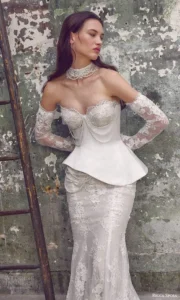
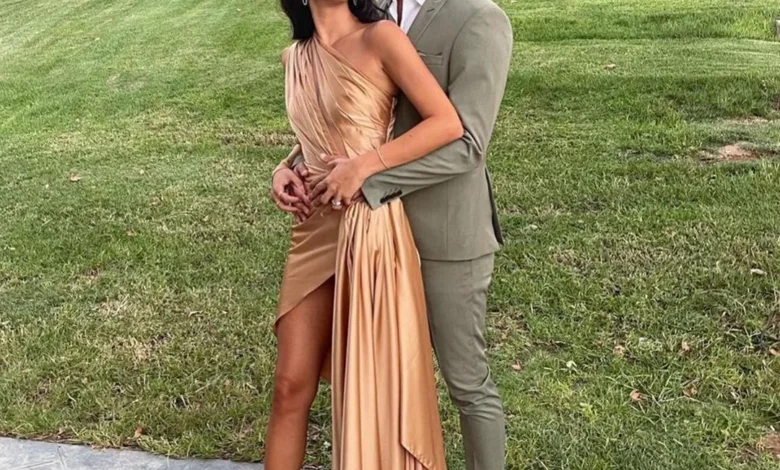
The upcoming 2027 bridal and guest fashion landscape introduces a harmonious blend of nostalgia and modern minimalism. According to leading runway reports and event stylists, designers are leaning heavily into tactile richness—incorporating liquid satins, crushed velvets, and three-dimensional floral appliques that photograph exceptionally well. Architectural elements such as exaggerated puff sleeves, asymmetrical hemlines, and corsetry-inspired bodices are dominating both cocktail and formal categories.
Furthermore, sustainability has transitioned from a niche preference to a core consumer demand. Guests are increasingly investing in separates, convertible wrap dresses, and high-quality midi gowns that can easily transition from a formal wedding ceremony to upscale corporate events or anniversary dinners. This economic and environmental consciousness is reshaping how retail brands market wedding guest attire, placing heavy emphasis on fabric durability, timeless tailoring, and adaptability across various climate controls.
Seasonal Wardrobe Engineering: Spring and Summer
Selecting the appropriate garment requires careful consideration of meteorology, geographic location, and venue architecture. Spring weddings, traditionally the anchor of the peak celebration calendar, demand light, breathable fabrics such as chiffon, organza, and lightweight crepe. Pastel palettes—including lavender, sage green, butter yellow, and dust rose—remain perennial favorites, though 2027 introduces bolder botanical prints and vivid cobalt blues. Stylists strongly advise against heavy, rigid materials or overly dark winter hues, which can appear starkly out of place amidst blooming garden backdrops. Common styling mistakes include failing to account for fluctuating spring temperatures; experts recommend pairing airy midi dresses with sophisticated boleros, tailored blazers, or lightweight cashmere shawls.
As temperatures peak during the summer months, the primary directive shifts toward heat management and breathability without sacrificing elegance. Outdoor, beach, and destination weddings require relaxed silhouettes, such as tiered maxi dresses, halter-neck gowns, and off-the-shoulder styles crafted from breathable cotton blends, fine linen, or fluid silks. In accordance with summer dress protocols, footwear shifts toward block heels, embellished flat sandals, and wedges designed to navigate uneven terrain like sand or grass without sinking. Tailors and wardrobe consultants caution guests against overly tight, restrictive synthetic fabrics that trap heat, emphasizing that relaxed yet polished tailoring is essential for long-duration outdoor celebrations.
Navigating Autumn and Winter Elegance
When the calendar turns to autumn, color palettes transition dramatically toward rich jewel tones. Burgundy, plum, emerald green, and sapphire blue dominate the seasonal landscape, accompanied by textural heavyweights like jacquard, lace, and mid-weight satin. September serves as a crucial transitional month where summer silhouettes can still be utilized if rendered in deeper autumn tones, whereas October and November demand complete transition into long sleeves, high necklines, and structured layering. A frequent misstep during these cooler months is selecting overly flimsy fabrics paired with short sleeves, which can lead to severe discomfort during outdoor evening receptions.
Winter weddings present unique stylistic challenges, requiring an equilibrium between thermal insulation and formal elegance. Contrary to popular belief, winter guest attire does not necessitate abandoning sleeveless or open-back designs; rather, it encourages the integration of statement outerwear. High-fashion faux fur wraps, tailored wool coats, and dramatic capes serve as functional yet intensely chic accessories. For formal winter venues, floor-length velvet gowns and heavily embellished satin dresses paired with closed-toe leather boots or classic stilettos ensure a sophisticated appearance that withstands freezing temperatures.
Comprehensive Dress Code Breakdown: From Casual to Black Tie
Understanding the precise implications of a wedding invitation’s dress code prevents social discomfort and ensures mutual respect for the couple’s vision.
Black Tie and Formal Attire
Black tie remains the pinnacle of traditional wedding formality. Protocol dictates floor-length evening gowns crafted from luxurious materials such as silk, velvet, or heavy satin. Accessories must be equally refined, featuring metallic clutches, fine jewelry, and classic formal footwear. Formal attire, while distinct from black tie, occupies a similar upper echelon. Renowned event planner Emily Coyne notes that a formal dress code bridges the gap between black tie and cocktail attire. It permits elevated midi-length dresses, dressy jumpsuits, and sophisticated trouser suits in darker, rich colorways, prioritizing clean lines and understated luxury over voluminous ballgowns.
Cocktail and Semi-Formal Attire
Cocktail attire is arguably the most common and versatile dress code, requiring a polished balance between festive and professional. Hemlines generally hover around the knee or mid-calf (midi-length), utilizing refined fabrics like crepe, chiffon, or silk. Semi-formal attire, sometimes styled as "dressy casual," allows for slightly more relaxed interpretations—such as A-line midi dresses or elegant wrap styles in soft pastels or subtle prints. Both categories strictly forbid overly casual elements like denim, casual cotton t-shirts, or athletic footwear.
Casual and Outdoor Settings
Casual dress codes, frequently utilized for backyard receptions, farm celebrations, or casual beach nuptials, prioritize comfort and breathability. However, "casual" in a wedding context does not equate to everyday loungewear. Guests are advised to opt for lightweight cotton or linen midi dresses, simple floral prints, and comfortable wedges or flat sandals, maintaining an inherent level of polish that honors the significance of the event.
Inclusive Sizing and Specialized Styling
The modern retail market has made significant strides in inclusive sizing, ensuring that plus-size wedding guest dresses deliver the same architectural integrity, comfort, and high-fashion aesthetic as straight-size garments. Fashion directors emphasize that successful plus-size styling relies on tailored silhouettes—such as empire waists, structured wrap dresses, and A-line cuts—that complement natural curves without relying on excessive, bulky embellishments. Flowing chiffon and structured satin remain top-tier fabric choices for 2027, offering both ease of movement and striking visual impact.
Etiquette Guidelines: What Not to Wear
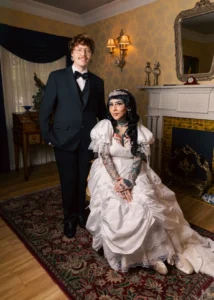
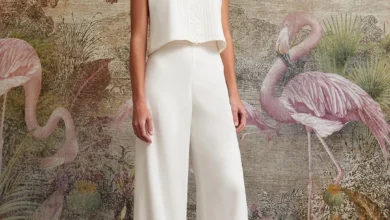
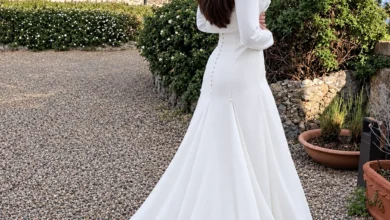
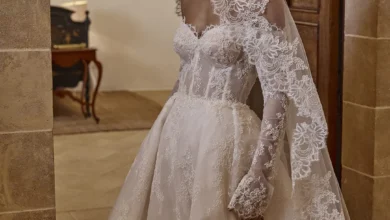
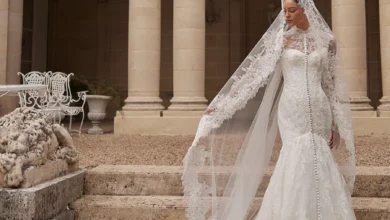
Regardless of the venue, season, or dress code, certain universal rules govern wedding guest attire. Most notably, wearing white, ivory, or cream remains an absolute social taboo unless explicitly requested by the couple. Doing so is traditionally viewed as an attempt to upstage or detract from the bride. Furthermore, guests must exercise caution with overly revealing silhouettes, excessively short hemlines, or loud, distracting neon patterns that draw unwarranted attention during pivotal moments of the ceremony and reception. Adhering to these foundational guidelines ensures that attendees remain respectful participants in a deeply personal milestone event.