UK retail sales experienced a modest yet significant rebound in August, driven largely by a strong resurgence in clothing and footwear purchases, according to the latest official figures released by the Office for National Statistics (ONS). This recovery follows a disappointing downturn in July, offering a glimmer of hope to high street retailers who have faced persistent headwinds from high inflation, fluctuating consumer confidence, and constrained household budgets throughout the year.
The data indicates that overall retail sales volumes rose by 1.0% in August, bouncing back from a downwardly revised 1.2% contraction in July. Analysts and economists closely monitor these monthly fluctuations to gauge the underlying health of the consumer economy, which accounts for a substantial portion of the United Kingdom’s overall economic output. While macroeconomic pressures continue to weigh heavily on discretionary spending, the August bounce demonstrates that British consumers are still willing to spend when presented with seasonal promotions, end-of-summer sales, and enticing new apparel collections.
Chronology of the Summer Retail Swing
The trajectory of UK retail sales over the summer months of 2026 has been characterized by sharp volatility, reflecting consumer uncertainty and changing weather patterns. In June, retail sales held relatively steady as shoppers prepared for the early summer season and outdoor events. However, July brought a sharp reversal of fortune for the high street. Unfavorable weather conditions, combined with the lingering impact of cost-of-living pressures, caused consumer footfall to plummet. July’s revised 1.2% drop in sales volumes caught many market observers off guard, raising concerns that the crucial back-to-school and late-summer shopping periods might also suffer.
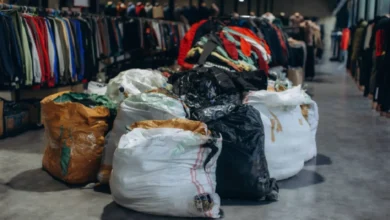
As August unfolded, retail dynamics shifted. High street fashion retailers and online apparel platforms initiated aggressive promotional campaigns to clear out remaining summer inventory and make space for autumn and winter merchandise. This strategy proved effective. Consumers responded positively to end-of-season discounts, leading to a notable surge in non-food store sales, with clothing retailers leading the charge. The month-on-month recovery in August not only erased July’s losses in certain categories but also signaled that consumer demand remains resilient despite broader economic uncertainties.
Sector Breakdown: Apparel Leads the Recovery
While various retail sectors contributed to the August rebound, the apparel and footwear segment emerged as the primary catalyst for growth. Non-clothing retailers also saw moderate gains, but clothing stores experienced the most pronounced surge in sales volumes.
Industry experts attribute this clothing-led recovery to several overlapping factors. Firstly, the traditional timing of late-summer sales created a strong incentive for bargain-hunting shoppers. With many consumers delaying discretionary purchases earlier in the year due to tight household finances, August provided a window of opportunity to acquire wardrobe updates at reduced prices. Secondly, anticipation of the autumn wardrobe transition prompted early purchases of transitional items such as lightweight jackets, denim, and footwear.
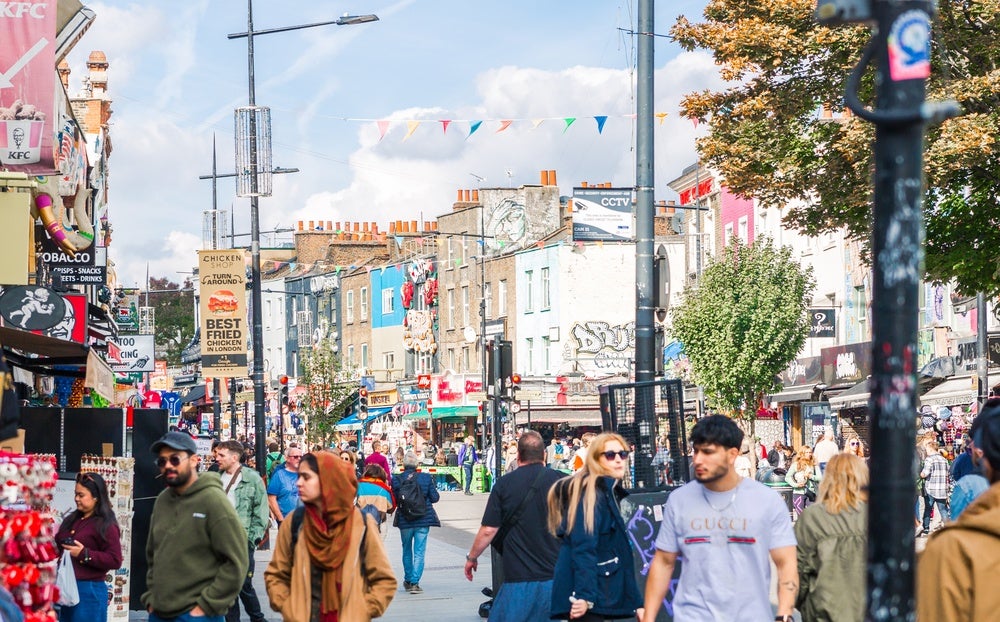
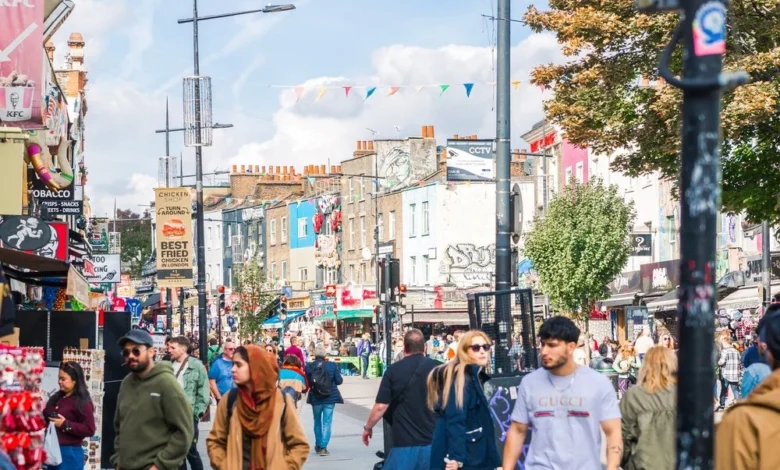
Online fashion retailers also reported robust trading figures during August, continuing a long-term trend where digital channels capture a significant share of discretionary apparel spending. However, physical high street stores also benefited from increased footfall, particularly in major urban shopping centers and designer outlet villages where consumers sought a traditional shopping experience combined with deep discounts.
Supporting Data and Economic Context
To understand the true significance of the August retail figures, it is essential to examine the broader economic landscape in which UK retailers are operating. Inflation, while having cooled from its historic peaks in previous years, continues to exert pressure on everyday living costs, including energy bills, housing expenses, and grocery prices. Consequently, discretionary income remains constrained for a large segment of the population.
Despite these financial pressures, the labor market has maintained a degree of stability, and wage growth—though moderating—has helped support consumer purchasing power. The ONS data revealed that retail sales values (unadjusted for inflation) grew at a slightly higher rate than volumes, reflecting the lingering impact of price adjustments across the sector.
Year-on-year comparisons further illustrate the gradual stabilization of the retail environment. While monthly figures are prone to volatility caused by weather, calendar anomalies, and shifting promotional cycles, the broader three-month-on-three-month trend indicates a slow but steady recovery from the stagnation observed in earlier quarters. Non-store retailing (primarily online shopping) continued to account for a growing proportion of total retail sales, underscoring the permanent structural shift in consumer shopping habits accelerated by the digital transformation of the retail industry.
Industry Reactions and Stakeholder Perspectives
The August retail figures have been met with cautious optimism by major retail associations, industry analysts, and business leaders across the UK apparel sector. Representatives from key trade bodies noted that while the monthly growth is a welcome development, retailers cannot afford to become complacent as they navigate the remainder of the year.
A senior retail analyst at a prominent London-based financial institution commented on the data, noting that the clothing sector’s performance in August highlights the power of tactical discounting in unlocking consumer demand. "Consumers are undeniably cautious, and every pound is being scrutinized. However, when retailers offer compelling value propositions and fresh inventory aligned with seasonal needs, shoppers are still willing to open their wallets. The challenge for the rest of the year will be maintaining profit margins while relying on promotions to drive volume."
Trade associations representing high street fashion retailers echoed these sentiments, emphasizing that while sales volumes are moving in the right direction, operational costs remain a major concern. Business rates, rising supply chain expenses, and increases in the National Minimum Wage continue to compress profit margins for independent boutiques and large retail chains alike. Industry leaders have reiterated calls for long-term fiscal support and structural reform to ensure the viability of the UK high street.
Implications for the Autumn and Winter Trading Season
Looking ahead, the August retail rebound serves as an important bellwether for the critical golden quarter—the period spanning October through December, which encompasses Black Friday, Cyber Monday, and the peak Christmas shopping season. For most apparel retailers, this period accounts for a disproportionate share of annual revenues and profitability.
The resilience demonstrated by clothing shoppers in August suggests that consumer demand has not evaporated, but rather become more selective and price-sensitive. Retailers entering the autumn season are expected to adopt a highly agile approach to inventory management, balancing promotional strategies with careful stock control to avoid the oversupply issues that plagued previous years.
Furthermore, supply chain resilience will be a critical factor in determining success during the upcoming months. Global logistics networks have largely stabilized compared to the disruptions of recent years, but retailers remain vigilant regarding potential geopolitical tensions, shipping route adjustments, and freight cost fluctuations that could impact the timely delivery of autumn and winter apparel lines.
Macroeconomic indicators, including upcoming interest rate decisions by the Bank of England, will also play a pivotal role in shaping consumer confidence as the year draws to a close. Any potential reductions in borrowing costs could provide an additional psychological and financial boost to households, potentially translating into stronger retail performance during the festive period.
Conclusion
The ONS data confirming a 1.0% rise in UK retail sales for August, spearheaded by a robust recovery in clothing purchases, provides a much-needed morale boost for the retail sector following July’s contraction. While economic headwinds, cost-of-living pressures, and structural high street challenges persist, the month-on-month rebound underscores the underlying adaptability and appeal of the UK apparel market. As retailers transition their focus toward the crucial autumn and winter trading windows, strategic agility, compelling value offerings, and careful cost management will remain paramount in sustaining this positive momentum and securing long-term economic viability in an increasingly competitive global marketplace.
Related posts: